Table of Contents
Why 50 years after November 11, 1975 the Palace letters still matter
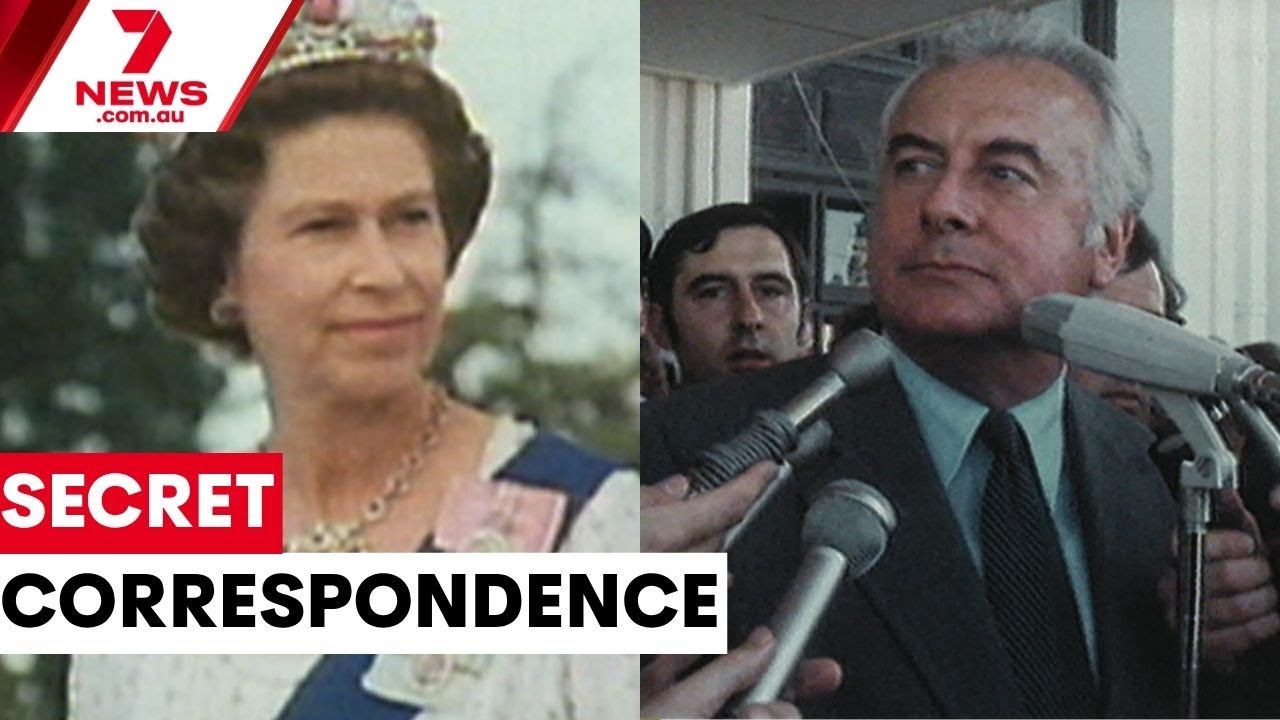
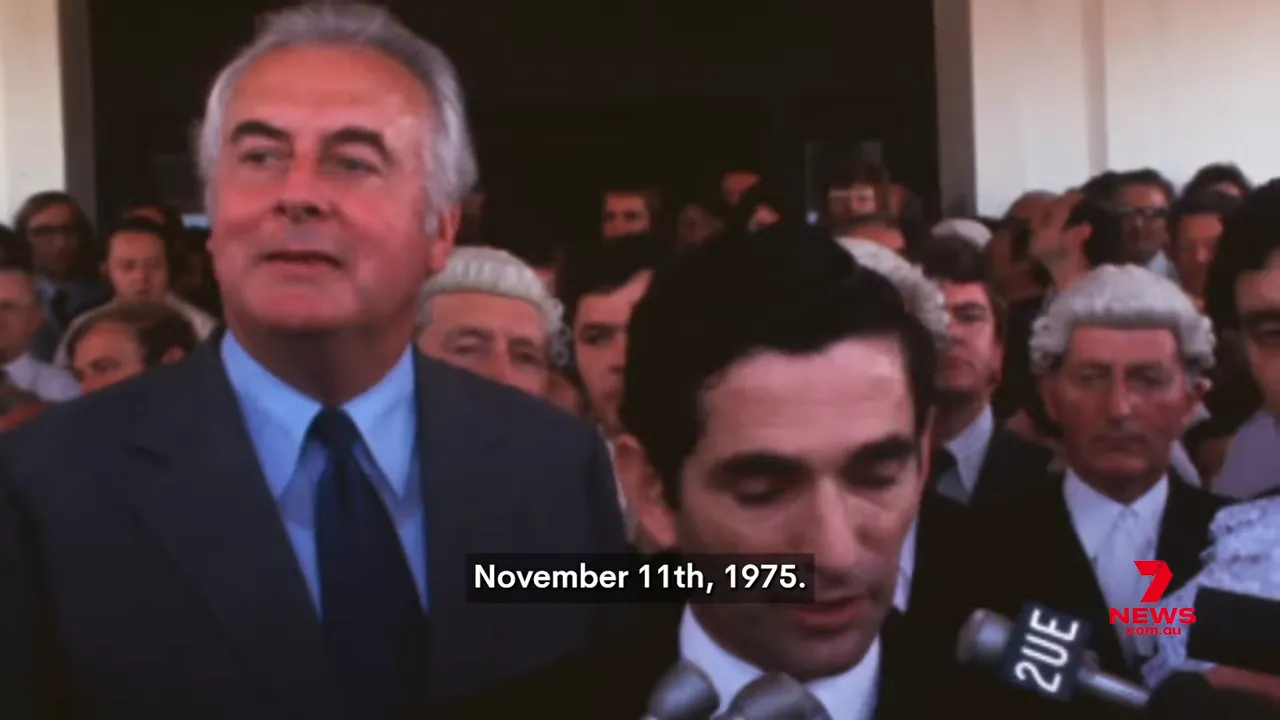
The Whitlam dismissal remains one of the most extraordinary events in Australian political history. On 11 November 1975 the Governor‑General Sir John Kerr dismissed the Whitlam government, appointed Malcolm Fraser as caretaker prime minister and called a double dissolution election. That day—and the decades of secrecy that followed—are central to new revelations about secret correspondence between Kerr and Buckingham Palace.
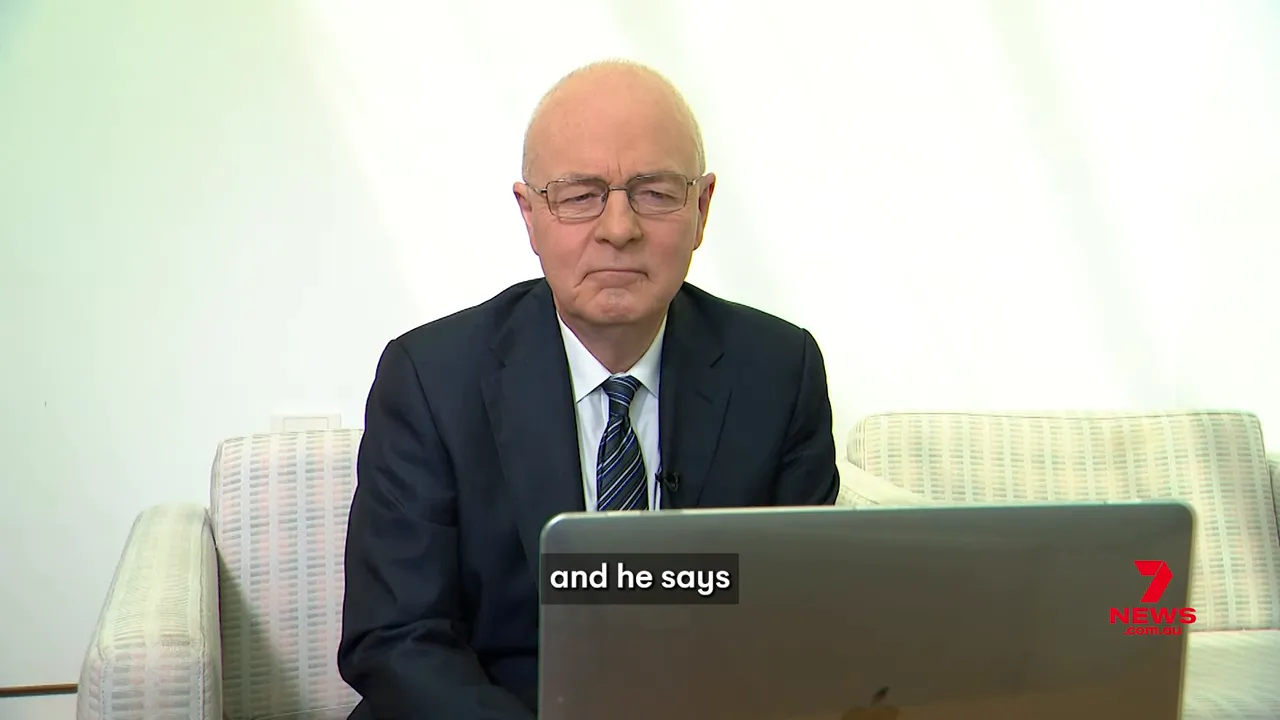
Melbourne historian Professor Jenny Hawking spent years digging through archives while researching a two‑volume biography of Gough Whitlam. Her work uncovered documents that reshaped our understanding of the events leading to the dismissal.
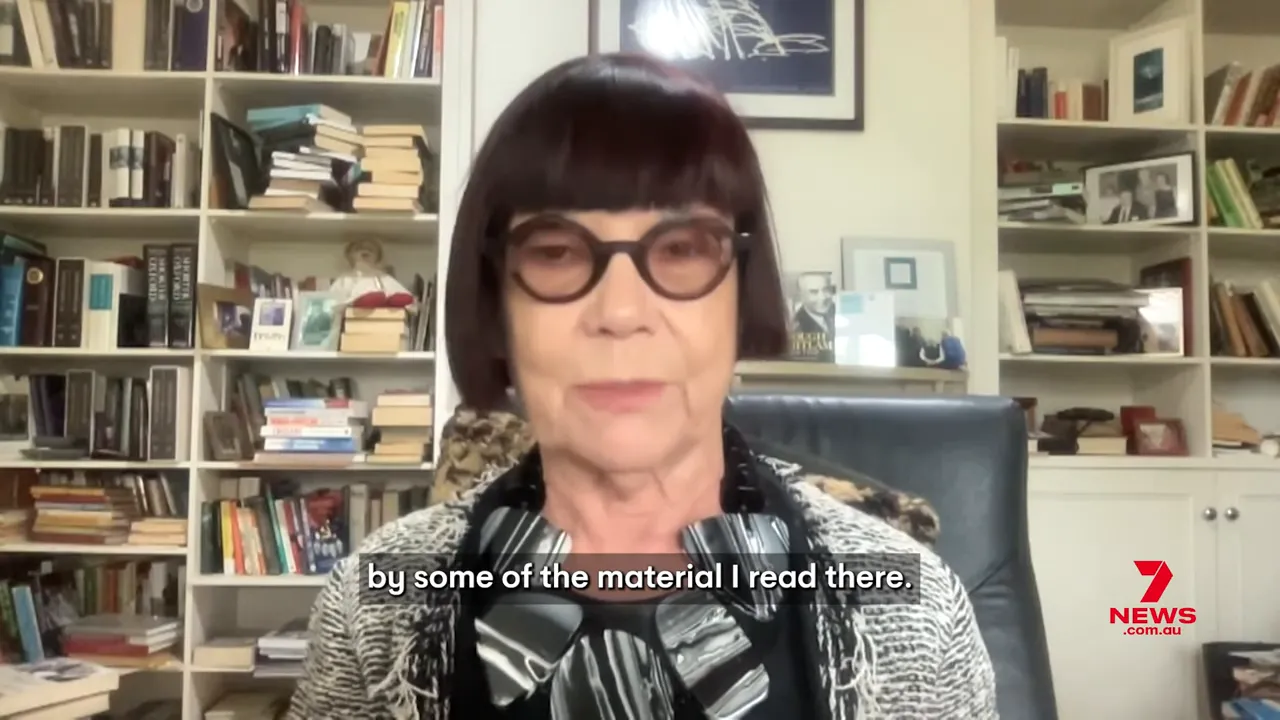
Hawking found evidence that a sitting High Court justice, Sir Anthony Mason, privately advised Kerr in 1975 and even drafted a letter of dismissal. That discovery prompted a search for further correspondence and led to a prolonged legal battle to open palace letters kept from public view.
What the newly released letters show
Contrary to the immediate post‑dismissal statement from Buckingham Palace that “the Queen played no part”, the correspondence shows Kerr was discussing the use of reserve powers with the Palace from at least September 1975. He spoke with Prince Charles in Port Moresby and exchanged letters with the Queen’s private secretary, Sir Martin Charteris.
The palace did not discourage Kerr. Instead, the letters and notes offered practical and theoretical support for the notion that a governor‑general could act independently of government advice under reserve powers. Kerr appears to have taken that encouragement as tacit approval to act.
“Absolutely the palace should be embarrassed.”
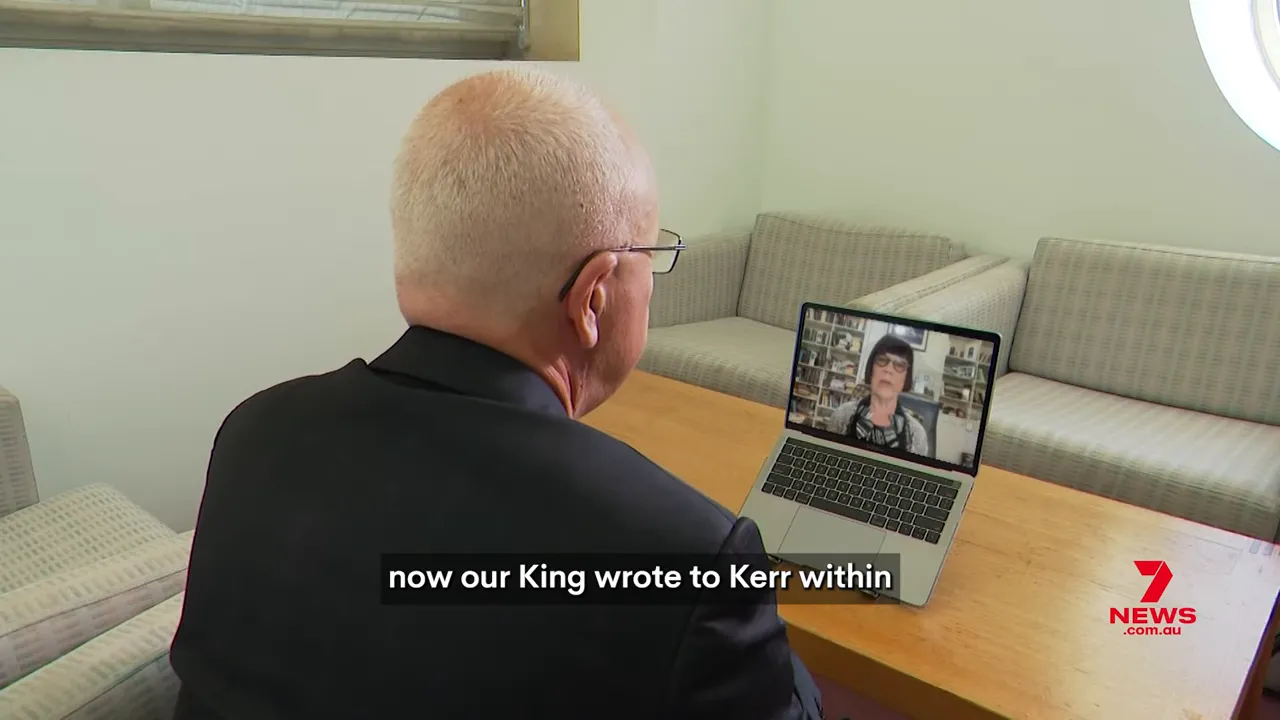
After a years‑long court fight, the High Court ordered the release of many of those palace letters in 2020. The files showed Prince Charles (now King Charles) writing to Kerr soon after the dismissal to praise his action, and Sir Martin Charteris telling Kerr that he could find “no one who would disagree” with what Kerr had done.
How Kerr arrived at dismissal—and the moral questions
Kerr did not seek Whitlam’s counsel on the crisis. He declined the Solicitor‑General’s advice that intervention was unjustified, and instead canvassed the Palace. Hawking argues that the Palace should have reminded Kerr of his duty to take advice from elected government, rather than advising him on reserve powers.
The personal aftermath for Kerr was devastating. Contemporary accounts and later notes show he became consumed by the decision, frequently revisiting and justifying it in his papers. As one Canadian governor‑general put it, a governor‑general who “stings once and then dies” mirrors Kerr’s fate—his intervention fatally damaged his public standing.
Secrecy, archives and a Commonwealth comparison
Hawking’s struggle to access palace correspondence exposed broader problems with archival secrecy in Australia. The National Archives claimed a convention that royal files required Palace permission for release—an argument rejected by the High Court in the 21st century.
By contrast, Hawking found Canadian palace correspondence far more accessible. The Canadian archives supplied a thousand pages of Governor‑General letters within weeks without a court case, offering a stark comparison in archival openness across Commonwealth countries.
What remains unknown and what should be done
Even now, hundreds—possibly a thousand—files related to Kerr’s papers and the dismissal remain closed. Hawking calls for the National Archives to open all relevant material now the event is 50 years past, and to reform the Archives Act and freedom‑of‑information processes so researchers can access historical records in a timely way.
She argues that without access to these records we risk a curated or false history, because historians write from the documents available to them. Opening the files would help settle long‑running debates and test competing theories about other possible influences on November 11, 1975.
On conspiracy theories: CIA and other claims
The secrecy around the dismissal spawned many theories, including claims of US intelligence involvement. Hawking cautions historians to follow the evidence rather than speculative narratives. She accepts there was international interest in Whitlam’s policies—Pine Gap lease renewal being one example—but says researchers must base conclusions on documentary proof.
Legacy and final ironies
Sir John Kerr’s 1978 memoir Matters for Judgment omits the detailed Palace exchanges. The Palace asked to see a draft and requested references to its private advice be left out. Kerr complied, and the book was published without revealing the extent of those conversations.
For many Australians, the dismissal remains a lesson in constitutional danger, secrecy and the lingering influence of imperial institutions. The newly disclosed letters do not give a neat, single explanation for the events of 11 November 1975, but they shift the balance of evidence toward a far more active Palace role than was long acknowledged.
Key takeaways
- On 11 November 1975 the Governor‑General dismissed the Whitlam government and appointed Malcolm Fraser as caretaker prime minister.
- Professor Jenny Hawking’s archival research exposed private advice from High Court Justice Sir Anthony Mason and repeated correspondence between Kerr and Buckingham Palace.
- Palace letters show encouragement—rather than discouragement—about using reserve powers, contradicting early official claims the Queen had no part to play.
- Hundreds of files remain closed; Hawking and others call for Archives Act reform and the immediate release of remaining dismissal materials.
FAQs
Did the Queen approve Sir John Kerr’s dismissal of the Whitlam government?
Documents released after a High Court ruling show Kerr believed he had tacit approval from Buckingham Palace. Letters and notes indicate Prince Charles and the Queen’s private secretary offered advice and support that Kerr took as permission to act, contradicting initial Palace statements that the Queen had no part.
Who else advised Kerr before the dismissal?
Kerr received advice from a range of sources. Importantly, Sir Anthony Mason, a sitting High Court justice, privately met with Kerr and even drafted a letter of dismissal. Kerr had also been advised by Australian legal officers, including the Solicitor‑General, whose view was that intervention was not justified.
Why were palace letters initially kept secret?
The National Archives argued a convention required Palace permission to release materials relating to the monarch, effectively placing royal correspondence outside Australian archival law. The High Court rejected that approach in 2020, but many files remain closed and archival practices remain contested.
What should the Australian government do now?
Researchers and historians urge the government to direct the National Archives to open remaining dismissal‑related files for the 50th anniversary, and to reform the Archives Act and FOI processes to ensure timely public access to historical records.
Is there evidence the CIA was involved?
While intelligence interest in Australian politics at the time is documented, concrete evidence proving direct CIA involvement in orchestrating the dismissal has not been established. Hawking recommends basing conclusions on archival evidence rather than speculation.
Further reading
Professor Jenny Hawking’s two‑volume biography of Gough Whitlam and the High Court decisions on the palace letters are primary sources for readers who want to pursue the topic in more depth.
The information in this article has been adapted from mainstream news sources and video reports published on official channels. Watch the full video here The Whitlam dismissal and secret royal correspondence | THE ISSUE


