Table of Contents
- Campus protests erupted at the University of Oklahoma after a grading dispute escalated into claims of discrimination and First Amendment concerns.
- What happened on campus and online
- Key takeaways
- Next steps and context
- FAQs
Campus protests erupted at the University of Oklahoma after a grading dispute escalated into claims of discrimination and First Amendment concerns.
University teacher placed on leave is the central issue after an assistant instructor at the University of Oklahoma was placed on administrative leave in November following a failed essay grade. The dispute centres on a student reaction paper that cited religious beliefs and a lecturer’s decision to award a zero for not meeting academic standards.

The instructor, Mel Curth, who is transgender, gave a zero to a 650‑word response to an academic study about gender conformity, popularity and bullying among middle school students. The student, identified in media reports as Samantha Fulnecky, used the Bible as her only source and wrote that belief in multiple genders was "demonic".
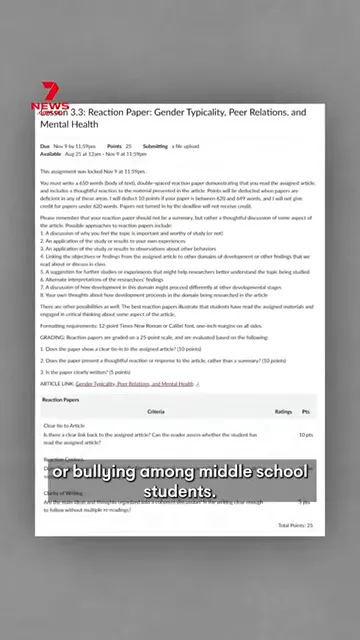
Curth’s feedback explained the grade as a matter of academic criteria rather than belief. The lecturer noted the paper failed to engage with empirical evidence, relied heavily on personal ideology in a science class, contradicted the assignment prompt and was at times offensive. That assessment, and the subsequent leave, sparked a wider reaction across campus and online.
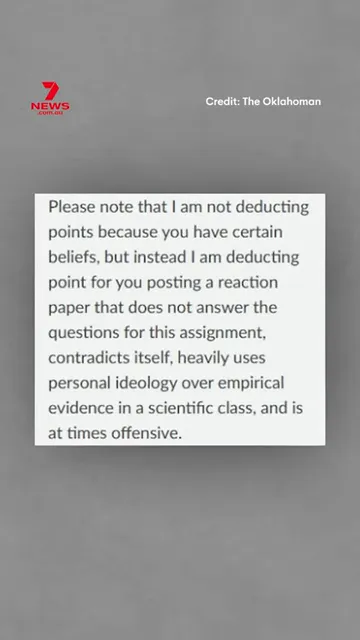
“I am not deducting points because you have certain beliefs, but I am instead deducting points for you posting a reaction paper that does not answer the question for the assignment, contradicts itself, heavily uses personal ideology over empirical evidence in a science class, and is at times offensive.”
The sequence of events followed this pattern: a student submitted a faith‑based critique of a research article; the instructor graded it according to the assignment’s learning goals; the student appealed and filed allegations of religious discrimination; the university placed the instructor on administrative leave while the complaint is reviewed.
The University of Oklahoma released a statement saying it takes concerns about First Amendment rights seriously and reaffirmed its commitment to fairness, respect and protecting students' rights to express sincerely held religious beliefs. At the same time, faculty and many students gathered in support of Curth, arguing the grade reflected academic standards not persecution.
What happened on campus and online
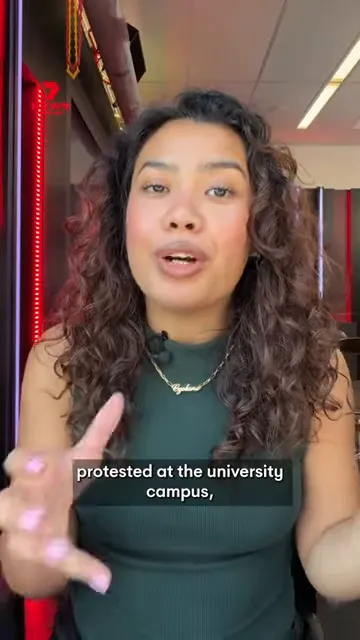
Hundreds of students and staff staged protests calling on the university to protect its professors and condemn the handling of the instructor’s case. The story also trended on social media, drawing attention from national campus groups and commentators who debated academic freedom, classroom standards and religious expression.
Observers who reviewed the essay said the student did not provide textual evidence from scripture nor cite the research article as required, making the piece an opinion‑driven response rather than an academically supported critique. High school and university teachers alike highlighted the importance of engaging sources and supporting claims with evidence.
Key takeaways
- Academic assignments have clear learning goals that often require evidence and engagement with source material rather than personal belief alone.
- Universities must balance protection of free expression, including religious beliefs, with enforcement of academic standards and respectful classroom conduct.
- Administrative leave is a common procedural step while institutions investigate formal complaints to ensure impartial review.
- Campus protests can influence public perception but do not substitute for formal grievance procedures and due process.
Next steps and context
The student has filed a formal discrimination complaint and an appeal of the failing grade; both processes are underway. Curth has declined to comment publicly, citing legal advice. The university’s review will determine whether grading practices, academic expectations and discrimination concerns intersected inappropriately in this case.
Beyond this particular incident, the episode highlights an ongoing national conversation about how universities manage curriculum, identity, belief and the responsibilities of both students and educators to engage respectfully and academically with contentious topics.
FAQs
Why was the instructor placed on administrative leave?
Administrative leave was enacted while the university investigates a formal complaint of discrimination filed by the student and to ensure an impartial review of the allegations and the grading decision.
Was the grade based on the student’s religious beliefs?
The instructor’s feedback states the grade reflected the paper’s failure to meet assignment criteria—lack of engagement with the research, absence of textual evidence, and an overreliance on personal ideology—rather than the student’s sincerely held beliefs.
Can students cite religious texts in academic assignments?
Students may draw on religious texts, but in academic classes—especially those focused on empirical research—arguments typically need to be supported with appropriate evidence and critical engagement with the assigned material.
What should universities do to prevent similar disputes?
Clear assignment guidelines, explicit grading rubrics, open communication about expectations, and accessible avenues for appeal and mediation can reduce misunderstandings and ensure fairness.
The information in this article has been adapted from mainstream news sources and video reports published on official channels. Watch the full video here University teacher placed on leave after failing an essay


