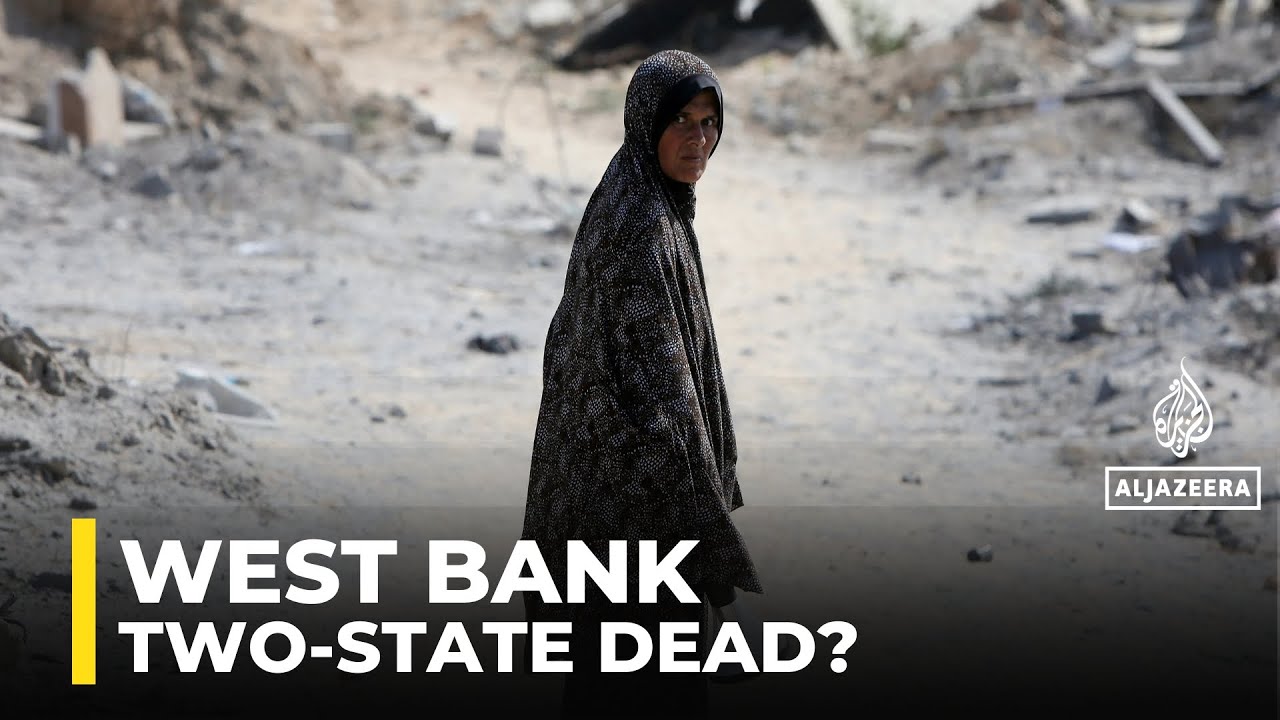
In a compelling discussion about the future of the Israeli-Palestinian conflict, Menachem Klein, professor emeritus of political science at Bar-Ilan University in Israel, delivers a sobering assessment: the Oslo-style two-state solution is no longer viable. As the decades-long expansion of Israeli settlements continues and political realities shift, Klein urges a rethinking of what a two-state solution might look like today. This article explores his insights on the failure of the Oslo framework, the complexities of international recognition of Palestinian statehood, and the urgent need for concrete plans to address the evolving situation on the ground.
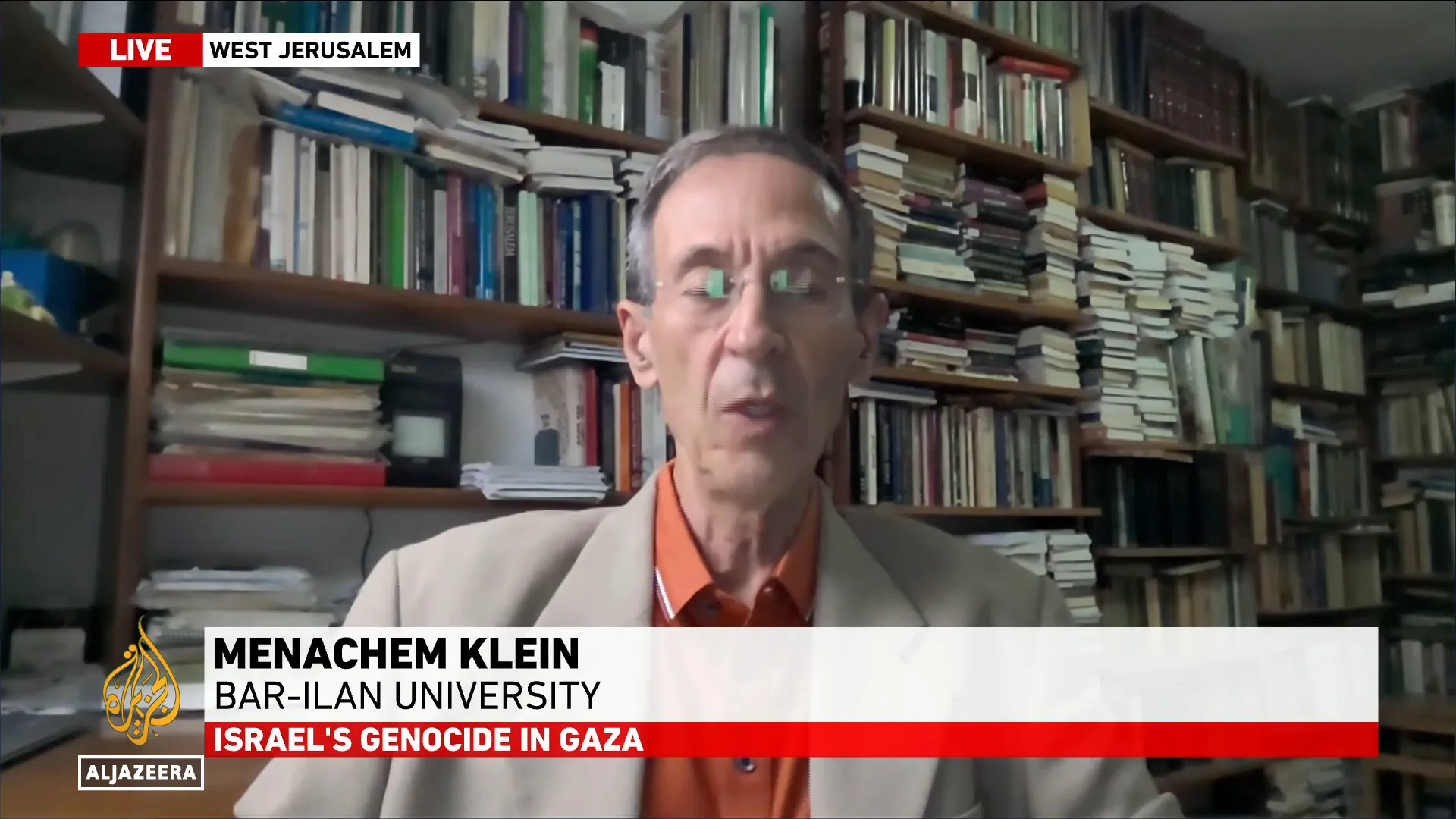
Table of Contents
- The Death of the Oslo-Style Two-State Solution
- International Recognition of Palestinian Statehood: Morality vs. Practicality
- Moral Support vs. Concrete Action
- The Role of the United States and Changing Dynamics
- Conclusion: Rethinking the Two-State Solution
- Frequently Asked Questions (FAQ)
The Death of the Oslo-Style Two-State Solution
The 1993 Oslo Accords once promised a pathway to peace, envisioning a two-state solution with negotiated land swaps, final borders, and shared arrangements over Jerusalem. However, Klein emphatically states:
"I do think that, the two-state solution, Oslo style two state solution is dead. No way to revive it."
The decades-long expansion of Israeli settlements in the occupied West Bank has created facts on the ground that undermine the original Oslo vision. Klein highlights the critical need for countries, organizations, and political entities to reconsider what kind of two-state solution they envision—one that aligns with current realities rather than outdated frameworks.
He also points out a troubling gap in the discourse: while many Western countries continue to champion the two-state solution rhetorically, none present a concrete, actionable plan that reflects the changed political and territorial landscape. Off the record, even some European Union representatives acknowledge the impracticality of the traditional two-state model, yet political necessity forces them to keep repeating the phrase.
International Recognition of Palestinian Statehood: Morality vs. Practicality
Several countries have pledged to recognize Palestinian statehood, but these recognitions often come with varied and sometimes conflicting conditions. For example:
- French President Emmanuel Macron plans to recognize Palestine without requiring Hamas to demilitarize.
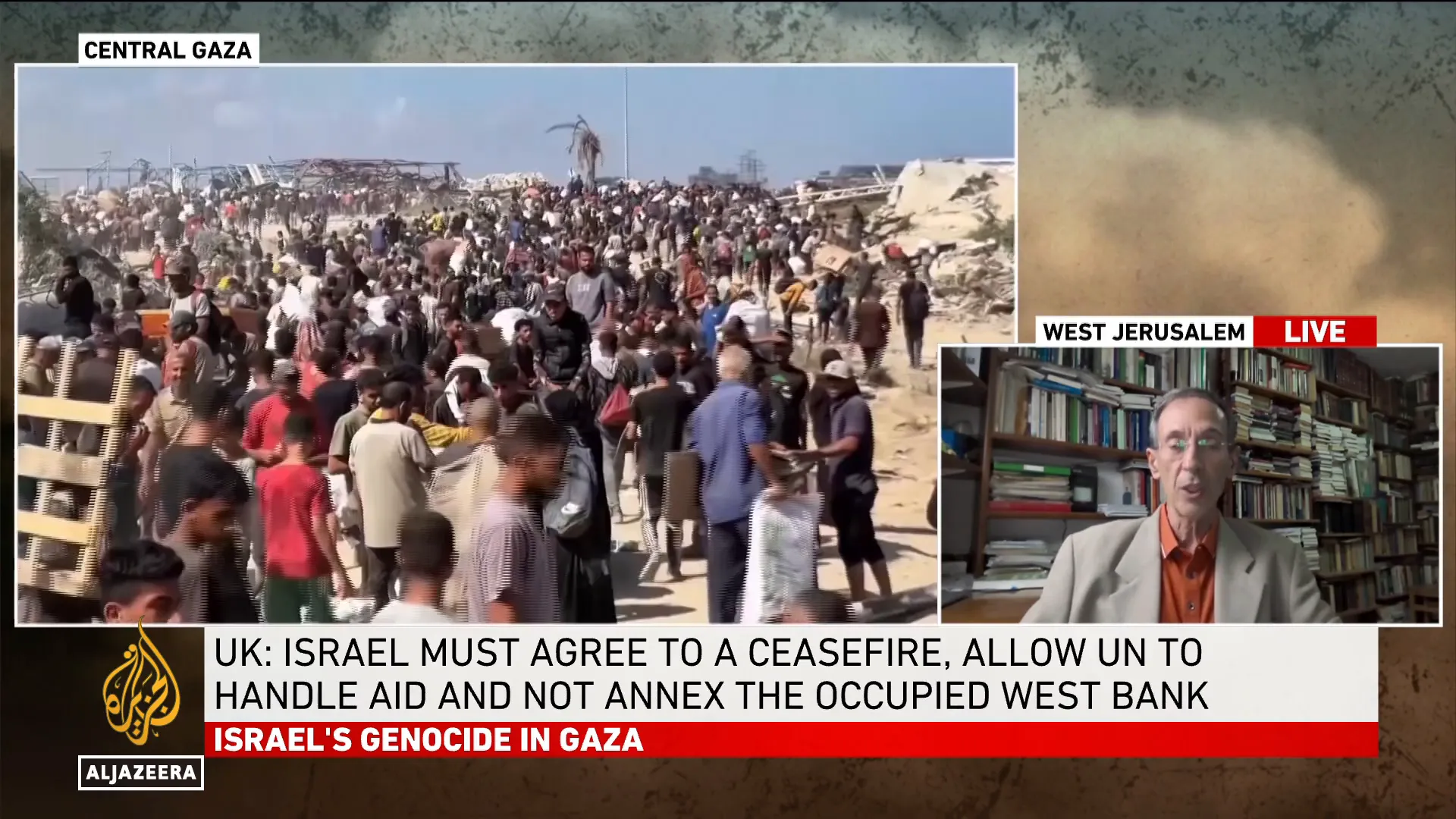
- UK leader Keir Starmer supports recognition but offers Israel concessions if it agrees to ceasefire, humanitarian aid distribution by the UN, and halts annexation of the West Bank.
- Canada signals recognition but insists Hamas must have no role in future elections, and calls for the release of all Israeli captives.
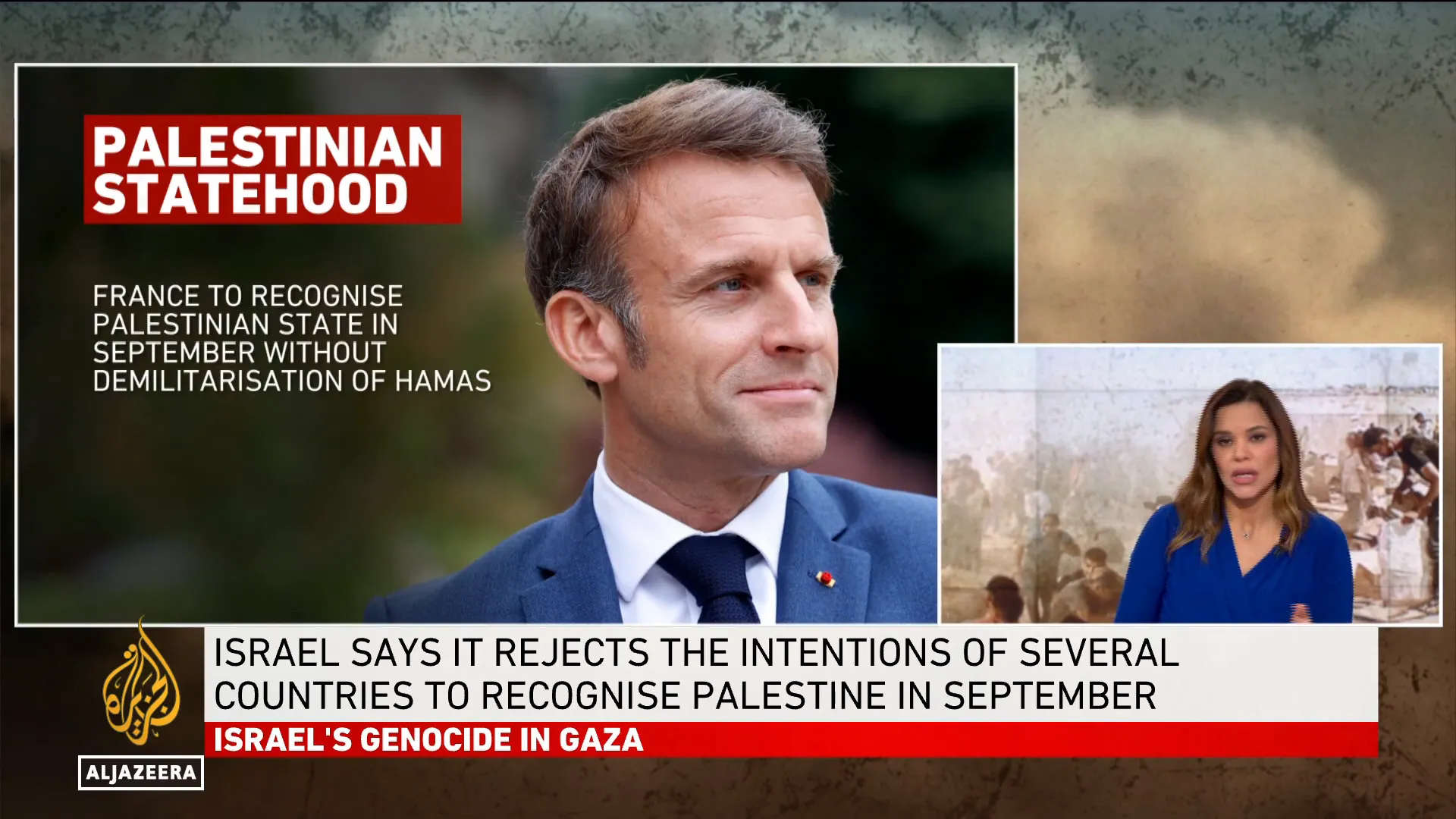
Klein explains that these conditions reflect a lack of coordination among Western countries, which Israel can exploit to its advantage by playing one off against another. He notes that some governments feel compelled to appease Israel, while others remain unaware of recent developments in the Arab League's peace initiatives, such as Egypt’s plan that includes Hamas agreeing to disarm under certain conditions and step back from governing Gaza immediately after the conflict.
"There is a scenario to go ahead, what to do the day after... that can isolate Israel," Klein says. "The key question is whether Western countries can coordinate their plan and how far they are ready to put pressure on Israel."
Moral Support vs. Concrete Action
While recognition of Palestinian statehood provides essential moral backing for the Palestinian struggle and highlights the suffering of civilians in Gaza facing war crimes and starvation, Klein questions its practical impact:
"Without acts on the ground, it is just what they call in Arabic, kalamfadi, empty words."
He suggests that recognition should be accompanied by concrete measures such as:
- Sending supplies and food to Gaza via Western forces, potentially by sea, to bypass Israeli restrictions.
- Insisting on recognition of Palestine within the 1967 borders, including East Jerusalem, which Israel has illegally annexed.
Such actions would move beyond symbolic gestures and affirm the reality of Palestinian statehood as an occupied territory rather than Israeli land.
The Role of the United States and Changing Dynamics
The United States has long positioned itself as a key broker for peace, famously hosting the Oslo Accords signing. However, the Trump administration marked a significant shift by opposing a genuine Palestinian state and proposing a plan that offered Palestinians limited autonomy rather than independence.
"The Trump administration is against the peace treaty or the establishment of a Palestinian state," Klein notes. "It was not an independent state, but a next limited autonomy."
Trump’s threats against countries like Canada—warning of trade repercussions if they recognize Palestine—highlight the US’s continued influence and the challenges Western countries face in acting decisively. Klein argues that European nations must be prepared to confront the US if they wish to effect real change on the ground, moving beyond mere sympathy to impose meaningful pressure on Israel.
Conclusion: Rethinking the Two-State Solution
Menachem Klein’s analysis makes clear that the Oslo-style two-state solution is no longer a viable framework for peace. The expansion of Israeli settlements, the fragmentation of Palestinian political authority, and shifting international dynamics demand a new vision—one that is realistic, coordinated, and backed by concrete action.
Recognition of Palestinian statehood is a positive moral step, but without clear definitions of borders, coordinated international pressure, and tangible measures to support Palestinians on the ground, it risks remaining symbolic rather than transformative.
As Klein urges, the international community, especially Western countries, must convene professional conferences to rethink the two-state solution, taking into account the lessons from Oslo’s failure and the realities on the ground. Only through such honest reassessment and unified action can there be hope for a just and lasting peace.
Frequently Asked Questions (FAQ)
Is the Oslo Accords two-state solution still viable?
According to Menachem Klein, the Oslo-style two-state solution is effectively dead due to decades of Israeli settlement expansion and political changes. A new approach is needed that reflects current realities.
What conditions do countries place on recognizing Palestinian statehood?
Conditions vary, including demands for Hamas to disarm, ceasefire agreements, humanitarian access, and political participation limits. These conditions reflect differing national interests and complicate unified international support.
What practical impact does recognizing Palestine have?
Recognition offers moral support and political legitimacy but must be accompanied by concrete actions such as humanitarian aid deliveries and clear border recognition to have real impact on the ground.
How does the US influence the peace process?
The US has historically played a central role but under the Trump administration opposed Palestinian statehood, favoring limited autonomy. This stance influences how other countries approach recognition and peace efforts.
What should Western countries do next?
They should coordinate their policies, openly define what a modern two-state solution entails, put diplomatic pressure on Israel, and be ready to challenge US opposition to effect meaningful change.


