Table of Contents
- New 90‑day operation targets violence and theft amid legal challenge
- What the operation involves
- Where and when it will run
- Why the government and police say it’s necessary
- Controversy and legal challenge
- Staffing and operational concerns
- What shoppers and families should expect
- What happens next
- Key takeaways
- Frequently asked questions
New 90‑day operation targets violence and theft amid legal challenge
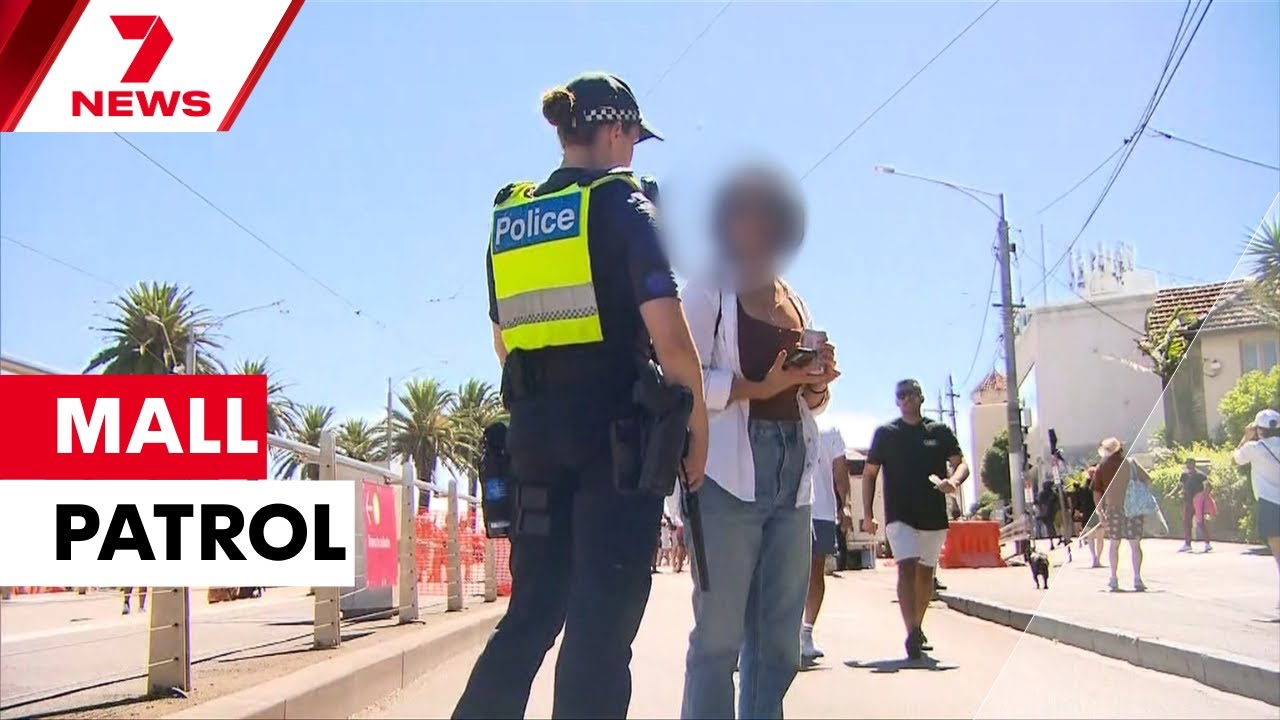
Victoria police have launched Operation Pulse, deploying extra officers and Protective Services Officers (PSOs) to four major shopping centres in a bid to curb violent incidents, machete attacks and retail theft. The 90‑day program gives officers expanded powers to conduct random searches in designated areas outside the CBD, a move that has triggered a federal court challenge from human rights lawyers.
What the operation involves
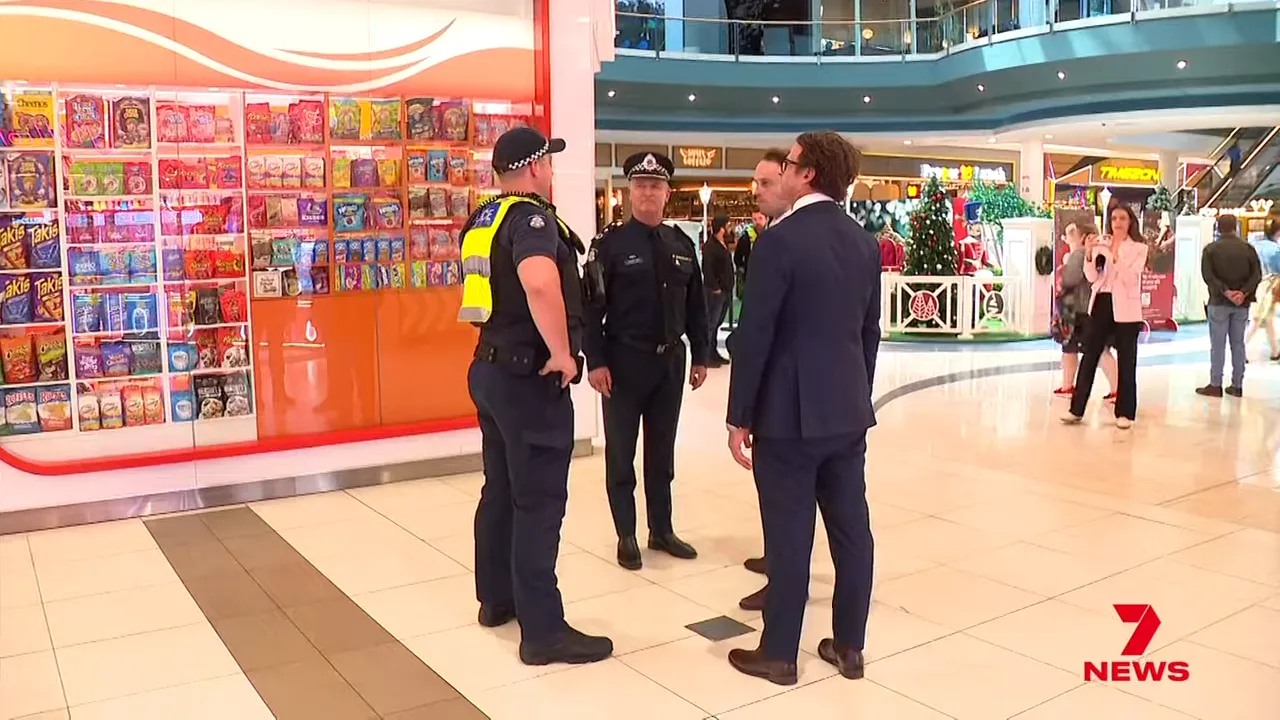
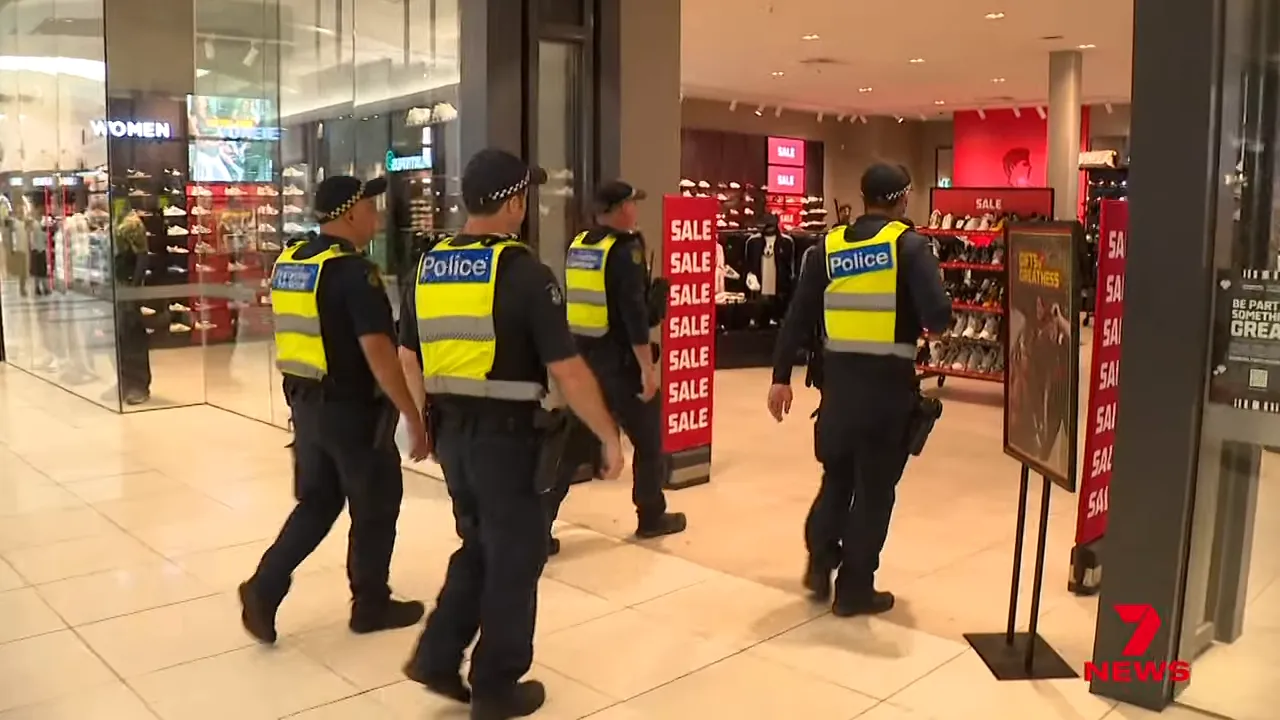
Operation Pulse places heightened police patrols at Northland, High Point, Eastland and Fountain Gate for three months. These centres will join the Melbourne CBD as designated areas, allowing officers to undertake random wand scans, pat‑down searches and, where authorised, strip searches.
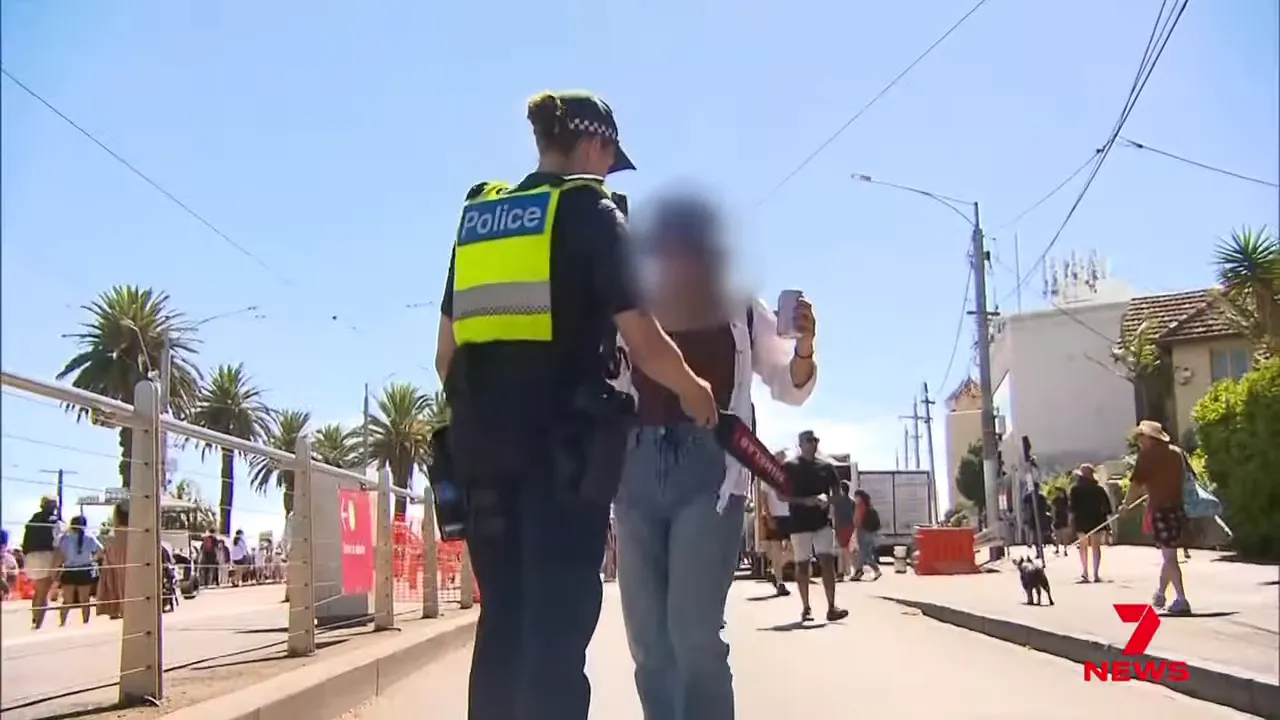
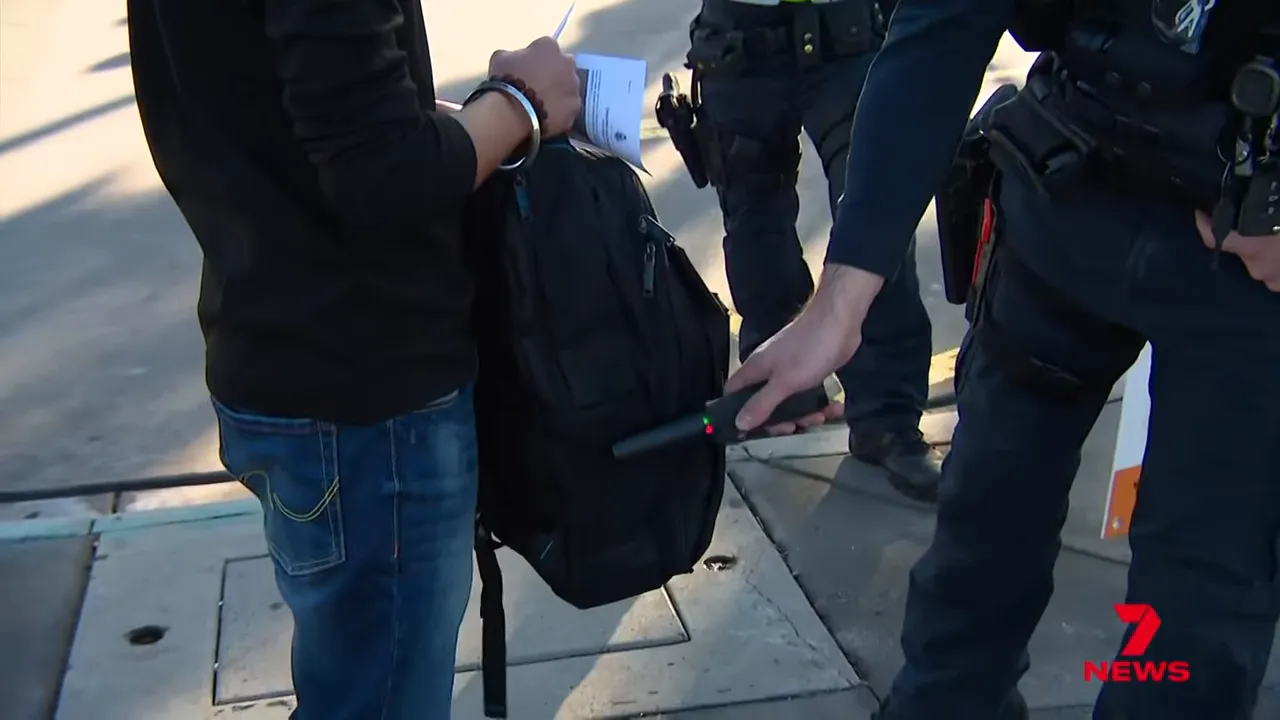
The police say the measures are intelligence‑led and focused on locations where risk is highest. Officers and PSOs will use handheld scanners — described by Victoria Police as 'wands' — for initial searches before progressing to more intrusive checks if necessary.
Where and when it will run
The operation begins immediately and will run for 90 days at the four identified suburban shopping centres. Police have emphasised the temporary nature of the program and said it will be reviewed as it progresses.
Why the government and police say it’s necessary
Police point to a recent rise in serious assaults and incidents involving weapons in and around shopping precincts. The aim, officials say, is simple: reduce opportunities for violence and make shoppers feel safer. A government grant of $2 million has been allocated to fund the initiative.
Victoria Police also state that the operation will not remove officers from other frontline duties; instead, it will be staffed by volunteers working overtime on days off, according to the briefings that accompanied the rollout.
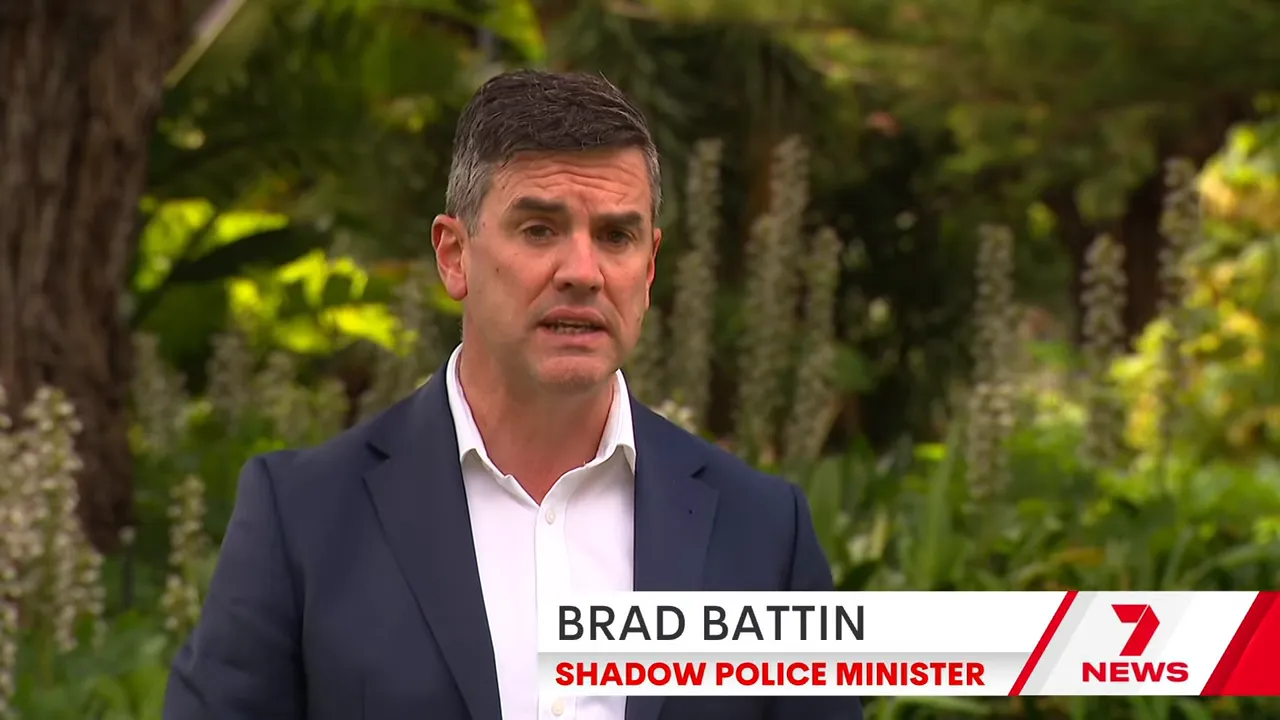
Controversy and legal challenge
Human rights advocates have reacted strongly. The Human Rights Law Centre has launched a legal challenge in the federal court, arguing the expanded search powers are unconstitutional and risk abuse. Critics warn of potential racial profiling and disproportionate targeting of marginalised groups.
"Do we want to live in a city where we can freely express ourselves without fear, or do we want to live in a city where police can racially profile anyone?"
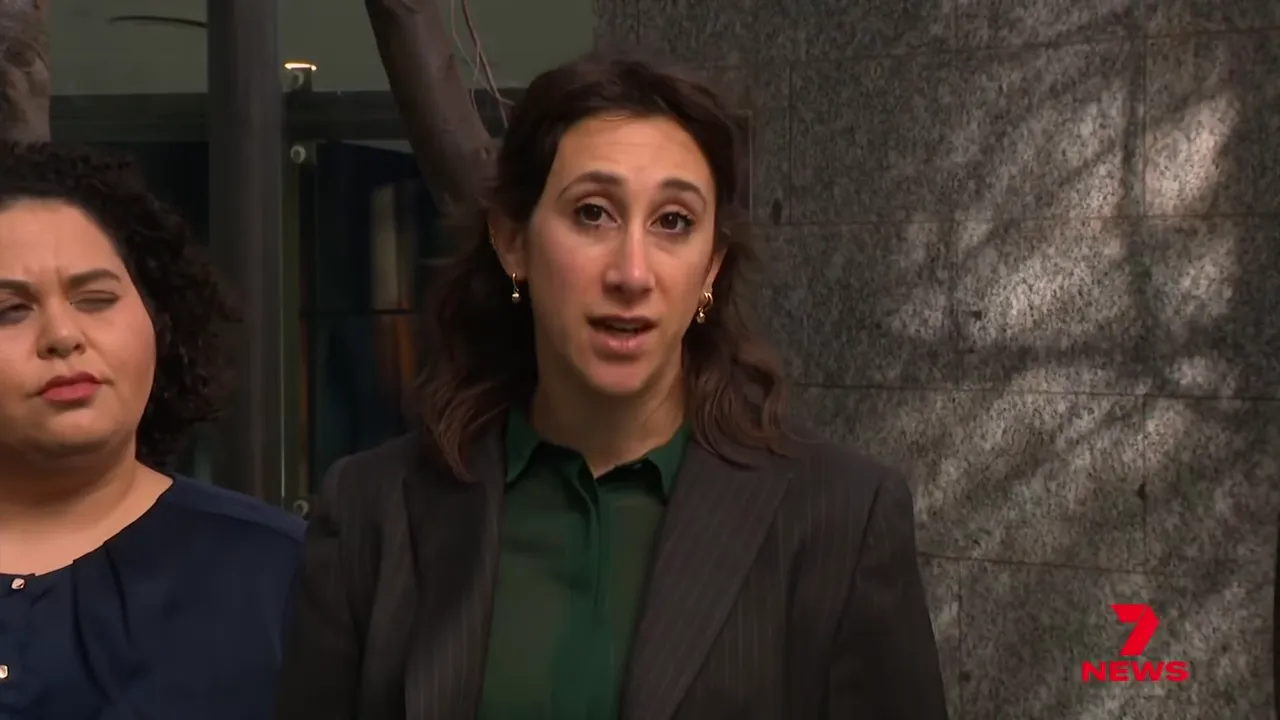
Victoria Police has responded by asserting a zero‑tolerance approach to racial profiling and stressing that officers are trained in non‑discriminatory policing practices. Nevertheless, civil liberties groups say oversight and clear limits are essential to prevent harm.
Staffing and operational concerns
The operation is funded through the government grant and staffed by officers volunteering for overtime shifts. Some union and community voices caution that relying on overtime is not sustainable and risks officer burnout if underlying staffing vacancies are not addressed.
Opponents argue the strategy treats symptoms rather than causes, calling instead for long‑term investment in community safety, youth programs and crime prevention initiatives that tackle root causes of antisocial behaviour.
What shoppers and families should expect
- Increased police and PSO presence at the four centres for 90 days.
- Random wand scans and potential pat‑down or strip searches in designated zones.
- Possible delays at entrances during active search periods.
- Heightened reporting and community outreach as police monitor the operation’s impact.
What happens next
The federal court challenge will test the legality of the additional powers. Meanwhile, Victoria Police will begin the operation and report outcomes during and after the 90‑day period. The program’s effectiveness and any unintended consequences will be closely watched by legal advocates, community groups and local politicians.
Key takeaways
- Operation Pulse is a temporary, intelligence‑led policing operation running for 90 days at four major shopping centres.
- Expanded search powers include wand scans, pat‑down and potentially strip searches in designated areas.
- The move is funded by a $2 million government grant and relies on overtime volunteers.
- Human rights groups are challenging the legality and fairness of the powers in federal court.
- The balance between community safety and civil liberties is central to the public debate.
Frequently asked questions
Which shopping centres are included in the operation?
Northland, High Point, Eastland and Fountain Gate have been designated for the 90‑day Operation Pulse alongside the Melbourne CBD.
What search powers will police use?
Officers will use wands for initial searches, may conduct pat‑down searches and, if authorised and required, strip searches within designated areas.
Why are human rights groups opposing the plan?
They argue the expanded powers risk constitutional issues, potential abuse and racial profiling, and they have launched a federal court challenge to test the legality of the measures.
How is the operation funded and staffed?
A $2 million government grant funds the program, which is staffed by officers and PSOs who volunteer for overtime shifts rather than being redeployed from other duties.
How long will the operation run and who will evaluate it?
The operation runs for 90 days. Victoria Police will monitor and report on outcomes, while the federal court will also consider the legal challenge brought by human rights lawyers.
The information in this article has been adapted from mainstream news sources and video reports published on official channels. Watch the full video here Victoria police hit the beat with new powers that human rights lawyers say are illegal | 7NEWS


