Table of Contents
- A defiant address—and a tight timeline for the next phase
- What the White House says it wants—and what Iran disputes
- “More active on the battlefield”: the push for rapid pressure
- The Strait of Hormuz challenge: everyone pays if shipping gets disrupted
- Why the oil message matters for Australia, Europe, and Gulf producers
- What happens next: negotiation space, midterm politics, and approval pressure
- Key takeaways
- Embedded video
- FAQ
A defiant address—and a tight timeline for the next phase
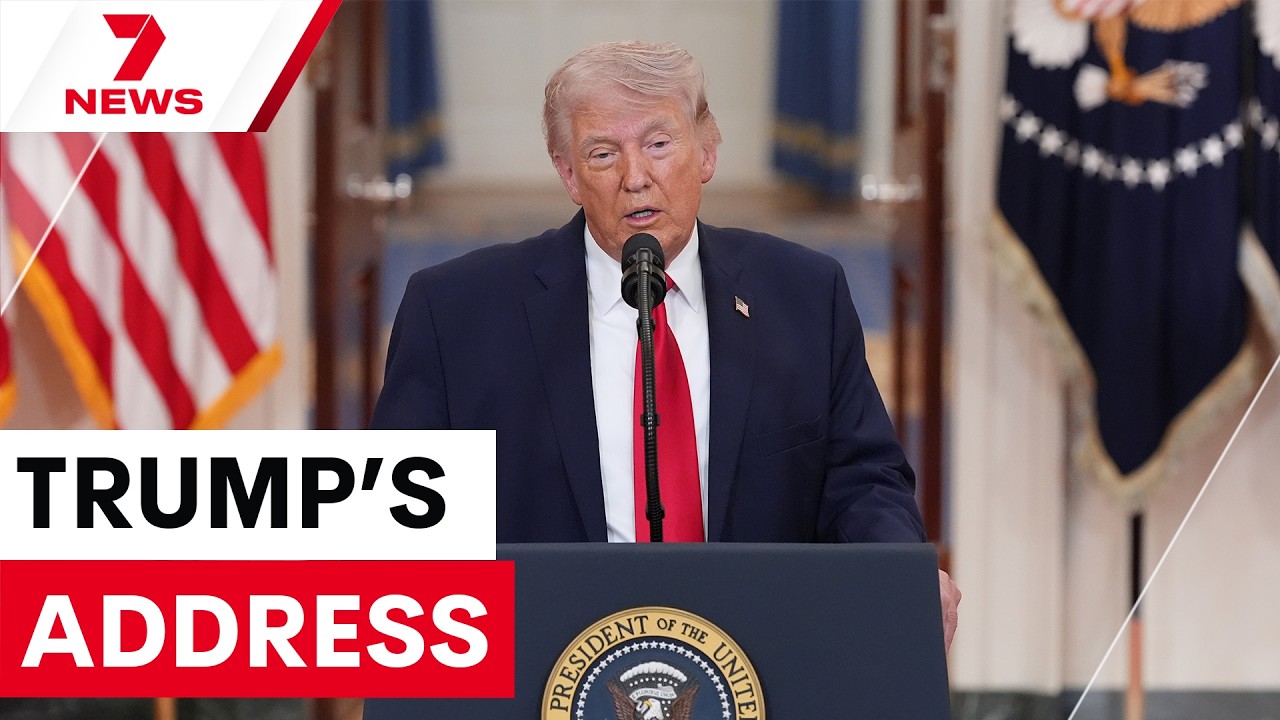
Operation Epic Fury is the phrase now shaping global attention after Donald Trump delivered a defiant message to the world: the next steps are underway, and the clock is running. In commentary following the address, Seven News framed it as less “a polished message” and more a rally-style call to action—one that suggests confrontation will intensify rather than ease.
The key point across the analysis was the emphasis on a narrow window—two to three weeks—during which the administration believes it can achieve core strategic objectives. Even the way the timeline was discussed felt uncertain, with no clear “hard stop” date, but with April 15 and April 22 floating as rough reference points.
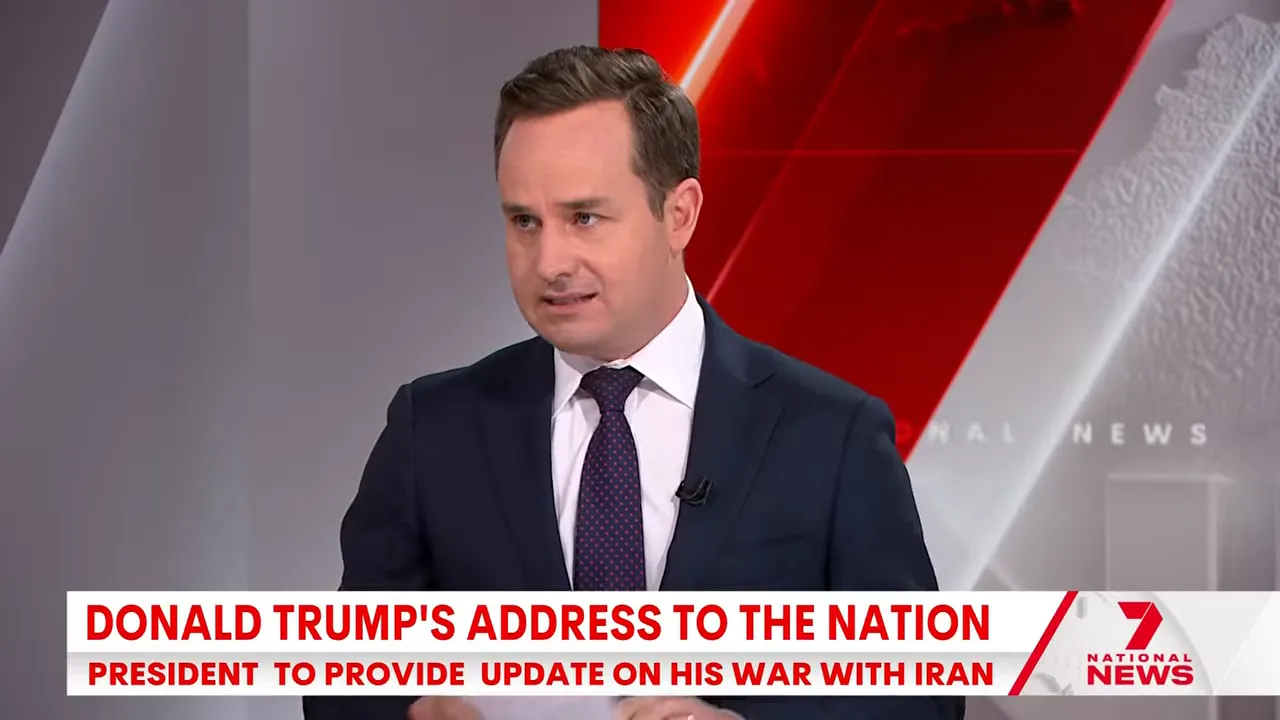
That timing matters because it points to a period where decisions made—or not made—could quickly reshape shipping routes, energy markets, and diplomatic options.
What the White House says it wants—and what Iran disputes
In the lead-up to the speech, the White House briefed what it described as strategic objectives. Those included weakening Iran’s missile capability, severing links between Tehran and regional proxy groups, and preventing Iran from acquiring nuclear weapons.
But a major tension sits at the heart of the message: Trump had previously claimed Iran’s nuclear capabilities were “obliterated”. The analysis raised the question of whether that claim holds up—given that, in this current account, Iran is still attempting to attack and still has nuclear facilities relevant to potential weapons development.
At the same time, Iran rejected the idea that negotiations are underway. The Iranian Foreign Ministry said there were no talks, and it described Trump’s portrayal of a ceasefire call as false and baseless.
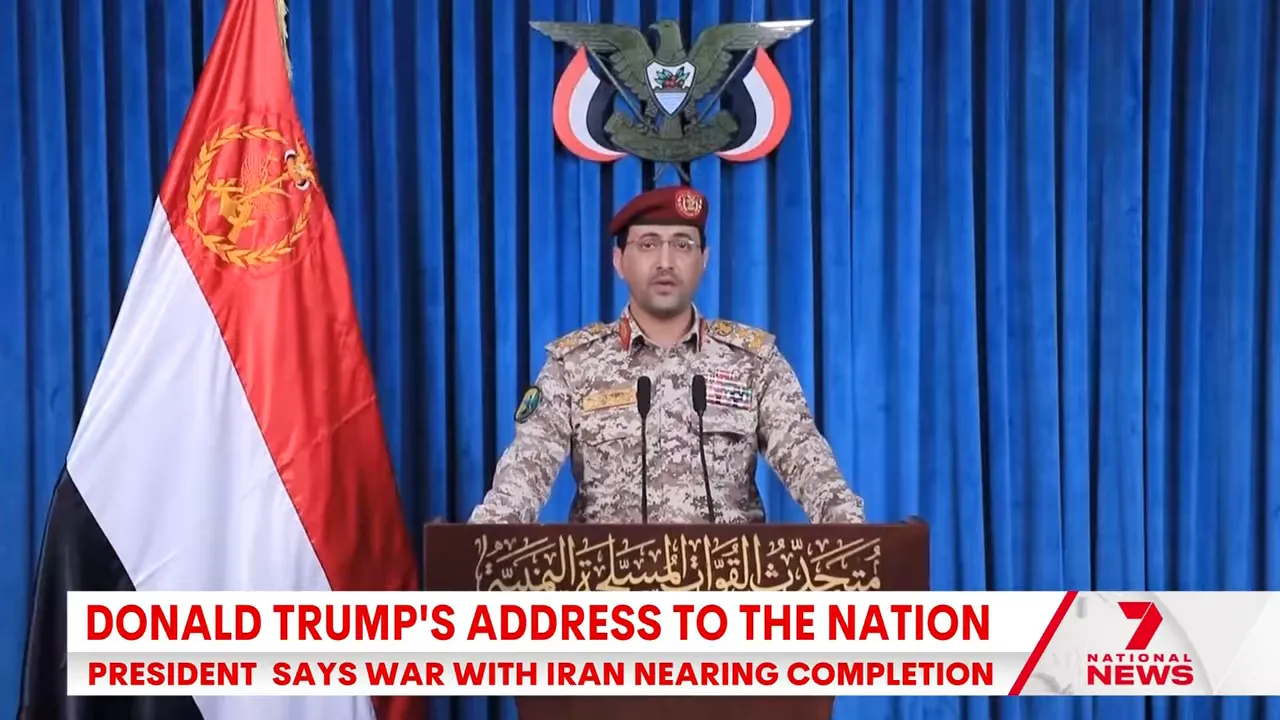
So even before any battlefield developments, the rhetoric alone creates a high-stakes information gap: the White House appears to be talking in a direction that Iran says does not exist.
“More active on the battlefield”: the push for rapid pressure
Another central thread was the expectation of heightened activity on the ground and at sea. Trump’s framing suggested a push to hit Iran very hard over the next two to three weeks—at a pace described as moving “back to the Stone Ages”.
The analysis linked that to the movement of US troops, particularly Marines, arriving in the Middle East over the preceding fortnight. If that posture persists, it increases the likelihood of escalation risks—especially around critical maritime chokepoints.
The Strait of Hormuz, in particular, sits in focus. The commentary highlighted the possibility that troops could be used not just to “secure” the strait, but also—more controversially—to help secure nuclear facilities and nuclear material such as uranium.
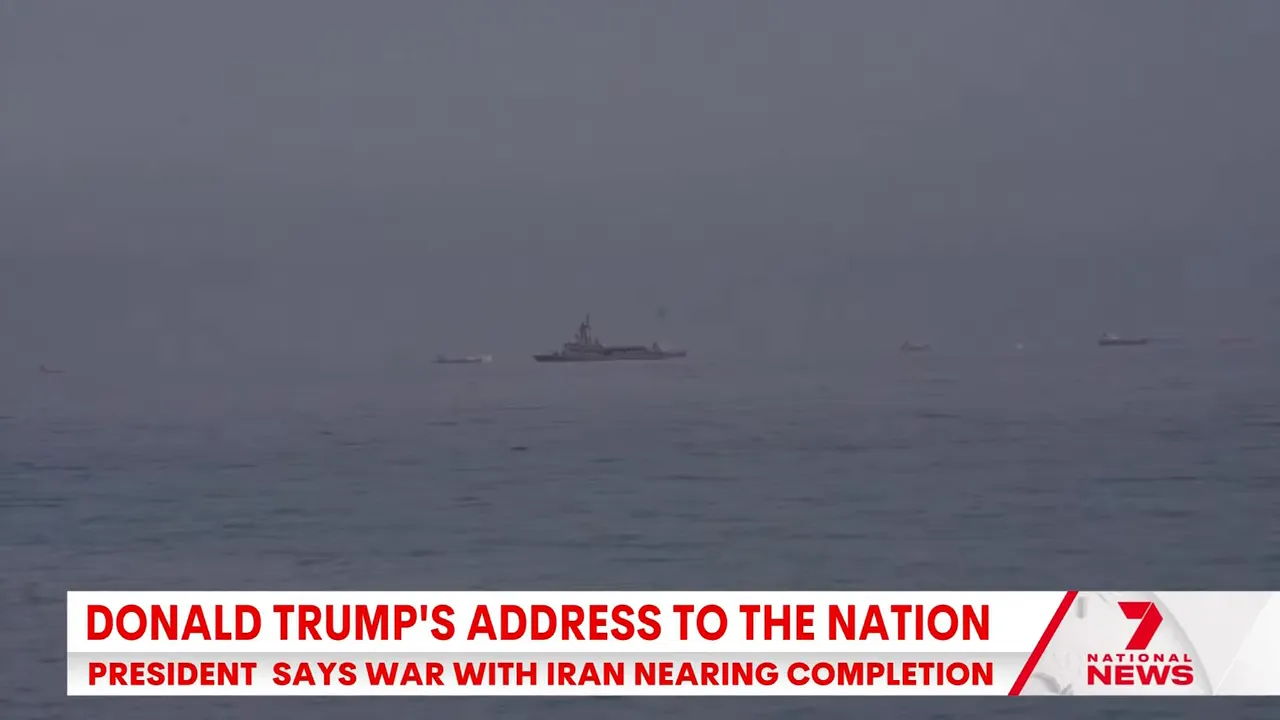
That expands the mission from deterrence into direct operational goals, which is exactly the sort of shift that tends to narrow diplomacy’s room to manoeuvre.
The Strait of Hormuz challenge: everyone pays if shipping gets disrupted
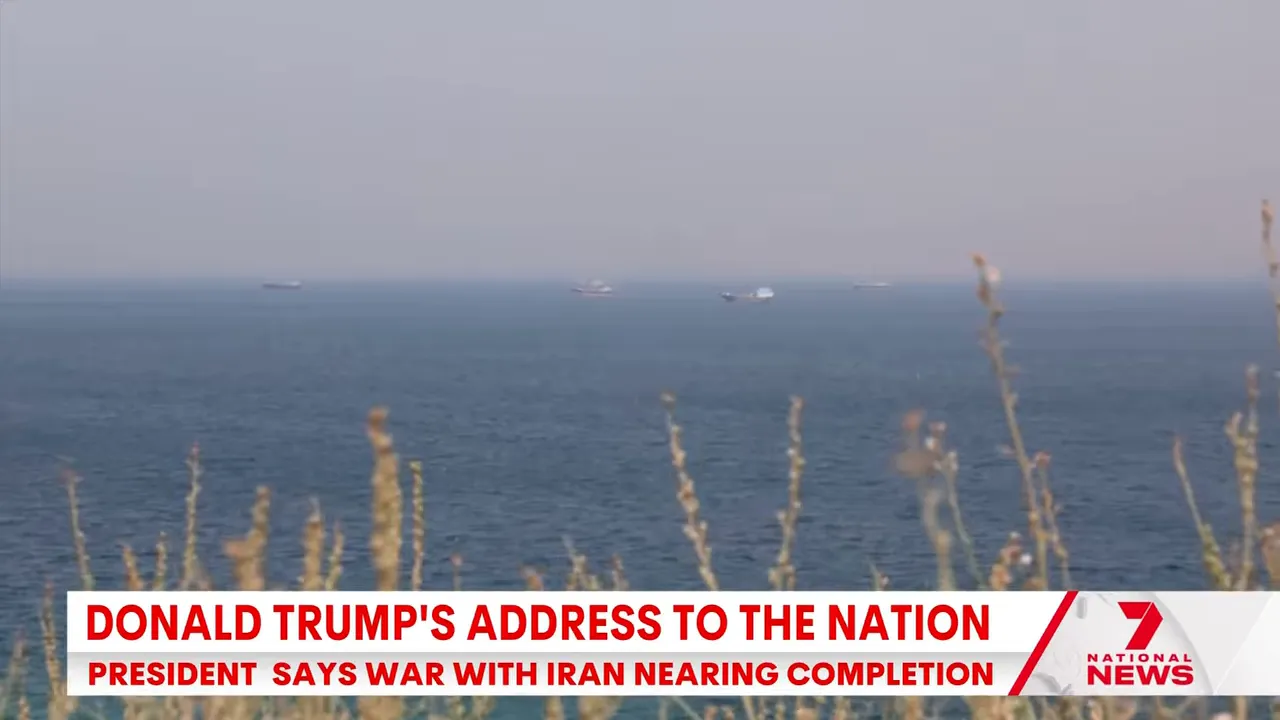
Even while Trump suggested the security burden shouldn’t fall on the US, the analysis argued that the world will still feel the consequences. The Strait of Hormuz is too important to global commerce for any single country’s approach to remain purely bilateral.
Instead, the speech was read as effectively telling all parties: if you want access, you will have to find a compliant route—one that favours US supply. That interpretation is where the policy message begins to carry wider economic implications.
Iran’s potential leverage through shipping fees was also raised. The analysis claimed Iran was charging around US$2 million per ship for certain “friendly” passages, meaning increased pressure could be met with increased revenue—at least in the short term.
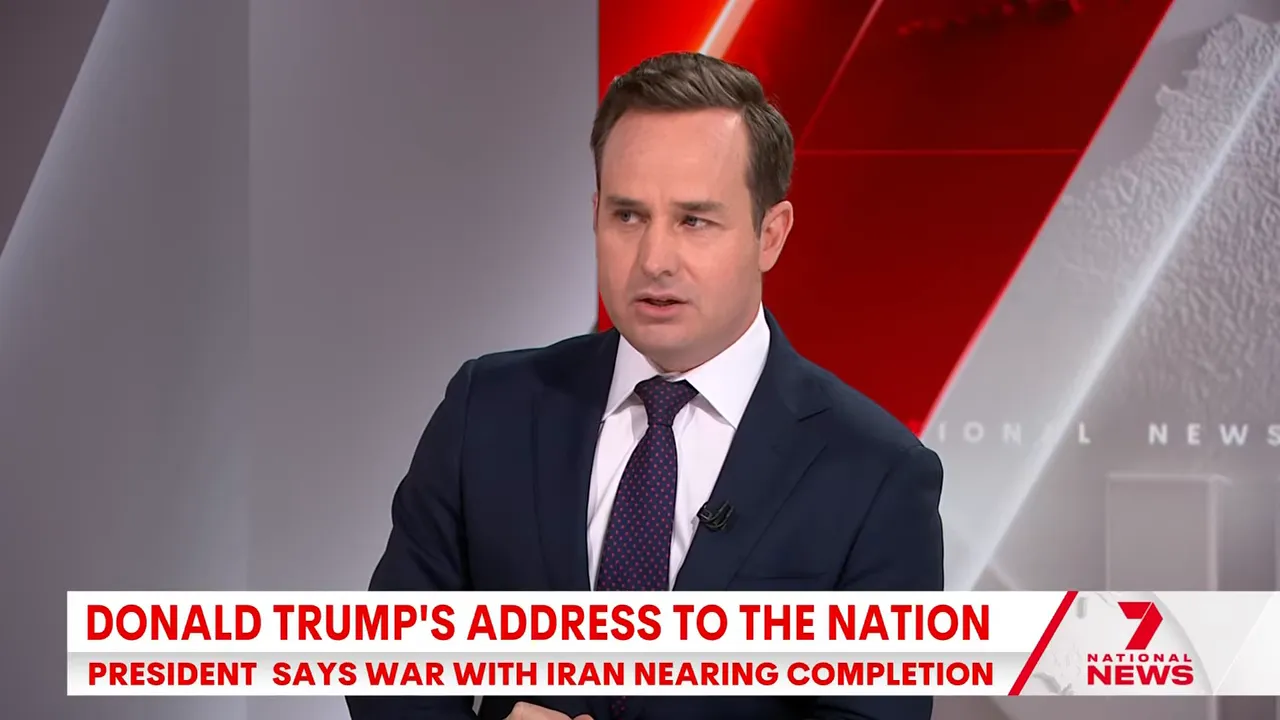
In that scenario, escalation does not only threaten stability; it can also generate funds that keep pressure tactics viable.
Why the oil message matters for Australia, Europe, and Gulf producers
Trump’s address did not focus only on military objectives—it also attempted to reshape energy purchasing behaviour. The speech included a call for the rest of the world to buy oil from the United States, despite Saudi Arabia remaining the world’s largest oil producer and the Gulf region hosting much of the supply infrastructure.
That matters for countries like Australia and for European importers because energy supply chains are not easily rerouted overnight. The analysis pointed out that Gulf states have already borne the brunt of retaliation, including damage to oil facilities mentioned in relation to the UAE, along with other regional impacts.
For Gulf producers, the immediate question becomes whether alternative customers will compensate for disruptions—and whether US-backed demand can offset lost market access. For everyone else, the question becomes price and security of supply.
In the background, a European-led push to find a “path” was flagged, including a summit in London involving the UK and France, with participation from multiple countries including Australia’s Foreign Minister Penny Wong.
What happens next: negotiation space, midterm politics, and approval pressure
Beyond the conflict itself, the speech also reflects the political pressures facing the US President. Commentators noted that Trump is trying to sell the war to American voters as the midterms approach, framing the conflict as part of broader national strength.
The analysis highlighted “concerning” elements in the repeated message that America is winning—winning “bigger than ever before”—alongside the absence of any clear sign of negotiation. Iran’s insistence that talks aren’t happening reinforces the sense that diplomatic off-ramps may be shrinking.
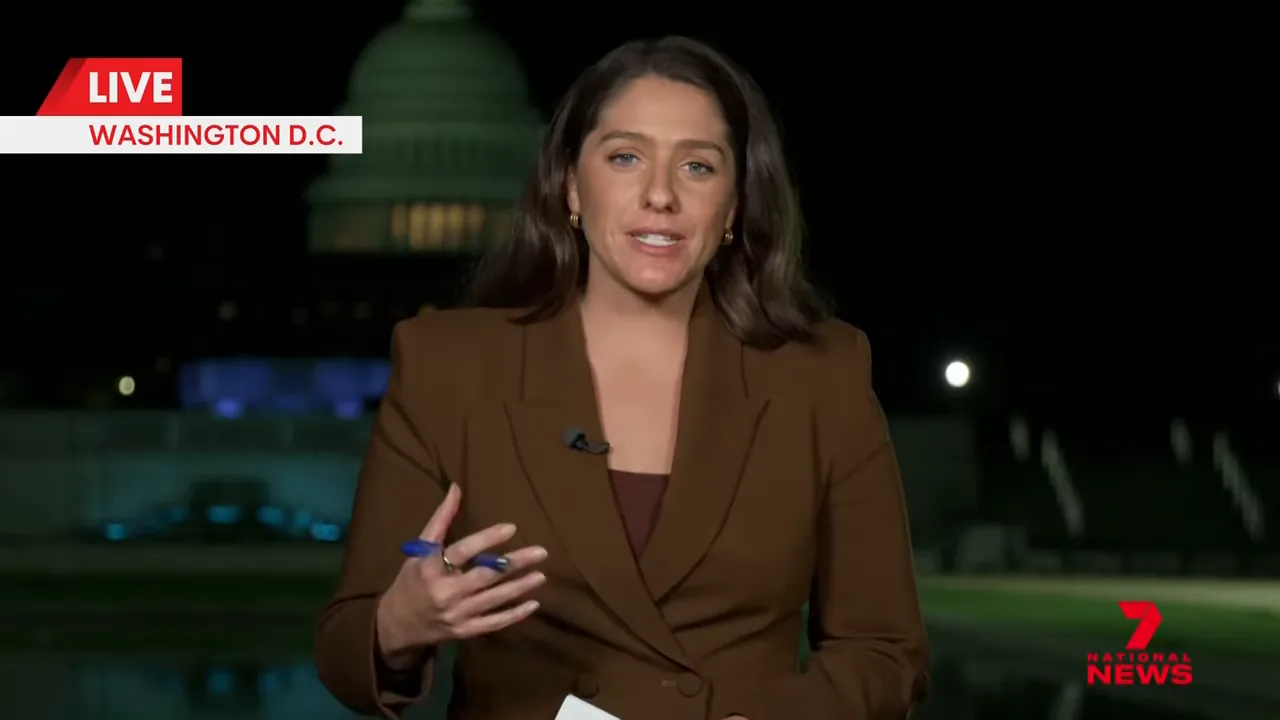
At the same time, the administration’s ability to maintain momentum depends on whether the proposed timeframe holds. With no “hard out” publicly defined, the next weeks could be decisive in either forcing negotiations through pressure—or locking in a longer, more destabilising cycle.
Key takeaways
- Operation Epic Fury is framed as entering a critical two-to-three-week phase aimed at strategic objectives.
- The White House’s stated goals include weakening missile capability, disrupting proxy support, and preventing nuclear acquisition.
- Iran rejects the existence of negotiations and challenges claims about a ceasefire.
- The Strait of Hormuz remains a central risk point because shipping disruptions affect global trade.
- Energy messaging—especially calls to buy US oil—could create economic strain for Europe, Australia, and Gulf suppliers.
- European diplomacy is attempting to maintain a route forward, including talks in London with multiple countries involved.
Embedded video
FAQ
What is Operation Epic Fury?
It refers to the US-led conflict posture described in recent commentary around Trump’s address, with emphasis on rapid action over the next two to three weeks.
Why is the Strait of Hormuz so significant?
It is a critical shipping chokepoint for global energy trade. Any disruption affects oil and gas flows, influencing prices and supply stability worldwide.
Did Trump claim Iran’s nuclear capabilities were “obliterated” before?
Yes. The analysis pointed out that Trump previously said Iran’s nuclear capabilities had been obliterated, while the current messaging implies nuclear-related facilities may still be relevant to the threat.
Is Iran open to negotiations?
Iran’s position, as referenced in the analysis, is that no negotiations are taking place and that ceasefire-related claims are false.
How does Trump’s “buy US oil” message affect other countries?
It can be difficult for countries to adjust quickly due to existing supply chains, production geography, and infrastructure. It also increases pressure on Gulf producers already dealing with retaliation impacts.
What is the European response?
The analysis described a Europe-led summit approach, including talks in London led by the UK and France, with Australia’s foreign minister among the participants.
The information in this article has been adapted from mainstream news sources and video reports published on official channels. Watch the full video here “We are going to finish the job": Trump addresses US on Operation Epic Fury | 7NEWS


