Iran Supreme Leader Killed: US‑Israel Airstrike Hits Tehran
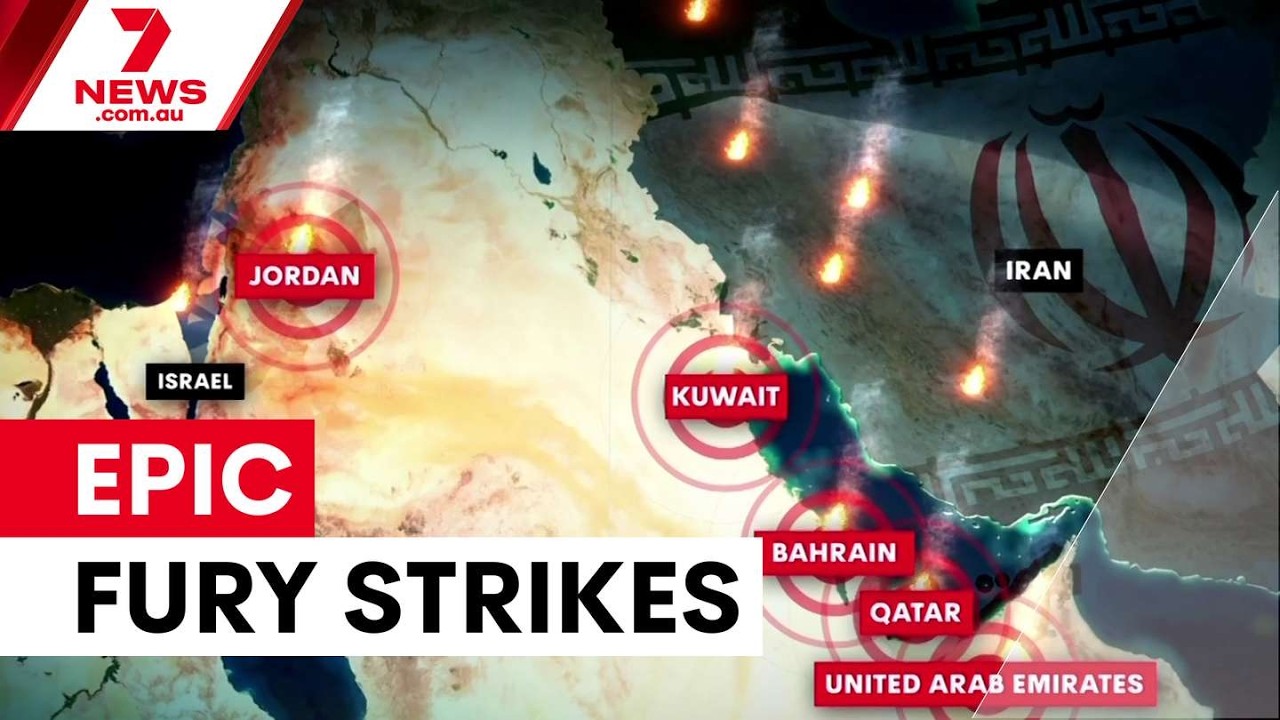
Table of Contents
- Breaking: Operation Epic Fury flattens key targets as the Middle East faces rapid escalation
- Key takeaways
- FAQs
Breaking: Operation Epic Fury flattens key targets as the Middle East faces rapid escalation
Iran Supreme Leader Killed — a joint US‑Israel daytime air campaign, codenamed Operation Epic Fury, struck multiple targets across Iran and announced the death of Supreme Leader Ayatollah Ali Hamane. The strikes triggered an immediate and wide‑ranging Iranian retaliation, closing regional airspace and plunging international aviation into chaos.
The operation combined cruise missiles launched from sea and stealth fighter sorties, hitting military bases, parliamentary buildings, an atomic agency and the supreme leader’s compound. Over 900 sorties were reported and a number of high‑ranking commanders were killed in targeted strikes.
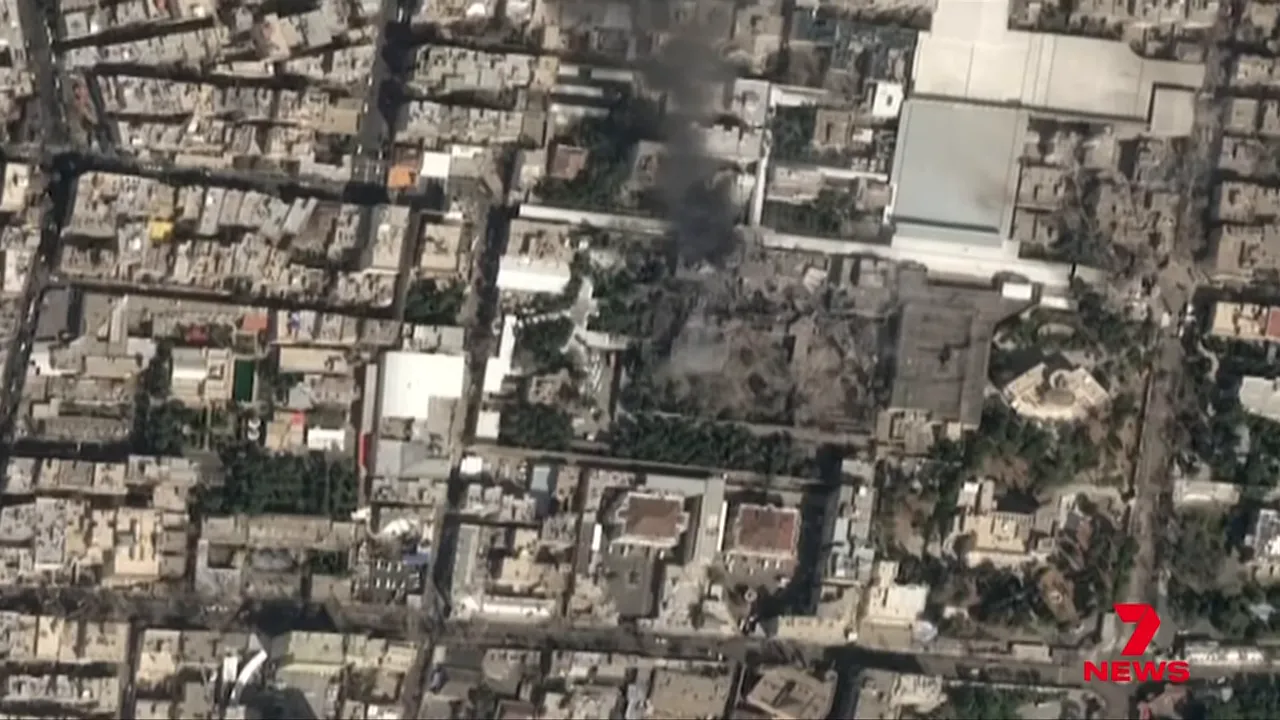
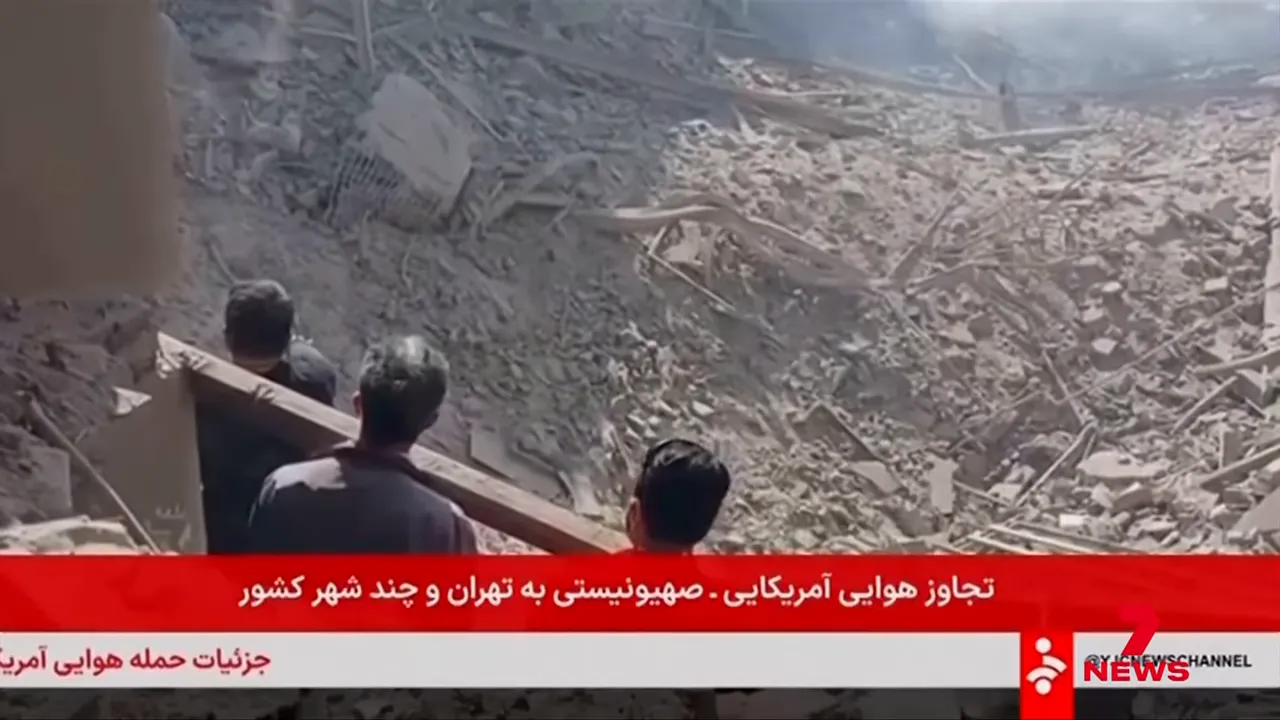
State media later confirmed the death of 86‑year‑old Ayatollah Ali Hamane. The US administration described the strike as a precision decapitation using advanced tracking technology, while footage and on‑the‑ground reporting showed Iranians reacting with shock and, in some places, scenes of celebration.
Where the conflict spread and how it unfolded
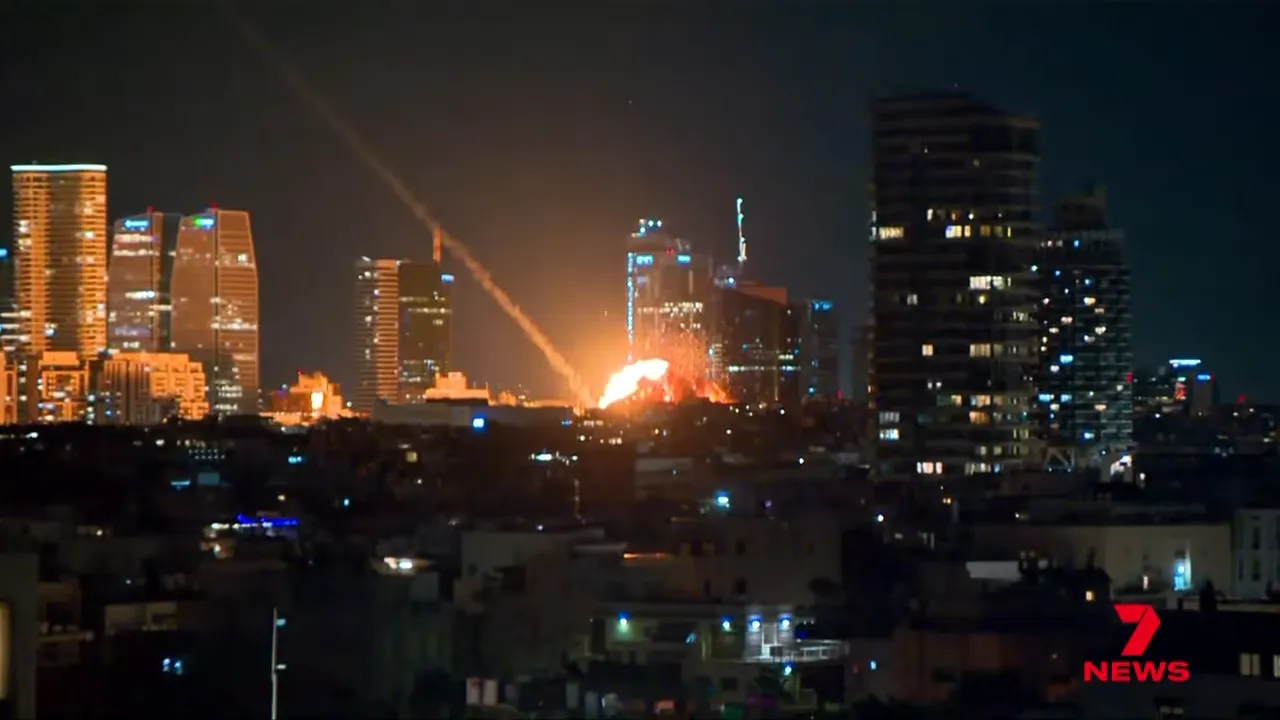
The assault and the subsequent Iranian response did not remain confined to Iran. Within hours, ballistic missiles, rockets and armed drones were launched across the region — striking sites in Israel, the United Arab Emirates, Qatar, Kuwait, Bahrain and Jordan. More than 200 ballistic missiles were launched in the initial exchanges; many were intercepted, but several reached urban areas.
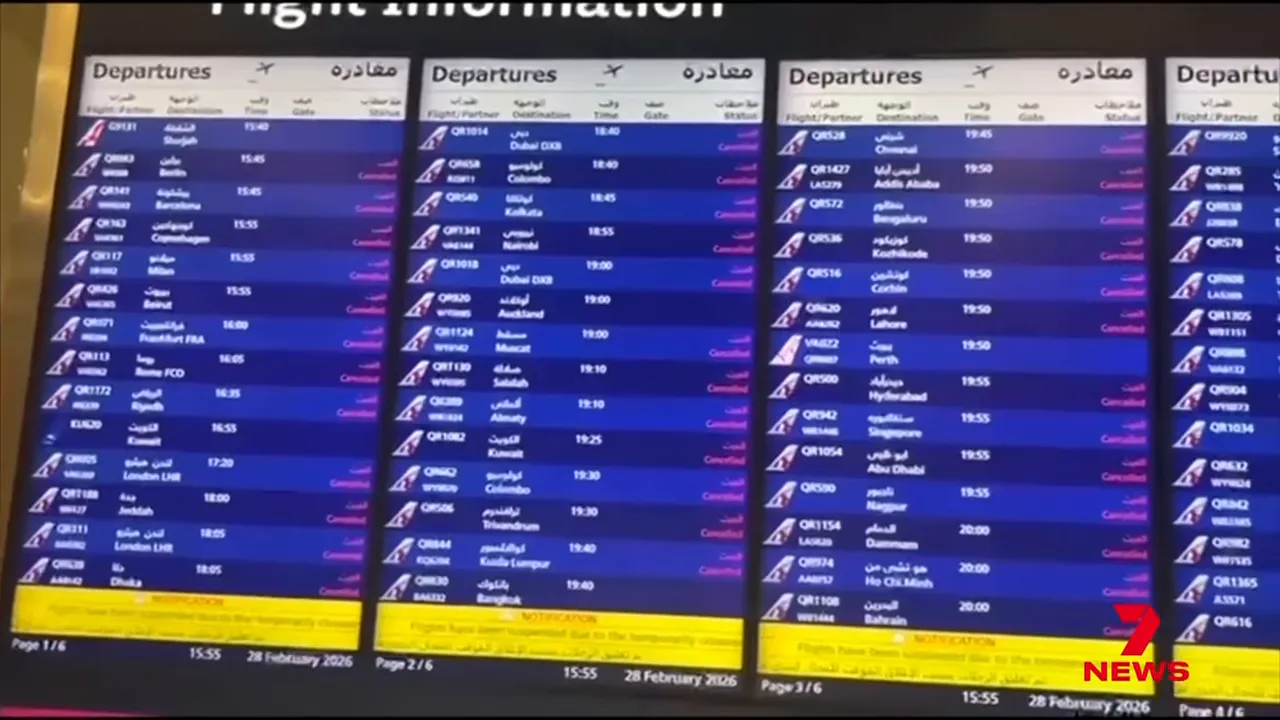
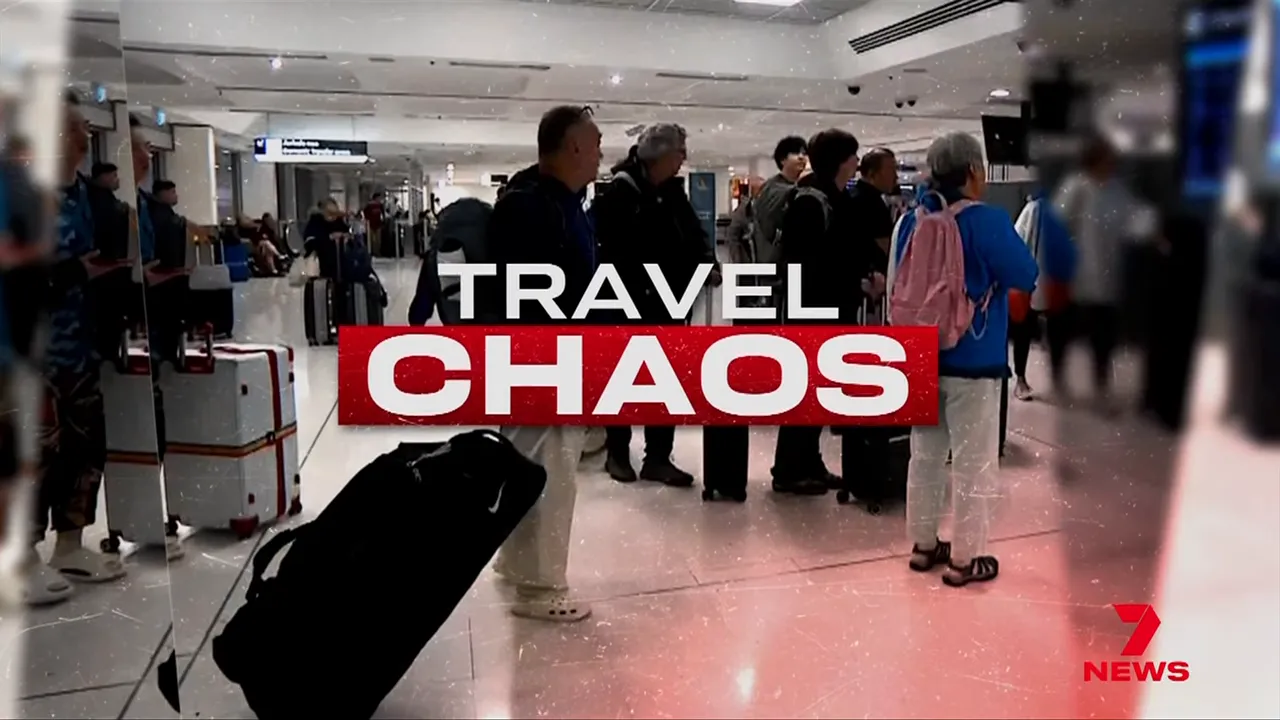
Major aviation hubs were forced to shut down. Dubai and Doha airports saw evacuations and flight cancellations, leaving thousands of transit passengers stranded and prompting some aircraft to divert mid‑flight. The sudden closure of the busiest air corridor in the world added hours and uncertainty to international routes.
Human cost and civil response
Casualties were reported on both sides. Among the hardest‑hit were civilians: a primary school was struck in one of the first waves of attacks, with reports suggesting many children were killed. In Tel Aviv a missile that slipped past defences killed a woman who could not leave her apartment in time. Cities across the region activated air‑raid sirens and citizens moved repeatedly to underground shelters.

Public reaction was polarised. In Tehran and some diaspora communities there were scenes of jubilation at the prospect of the regime’s collapse, while international forums and protest movements expressed deep concern about escalation and civilian harm. Demonstrations and vigils occurred from London to Sydney, reflecting both relief and fear among Iranians and their communities abroad.
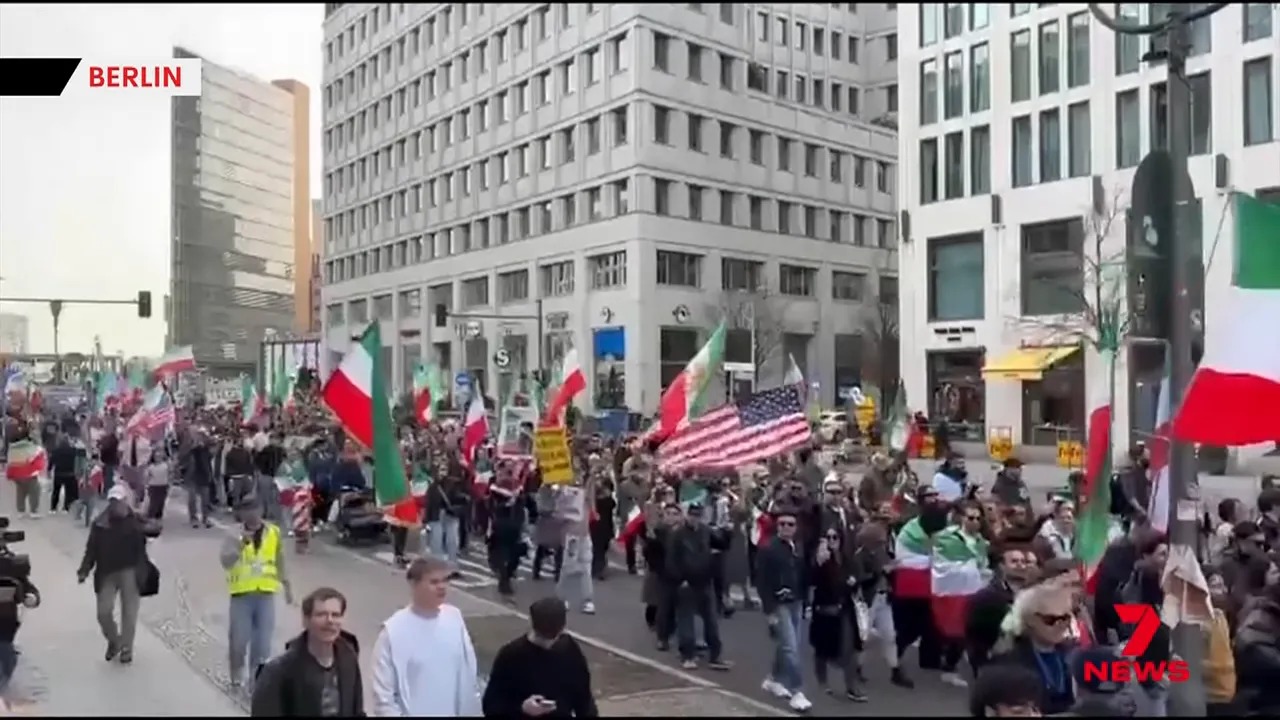
“Hamane, one of the most evil people in history, is dead,”
This line from the US executive underscored the political framing of the operation and the stated objective to halt Iran’s nuclear ambitions and regional proxy activities.
Political and legal fallout
The strikes prompted immediate debate in Washington and capitals worldwide about authorisation and international law. Senior US officials argued the pre‑emptive action was necessary to limit American casualties and remove an imminent threat. Opponents countered that the attack bypassed congressional approval, prompting planned votes to limit presidential war powers.
Allied governments responded cautiously. Some backed the aim of preventing nuclear proliferation, while others urged restraint and called for an immediate end to hostilities. Australia’s government urged Australians in the region to leave if they could and affirmed it was not militarily involved while supporting non‑proliferation goals.
Economic and strategic implications
Supply chains and energy markets felt a near‑instant impact. The Strait of Hormuz — a vital chokepoint through which roughly 20 per cent of global seaborne oil passes — became a flashpoint, with shipping slowed and warnings issued against transit. Analysts warned of a potential petrol price surge and a risk of a major oil shock if maritime passage were severely disrupted.
Beyond fuel, the closure of major hubs and rerouting of flights produced widespread travel disruption, stranded thousands and created short‑term pressures on hospitality and ground transport in transit cities.
Who was Ayatollah Ali Hamane and what now?
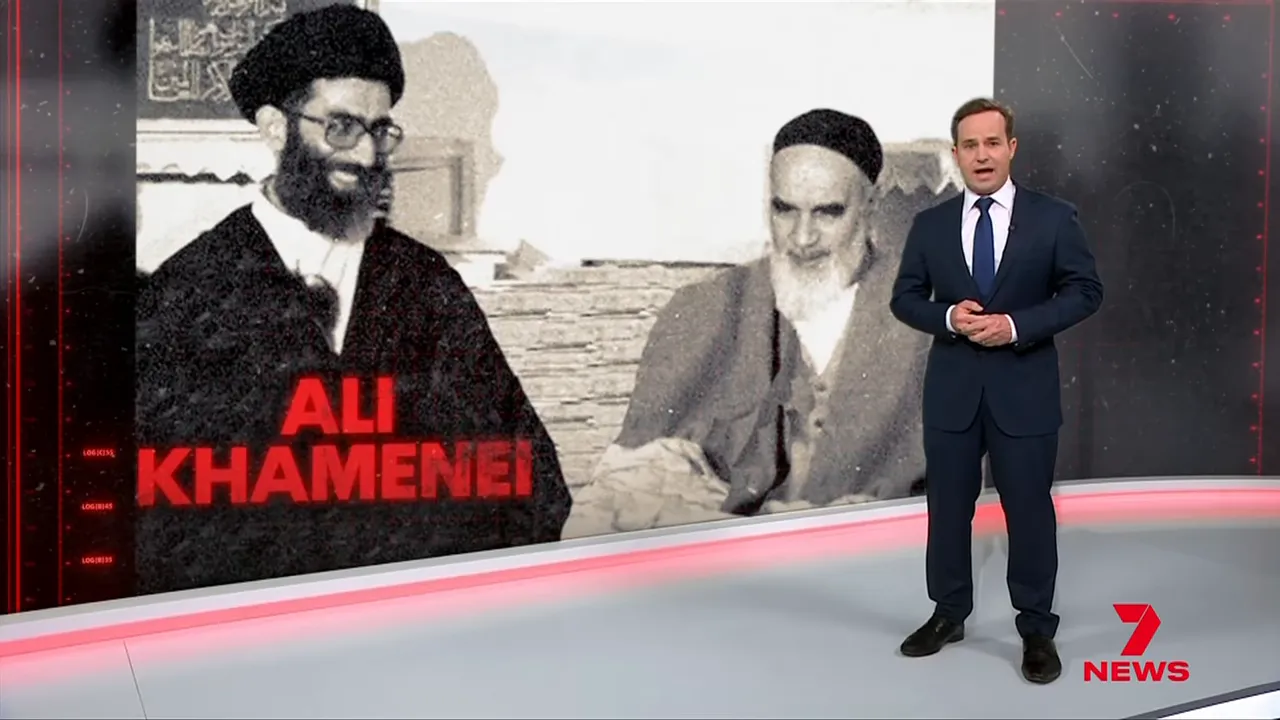
Hamane rose to supreme leadership after the 1979 revolution and the death of Ayatollah Khomeini, consolidating power through the Revolutionary Guard and cultivating regional influence via proxies such as Hezbollah, Hamas and various militias across Iraq, Syria and Yemen. His rule was marked by a brutal crackdown on dissent and a contentious nuclear programme.
Succession plans in Tehran were reportedly secretive. With many senior figures also targeted, questions remain about which faction will assert control, how stable the regime will be, and whether Iran’s remaining leadership can coordinate further retaliation or a negotiated de‑escalation.
What this means for Australians
Australia warned citizens in the region to leave if possible and provided emergency assistance to those stranded by cancelled flights. The government expressed support for preventing Iran obtaining nuclear weapons while urging de‑escalation and diplomacy to avoid a wider conflict.
On the domestic front, communities with ties to Iran experienced a mixture of relief and anxiety — relief at the prospect of regime change and fear for relatives and friends back home amid continuing strikes and internet blackouts.
Key takeaways
- Operation Epic Fury was a coordinated US‑Israeli daylight campaign that reported the death of Iran’s supreme leader.
- Iran launched a multi‑front retaliation: six countries were affected and regional airspace was closed.
- Civilian casualties and strikes on urban infrastructure have raised urgent humanitarian concerns.
- Global aviation and oil markets experienced immediate disruption, with potential for broader economic impact.
- Political and legal debates have begun over authorisation, international law and the path toward de‑escalation or further conflict.
FAQs
What exactly happened during the strikes?
The US and Israel launched a daytime operation using cruise missiles and stealth aircraft to hit military, nuclear and leadership targets inside Iran. State media later announced the death of Supreme Leader Ayatollah Ali Hamane. Iran responded with ballistic missiles, rockets and drones across the region.
Which countries were affected by the retaliation?
Iran’s counter‑strikes reached Israel, the UAE (including Dubai), Qatar, Kuwait, Bahrain and Jordan. Many missiles were intercepted but some caused damage and casualties in urban areas.
Is Australia involved militarily?
No. The Australian government confirmed it was not militarily involved in the operation. Canberra has urged Australians in the region who can leave to do so and has offered consular assistance to those affected by travel disruptions.
How has global aviation been impacted?
Major Middle Eastern hubs like Dubai and Doha closed their airspace temporarily, causing widespread flight cancellations and diversions. Tens of thousands of transit passengers were stranded and some flights were turned back mid‑air.
What comes next — further escalation or diplomacy?
Both remain possible. The immediate future depends on Iran’s leadership response, international diplomatic pressure, and whether back‑channel talks or third‑party mediation can be established to prevent wider regional conflict.
The information in this article has been adapted from mainstream news sources and video reports published on official channels. Watch the full video here Iran's supreme leader killed in US-Israel airstrike | 7NEWS


