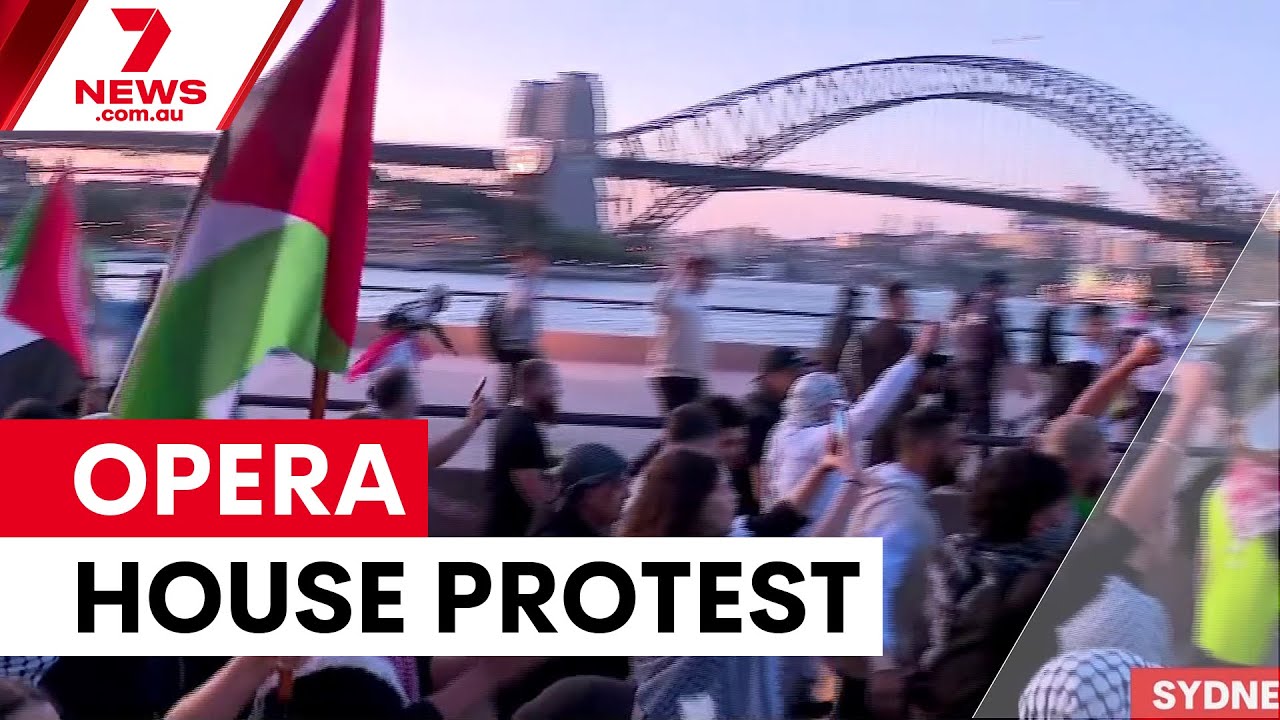
In a 7NEWS Australia report I explain why New South Wales Police will challenge the Palestinian Action Group's planned march through Sydney's CBD to the Sydney Opera House on October 12. Authorities say the proposal raises public security concerns and have asked the Supreme Court to intervene.
Table of Contents
- What’s happening
- Police concerns
- Offer of an alternative route
- What happens next
- What this means for protesters and the public
- Conclusion
- Frequently Asked Questions
What’s happening
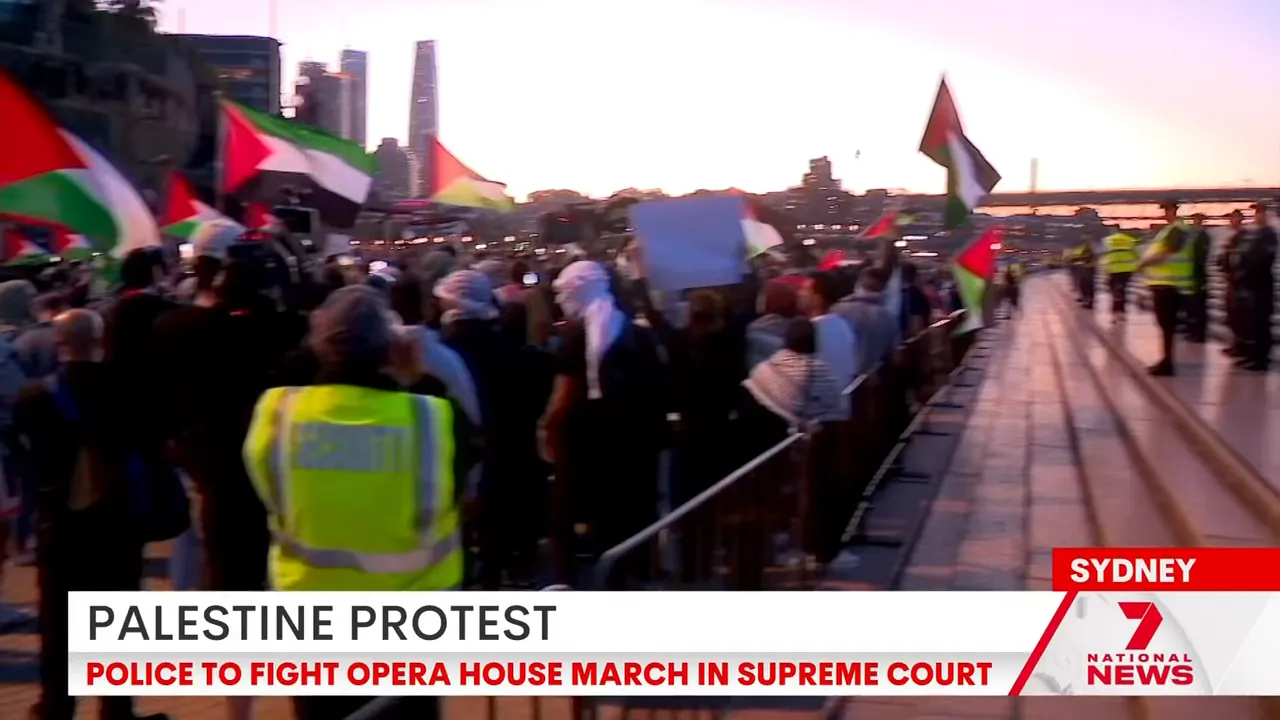
New South Wales Police have lodged an application in the Supreme Court to oppose an application by the Palestinian Action Group to march through the central business district and finish at the Opera House forecourt on 12 October. The central issue is whether the Opera House forecourt can safely hold the number of people the organisers expect.
Police concerns
Authorities have flagged public safety as their primary concern. In their statement they say the forecourt cannot safely accommodate the expected turnout, and that using that iconic location raises significant logistical and security challenges.
"The forecourt cannot safely accommodate the number of people expected to attend."
Offer of an alternative route
While opposing the Opera House endpoint, police have not refused to facilitate protest activity entirely. They have proposed an alternative protest route through the CBD and say discussions with the organisers are ongoing. The offer is framed as a way to balance the right to protest with the need to protect public safety and maintain access in a busy part of the city.
Why the Opera House matters
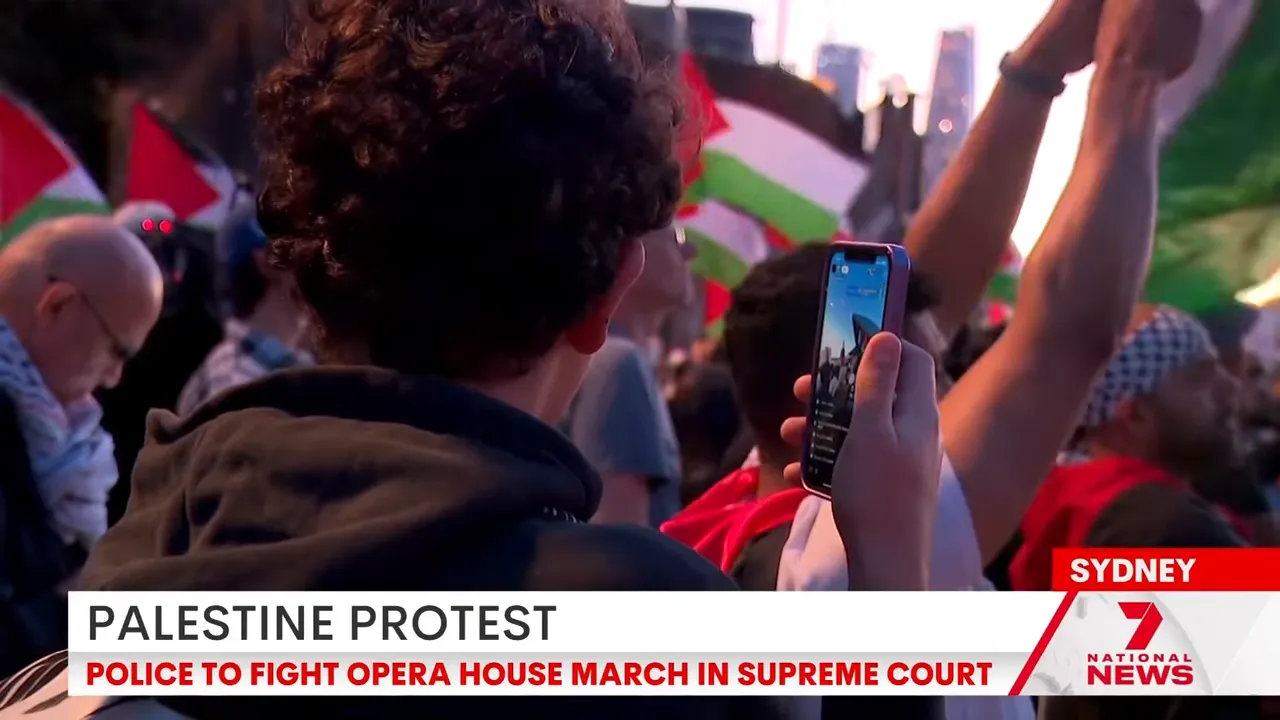
The Sydney Opera House forecourt is a high-profile, compact public space that draws heavy pedestrian traffic. Large assemblies there can affect not only demonstrators but also tourists, commuters, and emergency access. These practical considerations help explain why police have taken the unusual step of seeking a court decision.
What happens next
The matter will be determined in the Supreme Court. The court will consider evidence and arguments from police and the Palestinian Action Group before deciding whether the march can proceed to the Opera House forecourt as planned or must be redirected.
What this means for protesters and the public
- Protest organisers may need to accept an alternative route if the court sides with police.
- Police may impose conditions on any approved march to manage crowd safety and public order.
- The outcome will set a precedent for how large demonstrations at iconic, space-limited sites are handled in NSW.
Conclusion
The dispute highlights the tension between the right to protest and practical public safety obligations in densely populated city locations. As the case moves to the Supreme Court, both sides are continuing talks — but for now police are asking the court to block the planned Opera House endpoint on safety grounds.
Frequently Asked Questions
- Who is opposing the protest route? New South Wales Police have applied to the Supreme Court to oppose the proposed march to the Opera House forecourt.
- Who organised the march? The Palestinian Action Group applied to hold the march through Sydney CBD to the Opera House on 12 October.
- Why are police concerned? Police say the Opera House forecourt cannot safely accommodate the number of people expected to attend, creating public security risks.
- Is the protest banned? Not yet. Police have proposed an alternative route and negotiations are ongoing while the court considers the application.
- When will the Supreme Court decide? The timetable will be set by the court; parties will present their arguments and the court will determine the next steps.


