Herzog protest restrictions: Supreme Court challenge
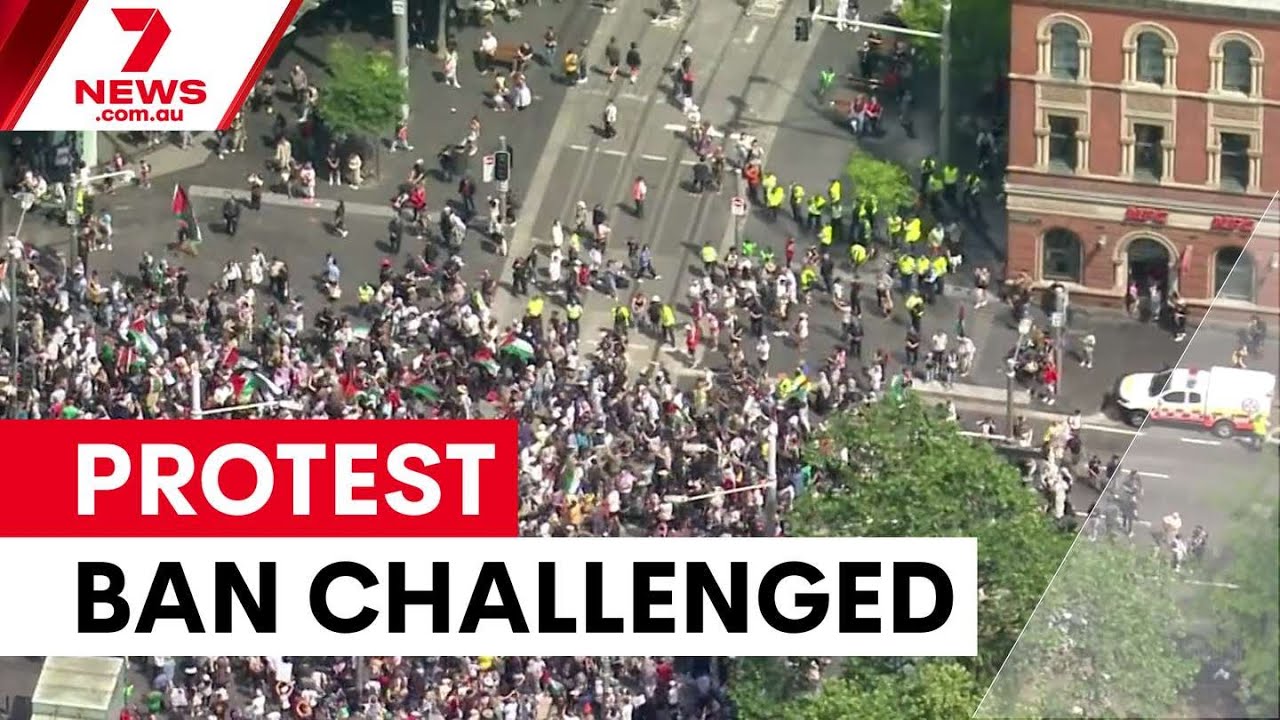
Table of Contents
- State faces legal test as protesters plan peak-hour march in Sydney
- What the declaration does and why it matters
- Who is involved, where and when
- Why the Supreme Court challenge matters
- What to expect next
- Key takeaways
- What exactly is a “major event” declaration under NSW law?
- Can police legally stop protests during a visiting head of state’s trip?
- What happens if the court rules in favour of the protesters?
- Are the planned protests authorised?
- Where can I get live updates?
State faces legal test as protesters plan peak-hour march in Sydney
SYDNEY, AUSTRALIA — The Herzog protest restrictions are at the centre of a fast-moving legal battle after the New South Wales government declared Israeli President Isaac Herzog’s visit a “major event”. That declaration gives police expanded powers to limit where and how people can protest across parts of the CBD and eastern suburbs, and the Supreme Court was due to rule on a last‑minute challenge within hours.
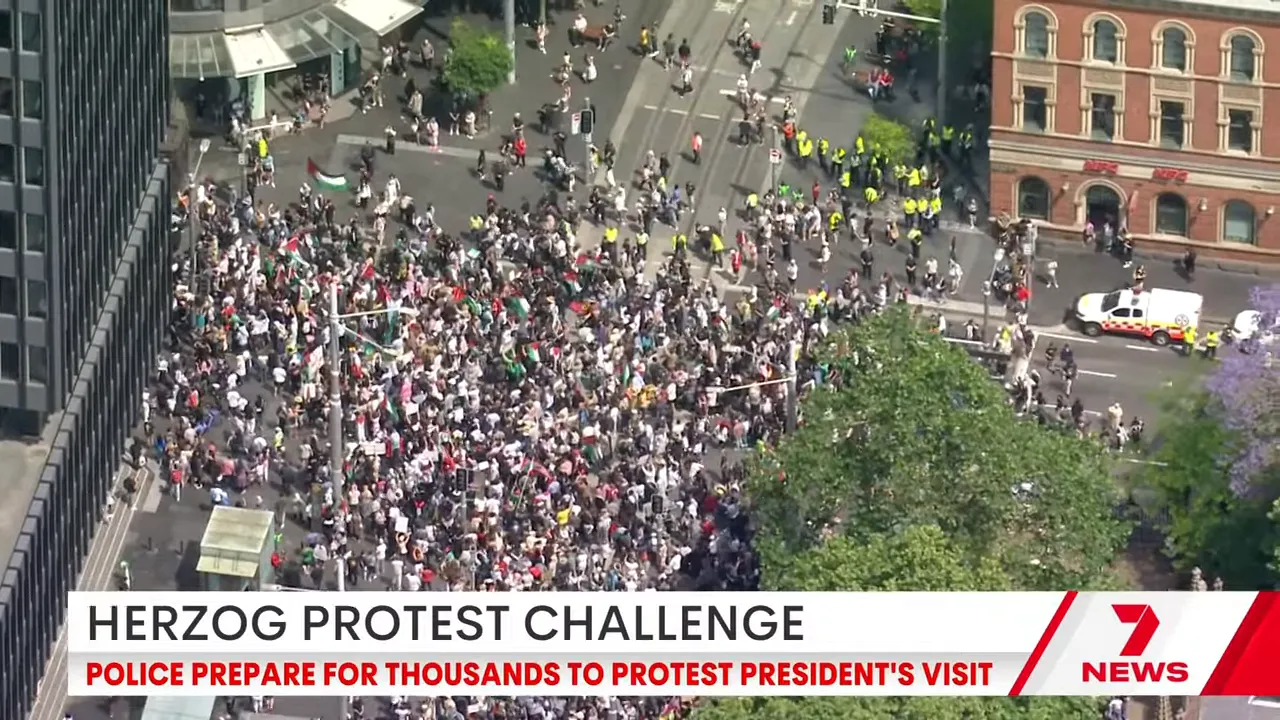
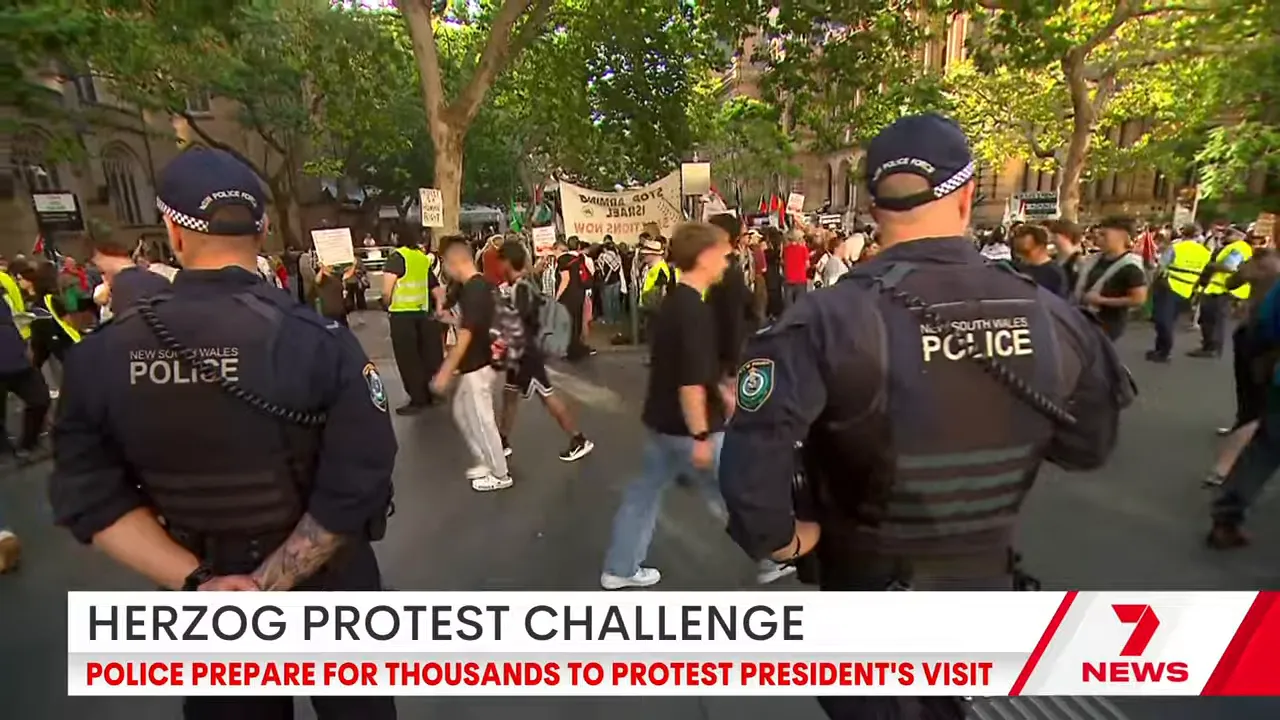
The challenge was launched by the Palestine Action Group, which argues the major event declaration is invalid because it covers a general area rather than being tied to an active, identifiable head‑of‑state procession or event. Police, meanwhile, are preparing for thousands expected to gather at Town Hall for a 5:30pm demonstration, with organisers vowing to march during peak hour even if that march is unauthorised.
What the declaration does and why it matters
Under state law the major event designation hands police a suite of powers designed for high‑security visits. In practice this can mean shutting down roads, restricting access to large public areas, limiting how many people may remain in a designated zone, and conducting searches. The government says the measures are precautionary and necessary to protect visiting dignitaries and public safety.
- Authority to close parts of the city and eastern suburbs within the major events area.
- Powers to limit the number of people who can remain in that area.
- Search powers and other security‑driven interventions.
Protest organisers counter that the declaration is overly broad and undermines the right to assemble. They contend a major event should be tied to discrete, active participants, and not used to restrict civic space across wide urban areas.
"So we are here to reassert that the streets of Sydney belong to the people of Sydney."
Who is involved, where and when
The legal action was brought by the Palestine Action Group against the New South Wales government. The dispute centres on Isaac Herzog’s official visit to Australia and the government’s decision to declare the visit a major event under state law.
Protesters planned to assemble at Town Hall at 5:30pm and vowed to march during peak hour despite police warnings that such a march would be unauthorised. The Supreme Court’s decision was expected within the hour of the original report, and authorities said they were preparing for large crowds regardless of the ruling.
Why the Supreme Court challenge matters
The legal outcome will set a precedent for how broadly governments can use major event powers to restrict public space and protest activity. A ruling in favour of the protest group could limit future use of sweeping declarations; a ruling for the state would effectively endorse the broader application of those powers for high‑profile visits.
Beyond legal precedent, the case tests the balance between security for visiting dignitaries and democratic rights to protest — a debate that plays out in city streets and courtrooms alike.
What to expect next
If the Supreme Court strikes down the declaration, police would likely have fewer grounds to disperse or restrict the Town Hall gathering, though permits and public safety laws would still apply. If the court upholds the declaration, police retain wider authority to shut down designated areas and limit protests during the visit.
Either outcome could prompt further legal challenges or policy reviews about how major events are defined and managed in New South Wales.
Key takeaways
- The Herzog protest restrictions stem from a major event declaration covering Sydney’s CBD and eastern suburbs.
- The Palestine Action Group challenged the declaration in the Supreme Court, arguing it is too broad.
- Thousands were expected to gather at Town Hall for an unauthorised peak‑hour march regardless of the ruling.
- The decision will influence how broadly police powers can be used during future high‑security visits.
What exactly is a “major event” declaration under NSW law?
A major event declaration lets authorities designate an area for special security measures during an event, including road closures, crowd limits and search powers. It is meant for high‑security situations but critics say its scope can be too broad.
Can police legally stop protests during a visiting head of state’s trip?
Police can impose restrictions if authorised by law, particularly to protect safety and security. However, such restrictions must be proportionate and lawful — which is why this case reached the Supreme Court to test those limits.
What happens if the court rules in favour of the protesters?
If the court finds the declaration invalid, police will have reduced grounds to enforce the specific restrictions tied to that declaration, though general public order laws would still apply to any demonstration.
Are the planned protests authorised?
Organisers announced an unauthorised march during peak hour at Town Hall. If unauthorised, participants risk police intervention and potential enforcement actions depending on the court’s ruling and on‑the‑ground policing decisions.
Where can I get live updates?
Major news outlets and official police and court channels will provide live updates. Always follow safety advice from police and avoid restricted areas during high‑security visits.
The information in this article has been adapted from mainstream news sources and video reports published on official channels. Watch the full video here Supreme Court challenge over Herzog protest restrictions | 7NEWS


