Interest rate rise: political blame game explained

Table of Contents
- AUSTRALIA — A closer look at the Reserve Bank decision, the blame shifting and what it means for households
- What happened and who is saying what
- Why a small growth spurt can force rates up
- Immediate impacts: mortgages, businesses and jobs
- Policy levers and the productivity challenge
- Short segment: sibling bullying — a "gift in disguise"?
- Tourism note: Trevi Fountain introduces entry fee
- Key takeaways
- FAQs
- Final thoughts
AUSTRALIA — A closer look at the Reserve Bank decision, the blame shifting and what it means for households
Interest rate rise dominated headlines after the Reserve Bank lifted the official cash rate, prompting a rapid political backlash with the Opposition pointing to high government spending while the RBA flagged private spending as the main driver. The debate has quickly moved beyond party lines to deeper questions about productivity, housing supply and everyday pressures on mortgage holders and businesses.
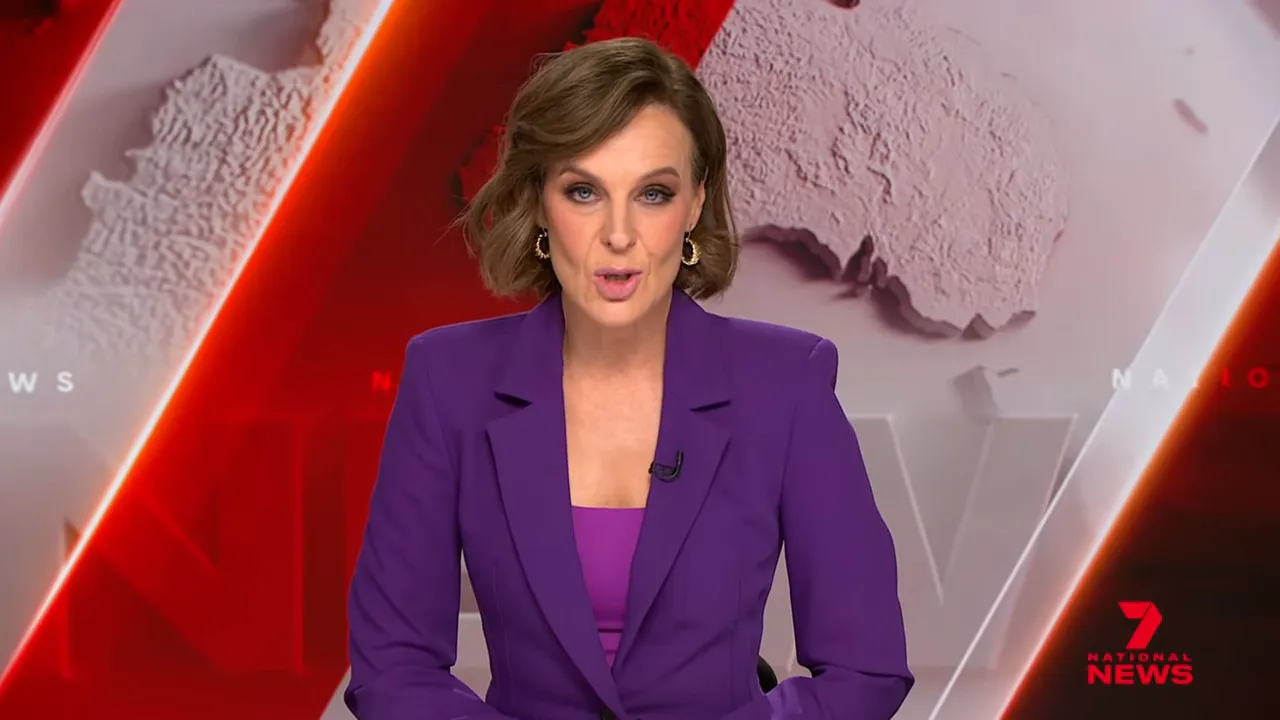
What happened and who is saying what
Less than 24 hours after the RBA announced the rate increase, politicians and commentators began trading blame. The Opposition argued that elevated government spending contributed to inflation, while the Reserve Bank emphasised private spending as a central factor.
Economists and broadcasters on the panel noted the RBA's limited toolkit — essentially a single blunt instrument — meaning interest-rate adjustments remain the primary lever to tame inflation when demand outstrips supply.
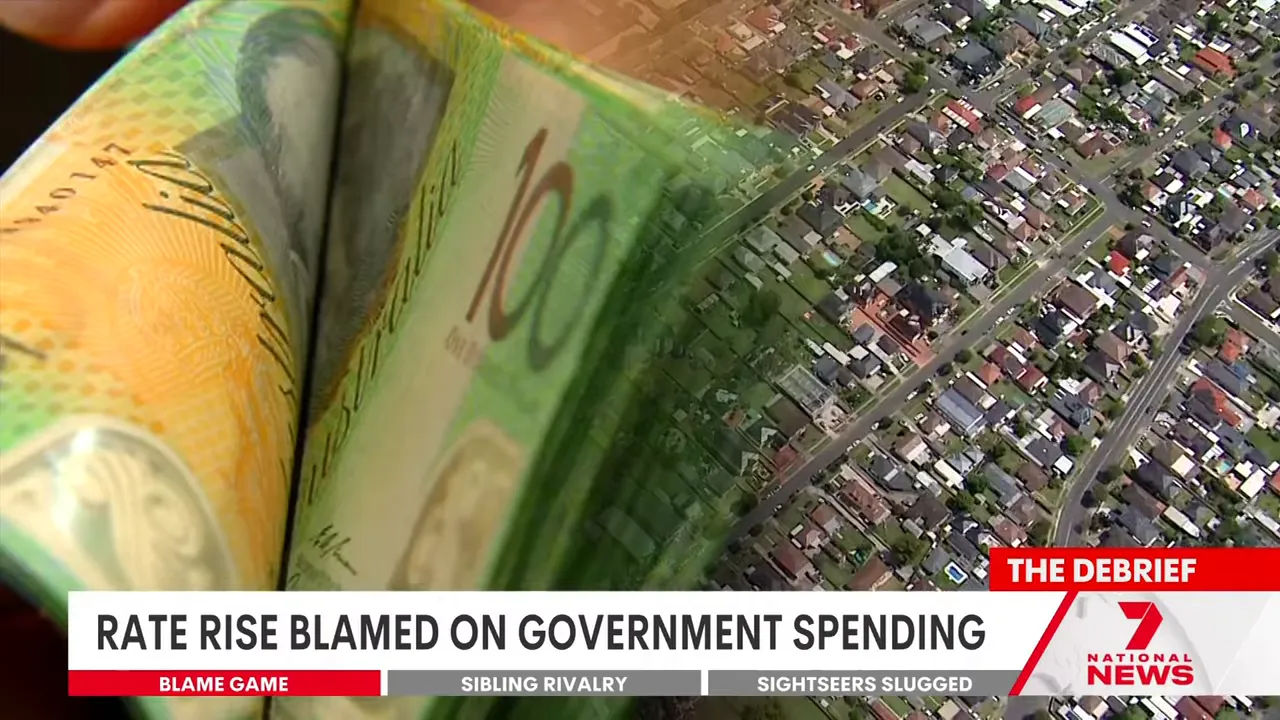
Why a small growth spurt can force rates up
The discussion highlighted a key point: even modest growth can push inflation into a riskier zone when supply cannot keep pace. In Australia’s case, housing was singled out repeatedly as a bottleneck — the economy lacks the capacity to produce enough affordable housing to meet demand.
When supply constraints such as housing shortages meet stronger household spending, inflation pressures rise and the RBA may respond with further rate hikes to cool demand.
Immediate impacts: mortgages, businesses and jobs
Higher interest rates bite quickly for mortgage holders. Repayments increase, squeezing household budgets already stretched by cost-of-living pressures. Small businesses, particularly those reliant on loans or tight cashflow, face reduced confidence and higher borrowing costs.
Speakers urged practical leadership and co‑operation across government, industry and community to avoid the "blame game" and focus on policies that raise productivity and expand supply.
Policy levers and the productivity challenge
Longer term, the conversation returned to productivity: building the capacity to produce more goods and homes at lower cost. That means planning reforms, faster approvals for housing, targeted infrastructure and skills investment. Without these, monetary policy risks becoming the only tool to control inflation — with all the social pain that entails.
Short segment: sibling bullying — a "gift in disguise"?

New research referenced in the discussion shows one in ten Australian children experience bullying from a sibling. Parenting experts on the panel argued that, in many cases, sibling conflict can provide a training ground for emotional intelligence and conflict resolution.
Speakers were careful to distinguish between normal sibling rivalry, which can teach negotiation and resilience, and serious bullying that requires parental intervention and protective action.
Tourism note: Trevi Fountain introduces entry fee

As a lighter but headline-worthy item, Rome will charge tourists roughly A$3.50 for a 30-minute visit to the Trevi Fountain. The fee, intended largely for restoration and crowd control, was broadly supported by the commentators who noted locals may be exempt and that managed access can protect heritage sites.
Key takeaways
- The recent interest rate rise is a response to inflationary pressure driven more by private spending and supply constraints than purely fiscal policy.
- Housing shortages are a critical structural issue making inflationary spikes more likely after periods of growth.
- Higher rates immediately affect mortgage holders, small business borrowing and job confidence.
- Fixing productivity and supply-side constraints requires policy coordination beyond monetary policy.
- Not all headlines are gloomy — measures like small tourist fees can fund conservation and improve visitor experience.
FAQs
Why did the Reserve Bank raise interest rates?
The RBA raised rates to curb rising inflation. Officials said demand—particularly private spending—was outstripping supply in areas like housing, pushing prices up. Higher rates aim to cool spending and bring inflation back toward target.
Will interest rates rise again?
The RBA signalled it cannot rule out further increases if inflation continues to exceed expectations. Future moves will depend on incoming economic data, wage growth, and whether supply constraints ease.
How will this affect mortgage holders and families?
Mortgage repayments are likely to increase as banks pass on higher official rates. Households should review budgets, consider fixed-rate options if suitable, and seek financial advice for stress testing repayments.
Is sibling bullying always harmful?
Not always. Mild sibling conflict can teach negotiation and emotional skills. However, persistent or physical bullying requires parental intervention, clear boundaries and, where necessary, professional support.
Is the Trevi Fountain entry fee reasonable?
Many argue yes — the small fee helps conservation, manages crowds and may exempt locals. For tourists, it can improve the experience and protect historic fabric for future visitors.
Final thoughts
Interest rate moves are rarely about a single cause. They reflect the interplay between demand, supply and policy settings. Short-term monetary action can stabilise prices, but sustainable affordability depends on long-term reforms to boost productivity and increase supply — especially in housing. Leadership and practical cross-sector solutions will determine whether Australia can ease pressures without repeating the political blame game.
The information in this article has been adapted from mainstream news sources and video reports published on official channels. Watch the full video here Interest rate rise sparks political blame game | 7NEWS


