RNA molecule destroys breast cancer cells
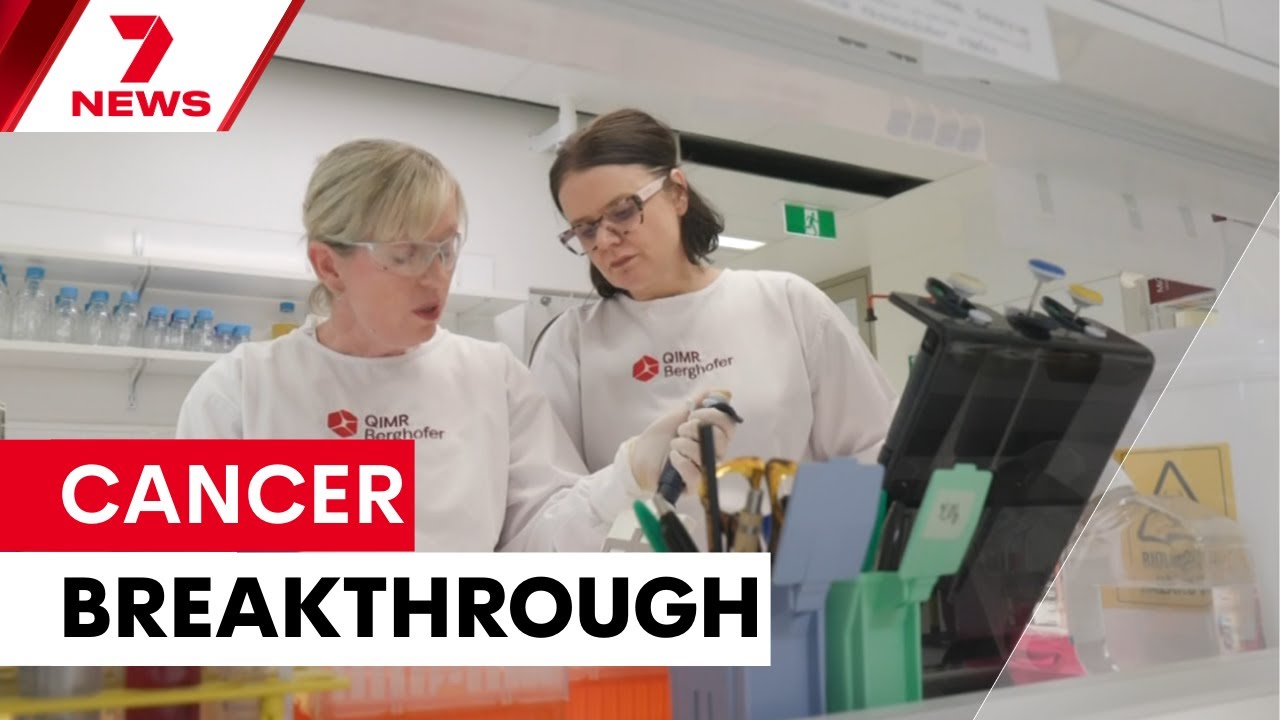
Table of Contents
- BRISBANE, AUSTRALIA — A world‑first discovery by researchers at QIMR Berghofer has identified an RNA molecule that destroys hormone receptor positive breast cancer cells in laboratory tests, offering new hope for treating advanced, drug‑resistant tumours.
- What the scientists found
- Who this could help
- Why it matters
- How the research unfolded
- Personal motivation behind the science
- What’s next
- Key takeaways
- Background: RNA as a messenger and a medicine
- What is the RNA molecule and how does it work?
- Is this treatment available now?
- Who could benefit from this research?
- Are there safety concerns?
- Where was this research done and who led it?
- Further reading and follow‑up
- Final note
BRISBANE, AUSTRALIA — A world‑first discovery by researchers at QIMR Berghofer has identified an RNA molecule that destroys hormone receptor positive breast cancer cells in laboratory tests, offering new hope for treating advanced, drug‑resistant tumours.
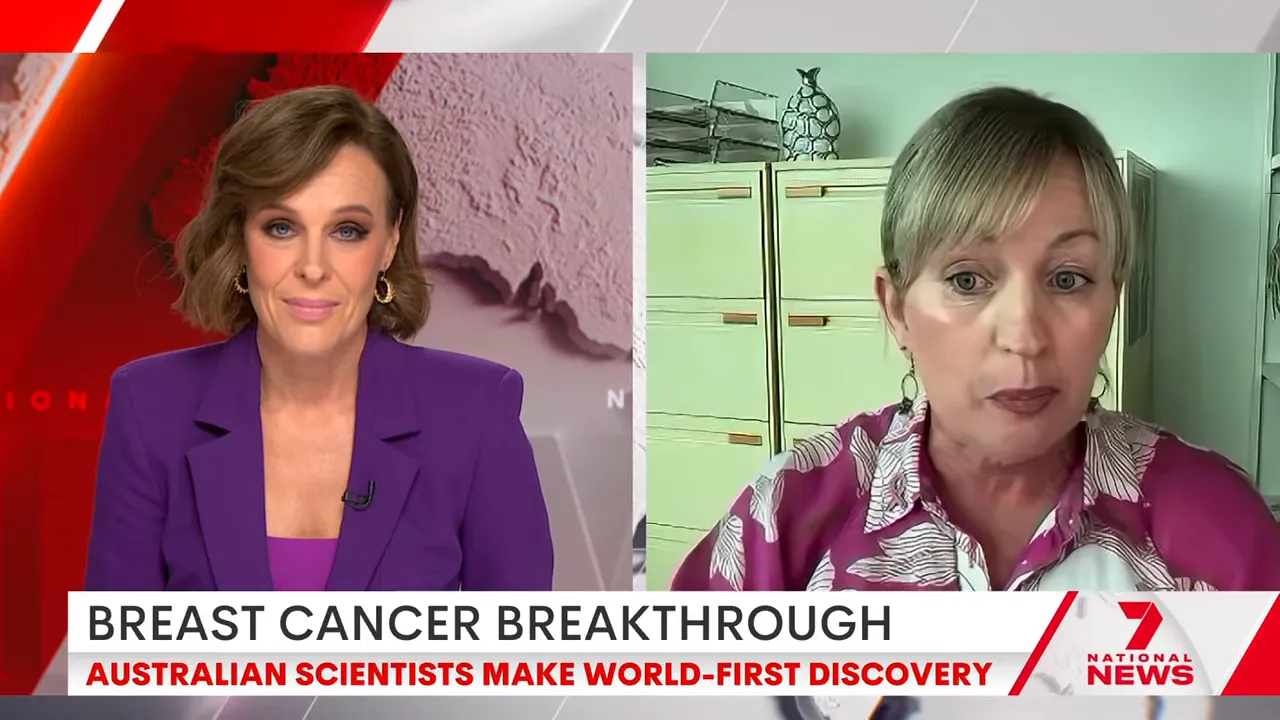
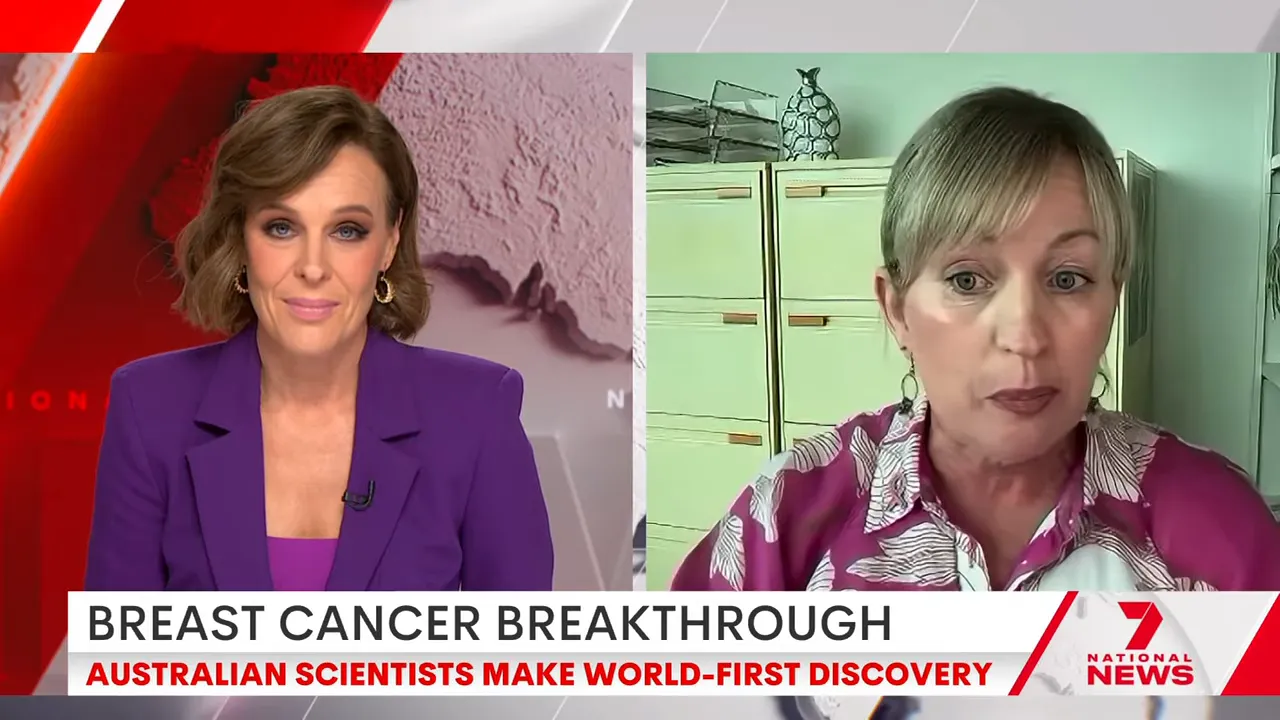
The newly discovered RNA molecule destroys breast cancer cells in lab experiments while leaving normal cells unharmed. The research, co‑authored by Professor Stacey Edwards, produced dramatic results: when delivered to the correct cells the molecule caused hormone receptor positive tumour cells to die within hours. This finding could open the door to a targeted RNA‑based therapy for the most common form of breast cancer.
What the scientists found
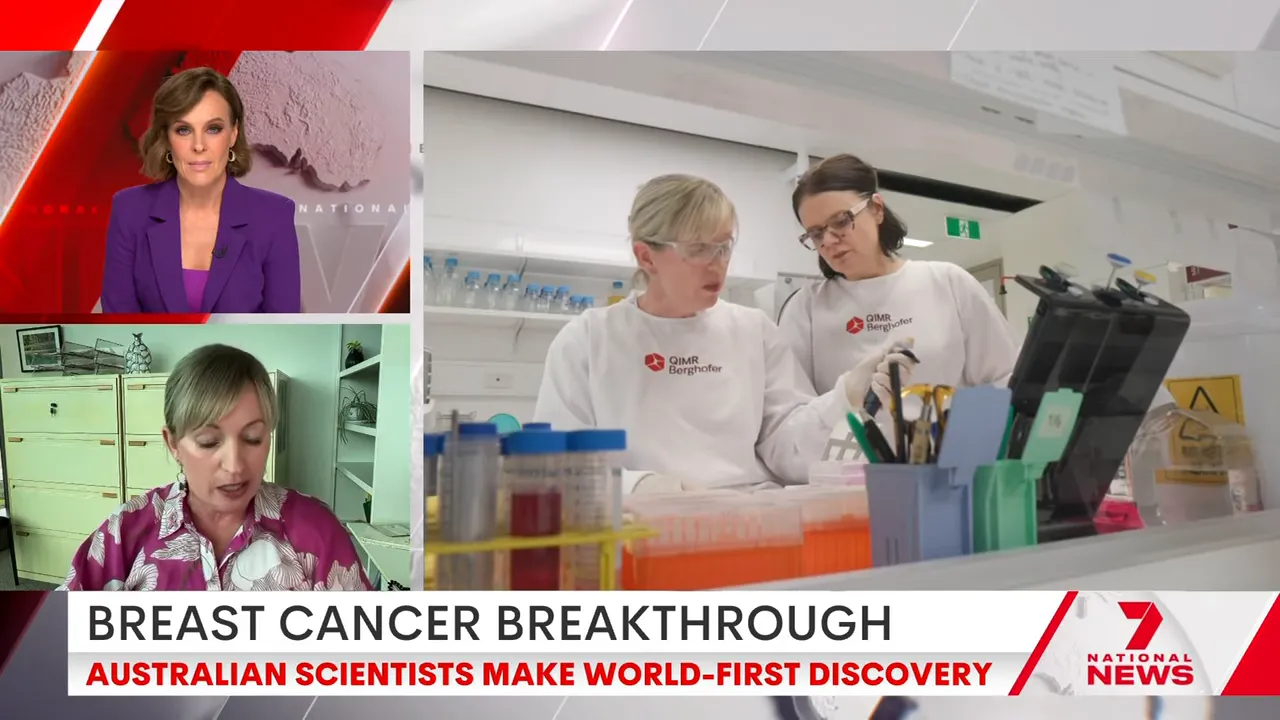
Researchers described the moment of success as a “eureka” after years of work and multiple dead ends. On the day the team optimised delivery into cells, every hormone receptor positive breast tumour cell they tested was obliterated within hours. Crucially, normal breast cells and other cell types did not respond to the molecule, suggesting a high degree of specificity for the cancer cells doctors need to target.
Who this could help
The discovery targets hormone‑dependent (hormone receptor positive) breast cancer, which makes up about 70% of all breast cancers. While many of these tumours respond well to existing treatments, up to a third are either inherently unresponsive or become drug‑resistant and recur as advanced disease. The new RNA approach may be particularly useful for patients with these resistant, non‑responding tumours.
Why it matters
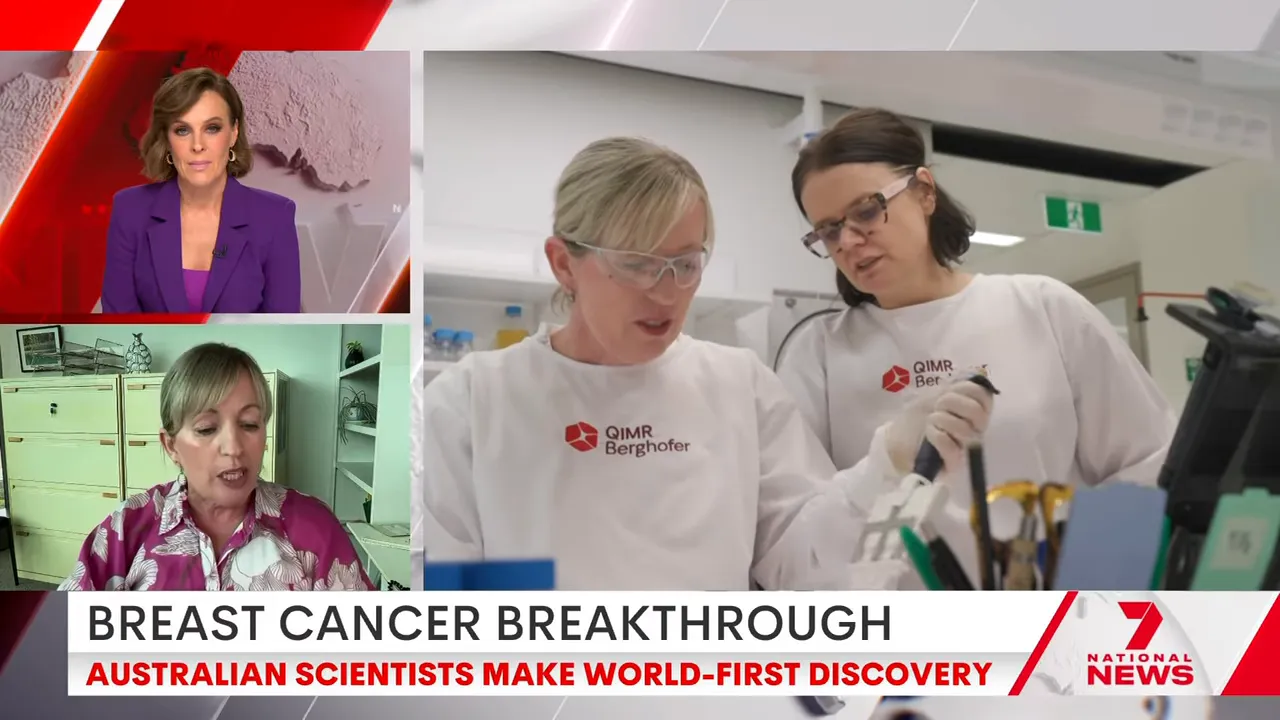
Targeted therapies that kill cancer cells while sparing healthy tissue are a major goal in oncology. An RNA‑based therapy that selectively destroys hormone receptor positive tumour cells could reduce side effects and offer options when standard hormone treatments fail. The discovery is notable because the molecule had never been identified before — a genuine world first.
How the research unfolded
The team at QIMR Berghofer spent years testing different molecules and delivery methods. Success came when they managed to deliver the RNA into the cancer cells in the correct way. Within hours of delivery, the targeted tumour cells died. Those results came from controlled laboratory experiments; the work represents an early but important step towards a new treatment pathway.
Personal motivation behind the science
For Professor Stacey Edwards the research is deeply personal. She lost her mother to breast cancer at a young age and grew up determined to improve treatments. That commitment has underpinned years of laboratory work and the eventual breakthrough reported by the team.

What’s next
Laboratory success is encouraging but not the same as an available treatment. The next steps typically include further preclinical studies, safety testing, and eventually clinical trials to determine whether the approach is safe and effective in patients. If those steps are successful, the molecule could progress into a new class of RNA‑based therapies for advanced breast cancer.
Key takeaways
- New discovery: An RNA molecule never identified before can selectively kill hormone receptor positive breast tumour cells in lab tests.
- Target group: Could benefit patients with hormone‑dependent breast cancer — the most common subtype (about 70%).
- Potential impact: May help people whose tumours are drug‑resistant or do not respond to current treatments.
- Stage of research: Laboratory findings; further studies and clinical trials required before patient use.
Background: RNA as a messenger and a medicine
RNA molecules act as cellular messengers, delivering instructions that switch genes on or off. Scientists are increasingly able to harness RNA for targeted therapies, as demonstrated by vaccines and experimental cancer treatments. This latest discovery adds to that growing field by identifying a naturally occurring RNA with potent anti‑tumour activity against a specific breast cancer subtype.
What is the RNA molecule and how does it work?
The molecule is a previously unknown RNA that appears to instruct or interfere with key processes in hormone receptor positive breast cancer cells, triggering cell death. In laboratory tests it destroyed targeted tumour cells while leaving normal cells unaffected. Exact mechanisms will be clarified as researchers conduct further molecular studies.
Is this treatment available now?
No. The results come from laboratory experiments. Before any new therapy can be offered to patients it must pass preclinical safety tests and clinical trials to demonstrate safety and benefit in people. That process can take several years.
Who could benefit from this research?
Patients with hormone receptor positive breast cancer — about 70% of all breast cancer cases — may benefit, especially those whose tumours are resistant to current hormone therapies or who do not respond to existing treatments.
Are there safety concerns?
Early lab results show the RNA selectively affected tumour cells and not normal cells in tested models, which is promising. However, comprehensive safety evaluations and controlled clinical trials are needed to assess risks, optimal delivery methods, dosing and potential side effects in humans.
Where was this research done and who led it?
The work was carried out at QIMR Berghofer in Brisbane, Australia, and was co‑authored by Professor Stacey Edwards and her team.
Further reading and follow‑up
Readers interested in developments should watch for peer‑reviewed publications and announcements from QIMR Berghofer and clinical trial registries. Scientific advances often move from lab bench to bedside over multiple stages; tracking those milestones provides the clearest picture of when a new treatment may become widely available.
Final note
This discovery represents a hopeful advance in the fight against breast cancer, particularly for patients facing drug‑resistant disease. It underlines the power of sustained research and the human stories that drive scientists to find better treatments.
The information in this article has been adapted from mainstream news sources and video reports published on official channels. Watch the full video here Australian scientists discover molecule that destroys breast cancer cells | 7NEWS


