NSW e-bike crackdown: What the changes mean
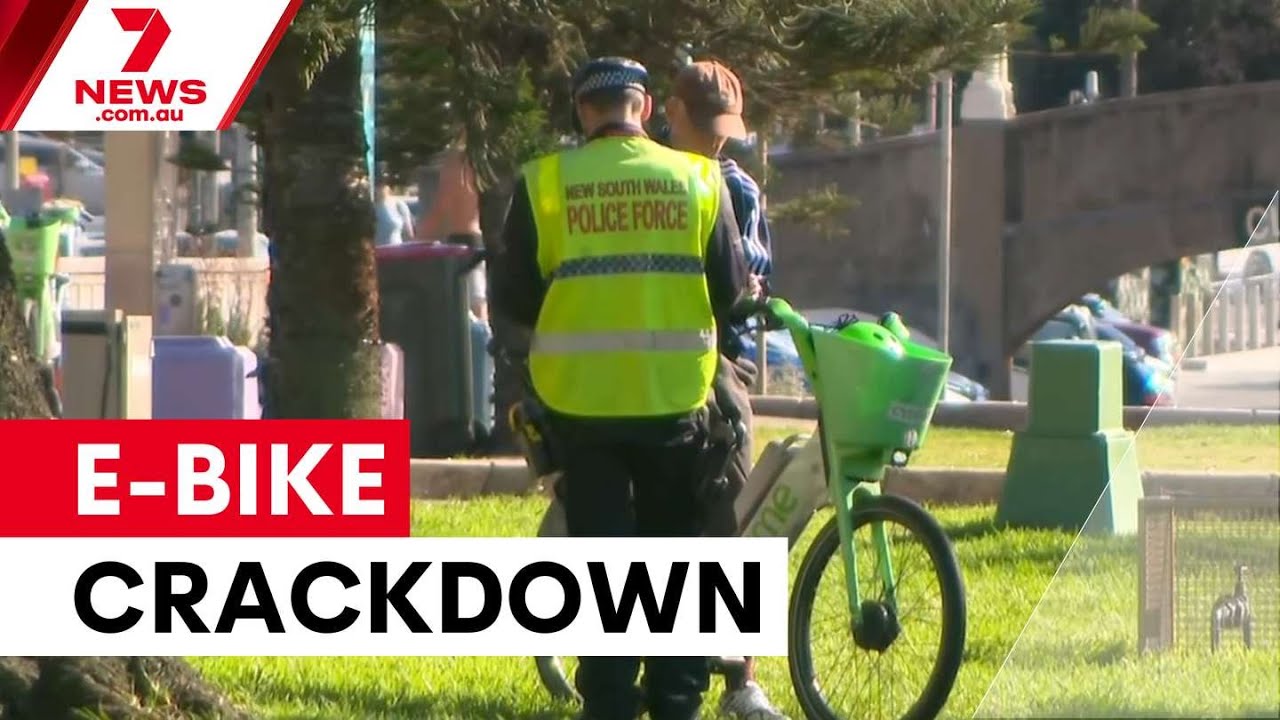
Table of Contents
- SYDNEY — Context and the push for change
- What’s driving the policy shift?
- Who is affected and why it matters
- Are these e-bikes motorbikes in disguise?
- What would lowering the power cap do?
- Practical impacts for riders and retailers
- Road safety and education
- Key takeaways
- What is the current legal power limit for e-bikes in NSW?
- Will reducing power to 250 watts stop crashes?
- Are e-bikes being treated like motorbikes?
- How will proposed rules affect existing owners?
- Final thought
SYDNEY — Context and the push for change
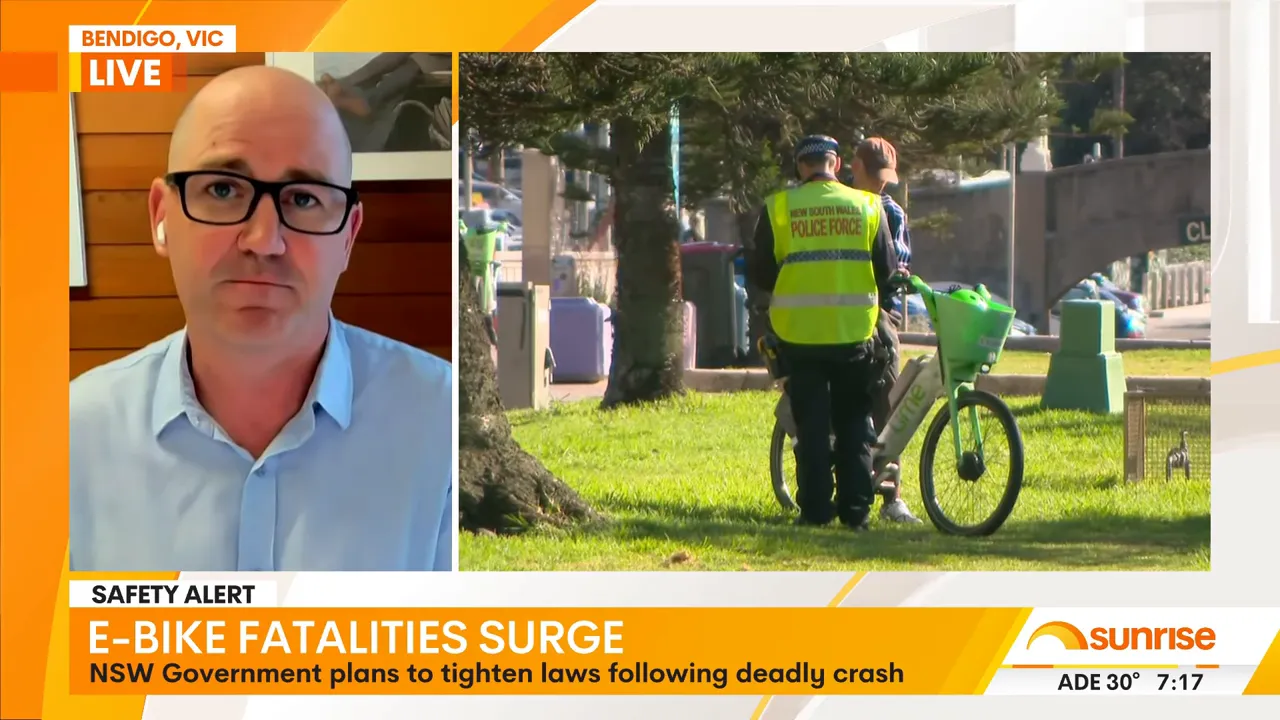
NSW e-bike crackdown has surged into the headlines after a recent fatal crash in Sydney, prompting Premier Chris Minns to call for bans on high-powered electric bicycles and a 25 km/h speed cap.
The debate centres on safety, inconsistent rules and a small but growing market for 500-watt models that experts say are often cheap, easily modified and potentially dangerous.
What’s driving the policy shift?
The immediate trigger was a fatal incident that renewed concern about high-power e-bikes on public roads. The Premier’s proposal would limit motor assistance to 25 km/h and move to restrict or ban certain high-power models.
Industry representatives point out that a 2023 change created a unique 500-watt category in NSW. That category does not align with the rest of Australia—or with international standards—and that mismatch is at the heart of the safety problem.
Who is affected and why it matters
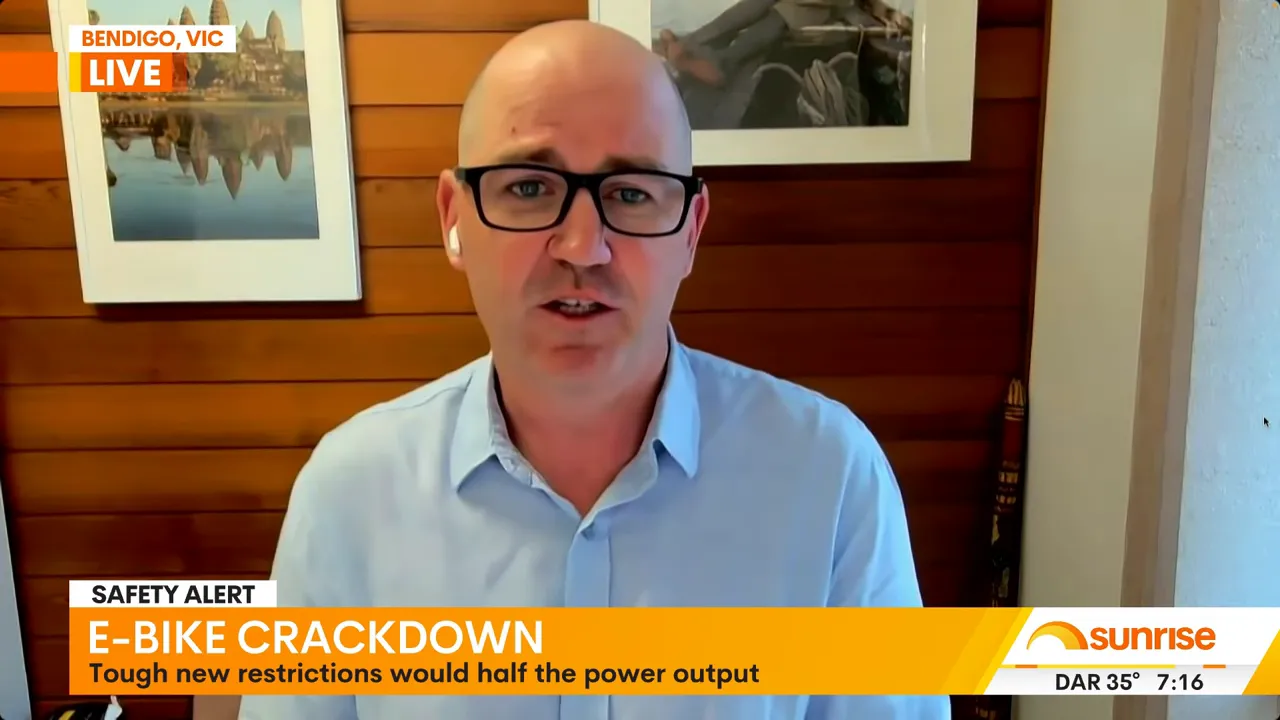
Commuters, delivery riders and everyday users rely on e-bikes for transport, health and convenience. But suppliers and regulators warn that the 500-watt market has attracted low-cost models from lesser-known brands that are poorly tested.
These cheaper bikes are more easily modified to run at higher speeds or power, and they have been linked to a disproportionate number of electrical fires and mechanical failures.
Are these e-bikes motorbikes in disguise?
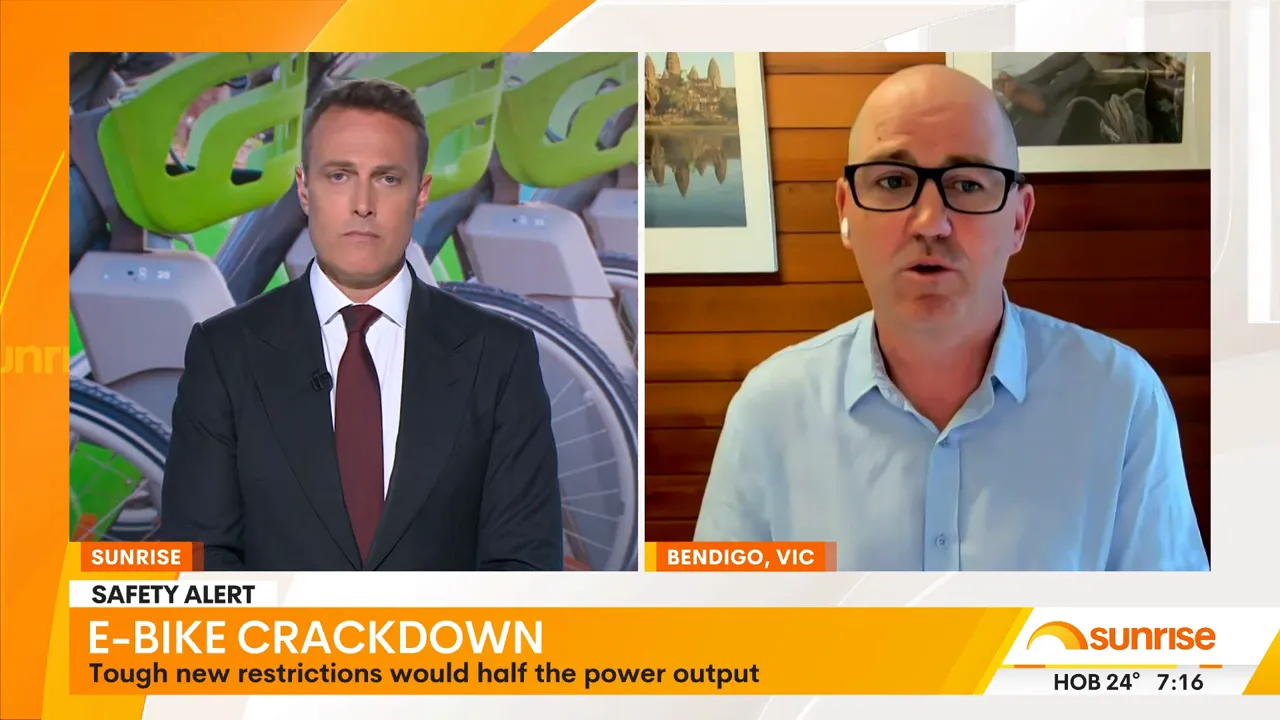
Industry experts say most dangerous cases are not legitimate e-bikes but illegal or unroadworthy motorbikes being used on roads. These machines often cannot be registered or licensed because they don't meet motorbike safety standards.
"The problem isn't e-bikes, it's unroadworthy motorbikes," one industry spokesperson said, emphasising that many incidents involve machines modified beyond legal limits.
What would lowering the power cap do?
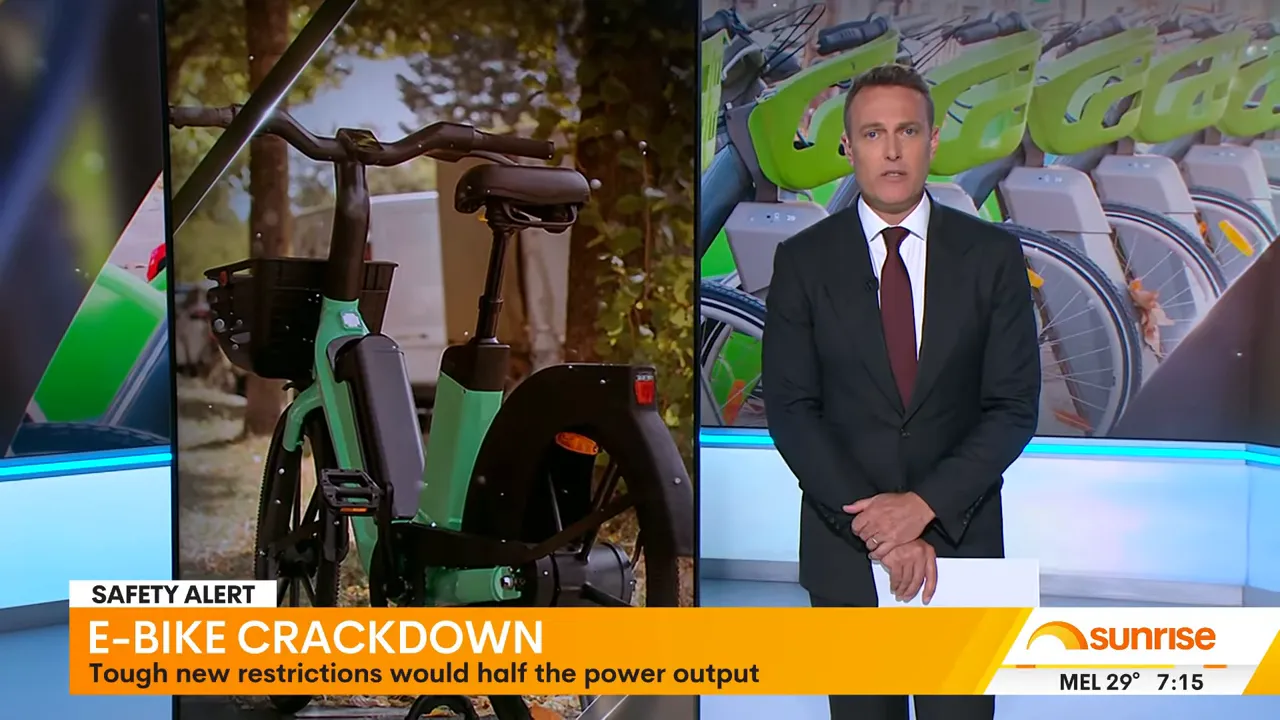
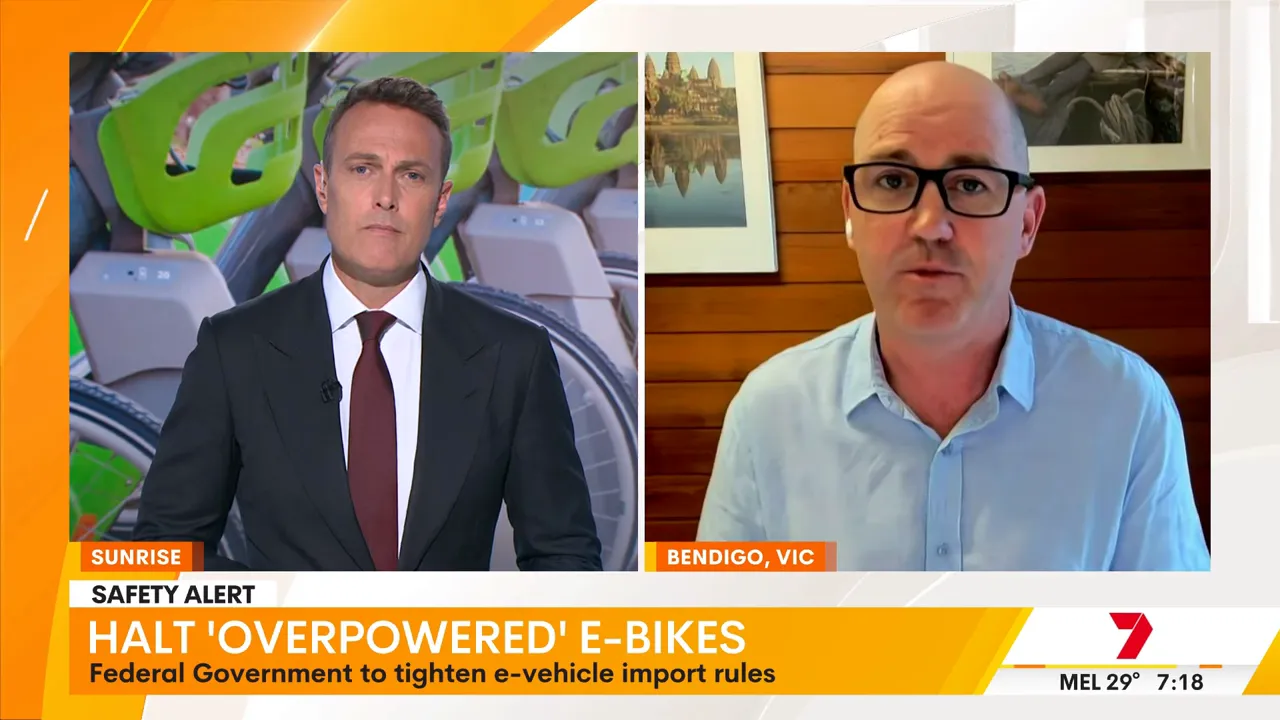
Returning the allowable power from 500 watts to 250 watts would align import rules with sales and road-use regulations across Australia. That consistency makes it viable for major brands to supply safer, tested models.
Regulators also propose stronger anti-tampering requirements and new standards that force manufacturers to include countermeasures against modifications, reducing the risk of bikes being altered to exceed safe speeds and power.
Practical impacts for riders and retailers
If the state moves to 250 watts and enforces anti-tampering rules, consumers should see higher-quality products on the market and fewer mechanically and electrically unsafe bikes.
Retailers and importers would need to comply with uniform standards, which could reduce the availability of cheap, risky models but also protect legitimate users and brands.
Road safety and education
Beyond technical regulations, industry voices say education is essential—especially for younger riders. Road safety programs and clearer information about legal requirements, helmet use and responsible riding habits will be needed.
Combined measures—regulatory alignment, anti-tampering standards and education—are the recommended route to reduce harm while preserving the benefits of e-bikes.
Key takeaways
- Current debate follows a fatal crash in Sydney and a political push to cap e-bike speeds at 25 km/h.
- A unique 500-watt category introduced in NSW led to market confusion and attracted low-quality products.
- Industry recommends reverting to 250 watts, adopting anti-tampering standards, and aligning rules nationally.
- Most dangerous incidents involve modified or unroadworthy motorbikes rather than compliant e-bikes.
What is the current legal power limit for e-bikes in NSW?
NSW currently allows a 500-watt category introduced in 2023, but proposed changes seek to revert to a 250-watt limit to align with other jurisdictions and international standards.
Will reducing power to 250 watts stop crashes?
Lowering power helps by promoting higher-quality, tested bikes and enabling anti-tampering measures, but it must be combined with enforcement and education to significantly reduce incidents.
Are e-bikes being treated like motorbikes?
Legitimate e-bikes legally capped at 25 km/h are not the same as motorbikes. The main issue is illegally modified or unroadworthy motorbikes that appear as e-bikes but do not meet motorbike safety standards.
How will proposed rules affect existing owners?
Owners of compliant e-bikes should see little disruption. The rules aim at imports, manufacturers and tamper-proofing to prevent unsafe modifications. Non-compliant or heavily modified machines may be restricted or require changes to meet standards.
Final thought
Well-regulated e-bikes offer clear transport, health and environmental benefits. Careful policy—focused on consistent standards, anti-tampering measures and rider education—can reduce harm while keeping those benefits accessible.
The information in this article has been adapted from mainstream news sources and video reports published on official channels. Watch the full video here NSW pushes e-bike crackdown after fatal crash | 7NEWS


