Strikes on Iran Cause Travel Chaos for Australians
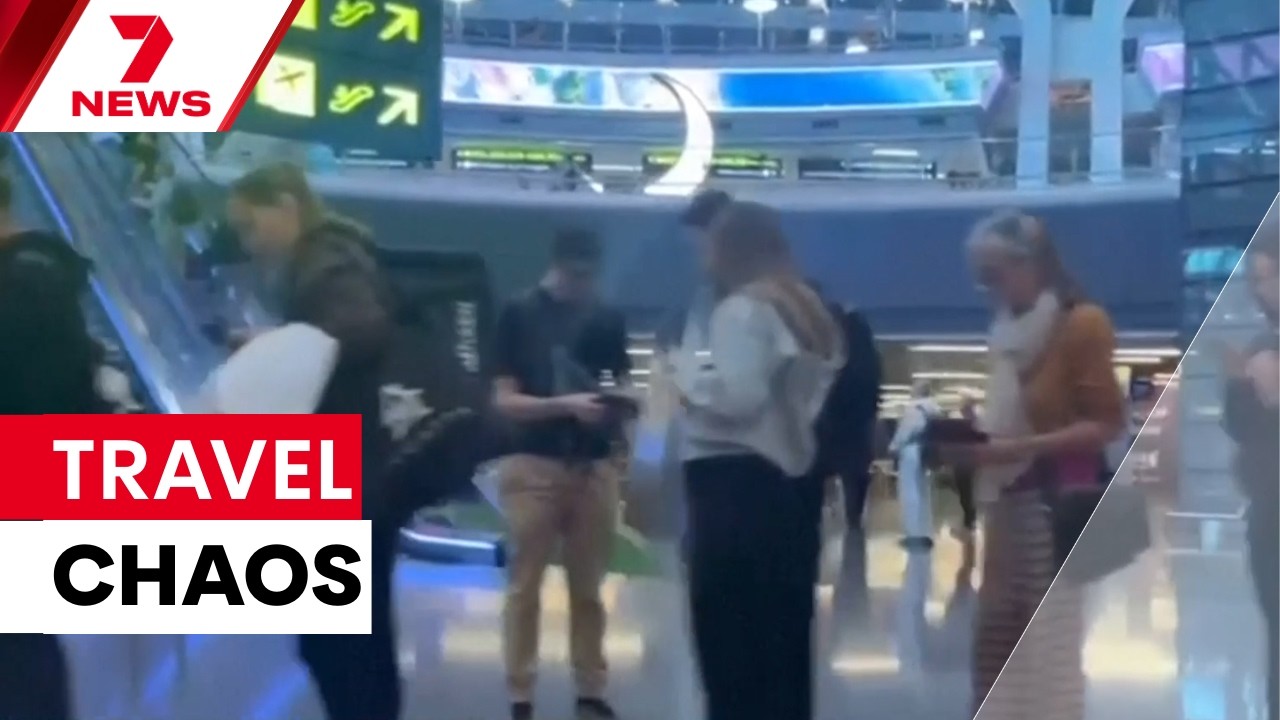
Table of Contents
- SYDNEY — Major strikes and retaliatory action in the Middle East have disrupted flights and left travellers stranded, forcing Australians to change plans amid mounting regional uncertainty.
- FAQs
SYDNEY — Major strikes and retaliatory action in the Middle East have disrupted flights and left travellers stranded, forcing Australians to change plans amid mounting regional uncertainty.
What unfolded
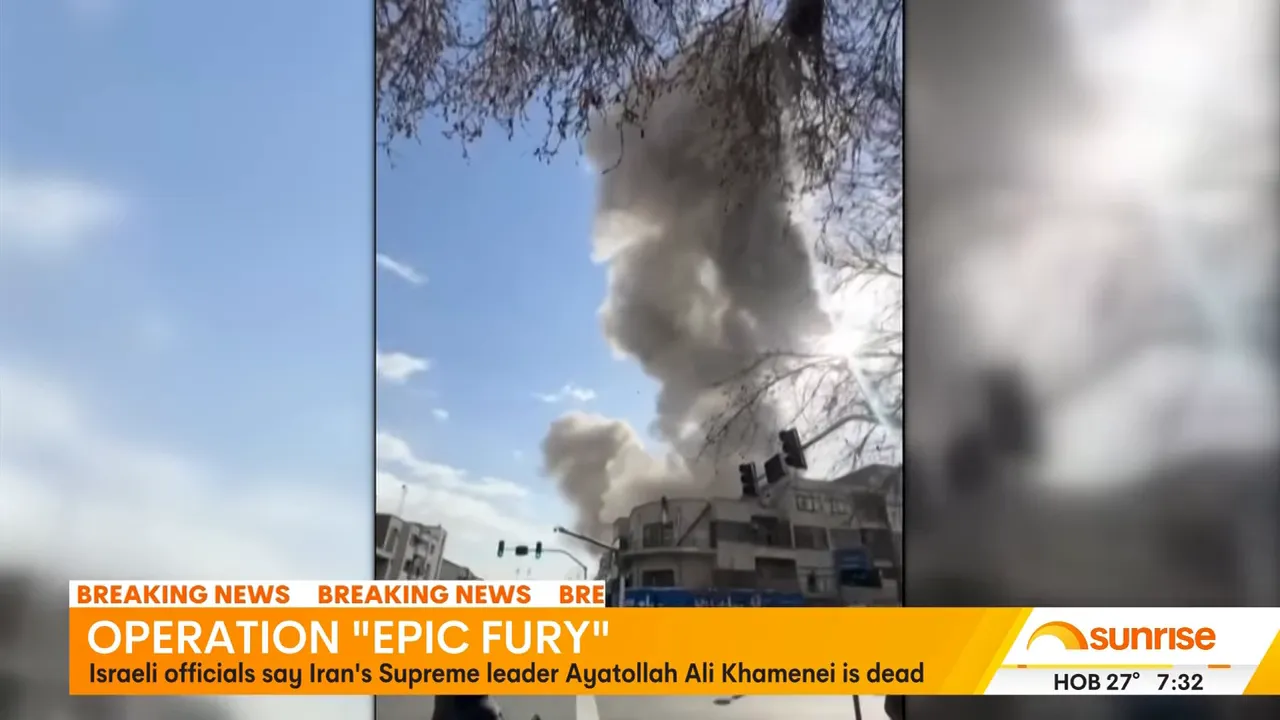
Israeli and US strikes on Iran, and Tehran’s subsequent retaliatory action, have produced large-scale explosions across the region and prompted the closure of several Middle Eastern airspaces. Reports circulating on the ground included footage of people fleeing after a missile struck the Qatari capital, Doha.
Immediate impact on aviation
Airlines quickly cancelled and rerouted services across Gulf and Middle Eastern hubs. Several Qatar Airways flights bound for Australia were turned around overnight, touching back down in Melbourne, Brisbane and Sydney. Flights to Dubai and other Gulf destinations were also cancelled as airspace restrictions and safety concerns mounted.
Scenes at Sydney Airport
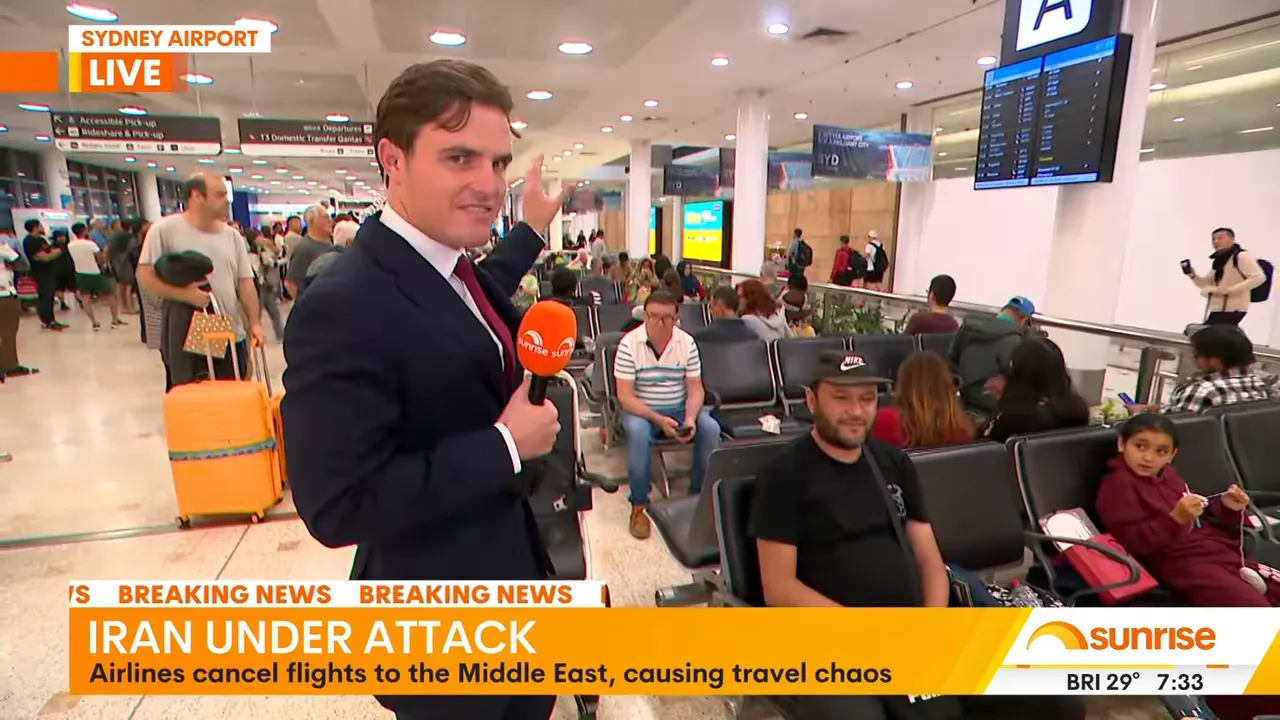
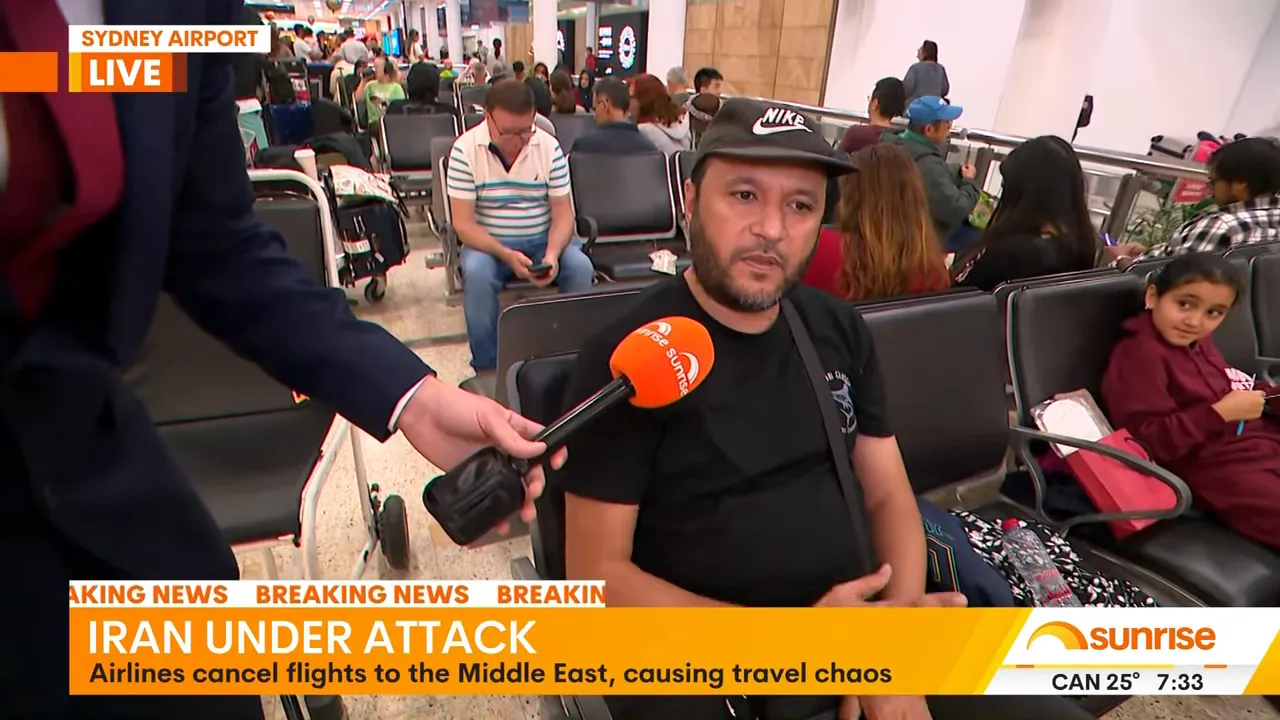
Sydney Airport became a temporary refuge for passengers left without onward connections. Many travellers spent the night in terminal areas after hotels in the city filled — a factor exacerbated by local events such as Mardi Gras.
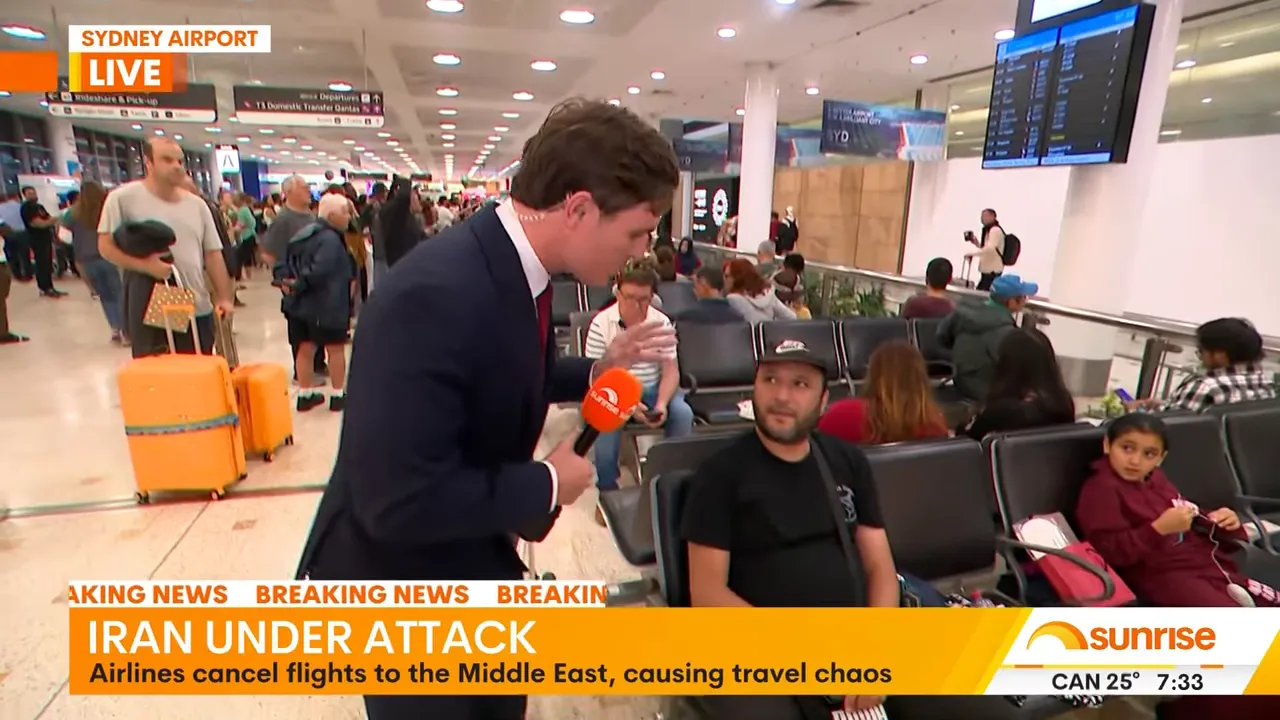
One traveller, Khalid, described arriving from Auckland before discovering his Emirates connection to Tunis via Dubai had been cancelled. He said attempts to find accommodation failed and that he was considering returning to New Zealand or seeking an alternative routing through Turkey.
"We tried probably more than 20 hotels last night. We took even a taxi to Liverpool — unfortunately there is nothing."
Government stance and broader context
Prime Minister Anthony Albanese has indicated Australia supports the US objective of preventing Iran from obtaining a nuclear weapon, placing Canberra alongside its allies as the situation evolves. The conflict, meanwhile, risks wider escalation as each side responds to strikes and counter-strikes.
What travellers should expect
Uncertainty remains over how long Gulf and Middle Eastern airspaces will stay restricted. Passengers with connections through Doha, Dubai or neighbouring hubs should expect delays, cancellations and sudden schedule changes. Airlines are working to rebook and reroute affected travellers, but options may be limited while instability persists.
Practical steps for affected passengers
- Contact your airline immediately to confirm rebooking, refunds or alternate routings.
- Check travel insurance for coverage of cancellations, accommodation and emergency expenses.
- Monitor official government travel advice and consular updates for the region.
- Consider flexible alternatives: returning to your last departure country, rerouting via other hubs, or delaying travel until airspace reopens.
Voices from the terminal
Staff and passengers described a mixture of frustration and resignation as terminals filled with people using camping mats and sleeping bags. Many Australians remain overseas in transit hubs such as Doha and Dubai, uncertain when they will be able to return.
Key takeaways
- Strikes and counter-strikes in the Middle East have forced widespread flight cancellations through Gulf hubs.
- Australian travellers and residents are among those affected, with some stranded overnight at airports.
- Airlines and governments are advising caution; passengers should prioritise safety and follow official guidance.
- Expect ongoing disruption while the security situation remains fluid.
FAQs
How are the strikes affecting flights to and from Australia?
Airspace closures and heightened security have resulted in cancelled and rerouted services through Gulf hubs. Some flights that had departed were turned back to their origin cities, while others were cancelled entirely.
What should I do if my flight is cancelled?
Contact your airline for rebooking or refunds, check your travel insurance for coverage, and monitor government travel advice. If you’re at an airport, speak to airline staff for immediate assistance and ask about accommodation or vouchers.
Are Australian residents stranded overseas being assisted?
Consular services provide guidance and support where possible, but local conditions and airline capacities limit immediate solutions. Australians overseas should register with Smartraveller for updates and consular contact details.
How long will travel disruption last?
Duration depends on the evolving security situation and airspace decisions by regional authorities. Travellers should expect uncertainty and prepare for further changes at short notice.
Is it safe to travel to other regions of the Middle East?
Safety varies considerably by country and even by city. Check official travel advisories, avoid conflict zones, and follow instructions from local authorities and airline notices.
The information in this article has been adapted from mainstream news sources and video reports published on official channels. Watch the full video here Strikes on Iran spark travel chaos | 7NEWS


