Tel Aviv missile strike: Iran launches retaliatory attacks
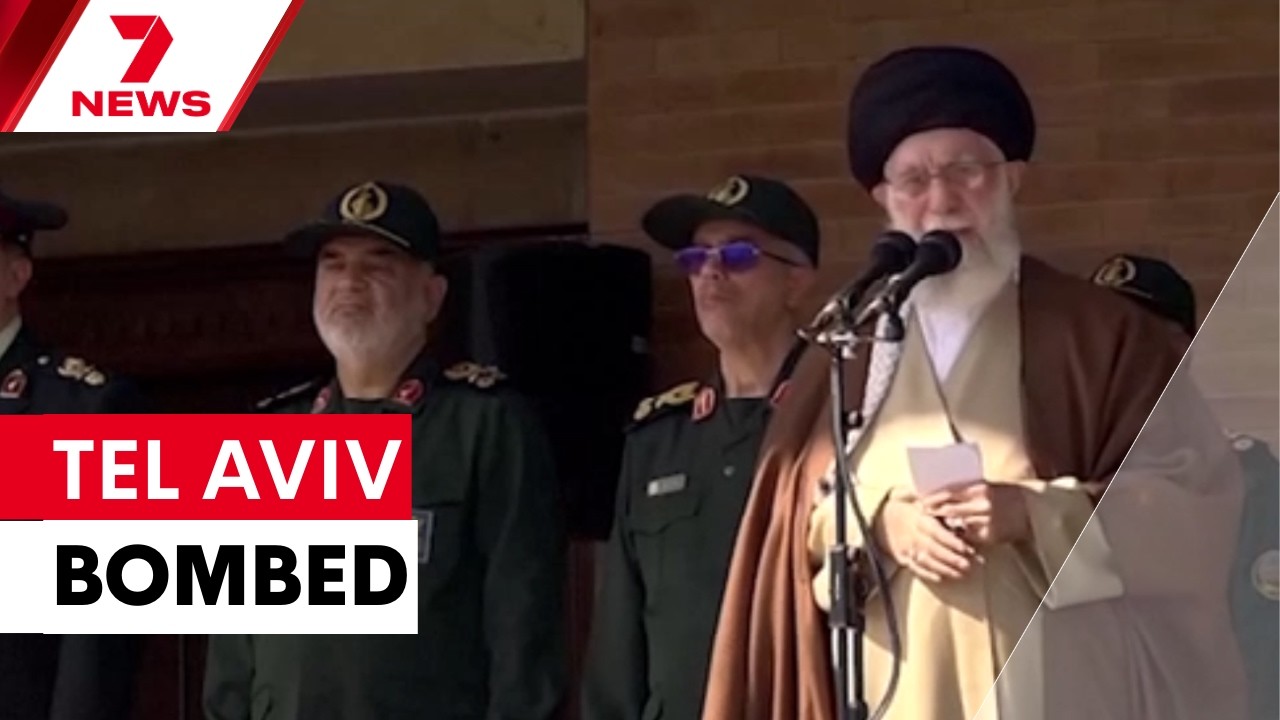
Table of Contents
- SYDNEY, AUSTRALIA — A rapid escalation in the Middle East has left cities across the region under attack after a coordinated US–Israeli operation, with Tel Aviv reported hit by missiles and Dubai’s airport struck as retaliatory strikes spread.
- What happened — a timeline of the strikes and counterstrikes
- Where civilians were affected — Dubai and beyond
- Who is responding — Washington, Canberra and regional actors
- Why this matters — regional and global implications
- On-the-ground reporting — what witnesses described
- What happens next — scenarios to watch
- Key takeaways
- FAQs
SYDNEY, AUSTRALIA — A rapid escalation in the Middle East has left cities across the region under attack after a coordinated US–Israeli operation, with Tel Aviv reported hit by missiles and Dubai’s airport struck as retaliatory strikes spread.
The Tel Aviv missile strike and wider campaign unfolded over a single, intense day as the United States and Israel carried out a large-scale operation against Iran. Australian news coverage reported the operation — dubbed "Epic Fury" — entered its 14th hour with hundreds of strikes, and Tehran responded by firing rockets, ballistic missiles and drones at multiple countries across the region.
What happened — a timeline of the strikes and counterstrikes
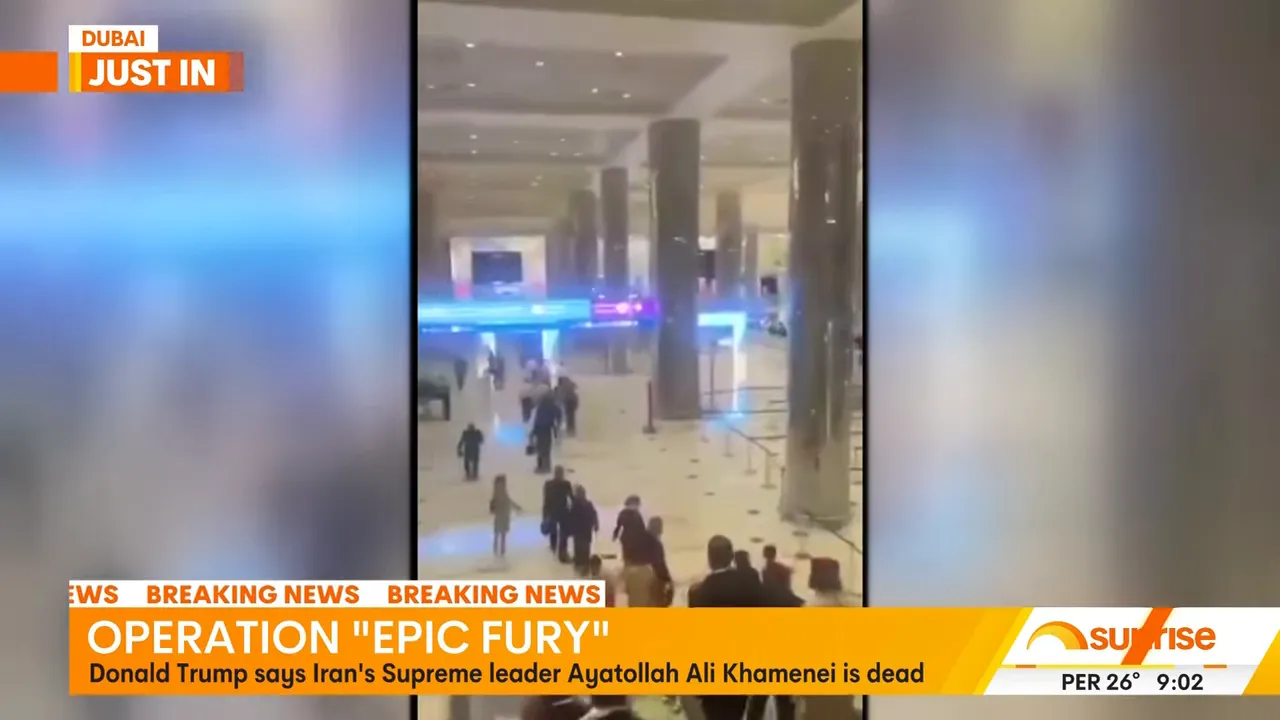
Early reports broadcast to Australian viewers said the US and Israel launched a joint operation targeting Iranian government, military and nuclear sites. The operation reportedly included strikes on parliament buildings, military bases, nuclear installations and the compound of Iran’s supreme leader. Within hours, Iran answered with a broad barrage that struck targets across at least six countries.
Media coverage quoted President Donald Trump’s message outlining three stated goals: to prevent Iran developing a nuclear weapon, to degrade its missile and military capabilities, and to press for regime change. Trump warned the bombardment would continue "for as long as is necessary."
“The first is to make sure that Iran can never develop a nuclear weapon. The second is to crush its military and its ballistic missile facilities. And the third is to try to bring about regime change.”

Where civilians were affected — Dubai and beyond
Images from the day showed large-scale evacuations in Dubai’s main international airport (DXB), described in coverage as the world’s busiest hub. Thousands of travellers were reportedly delayed or trapped in transit areas as explosions and secondary attacks caused chaos.
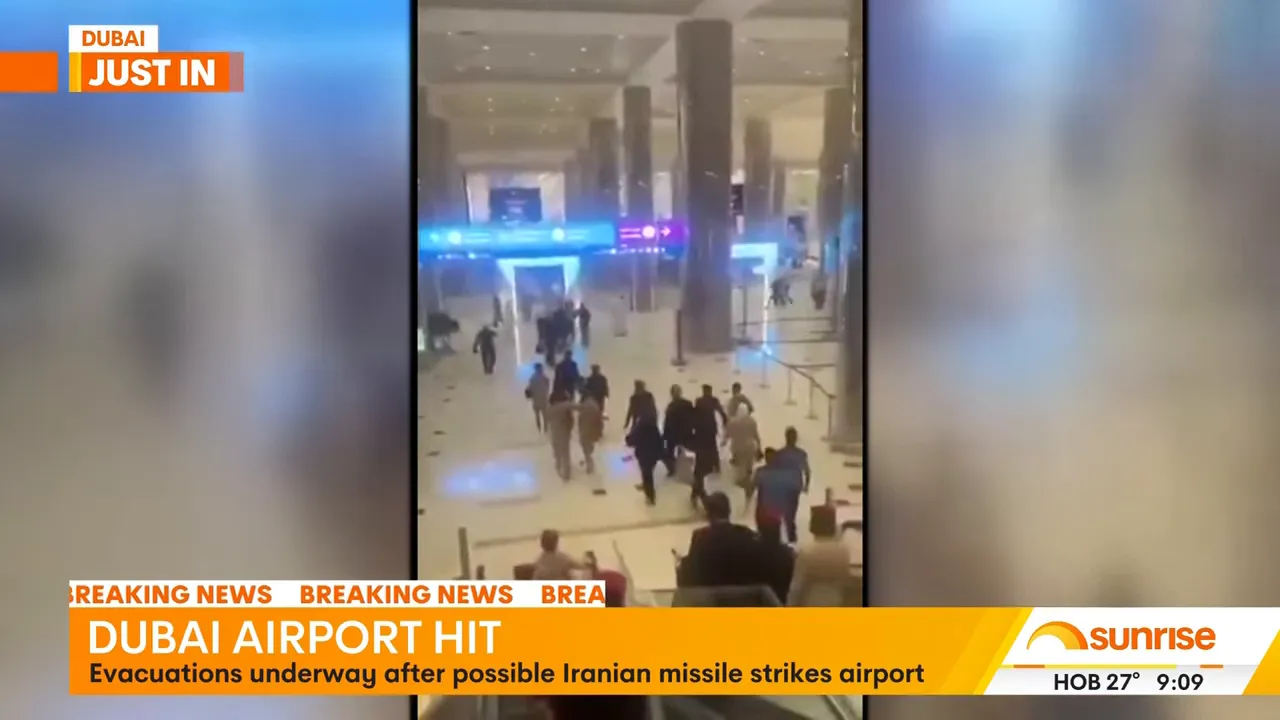
Reports also mentioned hits to civilian infrastructure, including a luxury hotel in Dubai that sustained damage and injuries. The attacks were said to have struck not only military bases but also elements of civilian life, heightening fears for travellers and expatriate communities.
Who is responding — Washington, Canberra and regional actors
In Washington, the president’s recorded statement on social media framed the strikes as defensive and necessary to protect the American homeland. The decision provoked both support and protest in the United States, with demonstrators in Washington, D.C. objecting to renewed military engagement.
In Canberra, Australia’s government called an emergency National Security Committee meeting. Prime Minister Anthony Albanese reaffirmed long-standing support for efforts to prevent Iran acquiring nuclear weapons and expressed backing for measures aimed at supporting the Iranian people’s rights. Australian officials warned citizens not to travel to the region and urged those already there to seek shelter or leave where possible.
Why this matters — regional and global implications
The operation and subsequent retaliation have broadened into what broadcasters described as a wider Middle East war, with six countries reportedly hit by missiles or drones. Analysts warn such escalation risks drawing in more state and non-state actors, disrupting global trade routes, and threatening civil aviation and expatriate communities in the region.
- Regional security: Multiple launch sites and drone strikes increase the risk of miscalculation between states.
- Civilian safety: Airports, hotels and urban centres have been affected, complicating evacuations and humanitarian responses.
- Diplomatic fallout: Allies and neutral nations will face pressure to take positions as the crisis unfolds.
On-the-ground reporting — what witnesses described
Journalists on location described tens of thousands of passengers delayed at airports and images of hurried evacuations. Officials cautioned people in affected areas to stay sheltered and avoid unnecessary travel as aftershocks and counterstrikes continued.
Australian consular services signalled readiness to assist citizens and planned commercial flights to repatriate people where safe operations could be maintained.
What happens next — scenarios to watch
Officials indicated the strikes could continue "through the week or for as long as is necessary" to meet stated objectives. Key developments to monitor include:
- Claims of responsibility and confirmation of casualties among military and civilian targets.
- Actions by neighbouring states and international organisations seeking de-escalation.
- Disruption to international travel and commercial operations in the Gulf and eastern Mediterranean.
Key takeaways
- The Tel Aviv missile strike occurred amid a broader US–Israeli campaign against Iran that provoked widespread Iranian retaliation.
- Civilian infrastructure, including Dubai International Airport and hotels, suffered damage, complicating travel and evacuations.
- Australia convened emergency security briefings and advised citizens to avoid travel to the region.
- The situation remains volatile with potential for further escalation and international diplomatic consequences.
FAQs
What exactly was targeted in the initial operation?
Reporters said the joint operation struck a range of strategic sites including parliament, military bases, nuclear installations and the compound of Iran’s supreme leader. Coverage described the attacks as both conventional and precision strikes aimed at senior figures and infrastructure.
Is Tel Aviv currently safe to travel to?
Authorities and broadcasters advised against travel to the region while strikes and counterstrikes continue. Anyone in affected areas was urged to follow local safety instructions and contact their consulate or embassy for guidance.
How is Australia responding for its citizens?
Australia’s National Security Committee held emergency briefings. The government warned against travel to the region, advised Australians in affected areas to shelter or evacuate if possible, and said commercial repatriation flights would be organised where safe.
What can international observers expect next?
International actors are likely to call for de-escalation while monitoring risks to shipping, aviation and regional stability. The conflict’s trajectory will depend on further military actions and diplomatic interventions over the coming days.
The information in this article has been adapted from mainstream news sources and video reports published on official channels. Watch the full video here Tel Aviv rocked by missile as Iran launches retaliatory attacks | 7NEWS


