Table of Contents
- Breaking developments as the former Venezuelan president is brought to Manhattan to answer US drug and weapons allegations
- How the arrest unfolded and what it means now
- US messaging and regional implications
- What to expect at the Manhattan hearing
- Scenes in Venezuela: protests, casualties and uncertainty
- What happens next
- Key takeaways
- What charges is Maduro facing in New York?
- When and where is the first court appearance?
- Will Maduro be granted bail?
- What are the possible legal outcomes?
Breaking developments as the former Venezuelan president is brought to Manhattan to answer US drug and weapons allegations
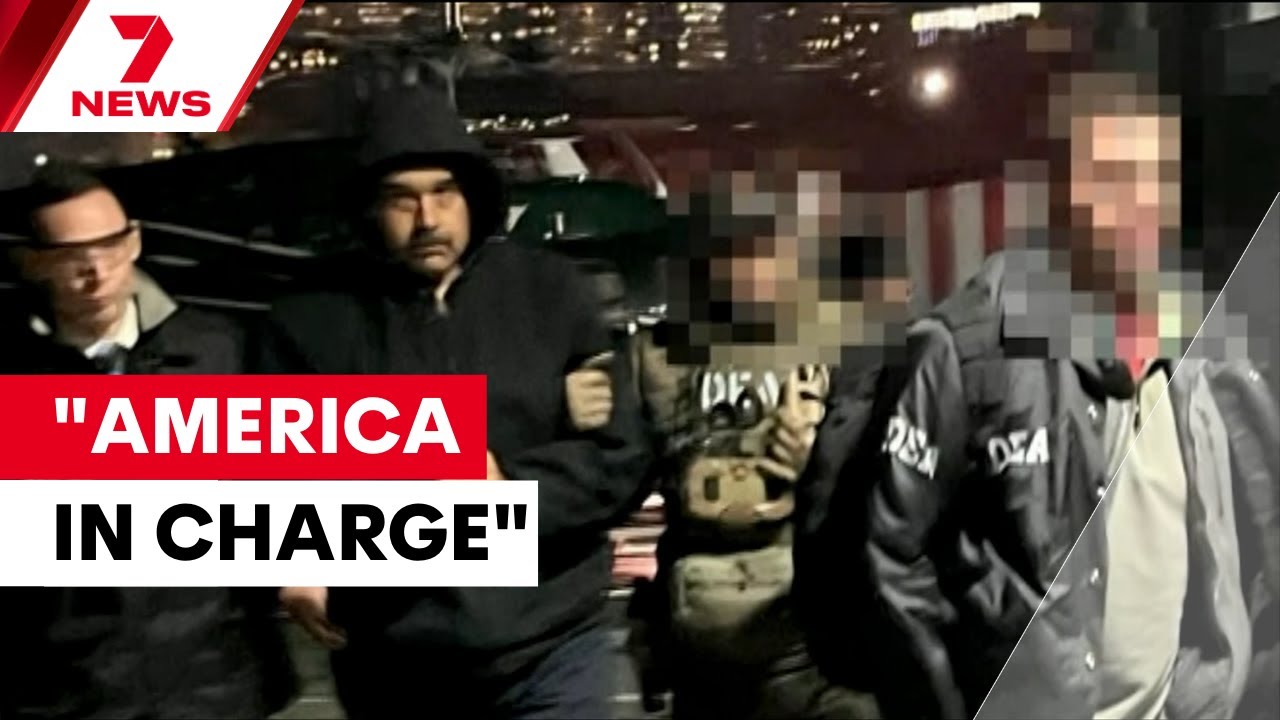
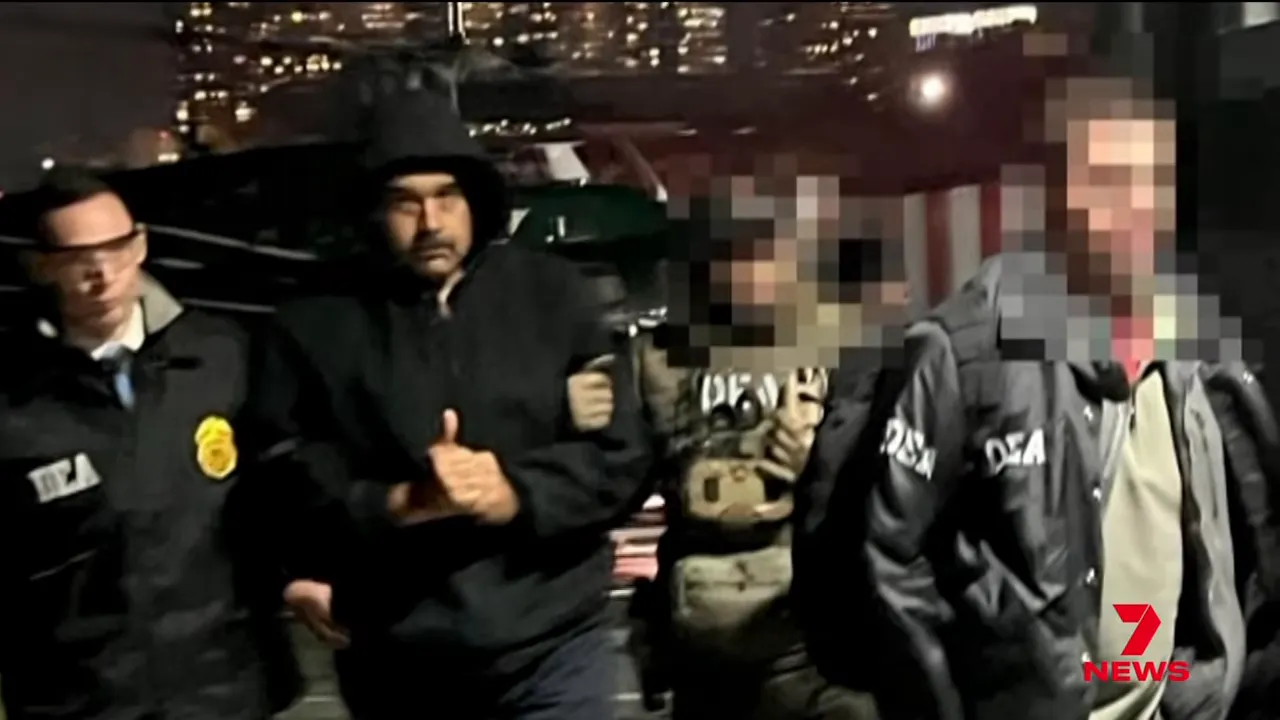
NEW YORK — Nicolás Maduro has arrived in New York and is due to face a Manhattan judge on drug and weapons charges, marking a dramatic escalation in US involvement with Venezuela. Maduro and his wife, identified in reports as Célia Flores, were photographed handcuffed after a late-night transfer and are expected to appear before a judge within hours.
The handover follows a high-stakes raid at the former leader’s residence and has prompted immediate international reaction. The United Nations Security Council has scheduled an emergency meeting, while the White House framed the move as part of a broader foreign-policy shift. Supporters in Caracas staged protests demanding the return of their president, even as officials reported rising fatalities during unrest.
How the arrest unfolded and what it means now
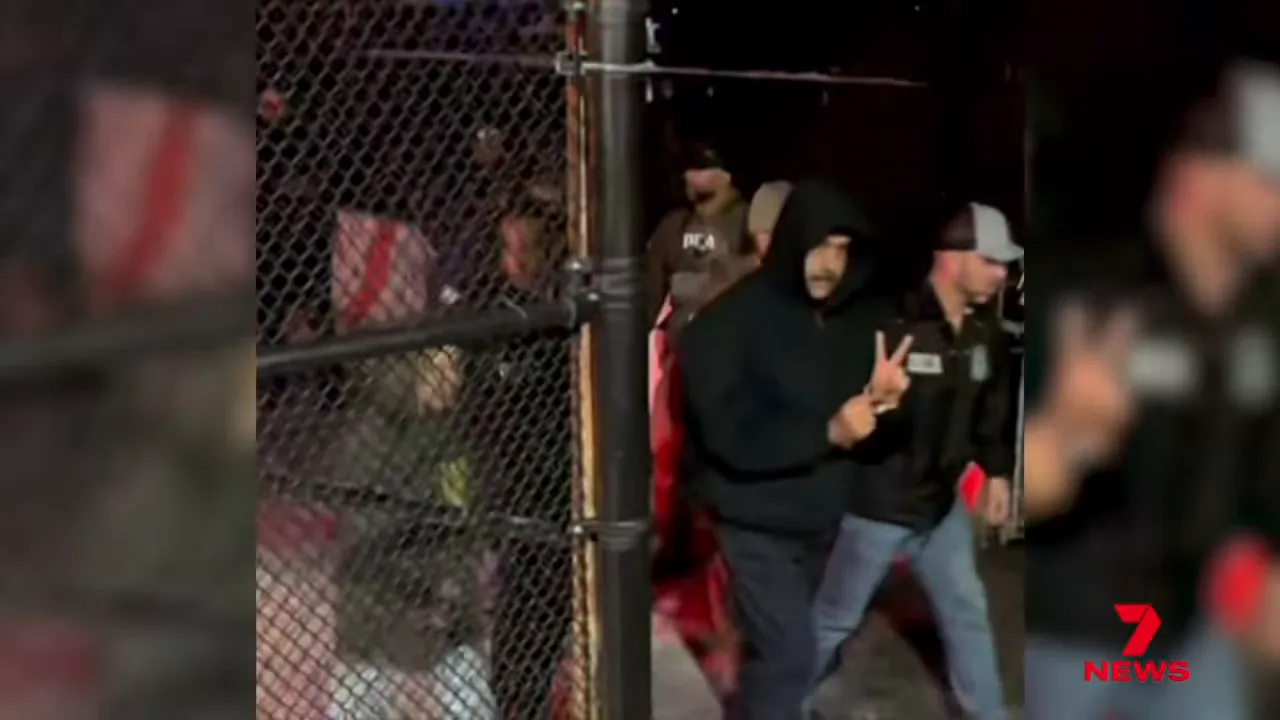
US authorities moved Maduro in a carefully coordinated operation that involved armoured transport and visible security details. New images captured the former president being helped from a vehicle, walking with a limp and giving a thumbs-up beside agents who took him into custody.
Officials say Maduro faces serious charges related to drug trafficking and illegal weapons possession. The arraignment is expected to be procedural: a senior Manhattan judge will ask how the pair plead and will likely rule on bail, with commentators suggesting bail will be denied.
US messaging and regional implications
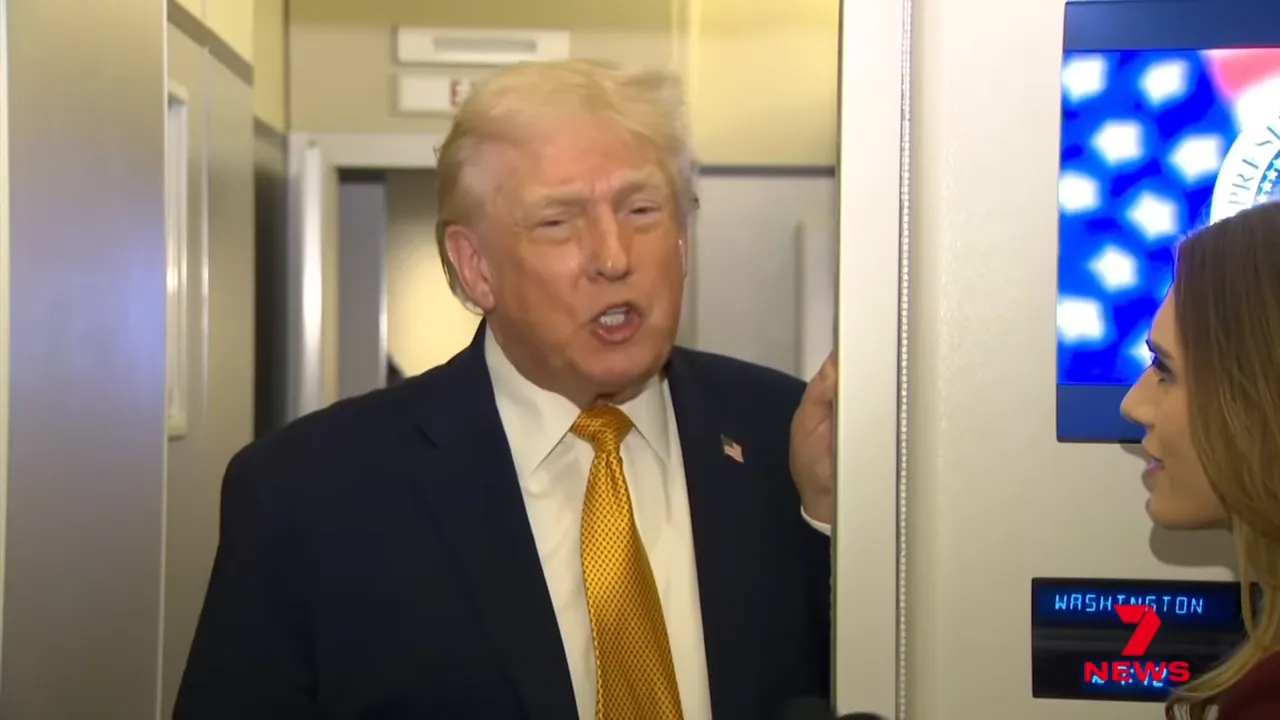
The White House signalled a tougher stance on Venezuela, with President Donald Trump declaring a new posture that he described bluntly: "We're in charge." Secretary of State Marco Rubio has been making media appearances to set out the administration’s rationale, warning that Venezuela could become a base for foreign actors such as Iran, Russia, Hezbollah and China unless action is taken.
"Don't ask me who's in charge because I'll give you an answer and it'll be very controversial... We're in charge."
That rhetoric has widened the crisis from a legal matter to a geopolitical contest. US officials have hinted that other South American leaders who collaborate with hostile foreign powers could be targeted, and Colombia has been referenced in regional security discussions.
What to expect at the Manhattan hearing
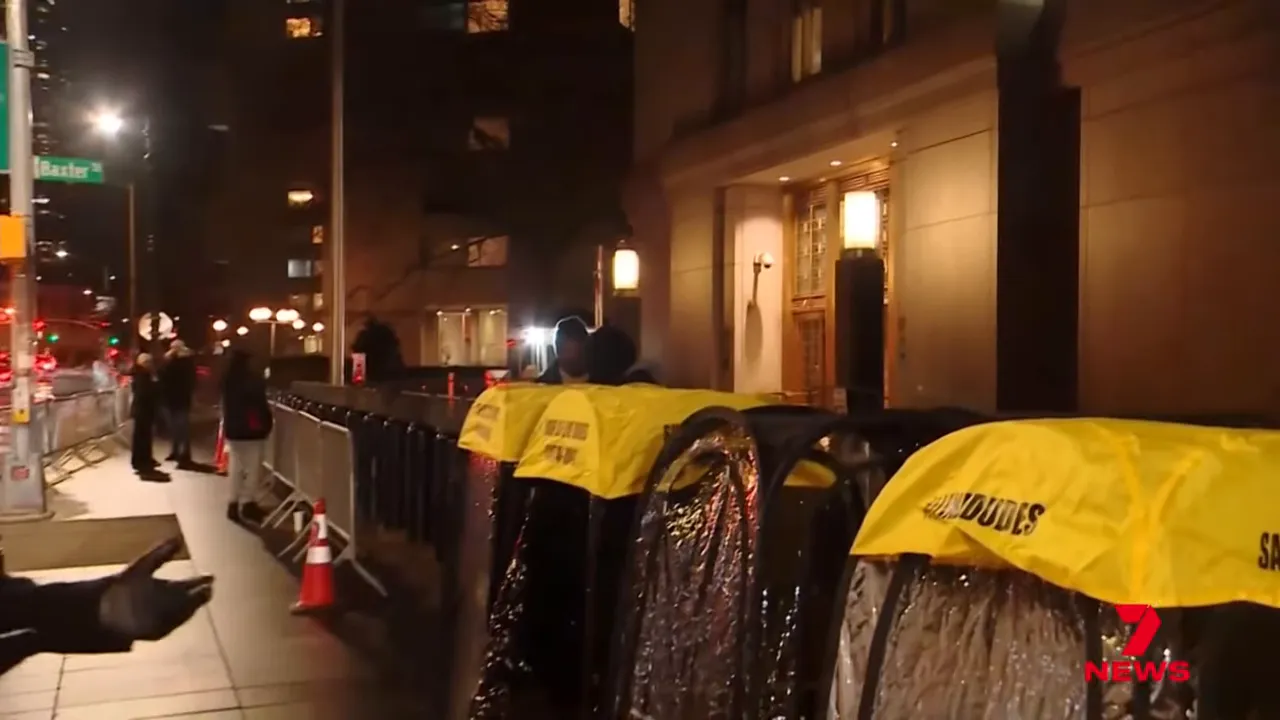
The arraignment is scheduled for noon in Manhattan and is expected to be open to the public but closed to cameras, sparking long queues of people paying proxies to hold places overnight. A 92‑year‑old senior judge will preside, and legal observers anticipate the initial session will be short and largely procedural.
Prosecutors may use the hearing to outline key elements of their case, but a full trial could be a long way off. Reports suggest it could take up to 12 months to select a jury and proceed to trial. If convicted, penalties range from decades to life imprisonment.
Scenes in Venezuela: protests, casualties and uncertainty
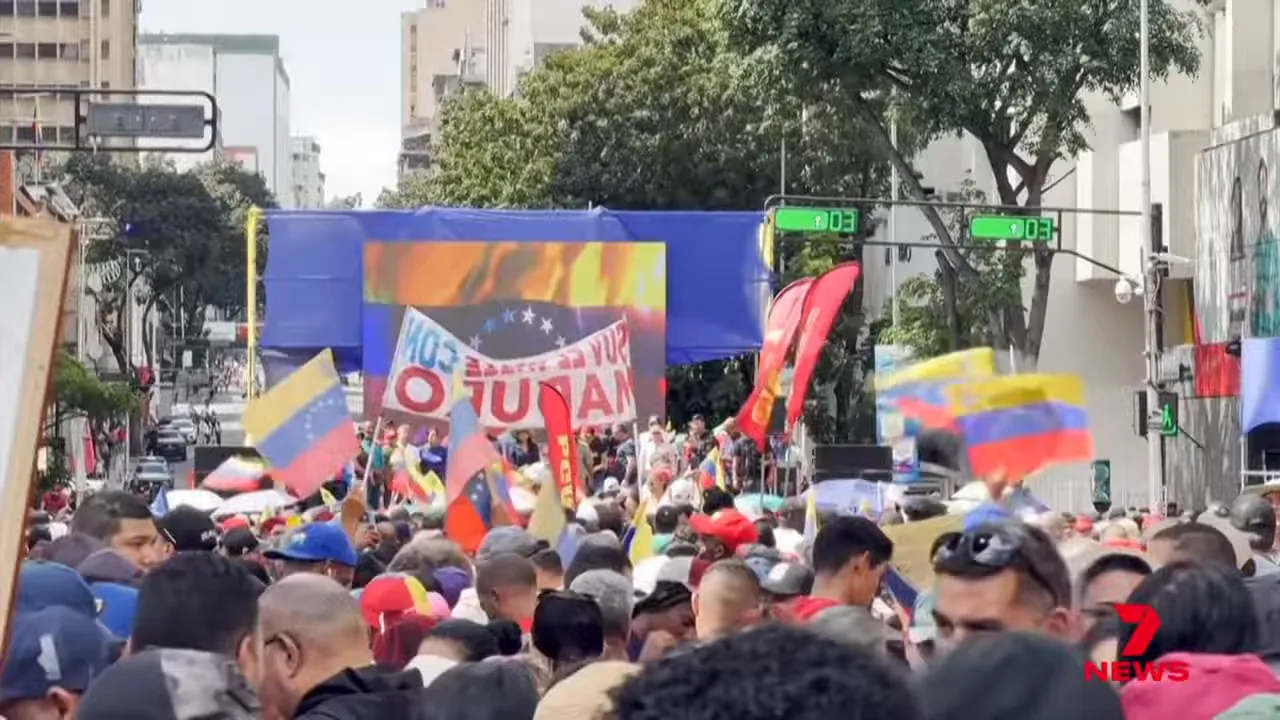
Back in Caracas, supporters of Maduro demonstrated, demanding the return of the president and first lady. At the same time, authorities reported the death toll from recent unrest has climbed, adding a tragic human cost to the political turmoil.
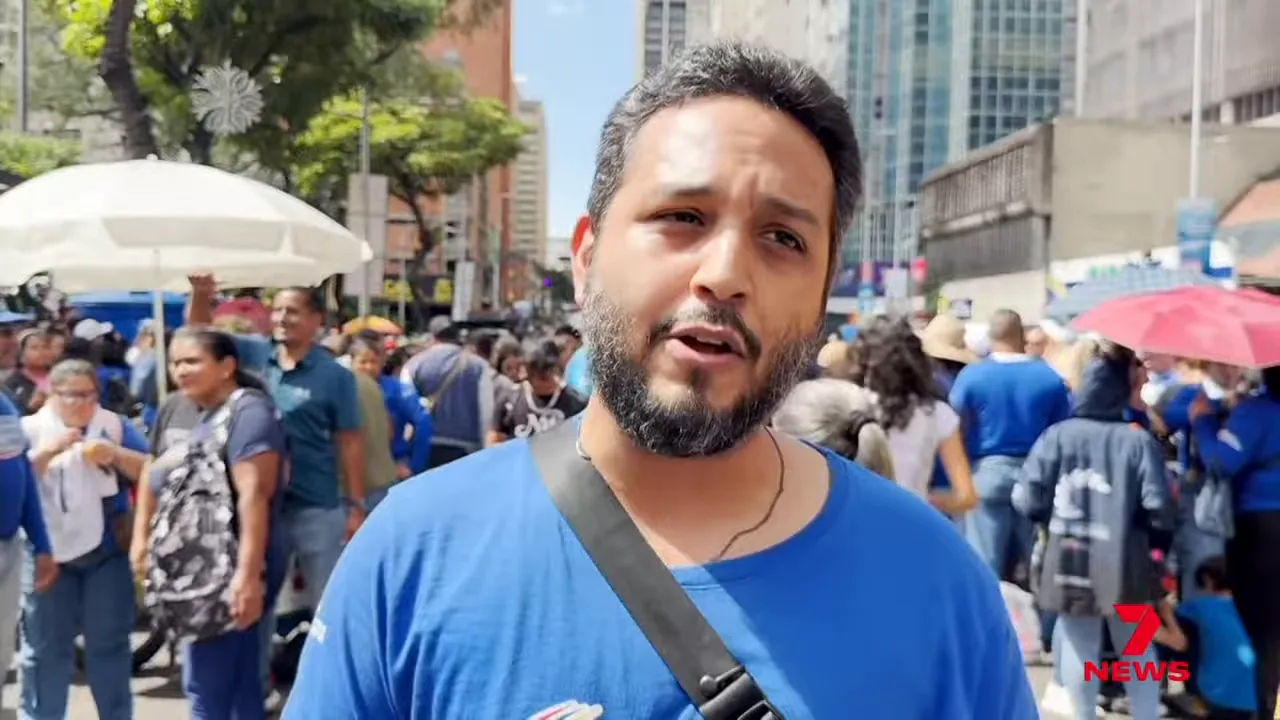
Exiled Venezuelans and opposition figures expressed hope that the arrest will open a path to rebuilding and return. Conversely, many Venezuelans are left wondering what daily life and national sovereignty will look like amid heightened foreign involvement.
What happens next
In the short term, expect intense diplomatic activity, including the UN Security Council meeting and media exchanges as the US defends its actions. Legally, the arraignment will set the procedural framework for a potentially lengthy, politically charged prosecution in New York.
Longer term outcomes hinge on the evidence prosecutors present, the legal process in the US, and how Venezuelan institutions and international partners respond. The case could reshape alliances in the region and influence how foreign powers engage with Latin America.
Key takeaways
- The former Venezuelan president and his wife were transferred to New York to face drug and weapons charges.
- The Manhattan hearing is expected to be procedural; bail is unlikely and a full trial could take a year or more to reach jury selection.
- The US administration presents the action as part of a broader effort to prevent hostile foreign influence in Venezuela.
- Protests and a rising death toll in Venezuela underline the domestic instability driving the crisis.
- Diplomatic fallout is likely, with a UN Security Council meeting planned and regional tensions elevated.
What charges is Maduro facing in New York?
He is accused of involvement in large‑scale drug trafficking and illegal weapons activity; the arraignment will clarify the specific allegations and the evidence prosecutors intend to rely on.
When and where is the first court appearance?
The initial hearing is set for noon in Manhattan. It is expected to be mainly procedural, with cameras not permitted and the judge likely to address pleas and bail.
Will Maduro be granted bail?
Legal commentators expect bail to be denied, given the severity of the charges and perceived flight risk, but the final decision rests with the presiding judge.
What are the possible legal outcomes?
If convicted, Maduro faces lengthy prison terms — reports suggest sentences could range from around 30 years up to life depending on convictions and sentencing guidelines.
The information in this article has been adapted from mainstream news sources and video reports published on official channels. Watch the full video here Maduro faces New York court on drug charges | 7NEWS


