Table of Contents
- Summary of the incident and why it matters
- Context and impact
- What we know so far
- Key questions investigators will need to answer
- What travellers and operators should know
- Key takeaways
- FAQs
Summary of the incident and why it matters
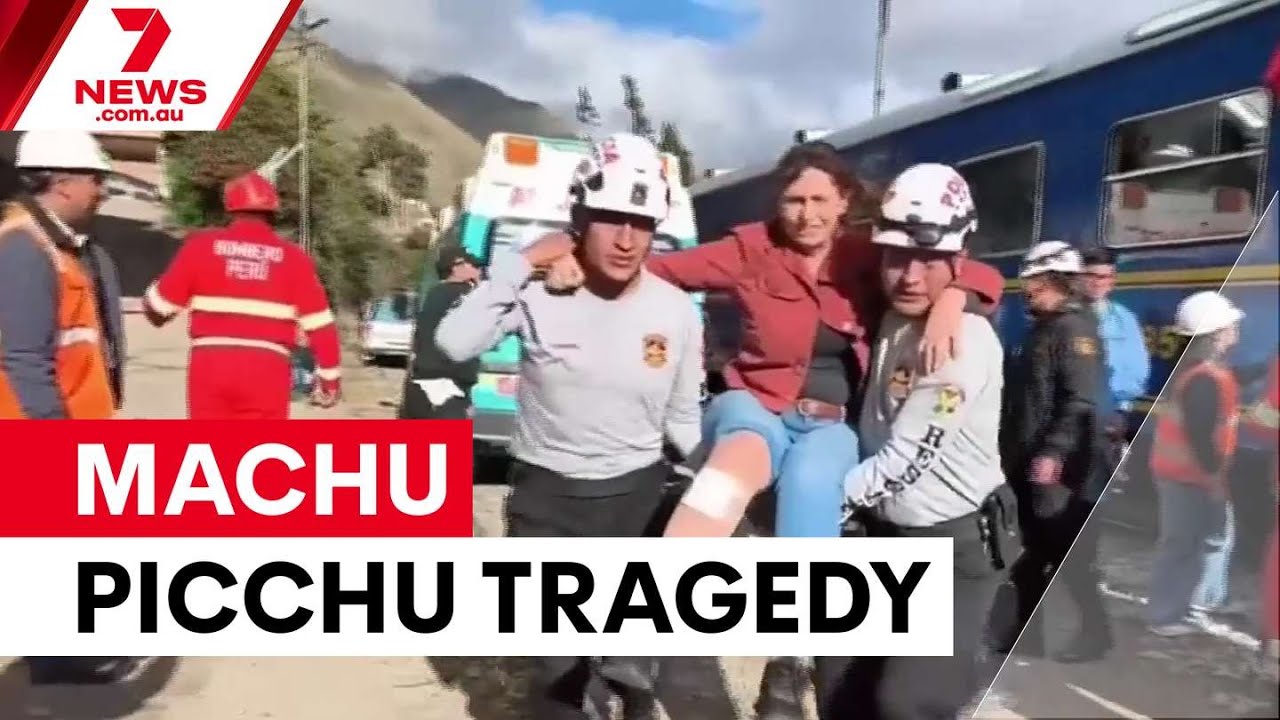
The Machu Picchu train crash has left one train driver dead and about 40 passengers injured, with at least 20 listed in a serious condition. The collision occurred recently on a narrow stretch of railway in Peru’s Cusco region, raising urgent questions about rail safety on the main route to one of South America’s busiest tourist destinations.
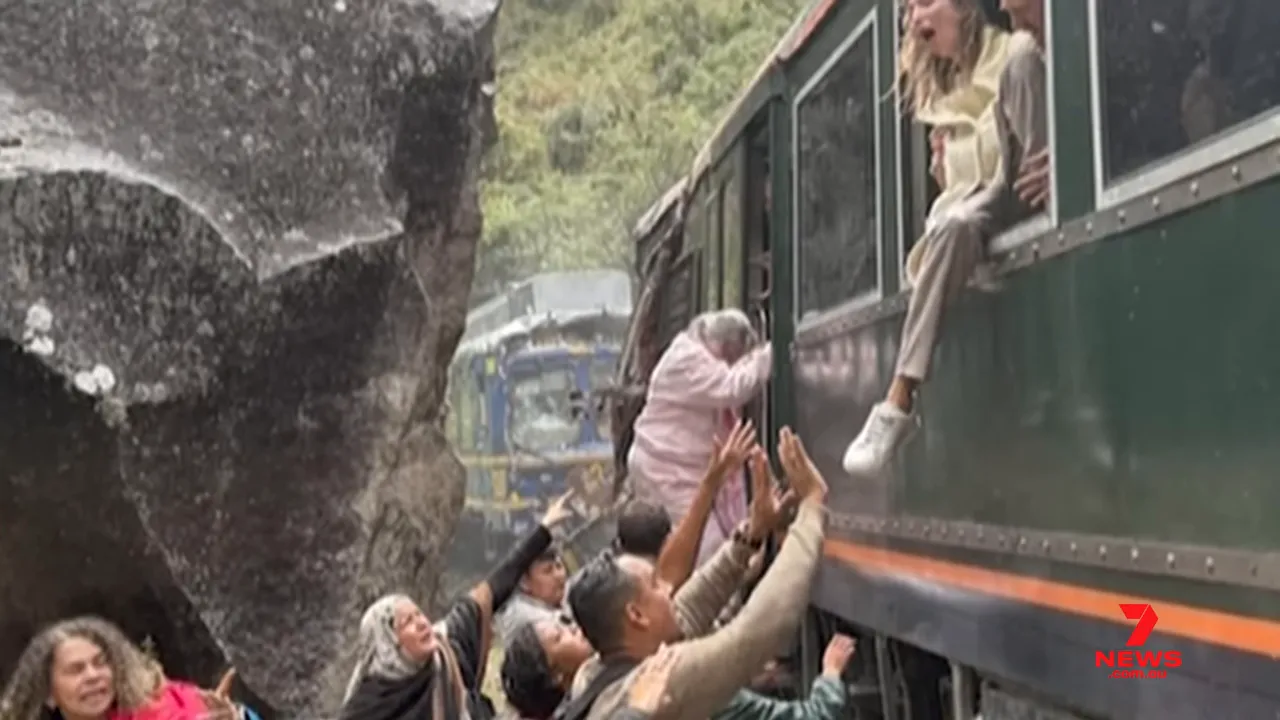
Two passenger trains slammed into each other on a single-track section, scattering people from their seats and causing immediate, chaotic evacuations. First responders — firefighters, police and ambulance crews — converged on the remote site to tend to the wounded and remove passengers from damaged carriages.
Among the injured are international tourists, including five Australians. Reports describe survivors limping or with bandaged heads, and children were among those treated. Local hospitals have taken in many casualties and authorities are working to confirm nationalities and hospital locations for all those affected.
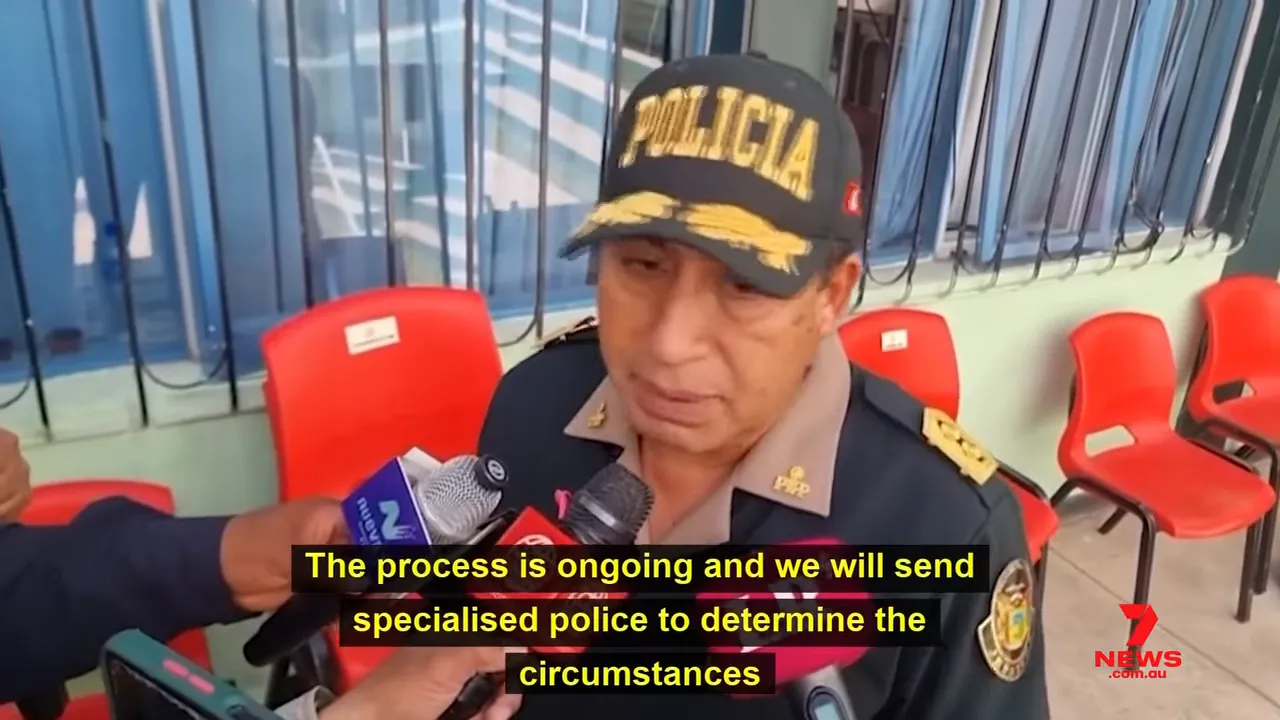
“In all cases it is in the process and we are going to have to go to the police specialisation to determine the circumstances and responsibilities that would have occurred due to this shock.”
Context and impact
Machu Picchu attracts more than a million visitors a year and the railway is the primary access point for many travellers visiting the ancient Inca citadel high in the Andes. This collision has cast a shadow over Peru’s premier tourist attraction and prompted immediate enquiries into operational safety.
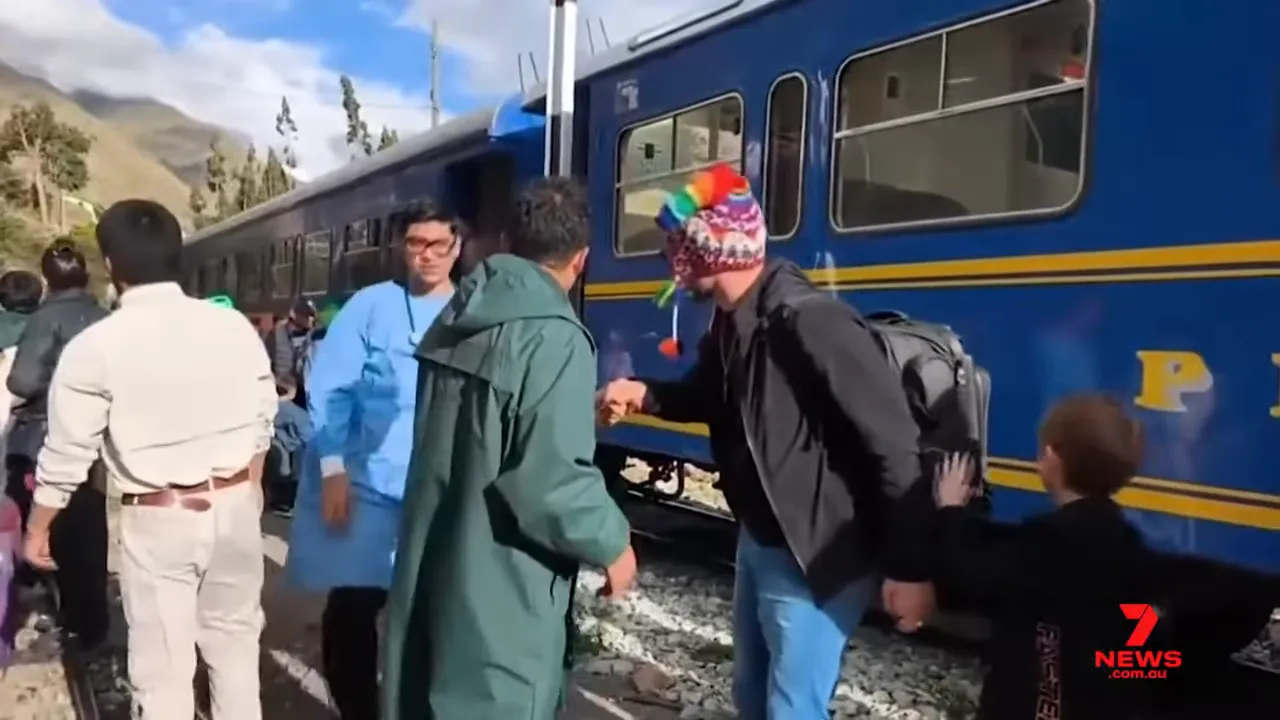
Investigations are focused on how two trains came to be on the same track facing each other, and whether signalling, scheduling or human error contributed. Authorities have indicated the matter will move to specialised police investigators to establish responsibility and determine whether criminal or regulatory charges are appropriate.
What we know so far
- One train driver was killed at the scene.
- Approximately 40 passengers were injured; at least 20 are in serious condition.
- International tourists were among the injured, including five Australians.
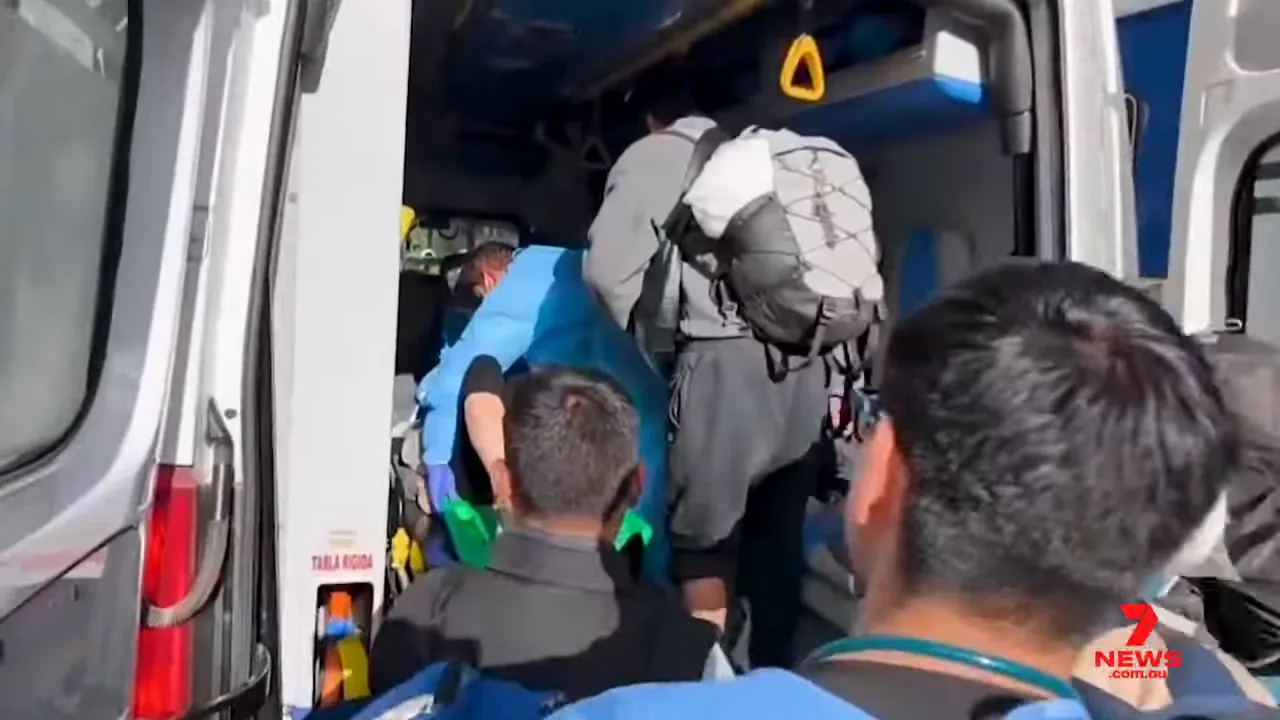
- Rescue teams evacuated survivors from a remote location with ambulances and on-site medical care.
- Investigations are ongoing to establish cause and culpability.
Key questions investigators will need to answer
- Was there a signalling or communications failure that allowed both trains onto the same section of track?
- Were standard safety protocols and speed restrictions in place and followed?
- Is there a pattern of maintenance or operational shortcuts on this route that needs addressing?
- What medical and consular support is being provided to foreign nationals injured in the crash?
What travellers and operators should know
Rail remains the main access route to Machu Picchu for many visitors. Operators, tour companies and travellers should expect heightened scrutiny of safety practices and possible short-term disruptions while investigators and authorities secure the route and review timetables.
Tour companies should contact guests who planned trips to the area, confirm well-being of affected travellers, and provide up-to-date advice on alternative access options and insurance support. Visitors currently in Peru should follow guidance from local authorities and their travel providers.
Key takeaways
- The crash is a serious reminder of the risks on single-track mountain railways and the importance of robust signalling and operational protocols.
- Immediate priorities are casualty care, consular assistance for foreign nationals, and a thorough, transparent investigation.
- Longer-term outcomes may include operational changes, regulatory reviews and improved safety measures on the route to Machu Picchu.
FAQs
How many people were injured in the crash?
About 40 passengers were reported injured, with at least 20 in serious condition.
Were tourists among those hurt?
Yes. International tourists were among the injured, including five Australians.
Was anyone killed in the collision?
One train driver was killed at the scene.
Where did the crash occur?
The collision took place on a narrow section of railway in the Cusco region near Machu Picchu.
What is being done to find out what caused the crash?
Authorities have launched an investigation and plan to refer the matter to police specialists to determine circumstances and responsibilities, including whether signalling or human error played a role.
Will access to Machu Picchu be affected?
There may be short-term disruptions while investigators secure the site and review operations; travellers should check with tour operators for the latest advice.
The information in this article has been adapted from mainstream news sources and video reports published on official channels. Watch the full video here Deadly train crash near Machu Picchu | 7NEWS


