Table of Contents
- Immediate overview and timeline
- Emergency response and environmental hazards
- Why diesel trucks catch fire after a crash
- Damage to road infrastructure and recovery
- Traffic impacts and a reminder on road safety
- Key takeaways
- FAQs
Immediate overview and timeline
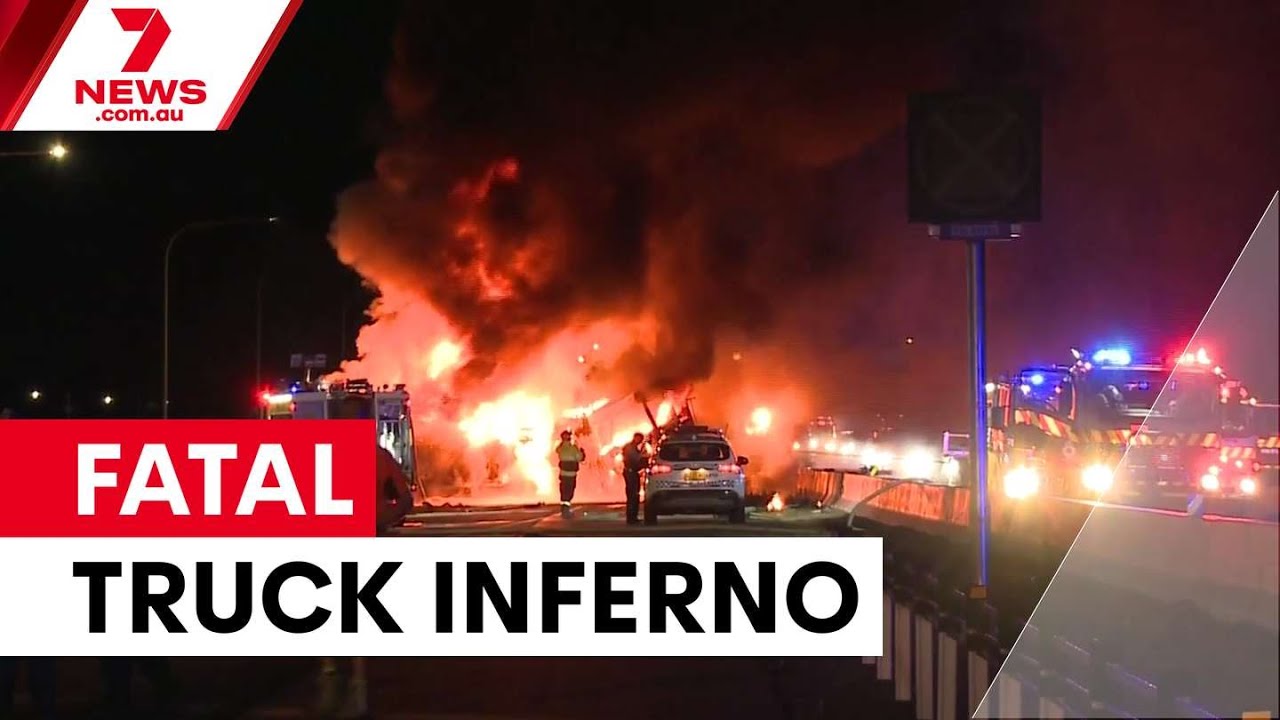
The M7 motorway truck crash occurred at about 12:30am when a southbound semi-trailer jackknifed into a barrier and burst into flames. Emergency services from Fire and Rescue NSW and the Rural Fire Service arrived to find the trailer on its side and the cab well alight.
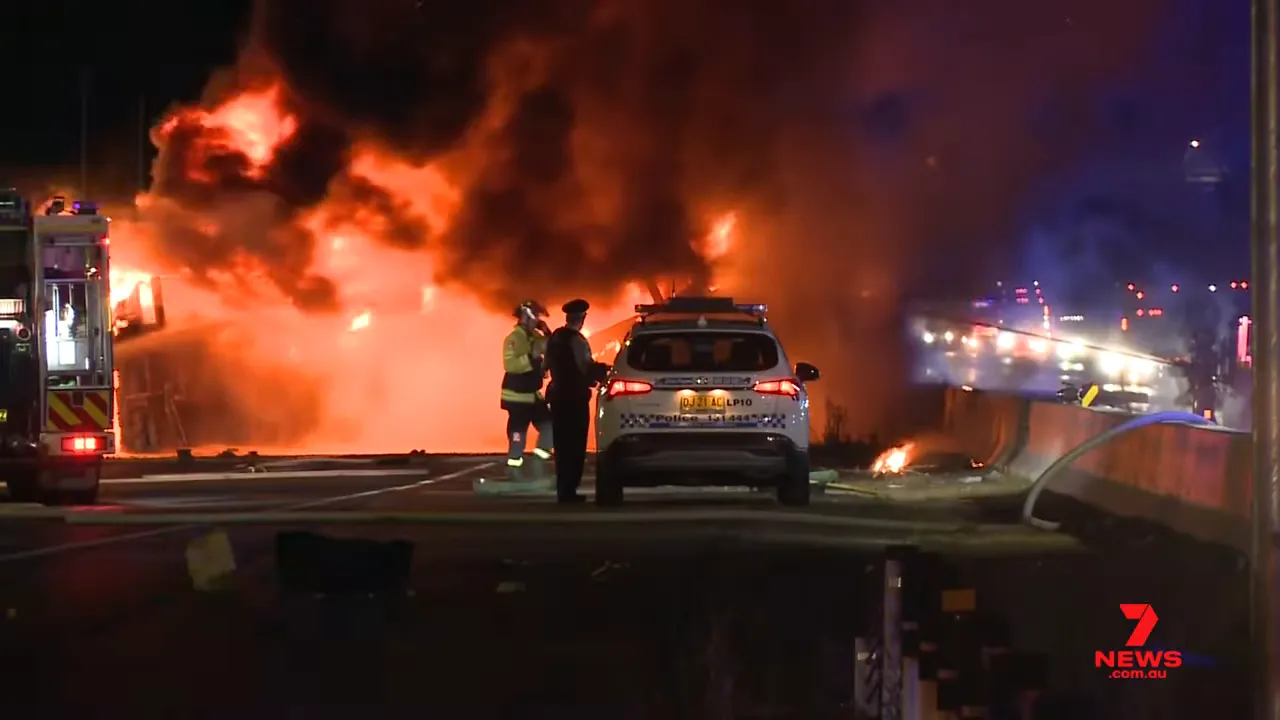
Crews worked to contain the blaze while searching the scene for the driver. After roughly an hour of firefighting the fire was extinguished and the remains of the driver were located in the cabin. Police closed the motorway for several hours while investigations and a large clean-up took place.
Emergency response and environmental hazards
Fire and Rescue NSW led the firefighting effort with support from rural brigades and hazmat teams. Crews deployed booms to control runoff from firefighting water contaminated with diesel and oil.
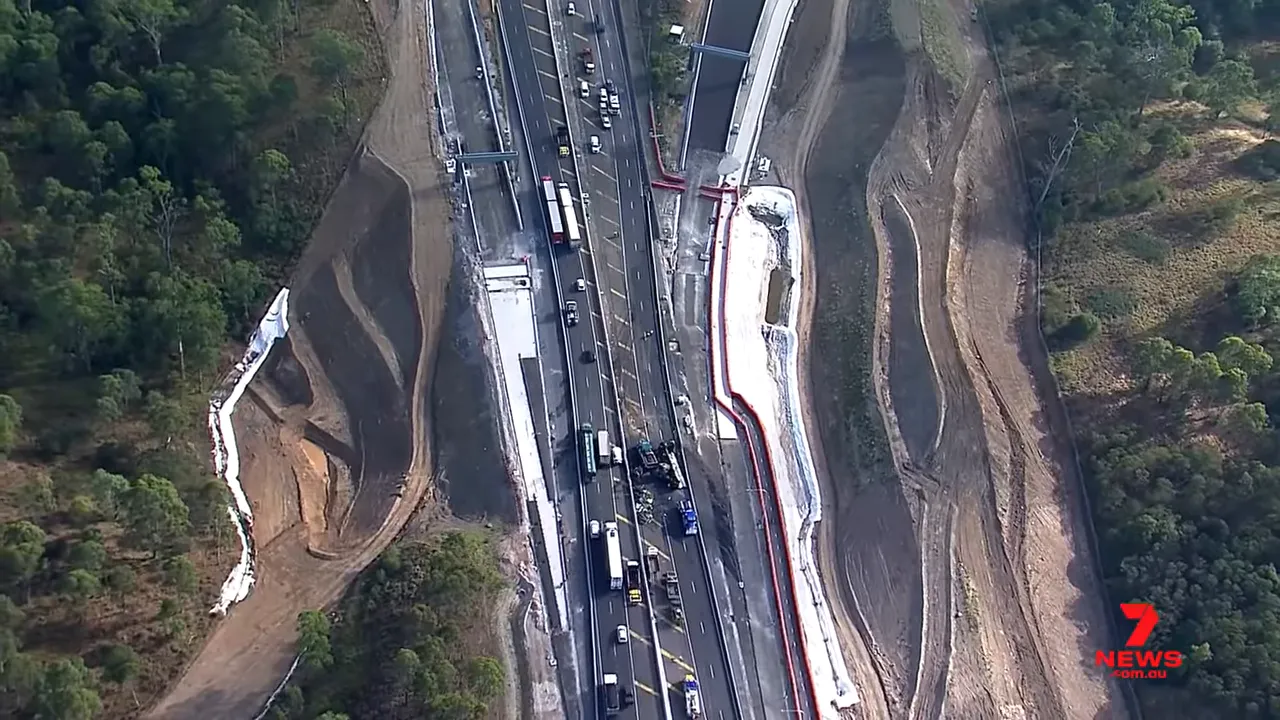
The truck was carrying fruit and vegetables and, as a semi-trailer, weighed in the 20–40 tonne range. That heavy mass, combined with high-speed impact against barriers, produced significant fuel loss and contamination that responders had to manage.
Why diesel trucks catch fire after a crash
Diesel is less volatile than petrol, but large heavy vehicles still present strong ignition risks after a crash. High-speed impacts create friction and heat, fuel and oil can escape from ruptured tanks, and hot components such as turbos and exhausts provide ignition sources.
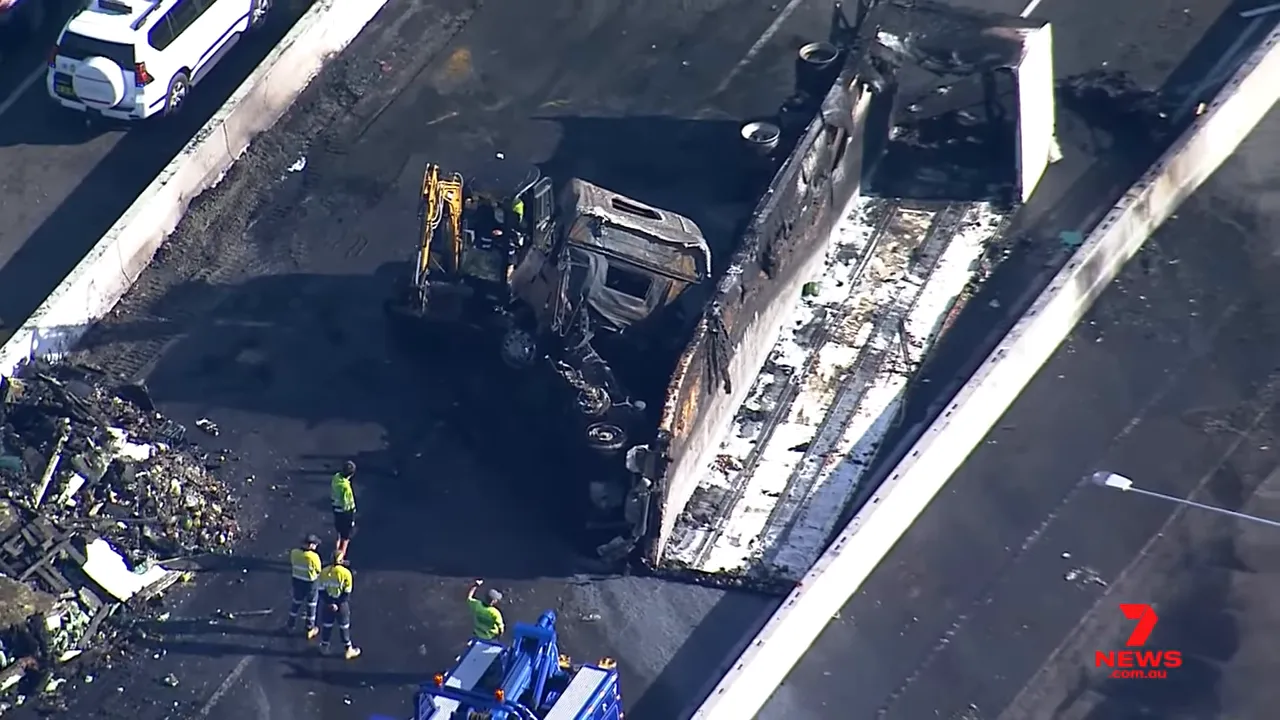
Modern truck bodies and trailers contain fibres, plastics and rubbers that increase fire intensity once ignited; the combined fuel load and combustible materials can lead to rapid, destructive blazes.
Damage to road infrastructure and recovery
The intensity of the fire and the volume of diesel spilled mean the M7 motorway operators will need to assess road surface and barrier damage. Debris removal and contamination clean-up are the first priorities so traffic can be restored safely.
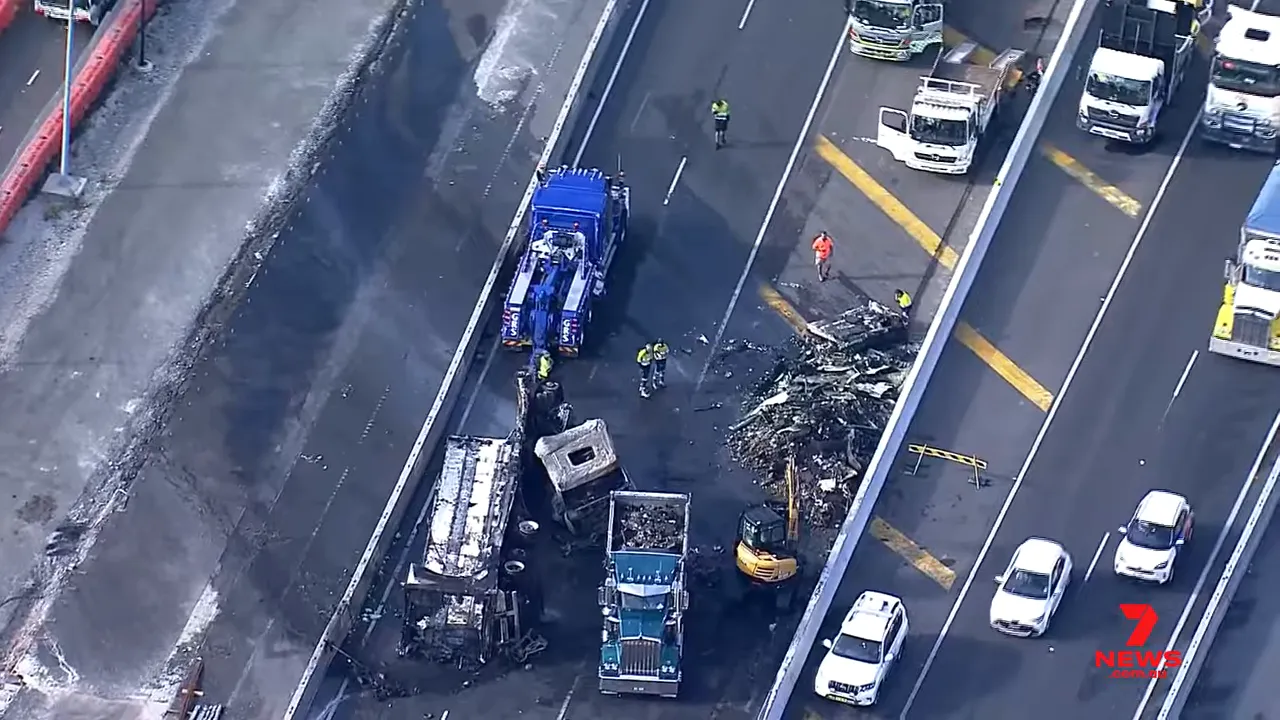
Longer-term repairs to asphalt, barriers and drainage will follow. Operators typically reopen lanes as soon as it is safe, then schedule repairs that require lane closures outside peak times to minimise disruption.
Traffic impacts and a reminder on road safety
Southbound traffic was shut down and diversions put in place while northbound lanes also slowed as drivers rubbernecked the scene. These secondary slowdowns are common but can create further risk on major motorways.
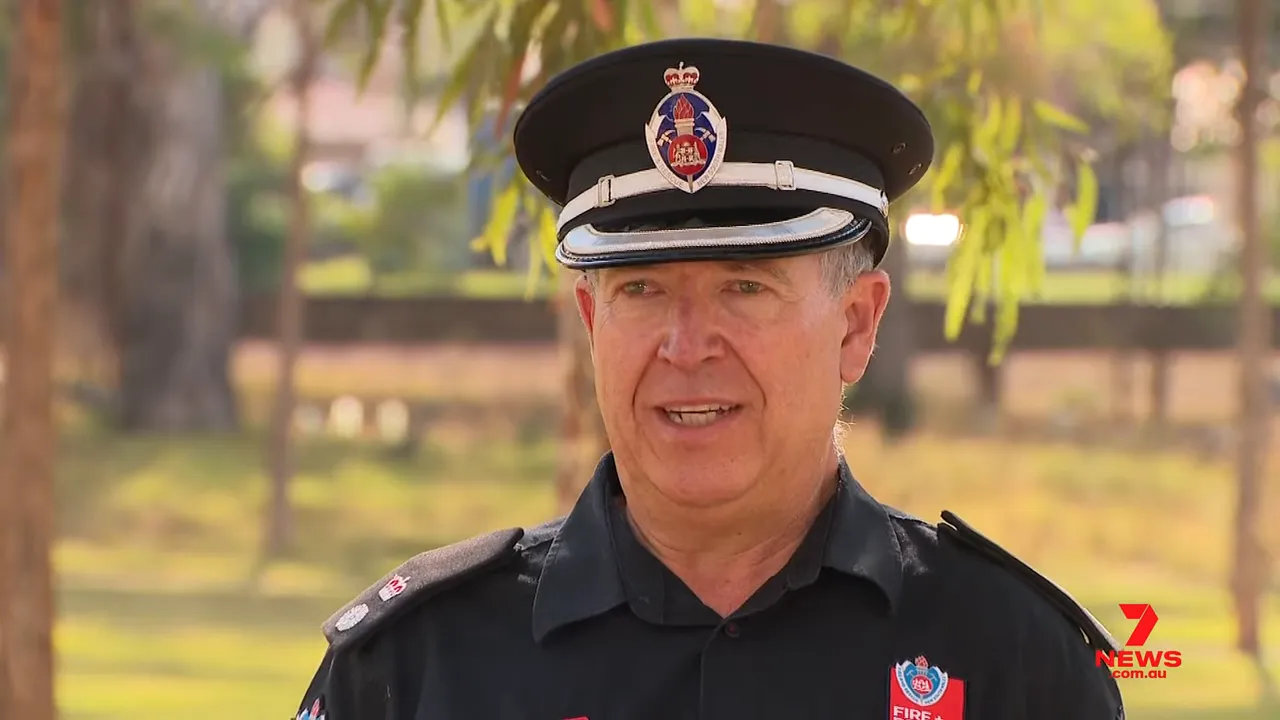
A real tragedy here.
Incidents like this underline how quickly a simple journey can become fatal. Heavy vehicle crashes with fire and spillage have lasting consequences for families, first responders and road users. Drivers are urged to stay alert, avoid distractions and drive to conditions at all times.
Key takeaways
- Early-hours jackknife on the M7 led to a major fire and the death of the truck driver.
- Firefighting and hazmat crews contained runoff and managed contamination from diesel and oil.
- Heavy vehicles can ignite after crashes due to ruptured tanks, hot components and combustible vehicle materials.
- Motorway operators prioritise reopening lanes then carry out longer-term repairs to pavement and barriers.
- Rubbernecking and secondary slowdowns increase risk; caution and attention are essential for all road users.
FAQs
How long was the motorway closed after the crash?
The motorway was closed for several hours to allow firefighting, hazardous-material containment and a thorough clean-up before traffic could be safely restored.
What caused the truck to catch fire?
The fire followed a high-speed jackknife and impact. Heavy friction, ruptured fuel and oil lines, and hot engine components provided ignition sources; plastics and rubbers in the vehicle then intensified the blaze.
Was the truck carrying dangerous goods?
The trailer was carrying fruit and vegetables, not classified dangerous goods, but diesel and engine oil spills from the vehicle still created significant environmental and safety hazards.
Will the road need major repairs?
Authorities will inspect the pavement and barriers once debris is removed. Initial work focuses on reopening lanes, with longer-term repairs scheduled as needed to address heat and contaminant damage.
What should drivers do if they witness a similar incident?
Pull over safely away from the incident if you can, call emergency services immediately, and avoid approaching burning vehicles. Do not attempt to recover spilled fuel or enter contaminated runoff areas.
The information in this article has been adapted from mainstream news sources and video reports published on official channels. Watch the full video here Driver killed in fiery M7 motorway truck crash | 7NEWS


