Table of Contents
- A suburban house fire highlights a growing battery hazard ahead of Christmas
- How the fire started and what investigators are looking at
- Fire services' warning ahead of the holiday season
- Practical steps to reduce your household risk
- Aftermath for the Fabian family
- Key takeaways
- FAQs
A suburban house fire highlights a growing battery hazard ahead of Christmas
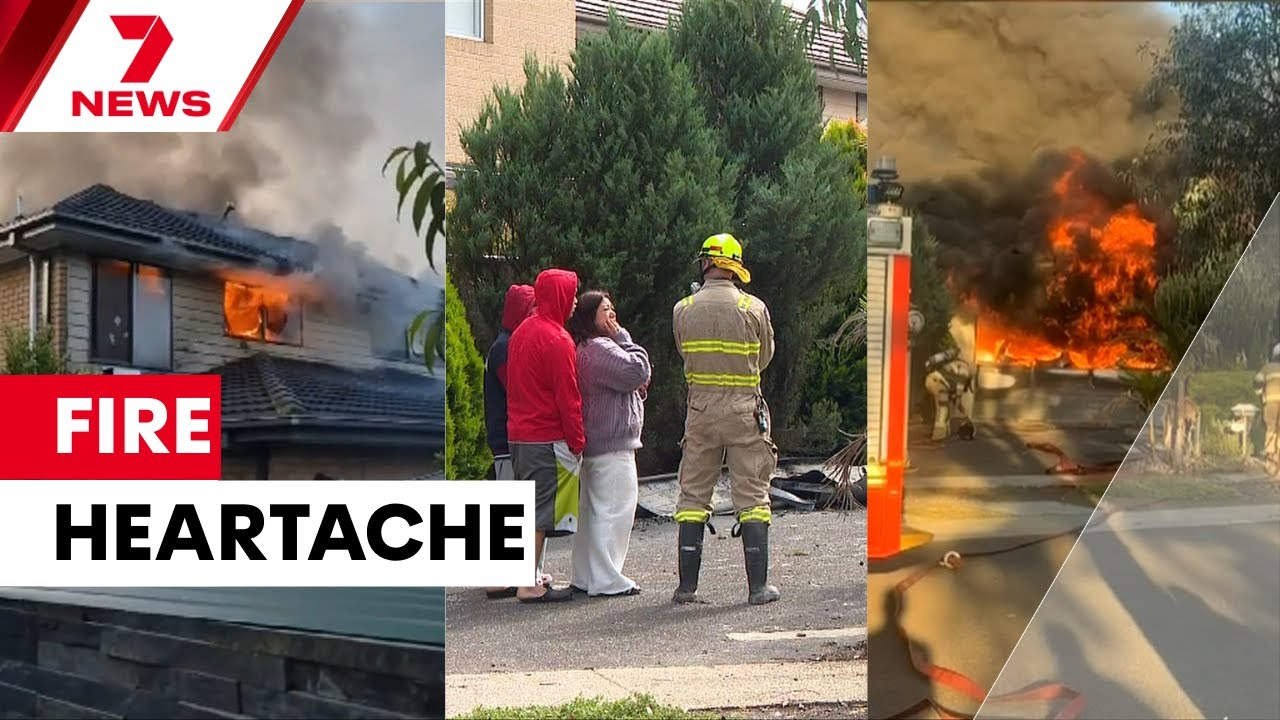
CAROLINE SPRINGS, VIC — A devastating blaze that destroyed a family home has drawn fresh attention to the lithium-ion battery fire risk affecting households across Victoria. The Fabian family escaped a fast-moving inferno after lithium batteries charging in their garage are believed to have sparked the fire, leaving possessions and Christmas presents destroyed and precious photos rescued in boxes.
The emergency began just before 7:40pm when smoke and a loud bang alerted members of the household. The father, Troy, became separated from his wife Grace and their two teenagers in the backyard and ran back into the burning house searching for them. He suffered burns to his hands but is expected to recover.
How the fire started and what investigators are looking at
Fire investigators are probing a likely ignition source in the garage where several lithium-ion batteries were charging. Items reported on charge included power-tool batteries and a plug-in mosquito repellent device. Lithium cells can fail suddenly if damaged, poorly manufactured, or charged with the wrong equipment — producing heat, flames or an explosive bang.
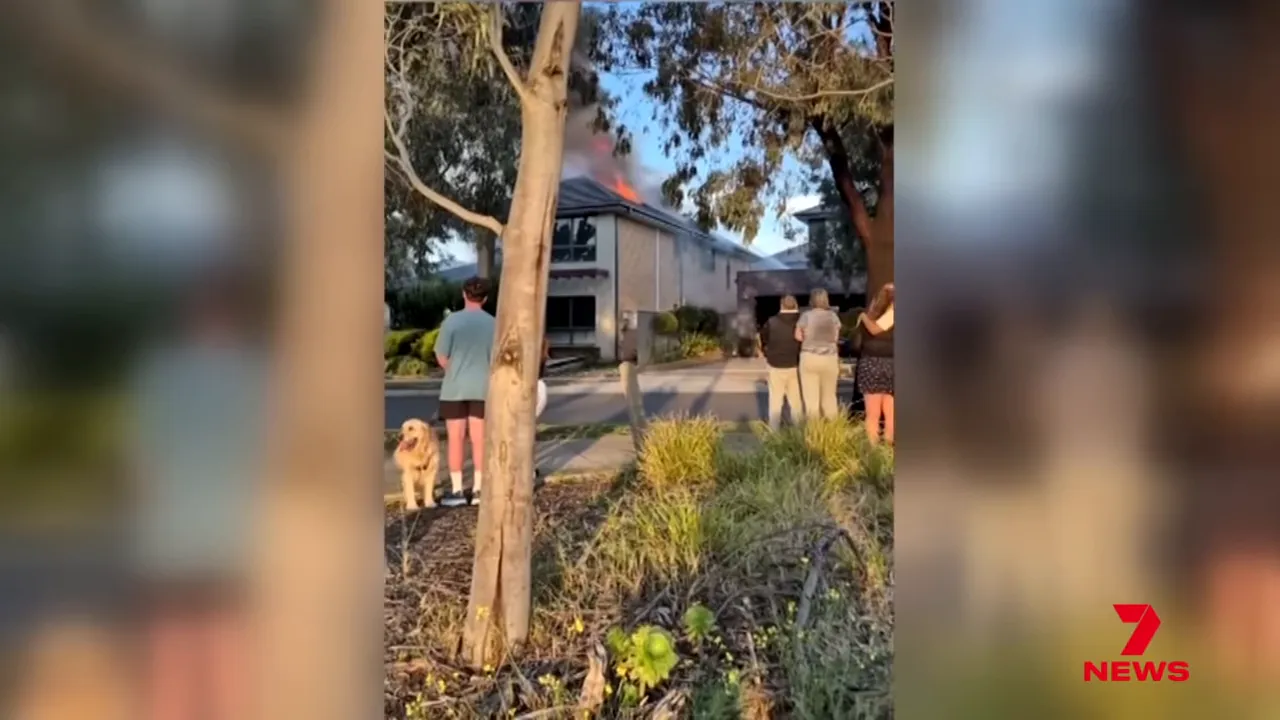
Witnesses described how quickly the flames spread. Neighbourhood firefighters who attended noted the house was “gone in just minutes,” underscoring how rapid a lithium-related fire can become once thermal runaway begins.
Fire services' warning ahead of the holiday season
Fire authorities in Victoria say incidents linked to lithium batteries are occurring roughly once a week and that figure is rising. With more households buying rechargeable devices and gifts over summer, fire services have issued clear guidance: buy from reputable suppliers, use only the charger supplied, and remove batteries from charge once fully charged.
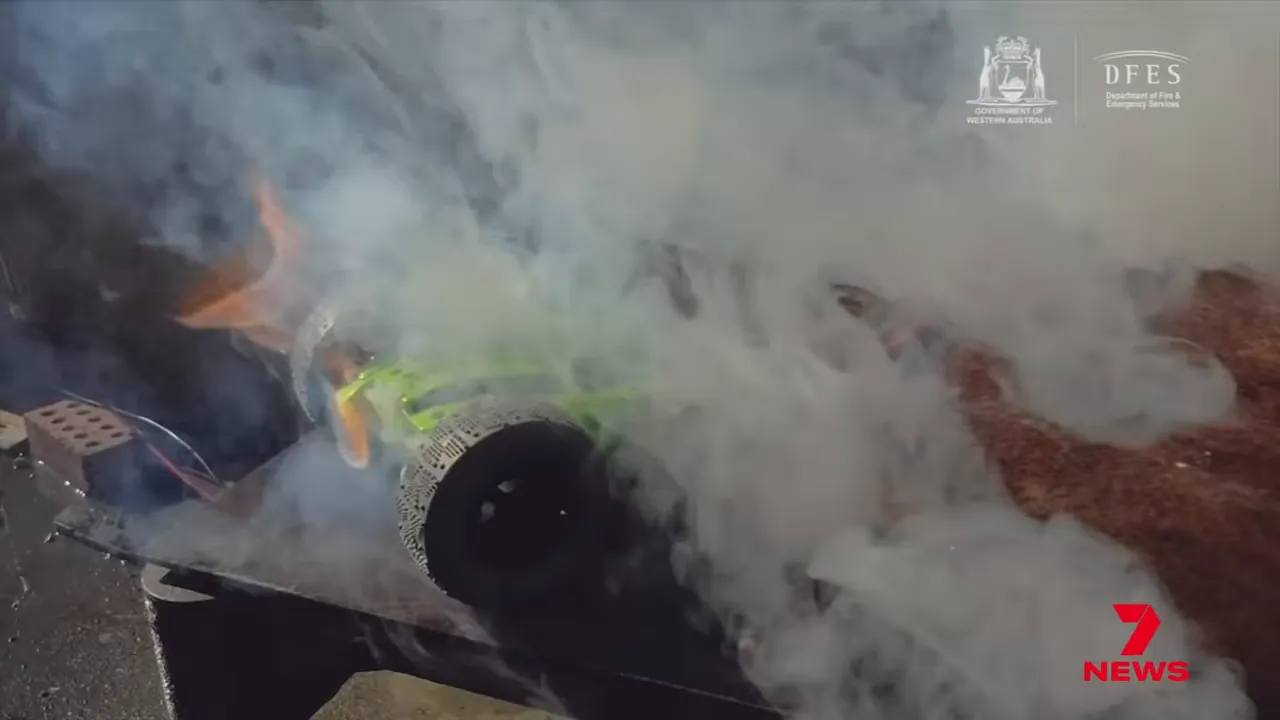
These practical steps are aimed at reducing the risk of overheating, short circuits or incompatible charging that can trigger a thermal runaway event.
Practical steps to reduce your household risk
Simple precautions can significantly lower the chance of a battery-related fire:
- Only use the charger that came with the device or a manufacturer-approved replacement.
- Charge batteries on a non-flammable surface and avoid charging them unattended overnight.
- Store spare or damaged batteries in a cool, dry place and away from metal objects that could short them.
- Choose reputable brands and retailers — cheap, counterfeit or damaged batteries carry higher failure rates.
- If a battery becomes hot, swollen, emits a smell or makes unusual noises, move people away and call emergency services if a fire starts.
Aftermath for the Fabian family
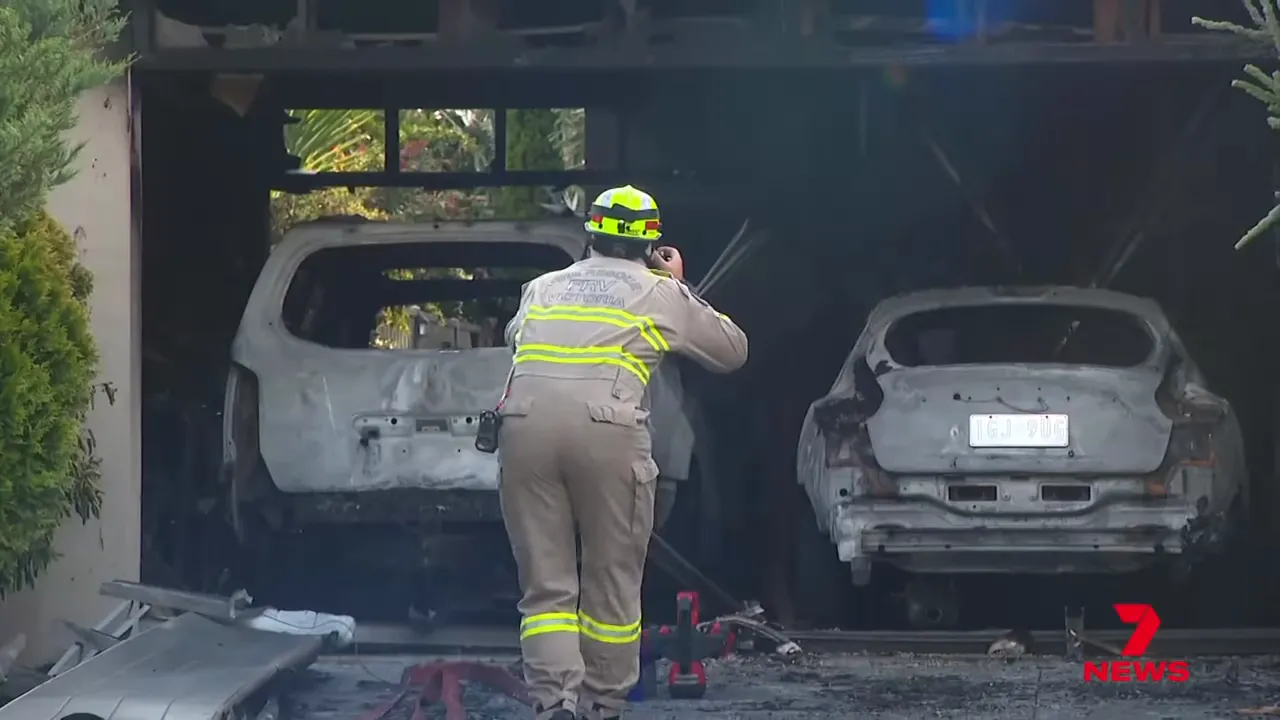
The house where the family made 13 years of memories was lost. While the family escaped safely, nearly all of their possessions and Christmas presents were destroyed. What remains are boxes of photographs — tangible reminders of what was lost and what was salvaged.
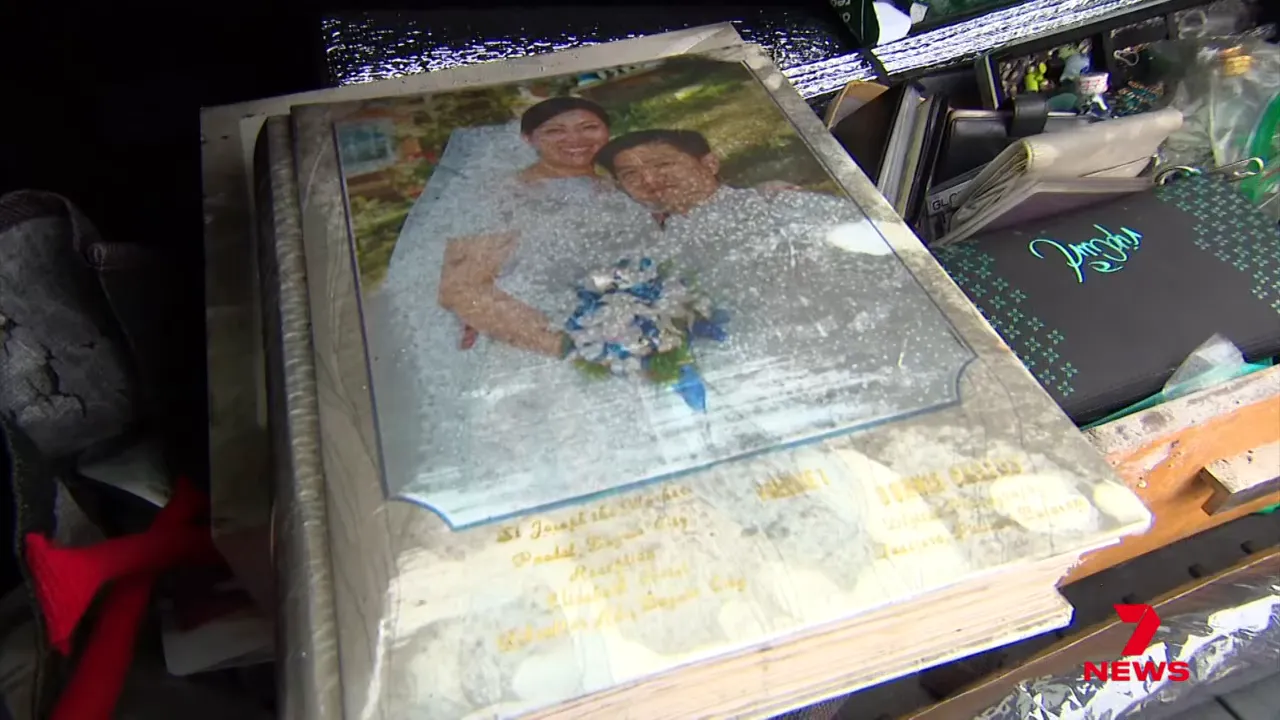
The family has expressed shock and disbelief, and the local community is supporting them as they recover from the trauma and begin the long process of rebuilding.
Key takeaways
- Lithium-ion battery incidents are increasing and can escalate quickly.
- Use the correct charger, buy reputable products, and never leave charging batteries completely unattended.
- Place charging devices on non-combustible surfaces and remove them from charge when full.
- If you suspect a battery is failing, prioritise personal safety and call emergency services rather than attempting to fight an out-of-control battery fire.
FAQs
What commonly causes lithium-ion battery fires in homes?
Fires usually stem from damaged cells, faulty or counterfeit batteries, improper chargers, or physical damage that leads to internal short circuits and thermal runaway. Charging on flammable surfaces and leaving batteries unattended increases the risk.
How often are these fires occurring in Victoria?
Fire services report incidents involving lithium batteries are occurring at an approximate rate of once a week across Victoria, and the trend is increasing as more rechargeable devices are used in homes.
What immediate steps should I take if a battery overheats while charging?
Unplug the charger if it is safe to do so, move people away, and avoid breathing fumes. If the battery swells, smokes or ignites, evacuate the area and call emergency services — do not try to carry a burning battery through your home.
How can I safely charge batteries at home?
Charge on a non-flammable surface, use the manufacturer’s charger, avoid charging overnight or when you’re away from home, and remove batteries from charge once they reach full capacity.
The information in this article has been adapted from mainstream news sources and video reports published on official channels. Watch the full video here Family escapes Caroline Springs inferno - A warning about a common fire risk | 7NEWS


