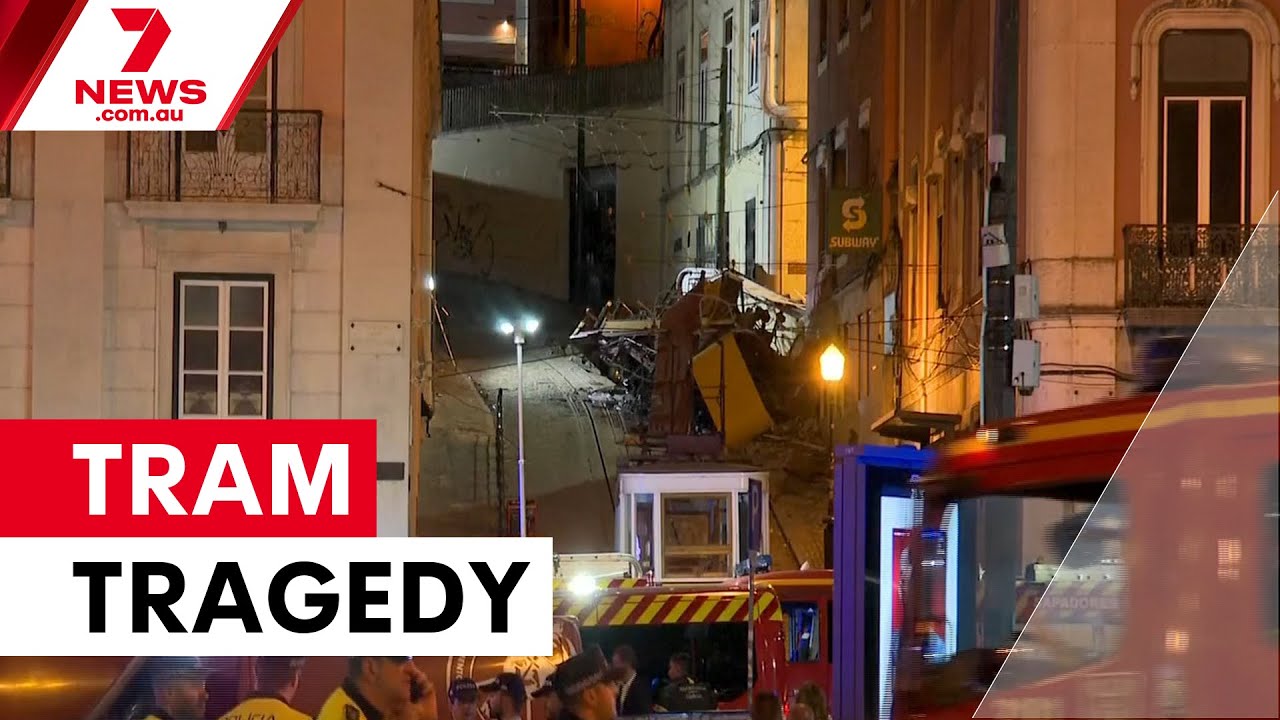
One of Lisbon’s iconic yellow funicular trams derailed and crashed into a building in the city centre, killing at least 15 people and injuring more in one of the deadliest modern accidents in Portugal’s capital. Authorities say both locals and tourists were among the casualties, and the Australian Department of Foreign Affairs has confirmed it is assisting one Australian who was injured.

Table of Contents
- What happened
- The scene and eyewitness accounts
- The Glória funicular — a 19th-century icon
- Casualties and international victims
- Cause, investigation and official response
- Immediate aftermath and emergency efforts
- Conclusion
- FAQ
What happened
The crash occurred on a steep central Lisbon slope where the Glória funicular operates. According to witnesses, one of the cars "lost control and slammed into a building," sending clouds of dust and smoke through the area and triggering chaotic scenes as bystanders attempted to help survivors.

"Clouds of dust, smoke and the cries of people filled the air in central Lisbon when one of the cars lost control and slammed into a building, killing at least 15 people and injuring more."
The scene and eyewitness accounts
Witnesses described how quickly events unfolded. Many said there was nothing they could do but run, and then turn immediately to search for others who might need help. One witness described seeing the tram tip over on a curve and crash into the building, and reported seeing a man on the pavement who appeared unlikely to be unharmed.
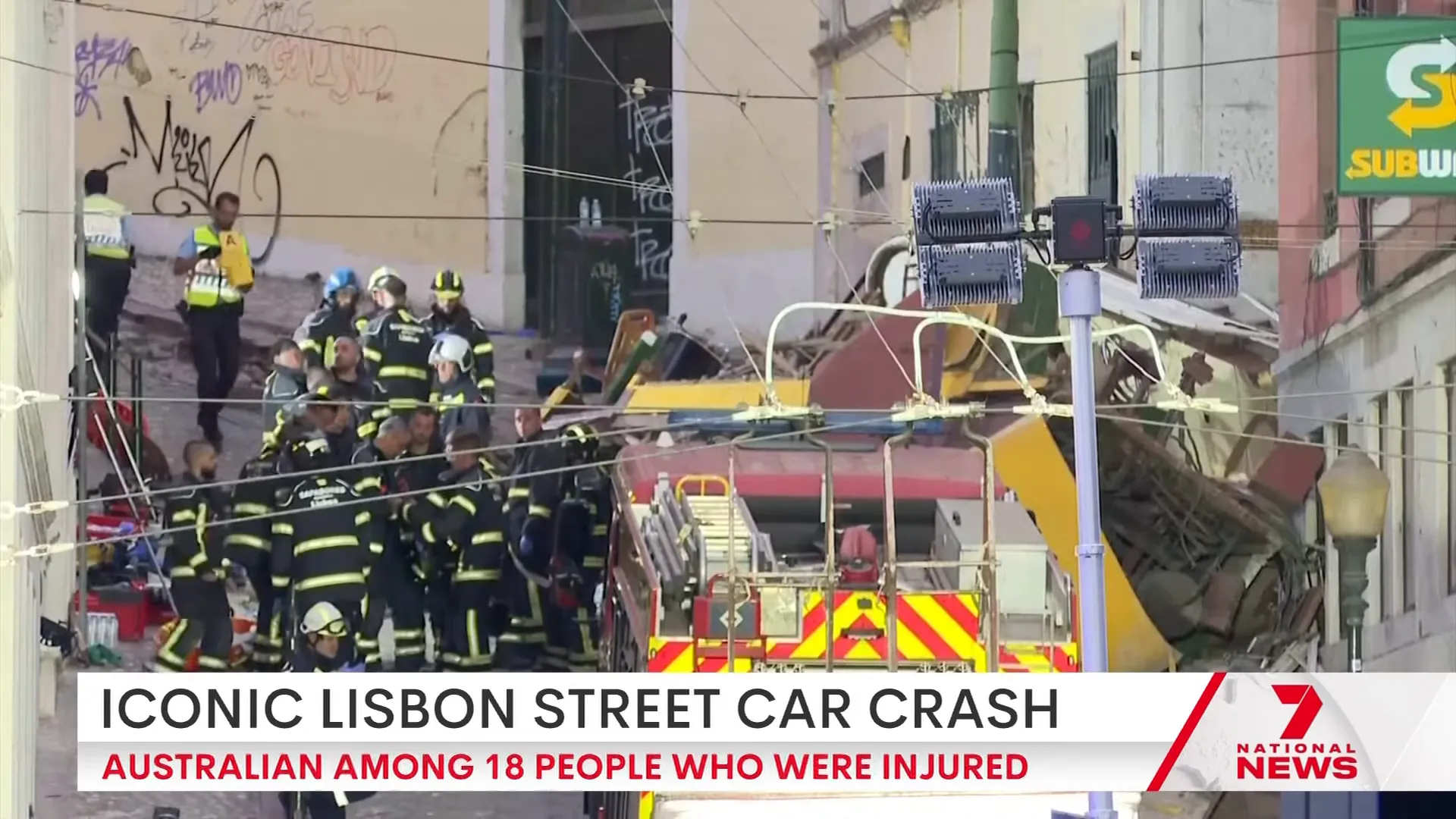
"When I looked back I saw the crash, because of the curve it tipped over and crashed into the building."
The Glória funicular — a 19th-century icon
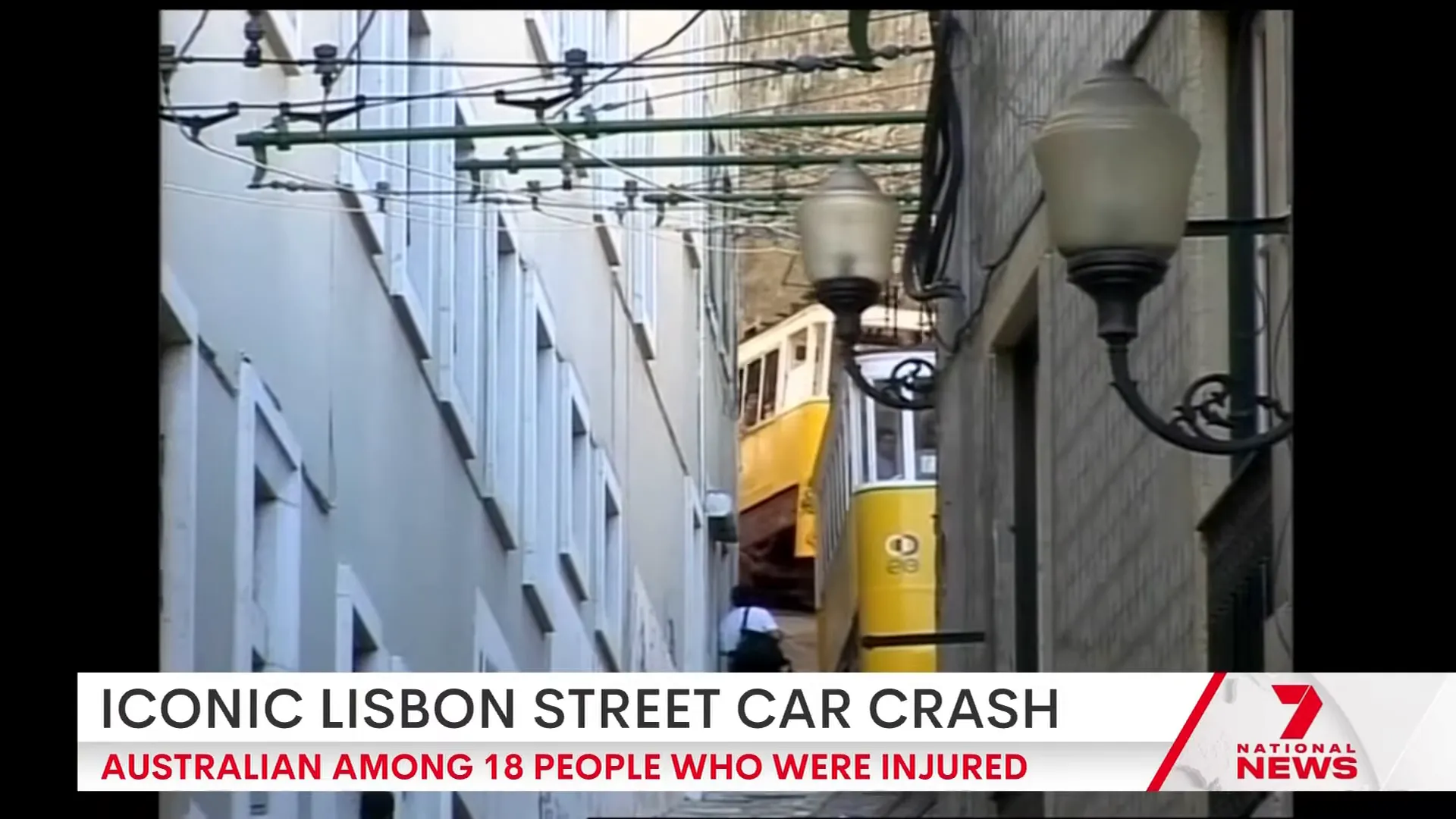
The cars involved are part of Lisbon’s historic Glória funicular system, in operation since the 19th century. These electric trams run in tandem up and down steep slopes and are both a working part of the city's transport and a beloved tourist attraction.
Casualties and international victims
Authorities confirmed at least 15 deaths and multiple injuries. Officials say both local residents and tourists are among those killed, but identification is still underway. A spokesperson noted that several foreign surnames have been identified among the victims, though nationalities have not yet been confirmed.
The Australian Department of Foreign Affairs has said it is assisting one Australian who is among the injured.
Cause, investigation and official response
Local media reported that a cable may have come loose, causing the car to lose control. No formal cause has been officially declared; investigators have been ordered to determine what happened.

In response to the tragedy, Portuguese authorities have declared a three-day period of national mourning while emergency services and investigators work at the scene.
"Local media reports suggest a cable came loose causing the 19th-century electric tram to lose control on the steep slope."
Immediate aftermath and emergency efforts
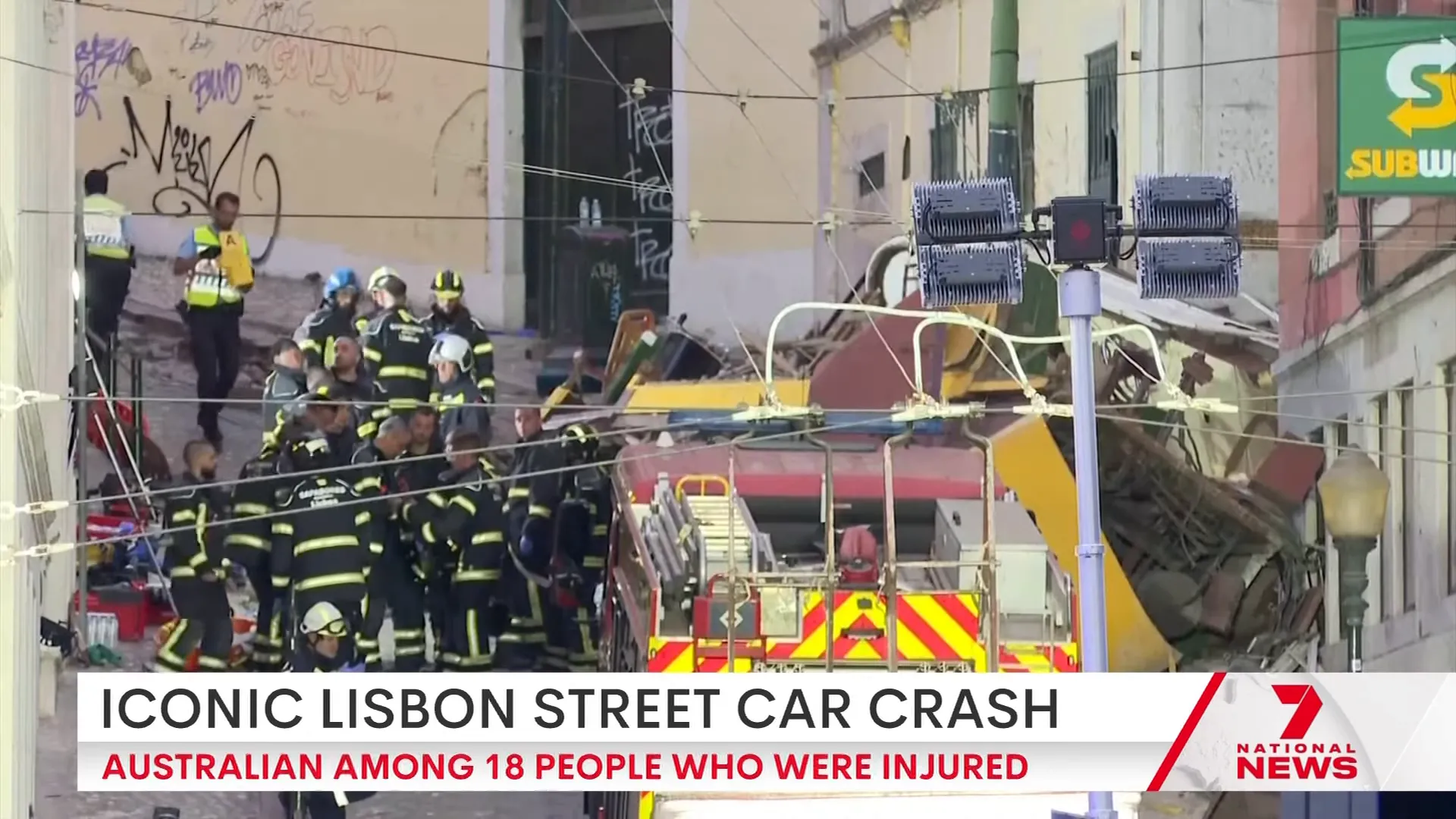
Rescue efforts at the scene were urgent and emotional. Strangers and passers-by joined emergency crews in searching for survivors among the wreckage. The chaotic conditions — dust, smoke and the confined space of the crash site — made the rescue operation challenging.
Conclusion
This tragic accident has shaken Lisbon and the many visitors who come to ride its historic trams. With an investigation underway and a national period of mourning declared, many questions remain about how a century-old transport icon could be involved in such a catastrophic incident. Our thoughts are with the families of those killed and with everyone affected by this event.
FAQ
- How many people were killed and injured?
At least 15 people were killed and several more were injured. Numbers may be updated as authorities complete identification and reporting.
- Are there international victims?
Authorities say both locals and tourists are among the casualties. Several foreign surnames have been identified, but specific nationalities have not been confirmed.
- Is any Australian affected?
The Australian Department of Foreign Affairs is assisting one Australian who is reported to be among the injured.
- What caused the crash?
No official cause has been confirmed. Local media reported that a cable may have come loose, causing the tram to lose control, but an investigation has been launched to determine the facts.
- What is the Glória funicular?
The Glória funicular is a 19th-century electric tramway in Lisbon that operates on steep slopes, using paired cars that move in tandem. It is both a practical transport link and a popular tourist attraction.
- What happens next?
Authorities are conducting a formal investigation, and Portugal has declared three days of mourning. Emergency services continue to assist the injured and support families of the victims.


