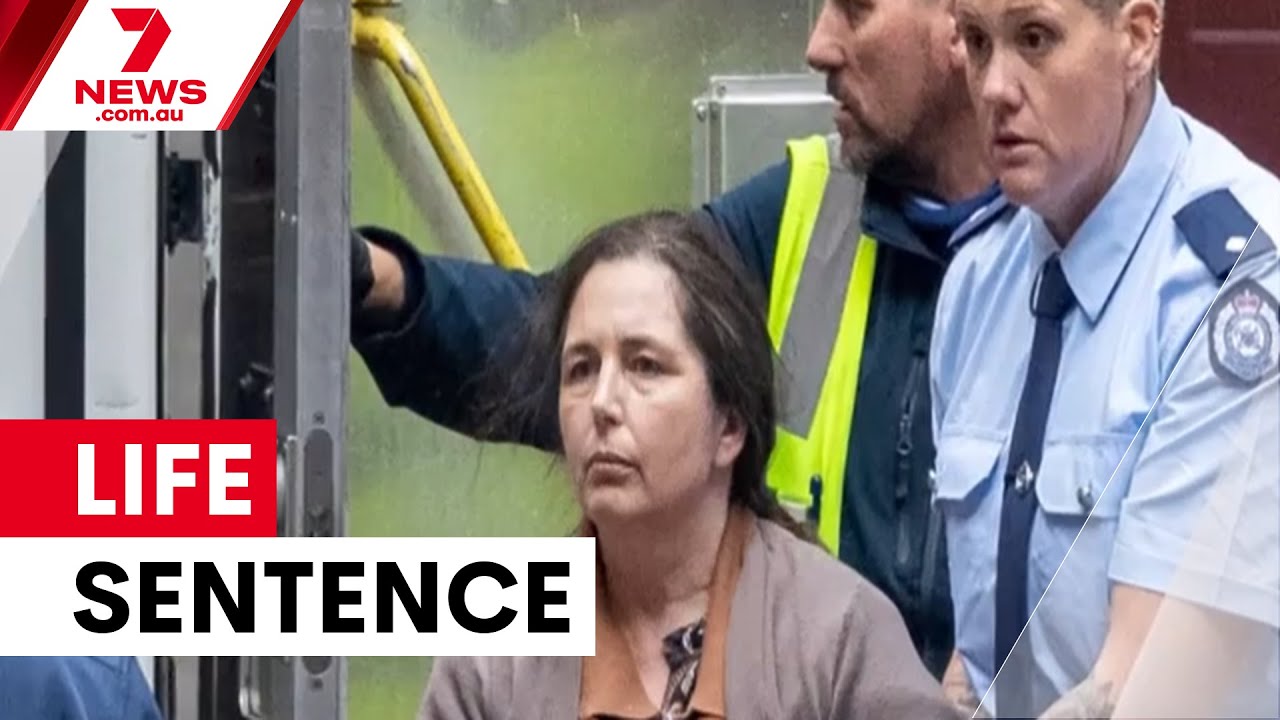
As a reporter for 7NEWS Australia, I was at the Supreme Court of Victoria in Melbourne today as Justice Christopher Beale handed down a life sentence to Erin Patterson for the murders of three people and the attempted murder of another using poisonous mushrooms. The court described the offending as among the worst in its category, and Patterson was given a 33-year non-parole period.
Table of Contents
- Case background
- Sentence imposed
- Prison conditions taken into account
- Judge’s sentencing remarks
- Response from the sole survivor, Ian Wilkinson
- Possible appeal
- Why the sentence matters
- Conclusion
- FAQ
Case background
The trial, which lasted ten weeks, examined a deliberate poisoning using toxic mushrooms that resulted in the deaths of three people and caused lasting harm to a fourth. A jury found Erin Patterson guilty of murder and attempted murder. Throughout the proceedings both prosecution and defence acknowledged the gravity of the offending — agreeing it fell into the worst category for these crimes — but they disagreed about whether she should ever be released.
Sentence imposed
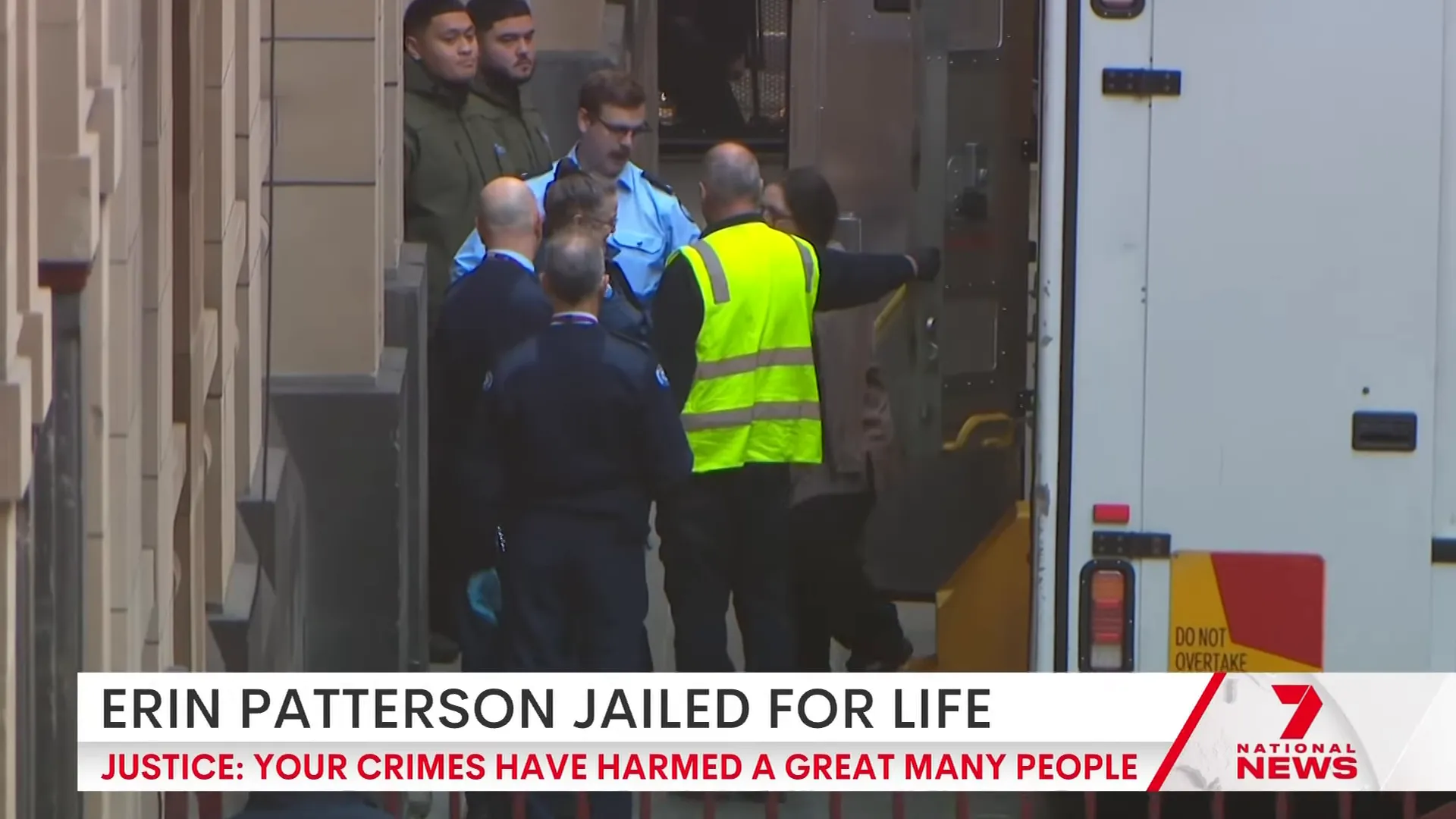
Justice Beale sentenced Patterson to life imprisonment. Crucially, he fixed a non-parole period of 33 years. Under that order Patterson will not be eligible to apply for parole until she is approximately 81 years old.
The defence had asked for a 30-year non-parole period; the prosecution argued she should never be eligible for parole. Justice Beale described the offending as deserving of a very substantial non-parole period but also said he was required to take into account the conditions in which Patterson will be required to live while incarcerated.
Prison conditions taken into account
Justice Beale explicitly considered the restrictive conditions that Patterson is likely to face while imprisoned. According to the judge, Patterson is being held in conditions that amount to near-solitary confinement: she is confined to her cell for most hours of the day, has food and medication passed through a flap in her door, is authorised to speak to only one other prisoner, and must be accompanied by two officers and transported in a prison van to access any other part of the facility.
Judge’s sentencing remarks
Justice Beale made scathing observations about the nature and impact of the offending, emphasising the devastation caused to families and children and noting a lack of remorse. He said:
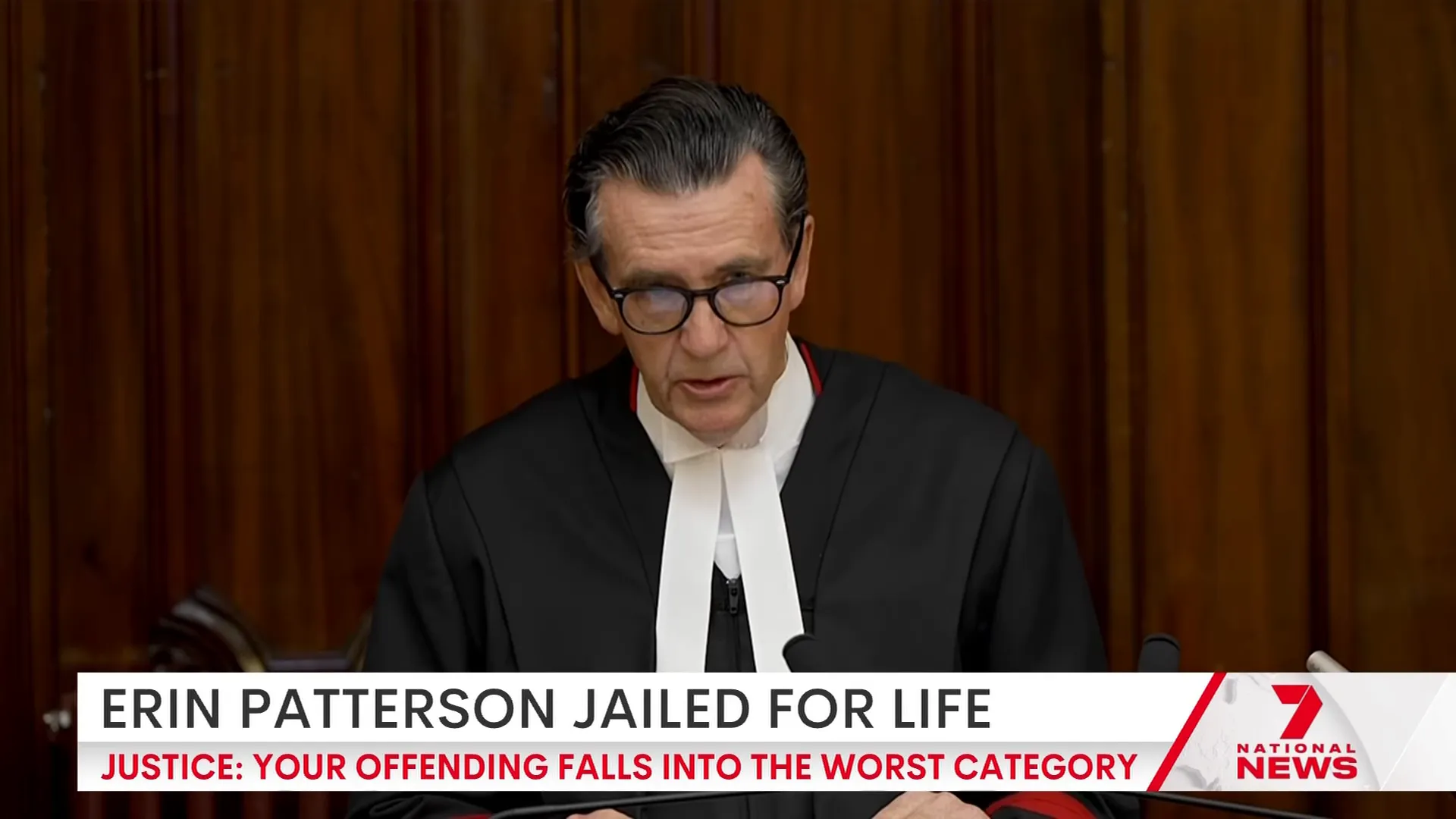
"I have no hesitation in finding that your offending falls into the worst category for the offenses of murder and attempted murder. Not only did you cut short three lives and cause lasting damage to Ian Wilkinson's health, thereby devastating the extended Patterson and Wilkinson families, you inflicted untold suffering on your own children whom you robbed of their beloved grandparents."
"Your failure to exhibit any remorse pours salt into all the victims' wounds. Rehabilitation has taken a back seat because of the gravity of your offending... Your total effective sentence will be life imprisonment, and the period during which you will be ineligible for parole will be a very substantial one."
Response from the sole survivor, Ian Wilkinson
Outside court, Ian Wilkinson — the sole survivor whose health was severely damaged — delivered an extraordinary message of forgiveness, gratitude and calm. Wilkinson, a pastor respected in the Leongatha and Korumburra (Curranborough) communities, thanked the legal teams, court staff and health services involved. He urged kindness and compassion in the aftermath of the trial and said he no longer considered himself Patterson’s victim.
"The court processes are a little bewildering to lay people like me, and we're grateful for their expertise, their hard work, and their perseverance that has secured this conviction... Please, each one, accept my sincere gratitude for the part that you have played in this process."
During pre-sentence hearings Wilkinson had told Patterson he forgave her — a powerful and unexpected line in a case marked by tragedy.
Possible appeal
Patterson has 28 days from the date of sentencing to lodge an appeal against her conviction, her sentence, or both. Her defence team had conceded she was deserving of the harshest penalty for the offences of which she was found guilty, but they argued for a 30-year non-parole period; the court imposed 33 years. Whether the defence will challenge the conviction or the sentence remains to be seen.
Why the sentence matters
- Severity of offences: The judge found the offending fell into the worst category for murder and attempted murder.
- Impact on victims: Three lives were lost, a fourth suffered lasting harm and families — including Patterson’s own children — were devastated.
- Lack of remorse: The judge noted Patterson had failed to exhibit remorse, which influenced the assessment of rehabilitation prospects.
- Prison conditions: Harsh custodial conditions, including effective isolation, were considered in fixing the non-parole period.
Conclusion
The Victorian Supreme Court’s ruling marks the end of a long and harrowing trial. Justice Beale’s decision to impose life imprisonment with a 33-year non-parole period recognises both the seriousness of the crimes and the exceptional custodial conditions Patterson will face. The extraordinary response from Ian Wilkinson — forgiveness and a call for continued kindness — was one of the most memorable moments at court.
FAQ
What sentence did Erin Patterson receive?
She was sentenced to life imprisonment with a 33-year non-parole period.
How was the non-parole period determined?
The judge balanced the gravity of the offending, the lack of demonstrated remorse and the devastating impact on victims and families with the reality of the prison conditions Patterson will face, including near-solitary confinement. The result was a very substantial non-parole period.
Who survived the attack?
Ian Wilkinson was the sole survivor. He sustained serious harm but has publicly expressed forgiveness and urged kindness.
Can Patterson appeal?
Yes. She has 28 days from the sentencing date to appeal her conviction, her sentence, or both.
Did the defence accept liability for a harsh sentence?
The defence conceded that Patterson deserved the harshest penalty due to the nature of the murders, but they sought a 30-year non-parole period rather than the 33 years imposed.


