Lehrmann loses defamation appeal

Table of Contents
Federal Court decision upheld after challenge to 2019 rape finding
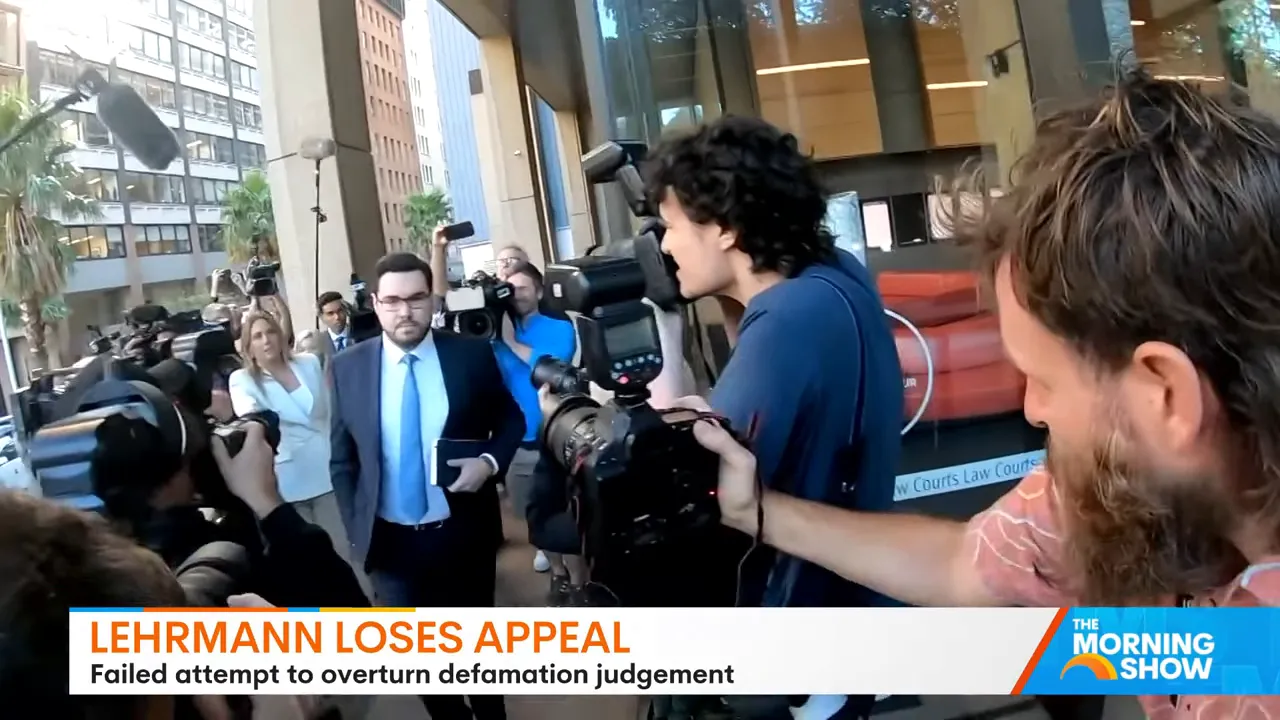
Bruce Lehrmann has lost his appeal against a federal court ruling that found, on the balance of probabilities, he raped colleague Brittany Higgins in 2019. The appeal sought to overturn a previous defamation judgment in favour of Network 10 and journalist Lisa Wilkinson, but Justice Michael Wigney concluded the original decision was not unfair.
The federal appeal hearing reviewed whether the trial judge’s findings and the resulting defamation ruling were procedurally or substantively unfair. After considering submissions, Justice Wigney determined the earlier judgment should stand. The decision leaves the federal court’s balance-of-probabilities finding intact.
Justice Michael Wigney said that judgment was not unfair.
What happened and who is involved
Lehrmann, a former political staffer, challenged a federal court judgment that found he had sexually assaulted a colleague in 2019. The case involved media reporting by Network 10 and a profile by Lisa Wilkinson that formed part of the basis for Lehrmann’s defamation action.
The original defamation judgment examined competing evidence about events in 2019 and concluded, on the civil standard of proof, the assault had occurred. That finding formed a key part of Network 10’s defence to the defamation claim.
How the court reached this outcome
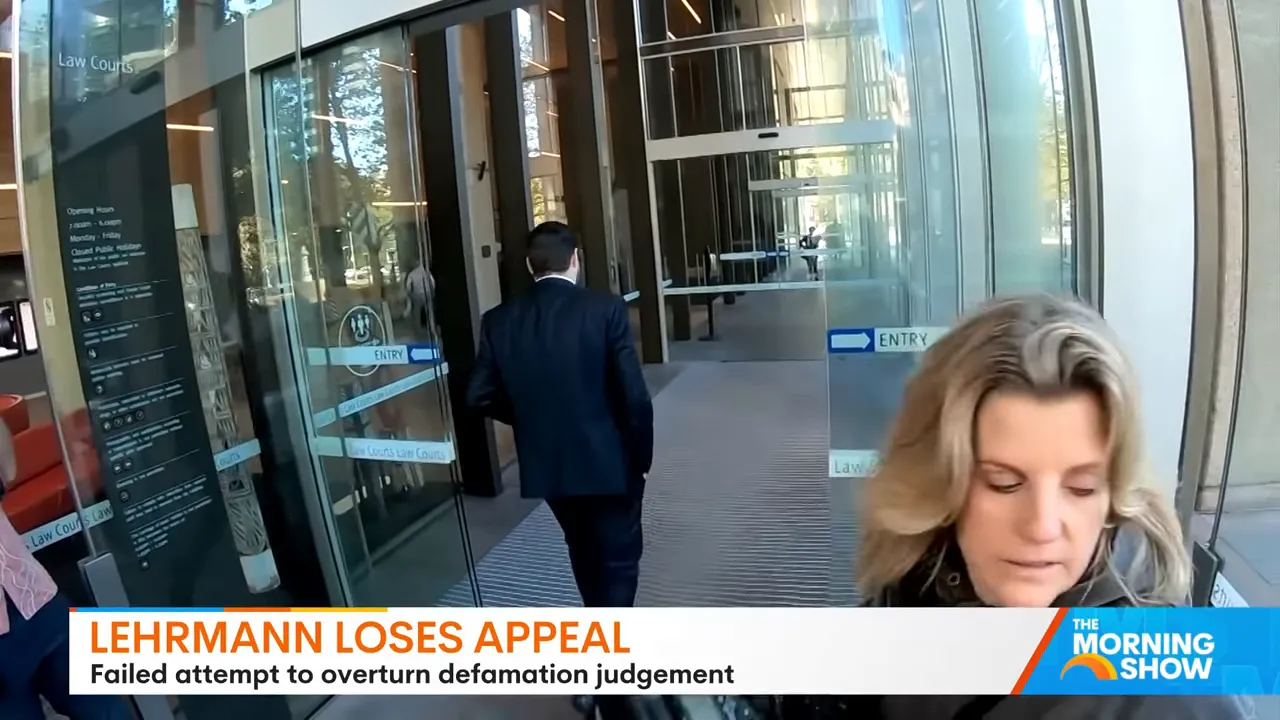
Appeals in civil matters focus on whether the original trial was conducted fairly and whether legal errors affected the outcome. In ruling against Lehrmann, Justice Wigney determined the trial judge’s handling of evidence and conclusions met legal standards and were not unfair.
The phrase “balance of probabilities” means the court found it more likely than not that the events occurred as described. This contrasts with the higher criminal standard of proof beyond reasonable doubt.
Why this matters
The judgment reinforces how defamation law intersects with civil fact-finding in high-profile cases. Media organisations can rely on defences that require courts to assess the credibility of competing accounts, and those assessments are difficult to overturn on appeal unless clear unfairness or error is shown.
The outcome also has reputational and legal implications for the individuals involved and underlines the different thresholds that apply in civil versus criminal proceedings.
Next steps and options
With this appeal dismissed, possible next steps for Lehrmann could include seeking special leave to appeal to a higher court, though that is not automatic and requires permission. Alternatively, parties may consider other legal or procedural actions depending on counsel advice and the specifics of the orders made.
For Network 10 and Lisa Wilkinson, the decision affirms the earlier finding and reduces the immediate legal uncertainty stemming from the defamation claim.
Key takeaways
- The appeal by Bruce Lehrmann against a federal court defamation judgment has been dismissed.
- The original finding — that Lehrmann raped Brittany Higgins in 2019 on the balance of probabilities — remains in place.
- Justice Michael Wigney ruled the earlier judgment was not unfair and did not merit overturning on appeal.
- The ruling highlights the distinction between civil and criminal standards of proof and the narrow grounds typically required to succeed on appeal.
FAQs
What did the court decide in Lehrmann’s appeal?
The Federal Court dismissed Lehrmann’s appeal, finding the original defamation judgment and its related fact-finding were not unfair and should stand.
What does “balance of probabilities” mean?
It is the civil standard of proof meaning the court found it more likely than not that the alleged events occurred. It is a lower threshold than the criminal standard of “beyond reasonable doubt.”
Who were the parties in the defamation case?
The case was between Bruce Lehrmann and media defendants Network 10 and journalist Lisa Wilkinson, concerning reporting tied to allegations made about events in 2019.
Can Lehrmann appeal further?
Further appeal would generally require seeking special leave to a higher court. Such an application is discretionary and granted only in limited circumstances where there are arguable questions of law or public importance.
What are the wider implications of this ruling?
The decision underscores how civil courts assess credibility and the difficulty of overturning fact-finding on appeal. It also illustrates the interplay between defamation litigation and public reporting of sensitive allegations.
The information in this article has been adapted from mainstream news sources and video reports published on official channels. Watch the full video here Lehrmann loses defamation appeal against Network 10 | 7NEWS


