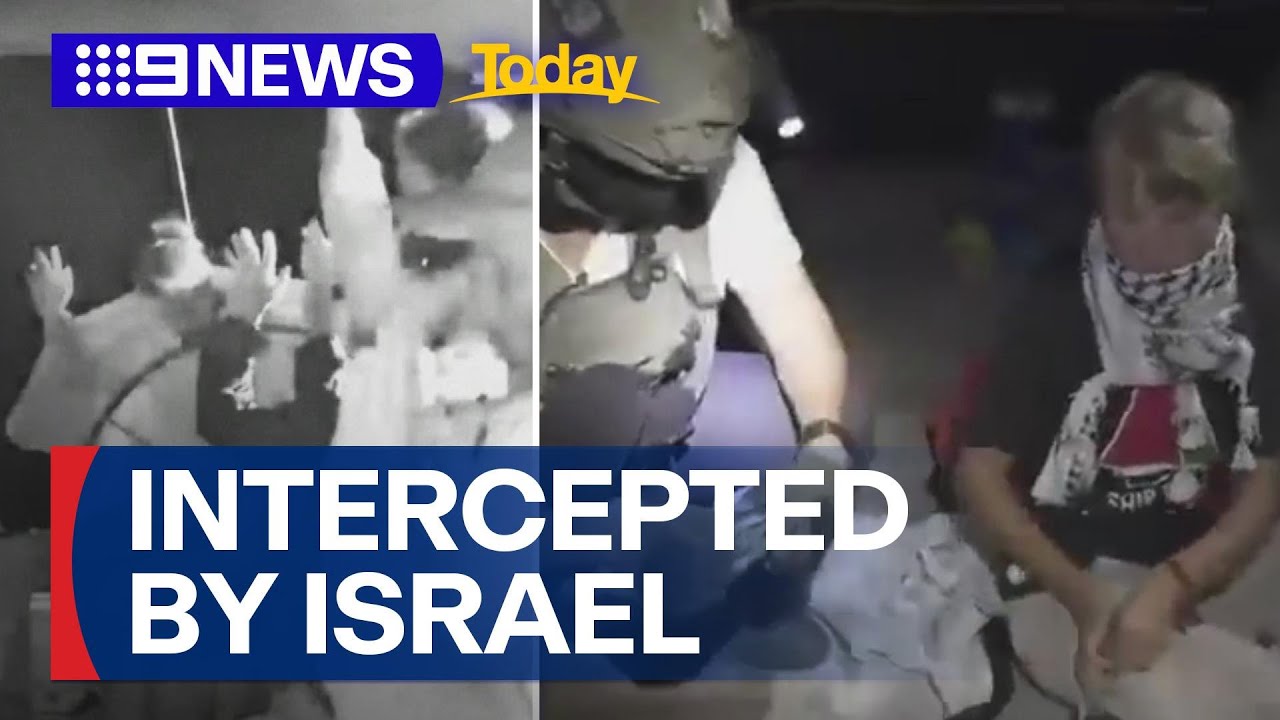
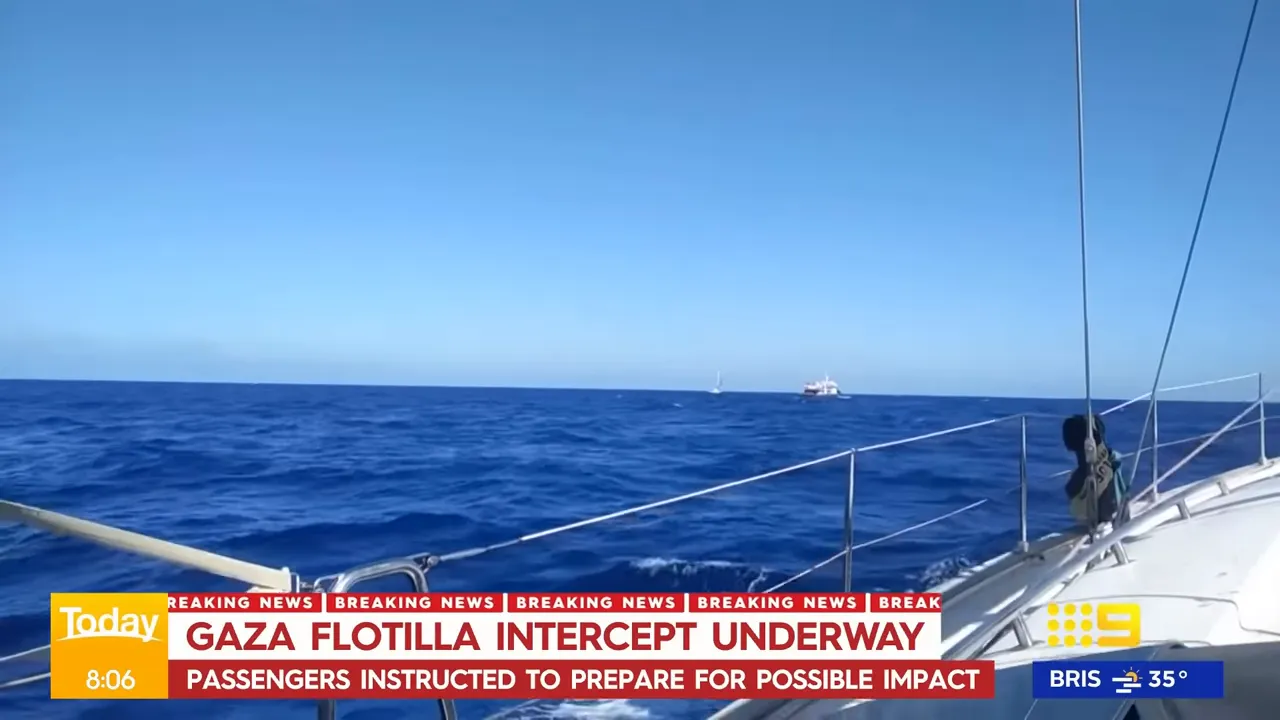
In my report for 9 News Australia I followed a dramatic maritime standoff tonight as the Israeli Navy intercepted a flotilla of about 40 vessels attempting to deliver aid to Gaza. The operation saw several boats stopped at sea, while others continued to press on — including the yacht Wahoo, which carried two Australians and came closer to the Gaza coast than any previous flotilla.
Table of Contents
- Overview: what happened at sea
- Onboard accounts: eyewitness detail
- Greta Thunberg and other detainees
- Israeli position and the maritime blockade
- Why this matters
- What to watch next
- FAQ
- Final note
Overview: what happened at sea
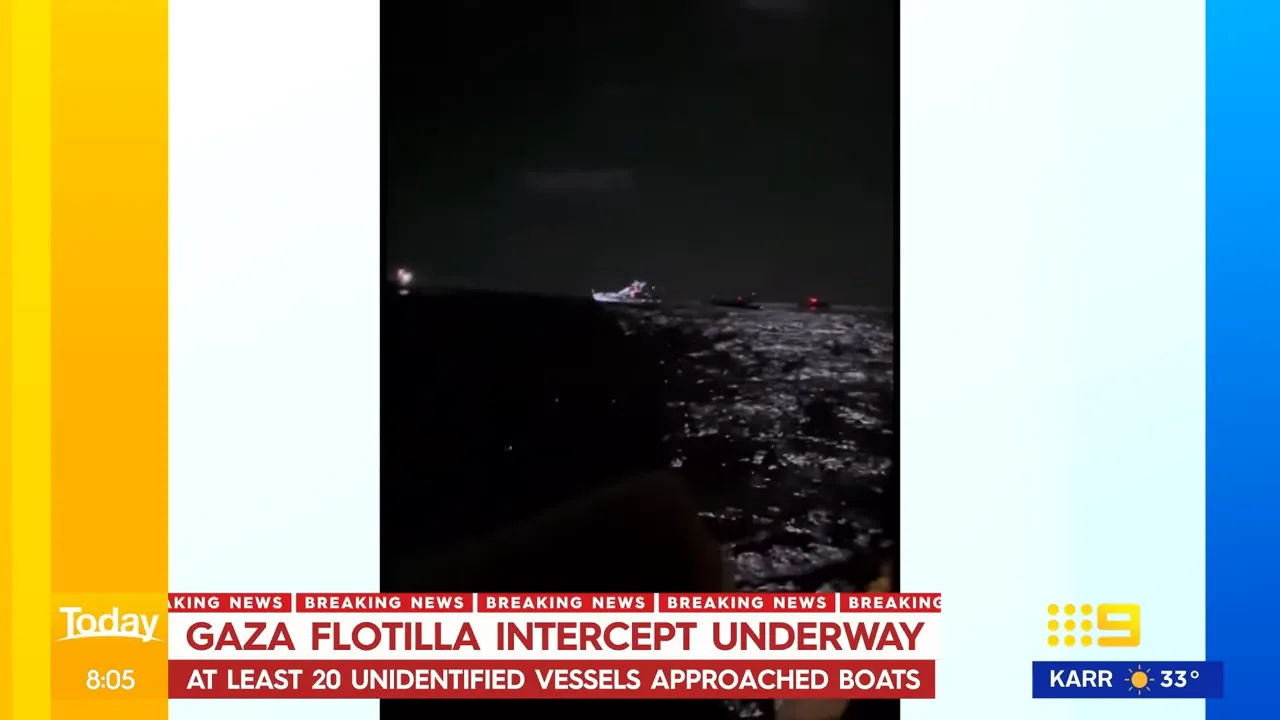
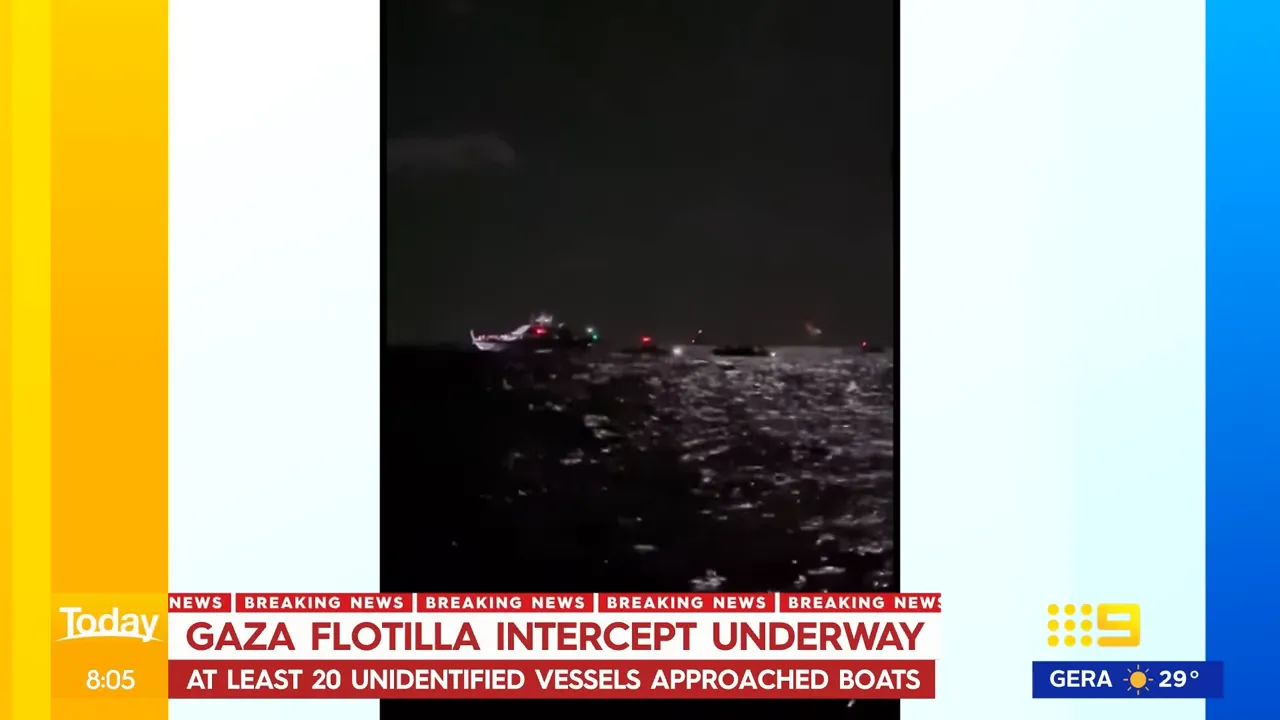
It was a chaotic evening off the coast of Gaza. The Israeli Defence Forces moved to intercept multiple vessels participating in the aid mission. Some boats were hit with water cannon and forced to slow or change course, while others attempted evasive manoeuvres. One vessel, the Wahoo, reported that it had been "ducking and weaving" to avoid interception and was within 50 nautical miles of the Gaza Strip — the closest any flotilla has reached before.
Onboard accounts: eyewitness detail
I spoke throughout the afternoon and evening with people aboard several boats. On the Wahoo, two Australians were onboard, including Juliette Lamont. The last direct contact I had with Juliette was less than an hour before this report. She described a tense, close-quarters encounter with naval vessels and crews watching as other boats were targeted by water cannon.
Moments of surrender
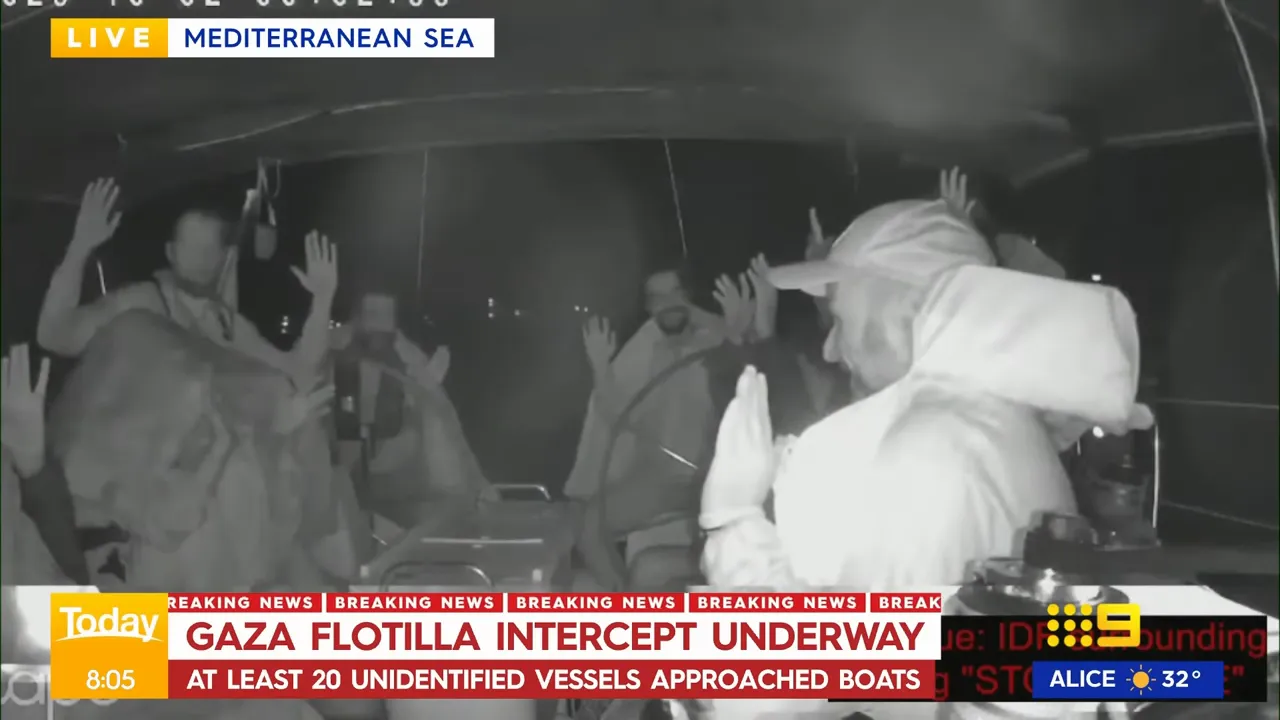
During one interception, crew and activists raised their hands to show they were unarmed. As one participant put it, "We all put the surrender hands up and they did about three times and now they've gone." Bright search lights were trained onto the decks, and the pattern of interception felt like a "cat and mouse game" as vessels skirted the naval cordon.
Greta Thunberg and other detainees
Among those taken into custody by the Israeli Navy was activist Greta Thunberg. The Israeli Foreign Ministry has confirmed that she is safe and healthy while detained. Several other activists and crew members from multiple vessels were also intercepted and held by naval forces.
Israeli position and the maritime blockade
The IDF has been clear in its position: it will not allow the maritime blockade to be breached. That stance underpinned tonight's intercept operations. Naval crews used non-lethal measures such as water cannon and bright searchlights while boarding or signalling vessels to stop. Despite this, a number of boats continued to power toward Gaza.
Why this matters
- Humanitarian intent: The flotilla's stated mission was to deliver aid to Gaza amid ongoing shortages and civilian need.
- Legal and diplomatic stakes: Intercepting international vessels raises complex questions about maritime law, blockade enforcement and the rights of activists and crew.
- Public profile: The involvement of high-profile activists like Greta Thunberg draws global attention and increases political pressure on all parties involved.
What to watch next
- Official statements from the Israeli authorities and from the flotilla organisers about the status of detainees and any seized vessels.
- Diplomatic responses from countries whose nationals were aboard, including Australia.
- Whether more vessels will attempt to approach Gaza and how the IDF will respond to future attempts.
FAQ
Q: Who organised the flotilla and how many vessels were involved?
A: The mission involved around 40 vessels carrying activists and aid supplies. Organisers vary by vessel — the report referenced a coordinated flotilla effort, but details on the organising groups were not provided in the field report.
Q: Was anyone hurt during the interceptions?
A: According to the Israeli Foreign Ministry, Greta Thunberg is safe and healthy. The report did not indicate serious injuries among activists or crew, though vessels were subjected to water cannon and forced manoeuvres.
Q: How close did the flotilla get to Gaza?
A: The yacht Wahoo reported being within 50 nautical miles of the Gaza Strip, the closest any flotilla has come in previous attempts.
Q: What measures did the Israeli Navy use to stop the flotilla?
A: The IDF used water cannons, bright searchlights and interception teams to board or stop vessels. The military reiterated it would enforce the maritime blockade.
Q: Will this affect international relations?
A: High-profile detentions and attempts to breach the blockade often prompt diplomatic responses. Expect statements from countries with nationals aboard and potential calls for consular access and clarification.
Final note
The sea operation tonight underscored the tensions between humanitarian activism at sea and maritime security operations. I will continue to follow developments, including the status of those detained and any diplomatic fallout. For now, the story serves as a reminder of how contested and dangerous these attempts to deliver aid by sea can be.


