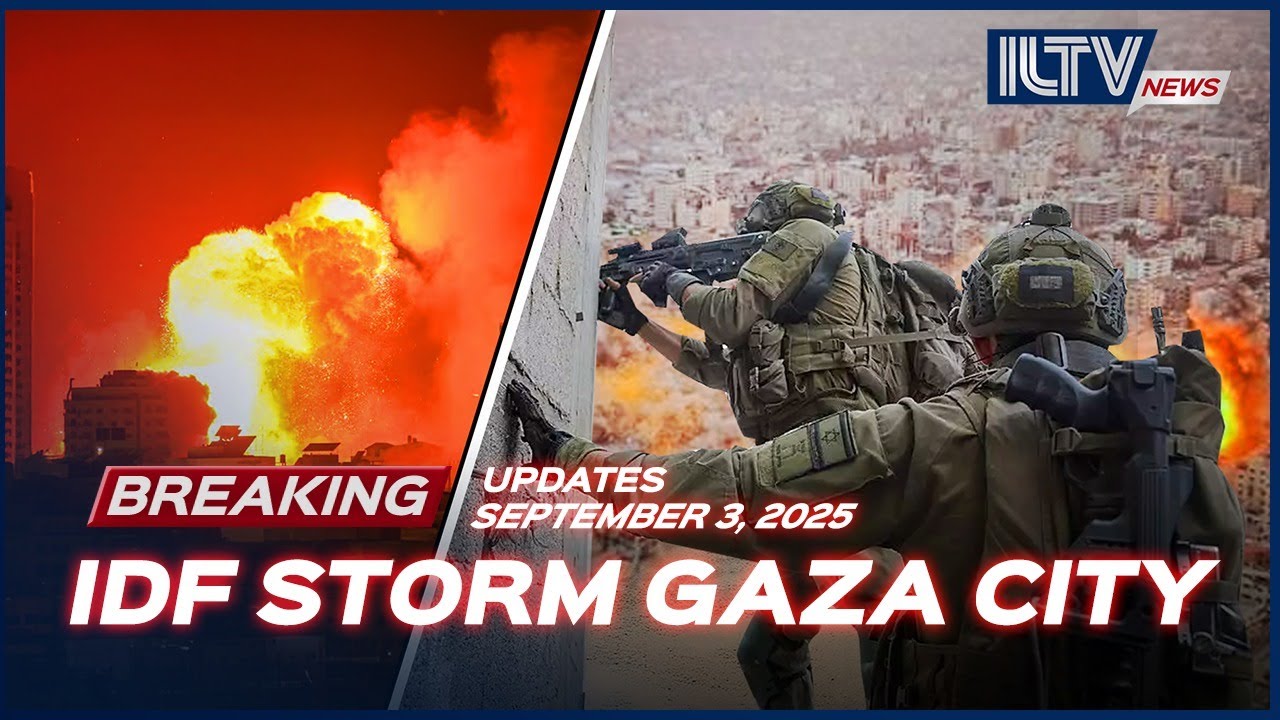
This report is brought to you by ILTV Israel News. On day 698 of the war, Prime Minister Benjamin Netanyahu declared the conflict has entered a decisive stage. Tens of thousands of IDF reservists have reported for duty as Israel prepares for a major Gaza City offensive, while other fronts — from missiles fired by the Houthis to stalled nuclear talks with Iran — continued to shape a complex and dangerous regional picture.
Table of Contents
- At a Glance
- Netanyahu: "Decisive Stage" — Soldiers, Reservists and a Final Push
- Mass Mobilisation: Reservists Answer the Call
- Humanitarian Messaging and Evacuations
- On the Ground: What the Gaza City Operation Might Look Like
- Houthis: New Front, Real Threat
- Regional Diplomacy and Iran
- Technology & Defence: Ophik‑19 in Orbit
- Humanitarian & Civil Society Updates
- Economy & Solidarity: Israel Bonds
- Sports, Culture and Normal Life
- Weather Snapshot
- Conclusion
- Frequently Asked Questions (FAQ)
- Sources and Further Reading
At a Glance
- Prime Minister Netanyahu: "What began in Gaza must end in Gaza."
- IDF mobilises roughly 60,000 reservists ahead of a planned Gaza City operation.
- IDF estimates ~70,000 civilians have evacuated Gaza City while about 1 million remain.
- IDF reports controlling about 75% of the Gaza Strip; ground operation on Gaza City expected to take 4–8 weeks to secure and clear.
- Houthis successfully triggered red alert sirens in central Israel; missile intercepted, no casualties.
- Israel launched radar observation satellite Ophik‑19 into orbit; it will serve Unit 9900.
Netanyahu: "Decisive Stage" — Soldiers, Reservists and a Final Push
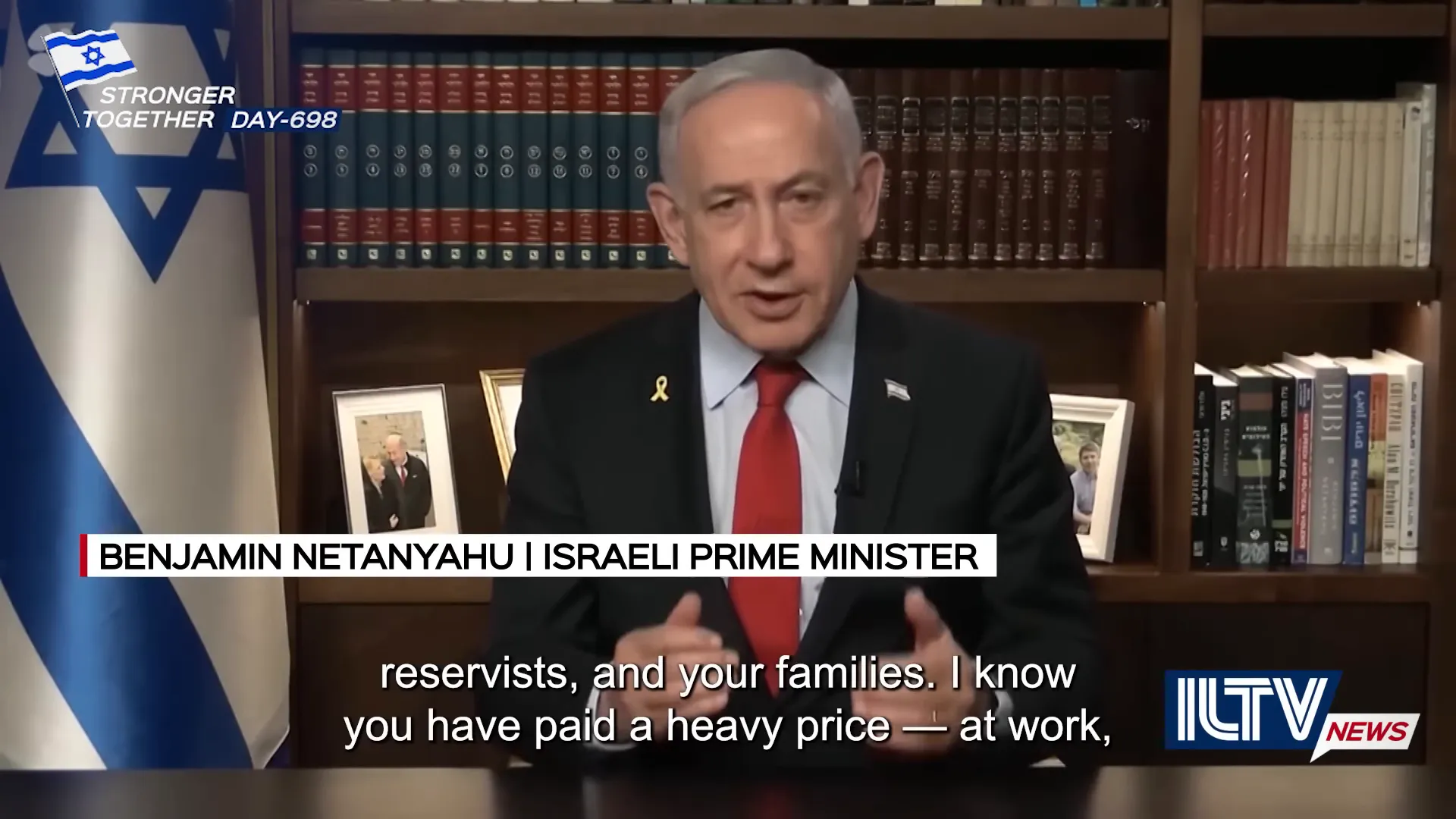
Prime Minister Benjamin Netanyahu spoke directly to soldiers and reservists, acknowledging the heavy sacrifices made by service members and their families over nearly two years of war. He framed the moment as a turning point: after long, painful decisions, Israel stands "before the final" stage of the campaign. His message was clear and succinct: what began in Gaza must end in Gaza.
Netanyahu’s remarks came as the government and military accelerated preparations for a large-scale operation aimed at Gaza City, long considered Hamas's last consolidated stronghold in the territory.
Mass Mobilisation: Reservists Answer the Call
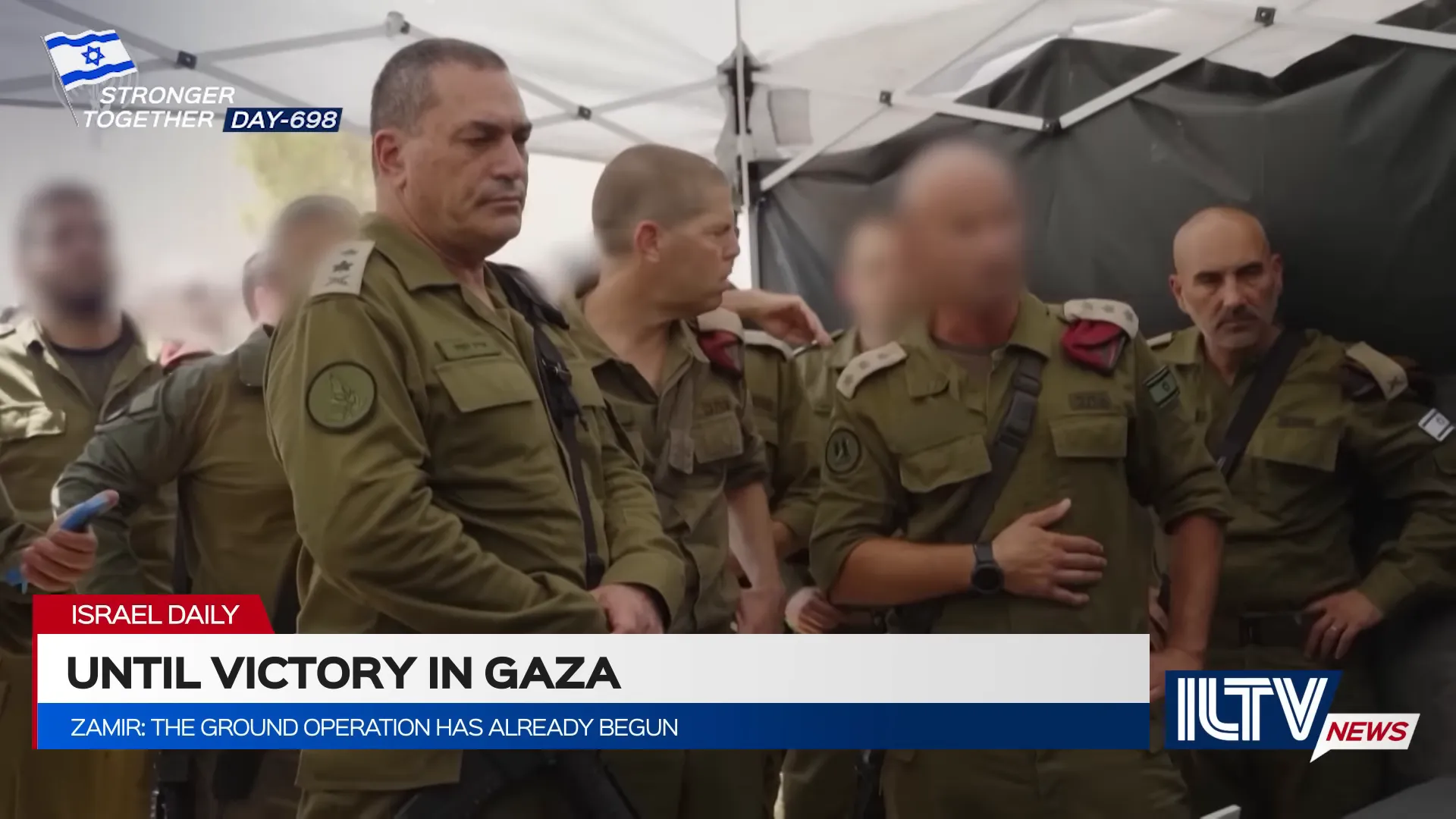
The IDF called up roughly 60,000 reservists for the next phase of the offensive targeting Gaza City. Chief of Staff Lt. Gen. Ayal Zamir visited the mobilised troops and reiterated that operations would continue until Hamas is defeated. The military has repeatedly emphasised operational caution where possible, while preparing for intense urban combat: clearing tunnels, bunkers and booby‑trapped buildings is expected to be slow and dangerous work.
Humanitarian Messaging and Evacuations
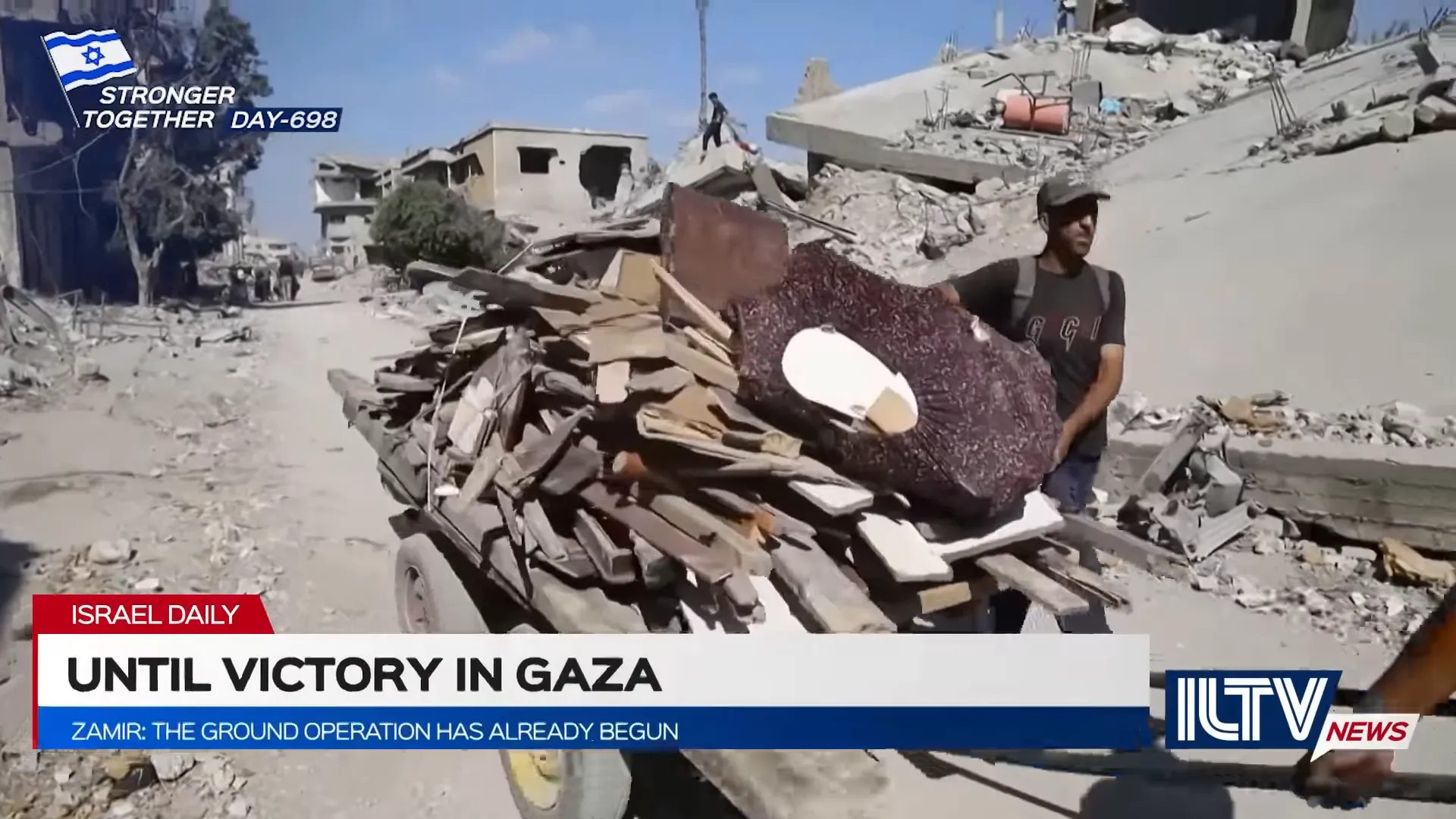
The IDF has urged Gaza City civilians to move south toward the Al‑Mawasi area, promising improved humanitarian services there — health care, water and food distribution — and warning that approaching active combat zones endangers lives. Officials say Al‑Mawasi will operate as the primary humanitarian corridor during the advance.
However, the IDF reports that Hamas is actively blocking civilian evacuations in parts of Gaza City, apparently to use civilians as human shields. A recording released by the Coordination of Government Activities in the Territories (COGAT) captures a Gaza City resident describing fear among neighbours about moving south under pressure and threats from militants.
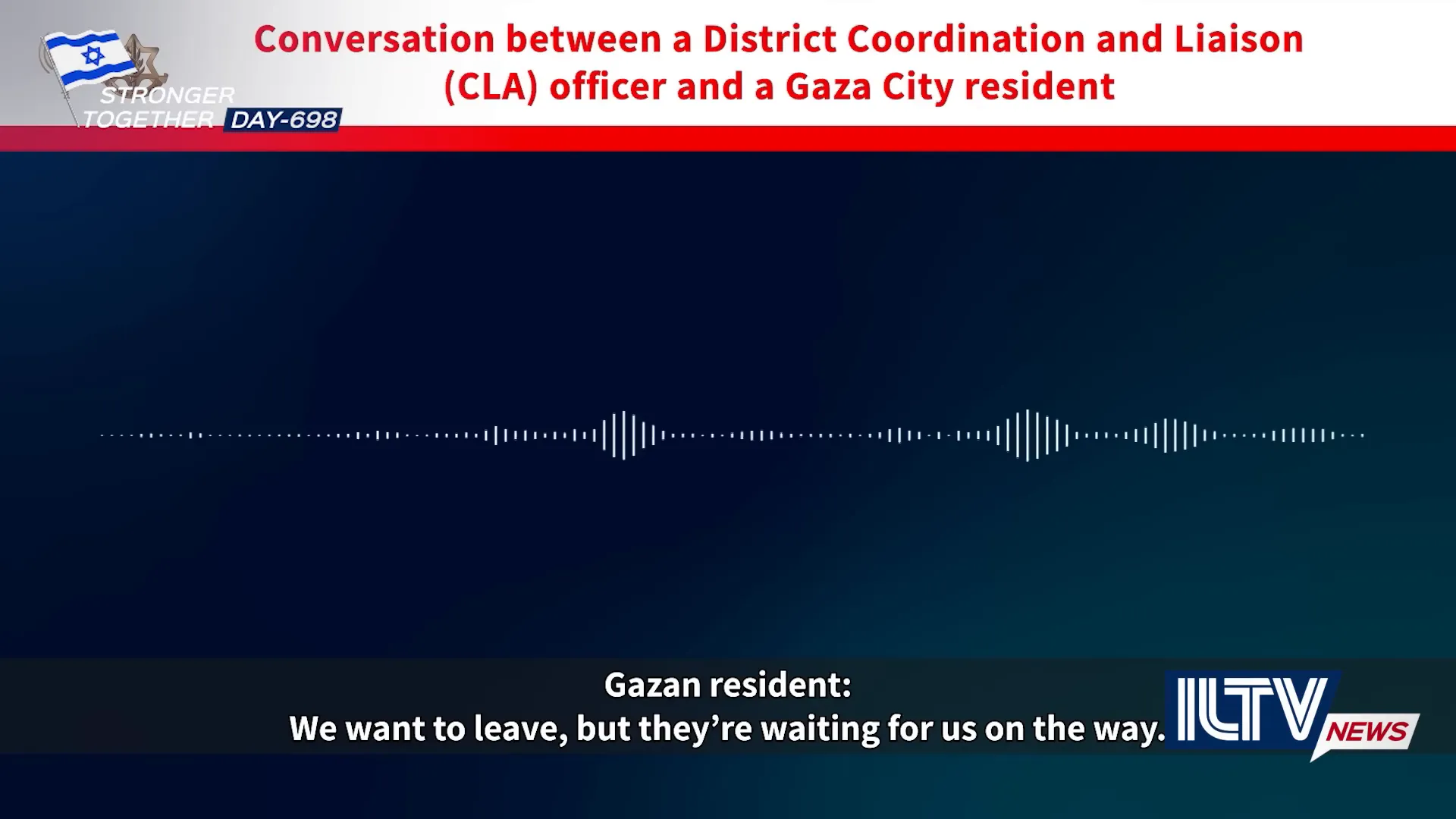
So far, the military estimates roughly 70,000 civilians have evacuated Gaza City — but about 1 million remain in the territory. Those figures underline the acute humanitarian and tactical complexity of any urban operation.
On the Ground: What the Gaza City Operation Might Look Like
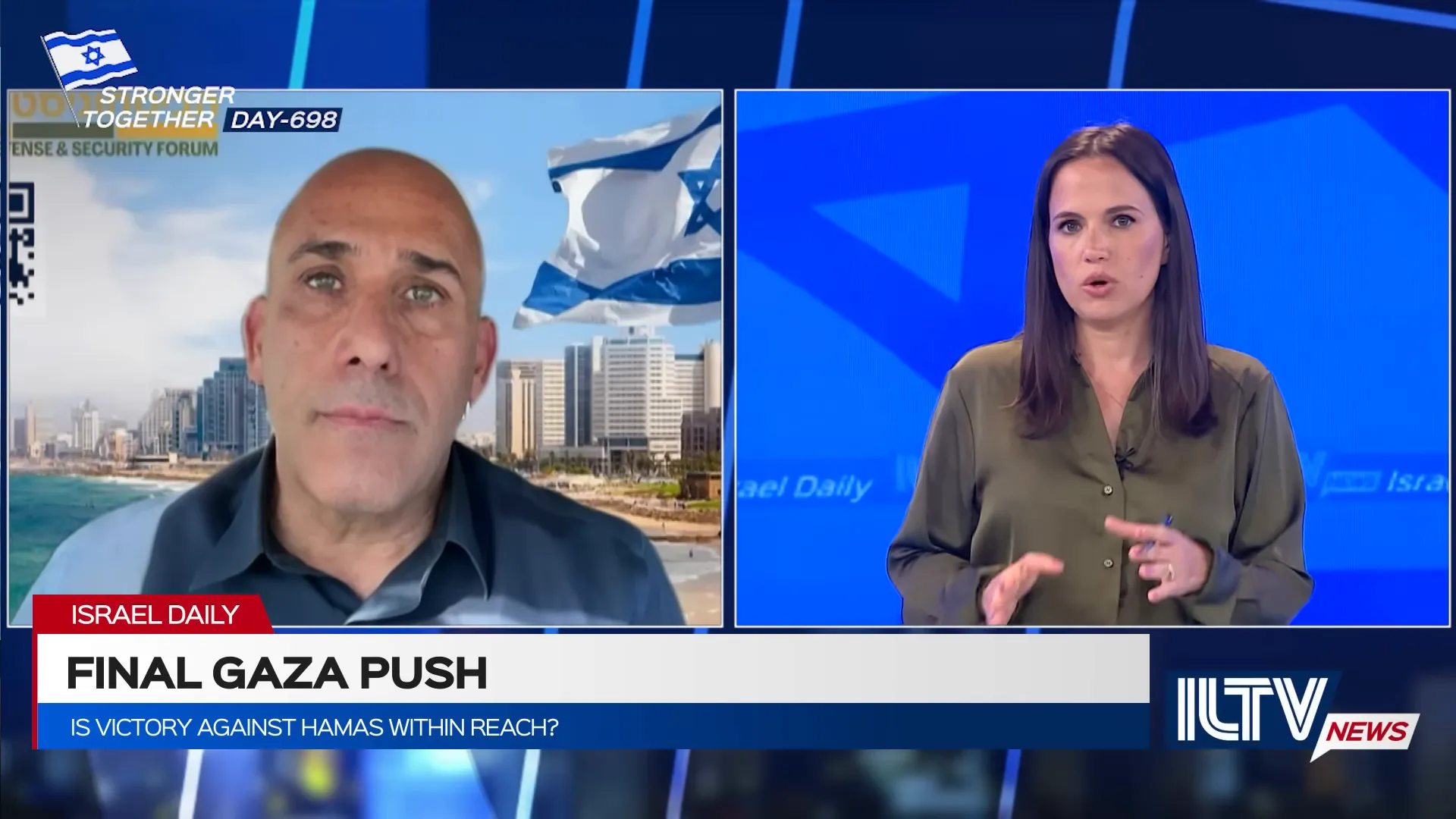
Brigadier General (res.) Amir Avivi, founder and president of the Israel Defense and Securities Forum, joined the discussion to outline operational expectations. The IDF already controls roughly 75% of the Gaza Strip; Gaza City and some central camps remain the primary pockets of resistance.
Avivi described a phased approach:
- Encircle Gaza City and push into neighbourhoods the IDF already controls from the perimeter.
- Conduct intense urban combat similar to past operations in Khan Younis, Rafah and Beit Hanoun — potentially fiercer, since Hamas will be cornered.
- Use advanced technologies developed over two years of fighting alongside experienced infantry and intelligence assets to minimise casualties and expedite clearance.
Avivi estimated it may take "a month and a half, maybe two months" to seize control of Gaza City, followed by an extended clearance phase to remove tunnels, bunkers and booby traps. He emphasised that defeating Hamas in Gaza City is central to securing the release of hostages and forcing an unconditional surrender.
Possible Post‑Seizure Scenarios
- Surrender: Hamas leadership or local units capitulate and agree to evacuation terms and hostage releases.
- Collapse: Hamas forces disintegrate, allowing the IDF to isolate and negotiate directly with kidnappers holding hostages.
- Targeted hostage‑rescue operations: Where intelligence affords feasible windows, the IDF will attempt precision operations to free captives.
Avivi also noted the possibility of further operations in central camps — named as an area like Deir al‑Balah — should militants make a last stand there.
Houthis: New Front, Real Threat
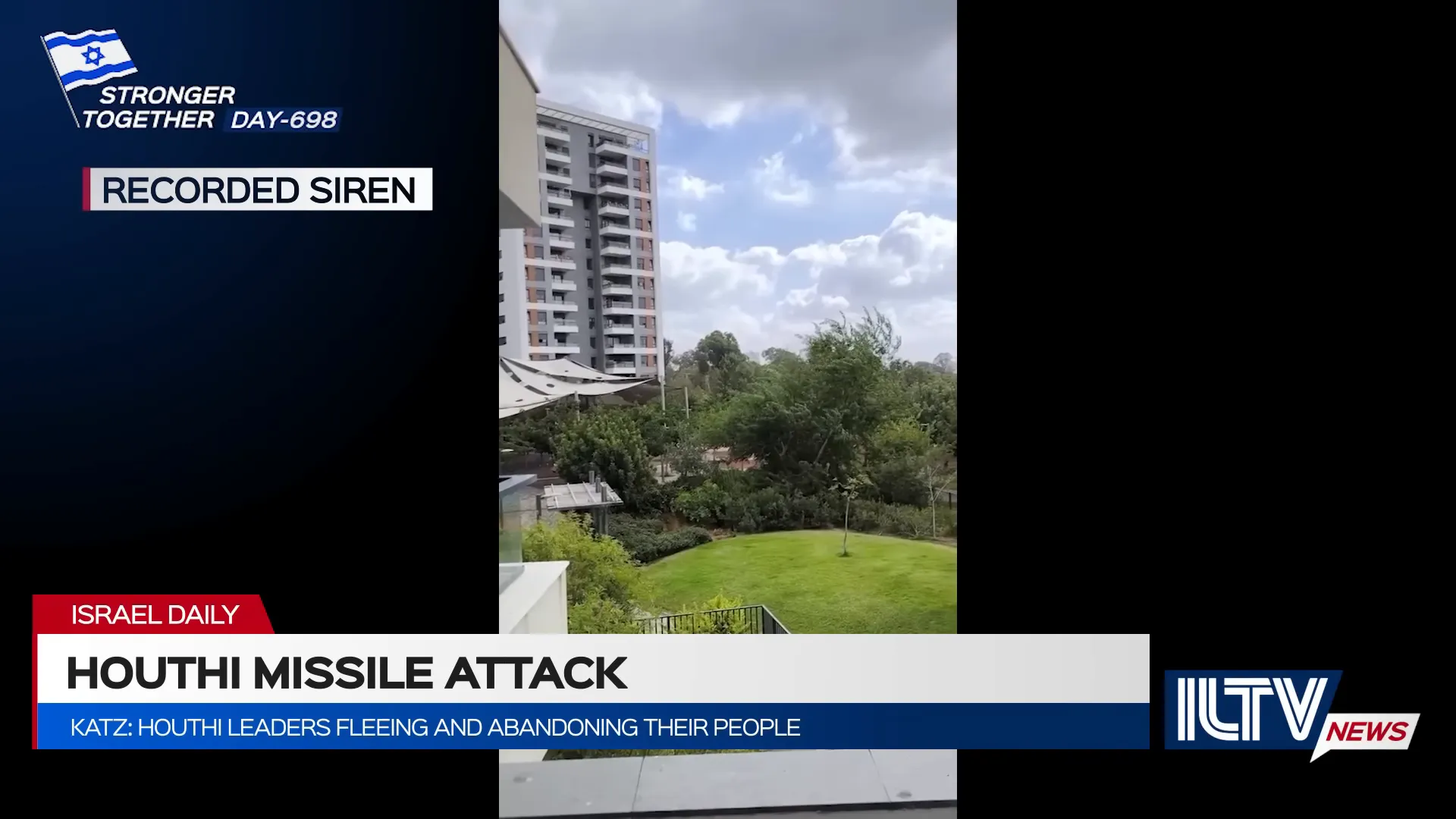
On the same day, millions of Israelis were sent to bomb shelters after a missile launched by Yemen’s Houthi movement triggered red alert sirens in central Israel. The IDF intercepted the projectile; no casualties or damage were reported.
This marked the first time the Houthis successfully caused red alerts inside Israel since Israeli strikes eliminated much of the group's leadership in Yemen. Israeli Defence Minister Israel Katz said remnants of Houthi command were fleeing Sana'a and seeking fortified hideouts. Katz warned that the leadership abandons people when under pressure — a comparison he drew to the conduct of other terror leaders — and vowed continued action to hunt down Houthi operatives when possible.
Brig. Gen. Avivi argued that Israel cannot defeat the Houthi threat alone on all dimensions: he proposed a coalition approach that coordinates with Saudi‑ and Emirati‑backed forces, the Yemeni government, plus US and UK support, combining air pressure with local ground forces to degrade Houthi capabilities permanently.
Regional Diplomacy and Iran
Meanwhile, international negotiations between Iran and the IAEA are reported as stalled. Tehran appealed to European powers to reassess positions without US and Israeli influence after European capitals used a snapback mechanism alleging violations of the 2015 nuclear limits.
Iran has exceeded uranium‑production limits set by the deal; with the agreement due to expire next month, the possibility of renewed sanctions looms. Talks between Iran and the E3 (France, Germany, UK) were held after Israeli and US strikes on Iranian nuclear sites in June, but progress remains uncertain.
Technology & Defence: Ophik‑19 in Orbit
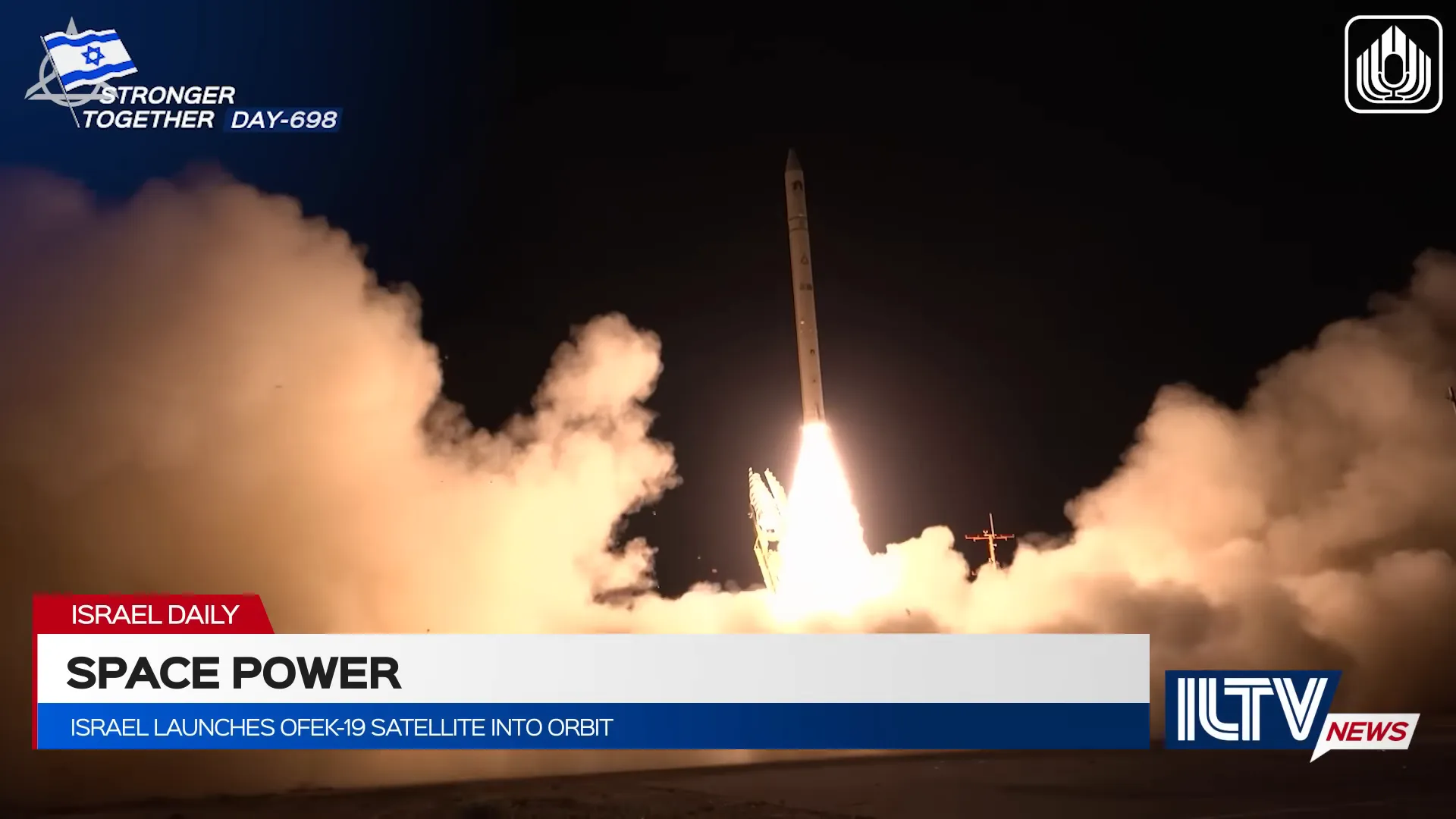
Israel launched its latest radar observation satellite, Ophik‑19, from Palmahim Air Base. The Defence Ministry confirmed the craft is in orbit and already transmitting telemetry. Ophik‑19 is a high‑resolution radar satellite able to deliver imagery day or night and through cloud cover — a force multiplier for both ground and air operations.
Once post‑launch checks are complete, Ophik‑19 will be handed to Unit 9900, the IDF’s visual intelligence unit. Officials present at the launch described the event as proof Israel extends its national edge from innovation to space-based defence capabilities.
Humanitarian & Civil Society Updates

Two non‑profit efforts were highlighted today. Hadassah, long active in Israeli healthcare, continues to operate medical centres treating hundreds of thousands each year. Jael (Yael) Eckstein, president of the International Fellowship of Christians and Jews, described recent fellowship projects in southern Israel: meeting trauma‑care teams, visiting communities affected by the Oct 7 attacks, and launching initiatives to convert public bomb shelters into child‑friendly healing spaces to address widespread trauma among children after years of rocket fire.
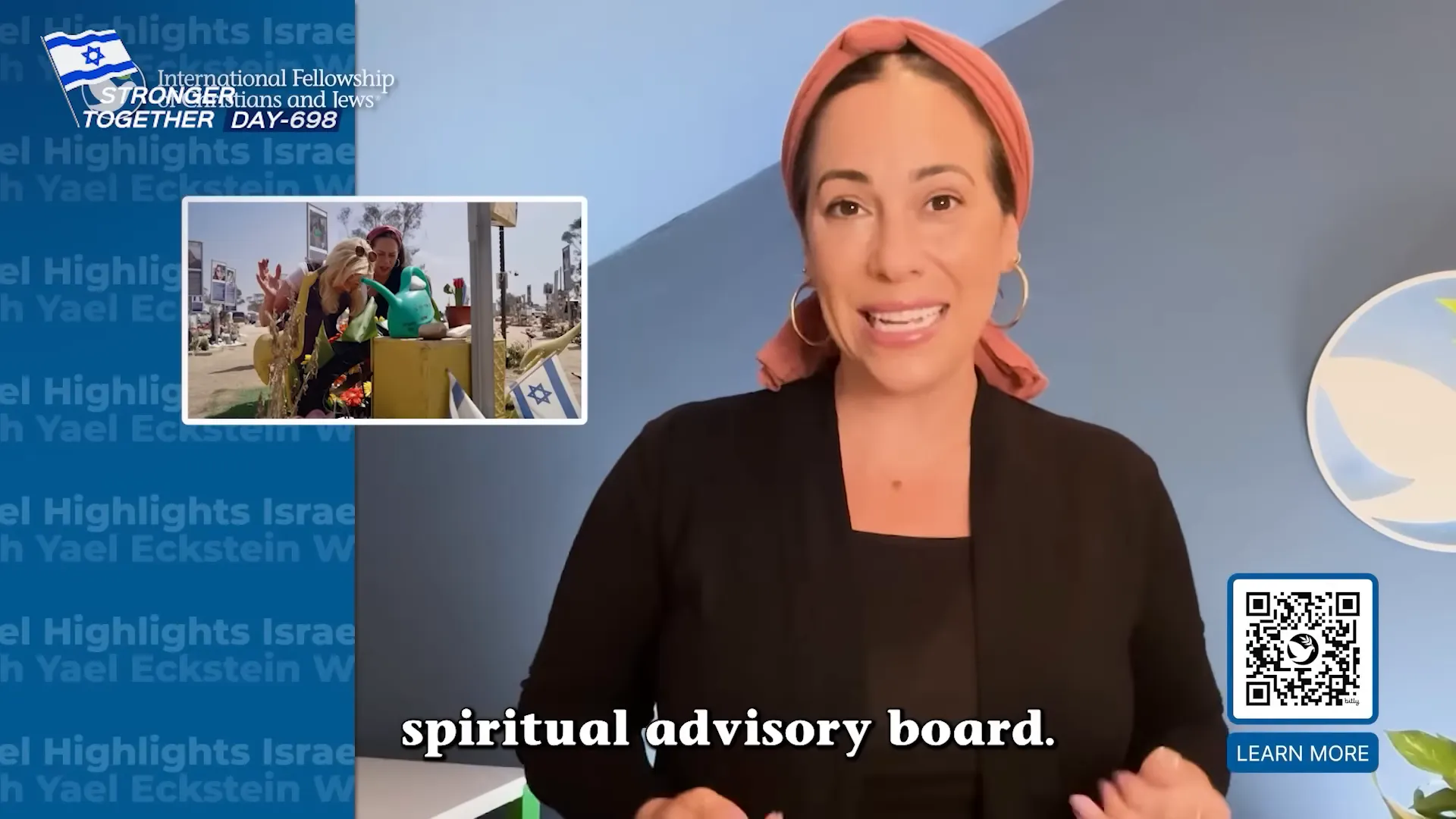
These projects are supported by international donors and faith‑based partners working to alleviate wartime suffering and to fund on‑the‑ground trauma recovery.
Economy & Solidarity: Israel Bonds
Israel Bonds reaffirmed its role as a financial and symbolic tool of solidarity. The campaign message emphasised that investing in Israel Bonds supports national resilience and reconstruction efforts during and after the conflict.
Sports, Culture and Normal Life
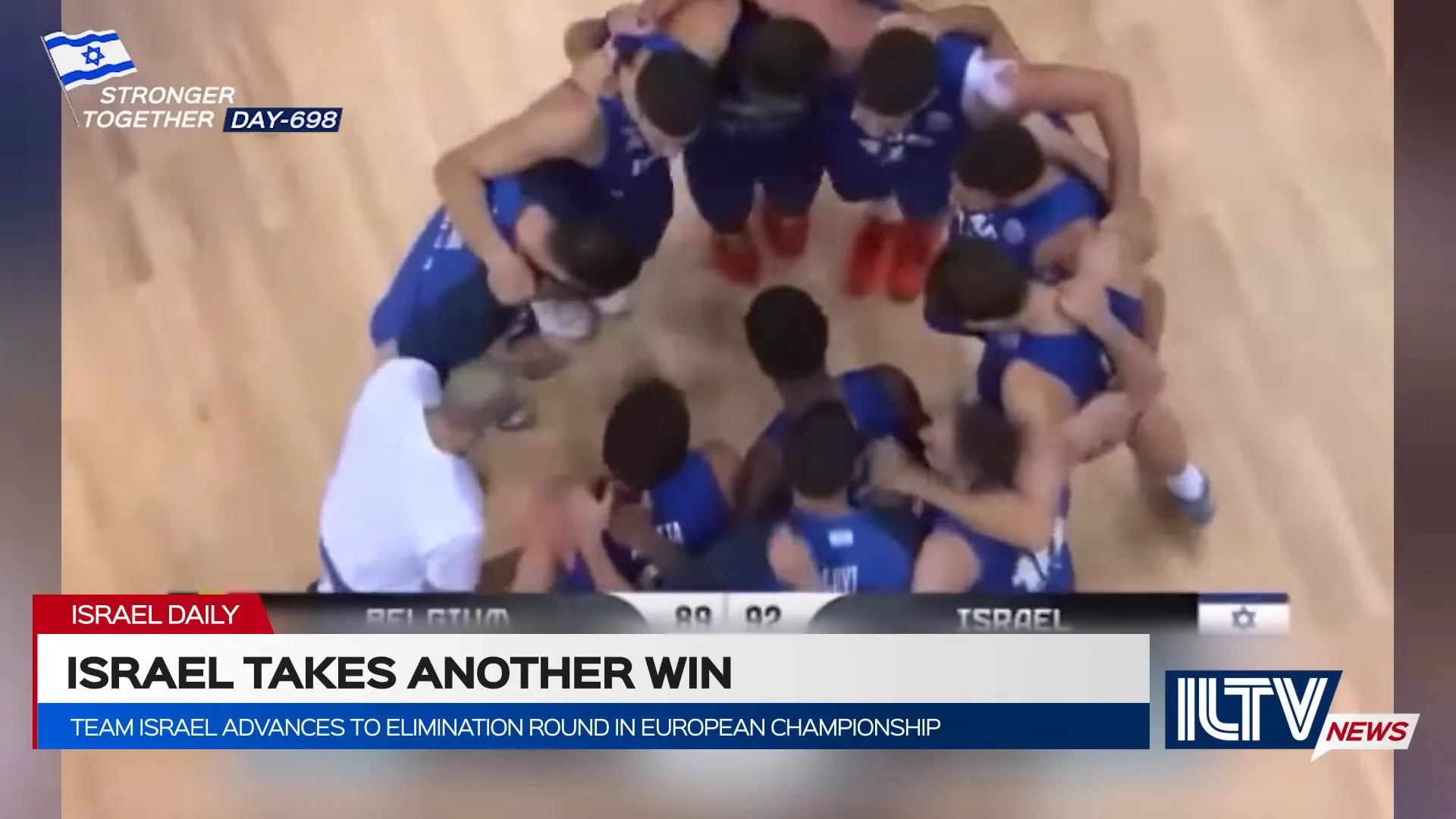
In a welcome respite from hard news, Israel’s national basketball team advanced to the EuroBasket knockout stage for the first time in a decade. After dramatic wins against France and Belgium, Israel secured a spot in the last 16 and will know its quarterfinal path once group results finalise in Riga, Latvia. Stars like Deni Avdija and Roman Sorkin have driven renewed optimism among fans.
Weather Snapshot
Tonight: Mostly cloudy with lows around 23°C (73°F). Tomorrow: Clear and hot with highs near 32°C (91°F).
Conclusion
These are fateful days for Israel: a major military operation looms in Gaza City while the conflict’s regional reverberations — missiles from Yemen, strained diplomacy with Iran and new satellite capabilities — continue to reshape security calculations. The coming weeks will be pivotal for how the IDF conducts urban operations, how humanitarian corridors hold, and whether diplomatic tracks can yield any breakthrough for hostages and civilians alike.
Frequently Asked Questions (FAQ)
Q: What is the current status of the Gaza City operation?
A: The IDF has mobilised roughly 60,000 reservists and is preparing to advance into Gaza City. Military analysts estimate the seizure phase could take four to eight weeks, followed by a longer clearance period to remove tunnels, bunkers and explosives.
Q: How many civilians have evacuated Gaza City?
A: The IDF estimates about 70,000 civilians have moved south toward humanitarian areas like Al‑Mawasi. Roughly 1 million people remain across the Gaza Strip, complicating operations and humanitarian access.
Q: Are hostages likely to be freed once Gaza City is taken?
A: Military leaders hope defeating Hamas in Gaza City will pressure militants to release hostages. Possible outcomes include surrender and negotiated release, direct negotiations with captors, or targeted rescue operations where feasible and safe.
Q: What was the Houthis’ attack and did it cause damage?
A: A missile launched by Yemen’s Houthi movement triggered red alerts in central Israel but was intercepted by the IDF. There were no reported injuries or damage.
Q: What is Ophik‑19 and why does it matter?
A: Ophik‑19 is a radar observation satellite launched by Israel. It provides all‑weather, day‑night high‑resolution imagery that will bolster intelligence for ground and air operations and improve situational awareness.
Q: How is the international diplomatic picture evolving?
A: Nuclear talks with Iran and IAEA negotiations appear stalled. European states recently activated a snapback mechanism, accusing Iran of breaching nuclear limits. With the 2015 deal nearing expiration, sanctions and renewed diplomatic tensions are possible.
Sources and Further Reading
- ILTV Israel News coverage and field reporting
- Official IDF and Defence Ministry statements
- International news on Iran‑IAEA discussions


