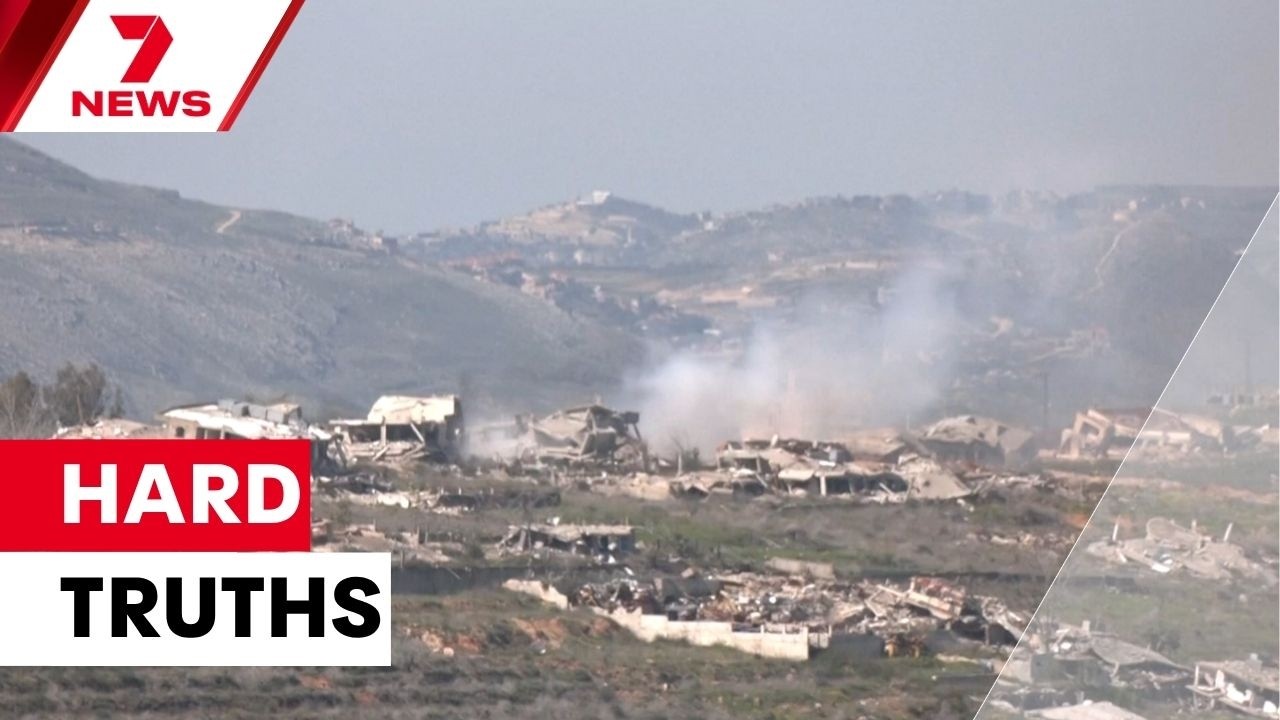
The Iran war oil crisis could echo through the Australian economy in ways most people don’t immediately see—raising prices, pressuring jobs, and testing household confidence. While Australia exports energy and relies on global trade for fuel, the real risk is how quickly supply shocks turn into higher costs, slower spending, and weaker business decisions. In this article, we break down the likely transmission channels and what it means for homebuyers, workers, and superannuation balances.
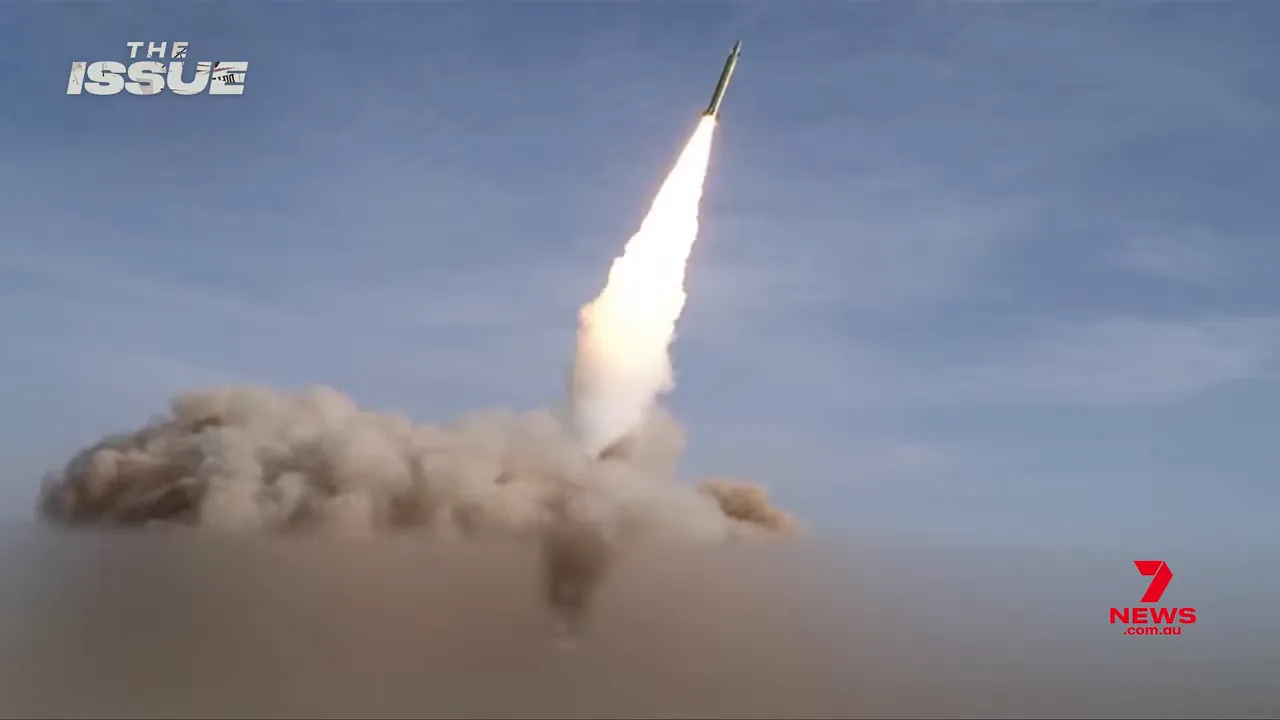
Table of Contents
- The main channel: oil disruption that spills into everything
- Why inflation pressure can build even if the war ends
- Households should watch business confidence, not just consumer moods
- Should home buyers move—or wait?
- Superannuation: why short-term falls shouldn’t force long-term panic
- Australia’s energy wealth: the real debate is policy, not just markets
- Fuel excise cuts: relief today, risk later
- Self-sufficiency vs resilience: the smarter target is redundancy
- How much worse could it get? A reminder about scale
- FAQ
- Bottom line: aim for realism, not paralysis
The main channel: oil disruption that spills into everything
The immediate concern is the strait of Hormuz—a key shipping route for global oil supply. If disruptions last for months, the knock-on effects don’t stay in the headlines; they reach the wider economy through energy, transport, and industrial inputs.
Energy isn’t just petrol for cars. Oil is also embedded in the production of fertilisers and other critical materials. That matters because when supply tightens across multiple inputs, it becomes much harder for the global economy to keep growing smoothly.
Why inflation pressure can build even if the war ends
Markets and governments often react to the start and end of a conflict, but real-world impacts can take time to “flush through” supply chains. Even if the situation improves sooner than feared, prices and activity levels may take months to normalise.
There’s also a domestic policy risk: when governments reduce fuel costs, they may temporarily help households—then create later inflationary pressure as demand rises and the fiscal cost feeds back into the economy. The result can be a short-term relief period followed by a delayed “pay later” dynamic.
Households should watch business confidence, not just consumer moods
Yes, consumers matter. But one of the biggest medium-term risks is business confidence—because businesses drive hiring and investment. If businesses anticipate weaker demand or higher costs, they may slow spending on productivity and staffing.
In turn, that can worsen unemployment expectations. And once job worries spread, they can become self-fulfilling: people spend less because they feel less secure, which then makes conditions worse for employers.
Should home buyers move—or wait?
For Australians considering a home purchase, the core message is less about trying to time the conflict and more about protecting your budget. Buying a home can provide both emotional stability and long-run financial structure—especially compared with the uncertainty of renting.
However, the risk is overextending, particularly when housing costs are high and interest-rate shocks are possible. A sensible approach is to stress-test repayments rather than assume the current rate path will hold.
A practical way to think about repayment risk
- Only buy if you can comfortably manage repayments.
- Stress-test your loan using at least a 1% higher interest rate (preferably more).
- If your job isn’t secure, be extra cautious about stretching your borrowing.
Superannuation: why short-term falls shouldn’t force long-term panic
With superannuation, the fear is understandable: sudden market swings can feel personal when you’re near retirement. Even so, super is a long-horizon investment, and that long horizon is exactly what helps investors ride out volatility.
Over the last 30 years, major crises have come and gone—yet markets have generally risen over time. The key is staying invested long enough for recovery to happen, even if you experience sharp drawdowns along the way.
How to keep perspective
- Expect volatility—markets can fall sharply and then recover.
- Understand super often lasts decades, especially for people still in the workforce.
- Don’t let a temporary drop turn into a permanent decision (like selling at the wrong time).
Australia’s energy wealth: the real debate is policy, not just markets
Australia exports LNG and remains a major energy player, so it’s tempting to assume high global prices will automatically translate into broader household wealth. But the argument here is that policy has failed to capture a “fair share” of resource value for the public—despite huge industry profits and national stakes.
Critics focus on the Petroleum Resource Rent Tax, arguing it hasn’t matched the value Australia’s resources generate. In plain terms: if the community lets companies extract a scarce, high-value asset, the country should be paid enough to reflect reasonable market value—even when prices aren’t at peak levels.
Fuel excise cuts: relief today, risk later
Cutting fuel excise can feel like immediate help, especially for families already under pressure. But a supply-constrained good behaves differently to what many politicians assume: if the price falls, people tend to buy more fuel, increasing demand and potentially worsening the underlying cost pressures.
There’s also the fiscal dimension. A fuel excise cut reduces government revenue and adds to debt, and that has implications for inflation through broader economic stimulus and later adjustments.
Self-sufficiency vs resilience: the smarter target is redundancy
The war has intensified debate about whether Australia should aim for “Fortress Australia” self-sufficiency. The stronger economic argument is that total self-sufficiency is expensive and usually reduces living standards—because refining fuel, producing steel, and processing metals often costs far more domestically than importing those inputs through trade.
Instead of trying to do everything locally, a more realistic goal is resilience: having enough critical stockpiles and supply-chain redundancy to survive disruptions—similar in spirit to the lesson Australia learned during COVID.
What resilience looks like in practice
- Maintaining months of essential fuel onshore, not just weeks.
- Building redundancy so shocks at key terminals don’t instantly halt supply.
- Planning for “accidents” and system failures—not only headline-grabbing wars.
How much worse could it get? A reminder about scale
Iran is already a major stress test for global supply chains. But the broader lesson is that geopolitical shocks can escalate. A conflict involving major shipping corridors and trade routes could affect Australia far more deeply, including through exports like iron ore and the demand for manufactured goods.
The key point isn’t to predict outcomes—it’s to recognise that some risks don’t resolve quickly, and they can disrupt trade in compounding ways.
FAQ
How does the Iran war affect Australian inflation?
It can restrict oil supply, which raises energy and transport costs. Those increases then flow through the economy to prices of goods and services over time.
Could a fuel excise cut make inflation worse later?
Potentially. Lower prices can increase demand (especially for supply-constrained fuel). The fiscal cost also adds to government debt, which can contribute to later inflationary pressure.
What should home buyers do if the economy slows?
Buy only if you can afford repayments under stress. A recommended approach is to judge your loan using at least a 1% higher interest rate (and consider securing yourself against job risk).
Should superannuation members panic during market drops?
Usually, panic is a bad strategy for long-term investors. Super is designed for decades-long horizons, and markets have historically recovered after major crashes—though the timing is never smooth.
Is Australia better off being self-sufficient?
Not necessarily. The argument is that Australia can’t be fully self-sufficient without major cost increases and lower living standards. Resilience via stockpiles and supply redundancy is often a more cost-effective goal.
Bottom line: aim for realism, not paralysis
The Iran war oil crisis isn’t just about oil prices—it’s about how supply shocks influence confidence, business spending, employment, and ultimately household budgets. The most important move for individuals isn’t to chase headlines; it’s to build a buffer: manage repayment risk, maintain a long-term mindset for super, and understand that policy choices can affect inflation timing.
Australia will likely face “sawtooth” conditions—pressure, then recovery—but the path through it is clearer when households and businesses plan for the downside while staying focused on the long term.
The information in this article has been adapted from mainstream news sources and video reports published on official channels. Watch the full video here Hard truths about how the Iran War and the oil crisis will hit the wealth of Australians | THE ISSUE


