US and Israel Escalate Attacks on Iran
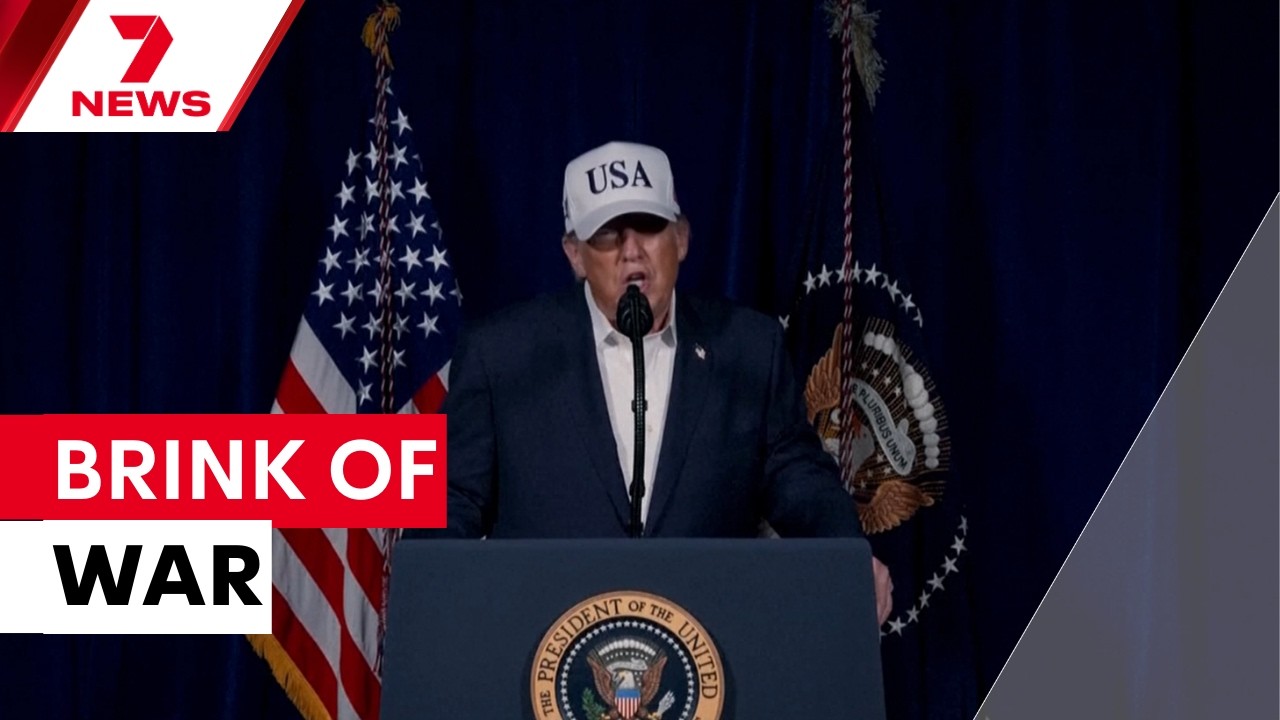
Table of Contents
- SYDNEY, AUSTRALIA — A region on edge after strikes and urgent travel warnings
- What happened, and who is involved?
- Australia’s stance and immediate actions
- Practical travel and safety advice
- Domestic security implications
- Why this matters
- What to watch next
- FAQs
- Further reading and resources
SYDNEY, AUSTRALIA — A region on edge after strikes and urgent travel warnings
US and Israel Escalate Attacks on Iran has pushed the Middle East to the brink of a wider conflict, with more than 500 targets reportedly struck in Iran in the hours after nuclear talks collapsed. The immediate fallout includes international condemnation, urgent travel advice for Australians in the region, and renewed debate about the risks of a broader war.
The situation unfolded rapidly. Reports that Iran's supreme leader had been found dead in rubble — and a public call from a US leader urging Iranians to rise — intensified tensions and raised questions about next steps for allied governments, including Australia.
What happened, and who is involved?
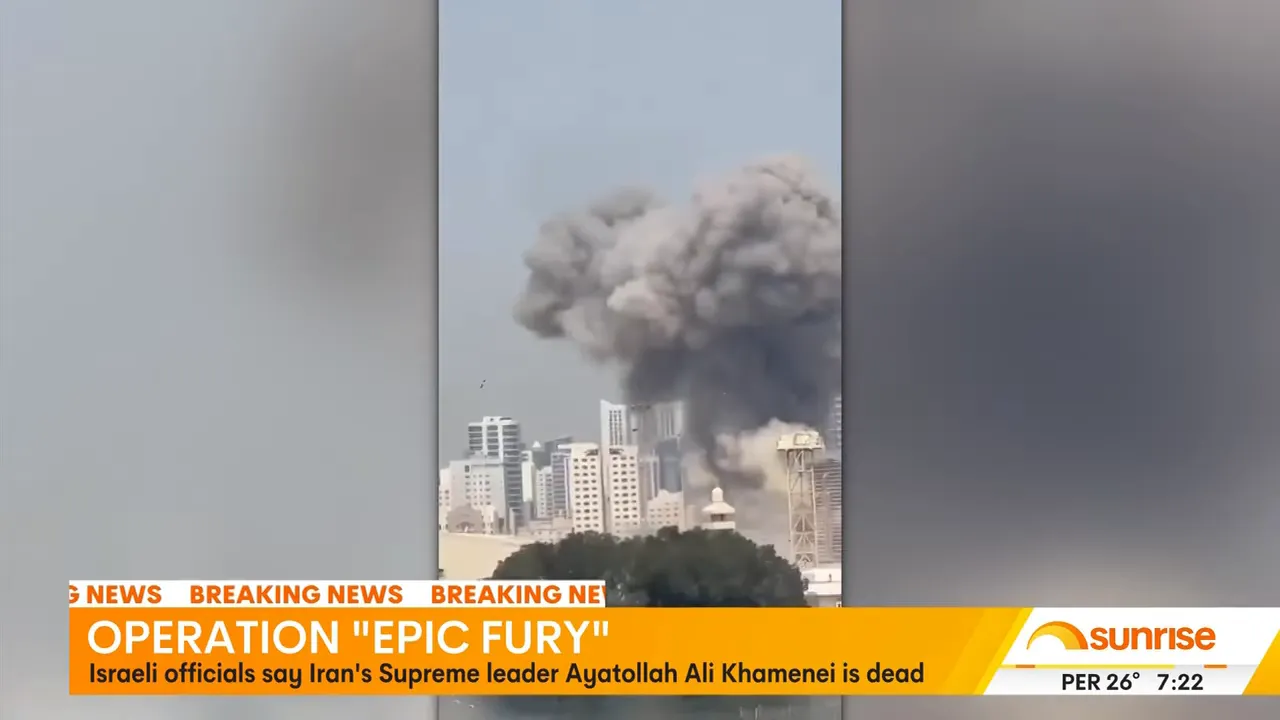
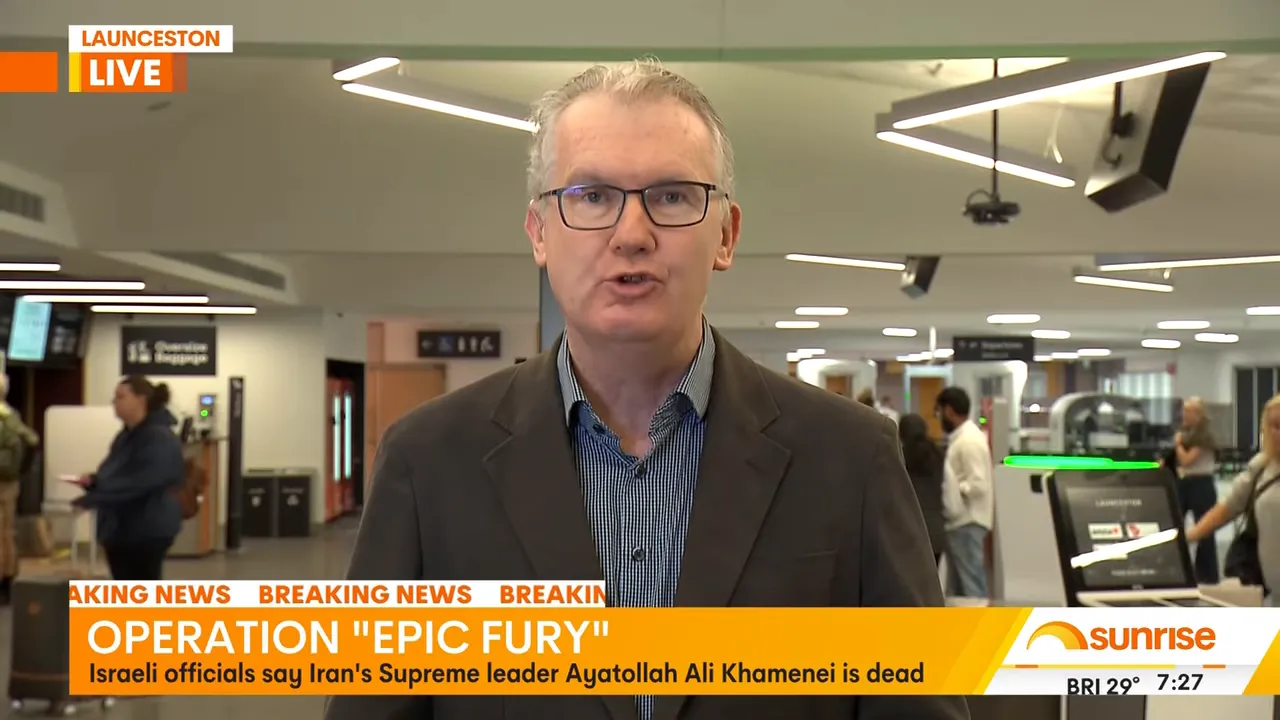
The United States and Israel have carried out coordinated strikes targeting hundreds of sites across Iran following the breakdown of nuclear negotiations. Israeli officials told international media the supreme leader’s body was discovered after attacks on key locations.
The US response included a direct appeal to the Iranian people to seize the moment and overthrow the regime. That appeal escalated an already combustible situation and forced allied countries to clarify their positions.
"Finally, to the great proud people of Iran, I say tonight that the hour of your freedom is at hand."
"When we are finished, take over your government. It will be yours to take."
Australia’s stance and immediate actions
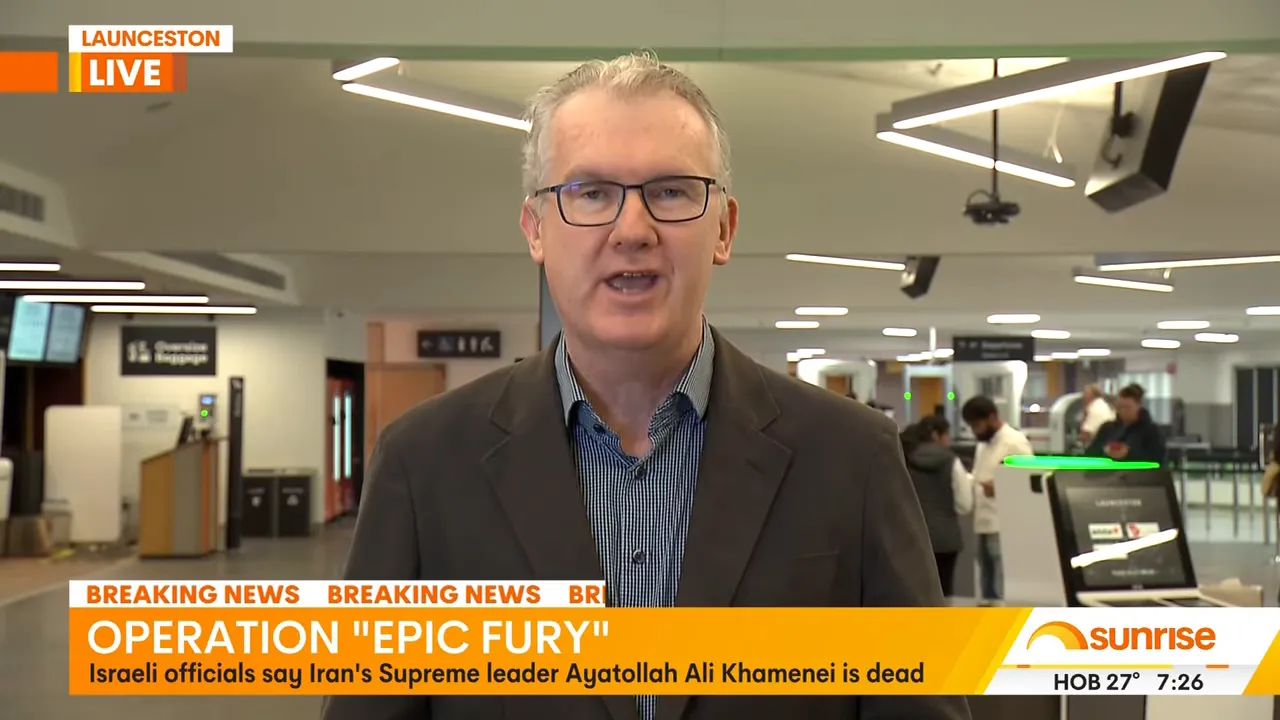
Home Affairs Minister Tony Burke told national media Australia stands unequivocally with the Iranian people against what he described as a brutal regime. He reaffirmed Australian support for preventing Iran from acquiring nuclear weapons.
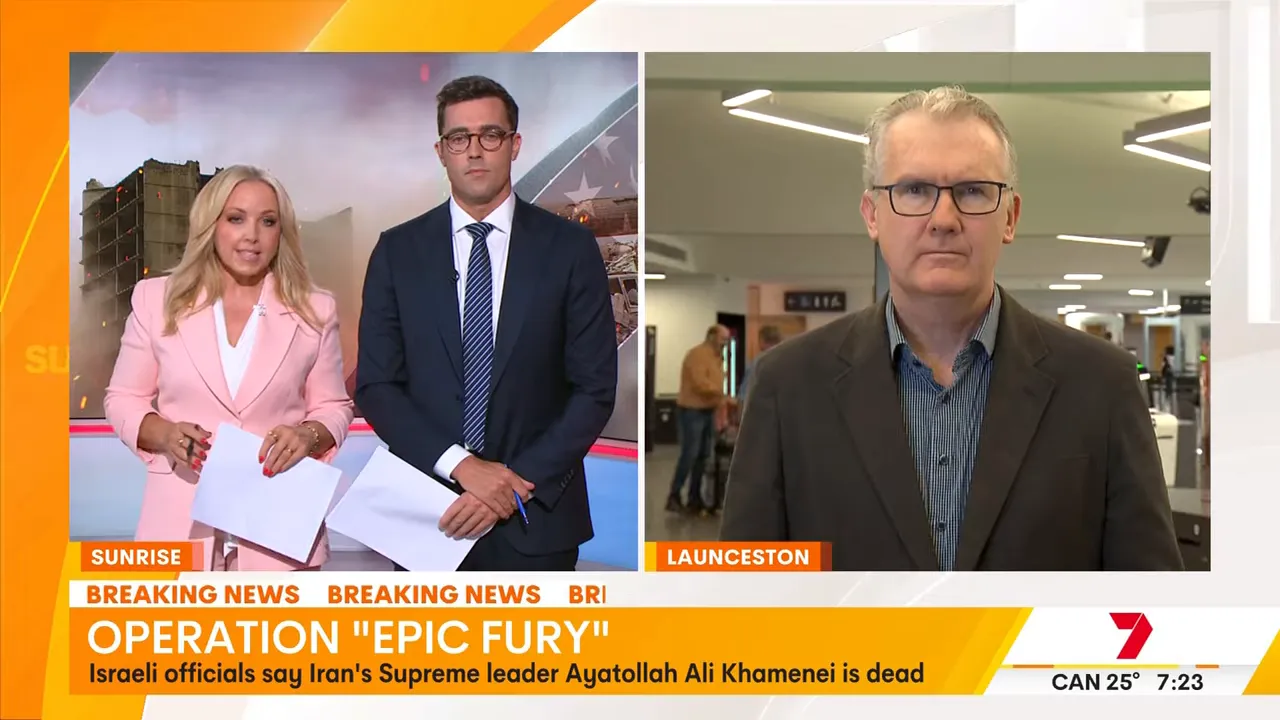
Minister Burke signalled Canberra will not outline alternative leadership for Iran but emphasised support for the Iranian people's right to govern themselves. He reminded viewers of past incidents linking Iran to attacks that affected Australia, including an arson attack on Melbourne’s Adas Israel Synagogue.
Practical travel and safety advice
The Department of Foreign Affairs and Trade upgraded travel advice overnight for several countries in the region. Australians in Lebanon, Israel and Qatar were told not to travel and to leave if it is safe and commercial flights remain available.
Temporary airport closures are disrupting movement, but the government expects commercial options to continue where possible. Australians in the region have been urged to act without delay and follow official travel advice.
Domestic security implications
Back home, Australia’s national threat level remains at "Probable." Authorities say intelligence and law enforcement agencies, particularly ASIO, are actively reviewing the situation to determine whether the domestic threat assessment should change.
Recent intercepted incidents demonstrate the real risk of spill-over effects, prompting close monitoring of community safety and potential foreign-influenced acts on Australian soil.
Why this matters
Escalation in the Middle East matters for Australia for three reasons: regional instability affecting trade and travel, the safety of Australians abroad, and domestic security risks tied to international tensions.
Longer term, the breakdown of diplomatic talks and military strikes increase the likelihood of sustained conflict, complicating humanitarian access and regional recovery efforts.
Key points at a glance
- More than 500 targets in Iran were reported hit by US and Israeli forces after nuclear negotiations failed.
- Reports emerged that Iran’s supreme leader was found dead in the rubble of attacks.
- US calls for regime change have intensified diplomatic tensions.
- Australia supports preventing Iran from acquiring nuclear weapons and stands with the Iranian people.
- Travel advice upgraded: do not travel to Lebanon, Israel or Qatar; Australians should leave if safe and commercial flights exist.
- Domestic threat level remains at Probable; ASIO and law enforcement are monitoring closely.
What to watch next
Watch for confirmation from international agencies on the reported death of Iran’s supreme leader, any UN or congressional responses, and potential retaliatory strikes. Travel disruptions and consular activity are also likely to increase as governments respond to civilian safety needs.
FAQs
What exactly triggered the current round of strikes?
The strikes followed the breakdown of nuclear negotiations and intelligence assessments that Iran was advancing its nuclear capabilities. Coordinated US and Israeli actions targeted multiple sites to degrade perceived nuclear, military and strategic assets.
Is the Australian government calling for regime change in Iran?
Australia has said it stands with the Iranian people against an oppressive regime and supports international efforts to prevent Iran obtaining nuclear weapons. Officials stopped short of naming preferred successors, emphasising support for the Iranian people's right to self-determination.
Are Australians in the Middle East being evacuated?
At present, Canberra has upgraded travel advice to “do not travel” for Lebanon, Israel and Qatar and urges Australians already in these countries to leave if it is safe and commercial flights are available. Temporary airport closures may complicate departures, but evac operations have not been broadly announced.
Has Australia experienced attacks linked to Iran?
Australian officials have cited incidents allegedly instigated by Iran, including an arson attack on the Adas Israel Synagogue in Melbourne. In response, Australia has previously taken diplomatic measures such as expelling an ambassador and designating the IRGC under terrorism-related laws.
Could this lead to wider war, and how likely is that?
Escalation raises the risk of wider conflict, but outcomes depend on diplomatic pressure, restraint by regional actors, and international responses such as UN deliberations or congressional approvals. The situation remains fluid and unpredictable.
Further reading and resources
- Follow official travel advice from the Department of Foreign Affairs and Trade.
- Monitor updates from trusted international news agencies for confirmation of major developments.
- Check local consular channels if you are travelling or have loved ones in the region.
The information in this article has been adapted from mainstream news sources and video reports published on official channels. Watch the full video here On the brink of all-out war as the US and Israel trade escalating attacks with Iran | 7NEWS


