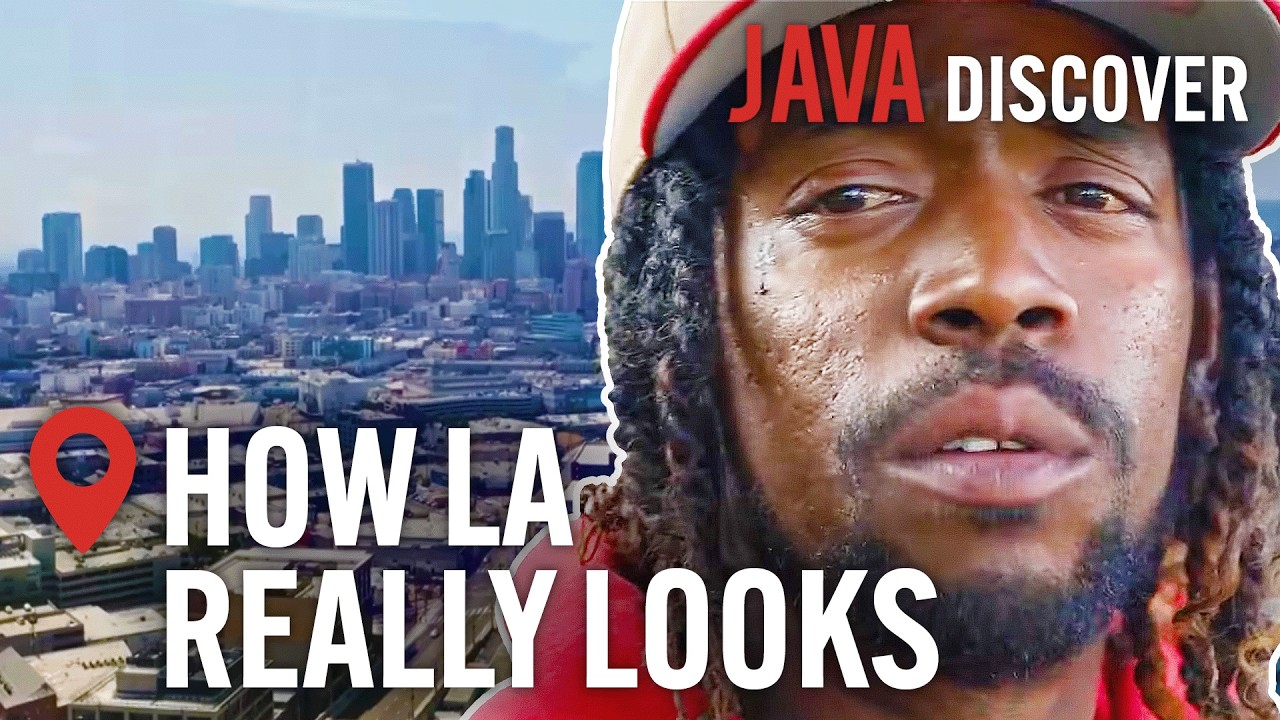
I travelled across Los Angeles County to tell a single, stark story: one city, two Americas. This documentary—produced by Impala Production and directed by Barbara Hinderholtz, and shared by Java Discover | Free Global Documentaries & Clips—follows families, workers and entrepreneurs on different sides of a widening divide. From Santa Monica mansions to Skid Row encampments, I recorded how skyrocketing housing costs, new drugs and long-running violence are reshaping life in the City of Angels.
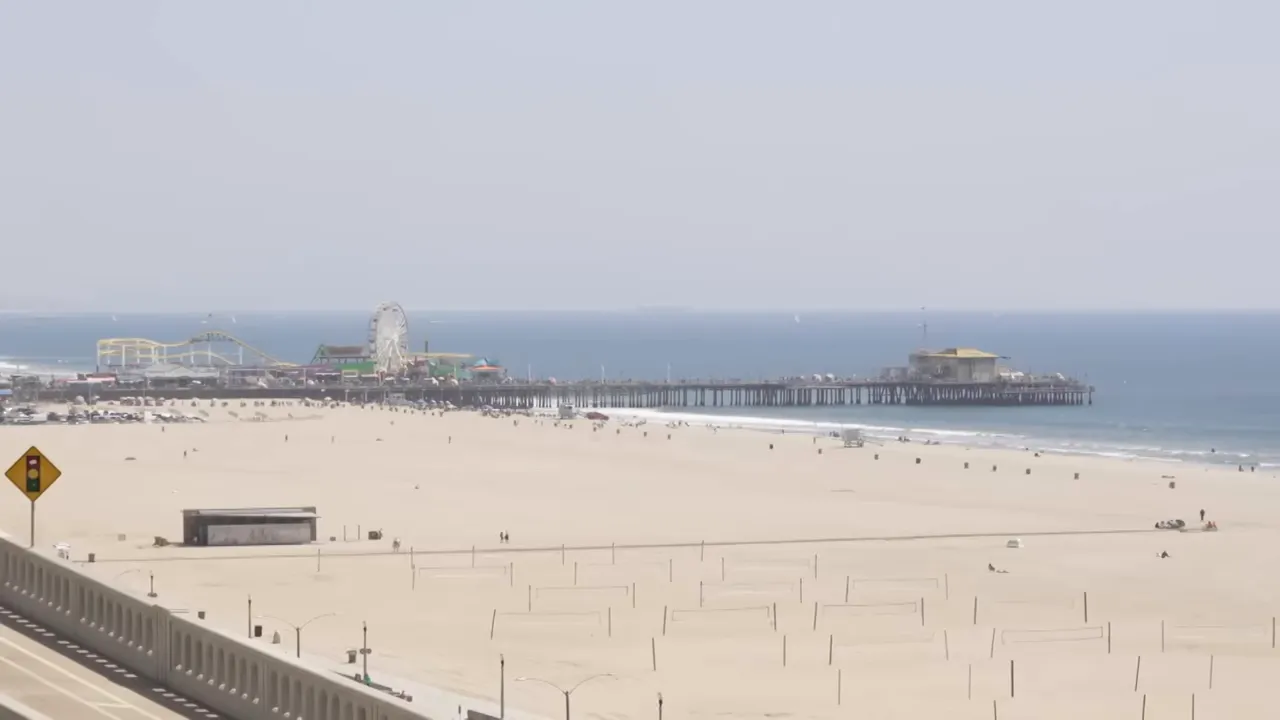
Table of Contents
- Overview: A City of Contrasts
- Santa Monica: The Playground of the Ultra-Wealthy
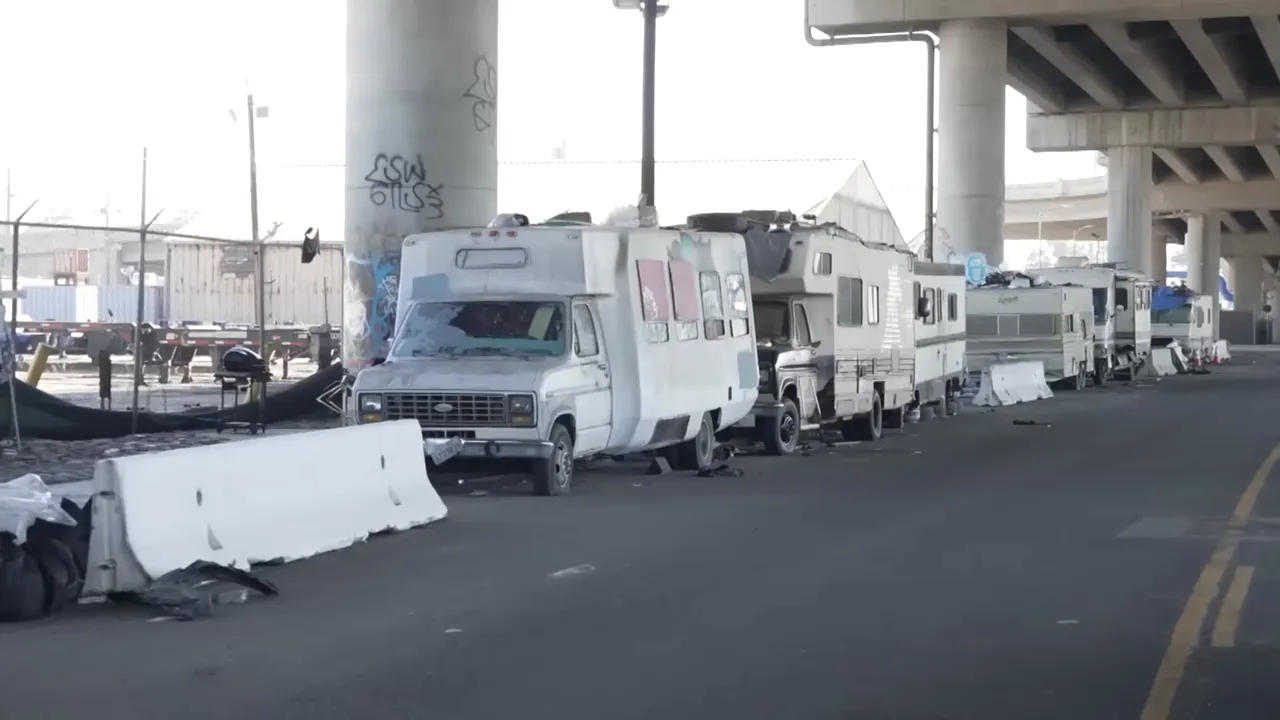
- Working but Roofless: RVs, Micro-Housing and the New Normal
- Podshare: Shared Housing as Practical Design
- Skid Row and Grassroots Care
- The Charity and Crisis of Drug Addiction
- Gang Violence and the Southside
- The Human Stories Behind the Numbers
- Conclusion
- FAQ
Overview: A City of Contrasts
Los Angeles still sells the dream: endless beaches, near-perfect weather and an entertainment industry that attracts the curious and ambitious. Yet that glossy image masks deep inequality. Westside neighborhoods like Santa Monica and Beverly Hills fetch record prices—mansions sell for tens of millions—while the east and south see overcrowded housing, rising crime and a growing population living in motorhomes and tents.
Key figures from my reporting:
- Inflation on consumer goods: reported at roughly 15% annually in our interviews.
- Housing price increases: ~25% per year at the time of filming in some markets.
- Average rent for a tiny 15 m² studio: around $2,000/month.
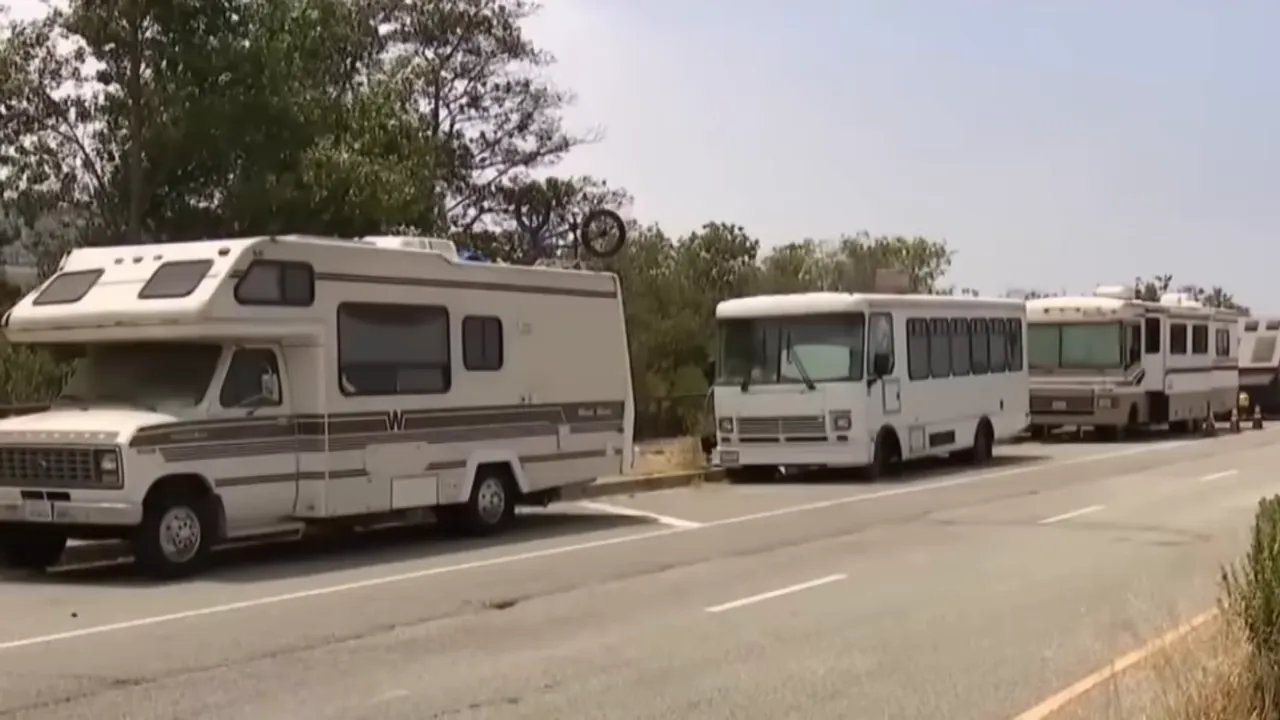
- Estimated people living in RVs along L.A. streets: approaching 10,000.
- Homeless population in Los Angeles County: approximately 45,000.
Santa Monica: The Playground of the Ultra-Wealthy
In Santa Monica I met Shelton Wilder, a luxury real estate broker whose life is inseparable from the market she serves. Shelton embodies the city’s aspirational side: bespoke wardrobes, private stylists, and seven-figure listings. She shows homes with every amenity imaginable—a "Wellbeing House" with retractable roofs, private gyms, Himalayan salt walls and staff that cater to an affluent lifestyle. Such properties sell quickly, and demand at the top end pushes prices ever higher across the county.

Shelton’s perspective is candid: hard work and visibility are essential to maintain her business and lifestyle. For her, LA is still a place of possibility—if you can afford the ticket. That optimism contrasts sharply with the realities I saw elsewhere.

Working but Roofless: RVs, Micro-Housing and the New Normal
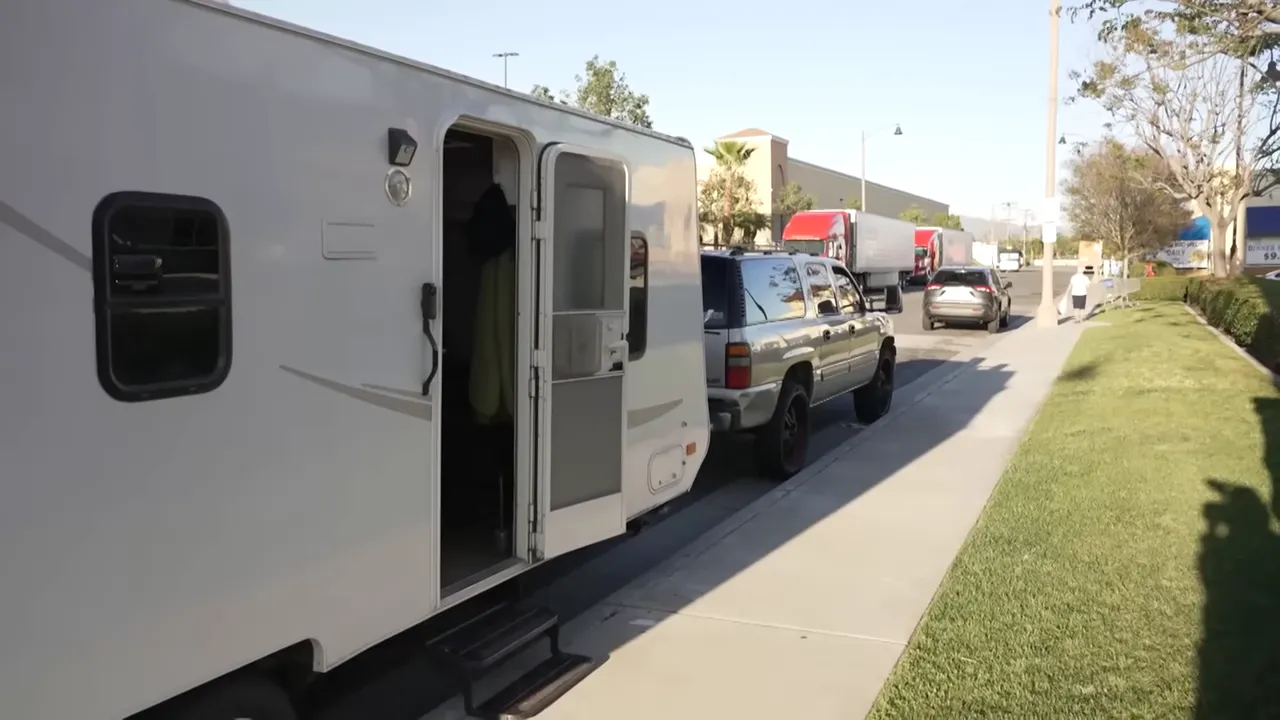
Across the county, thousands of working people struggle to afford traditional housing. I spent time with Roy, a 64-year-old mechanic who now sleeps in a caravan he bought for $20,000 after a period living on sidewalks. Roy has steady work but a pension too small to cover rent; his trailer provides shelter, privacy and the dignity of a fixed place to call home.
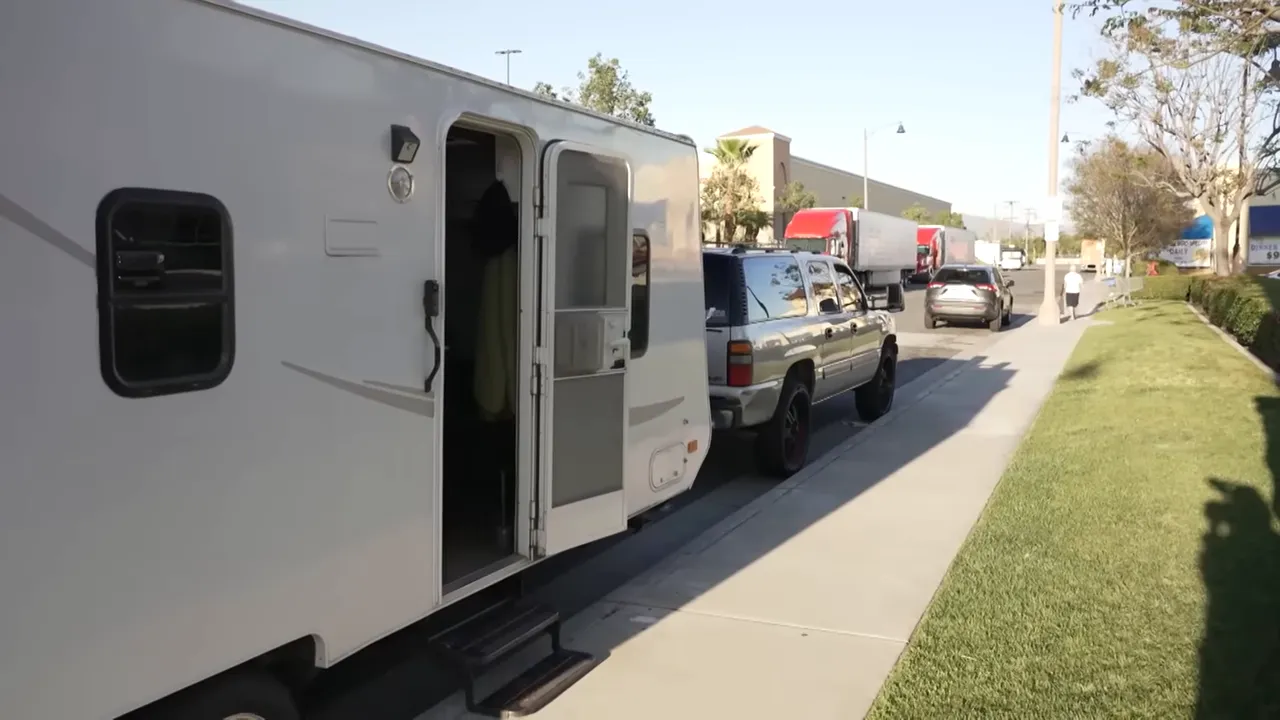
Where the city’s social safety net and housing supply can’t keep up, markets and entrepreneurs fill the vacuum. Gregory, for example, runs a business renting RVs for around $500 a month and is developing tiny, 10 m² units to rent for roughly $1,000. He insists his approach helps people avoid sleeping on sidewalks, while critics argue it commercialises desperation.
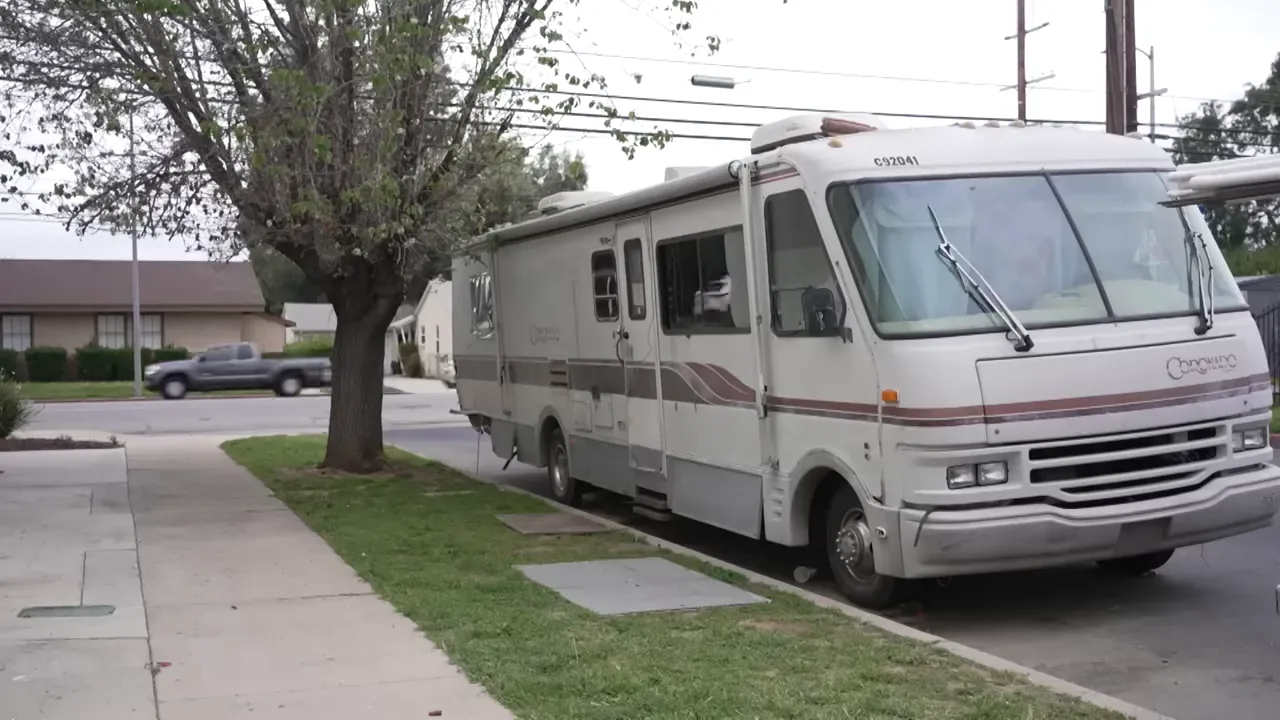
The growth of RV-living has consequences: public safety concerns, fires in poorly maintained vehicles, and neighbourhood tensions. Affluent residents near the coast have pushed back hard when encampments emerge near prized coastal bluffs.
Podshare: Shared Housing as Practical Design
Not all solutions are for-profit. In Venice Beach I met Elvina, founder of Podshare, who converted a former church into communal housing for people priced out of the market. Her model offers bunk-style long-term stays for roughly €1,500/month (about $1,500), inclusive of utilities and cleaning—far cheaper than typical rents and without the usual entry barriers like big deposits, long proof-of-income requirements or credit checks.
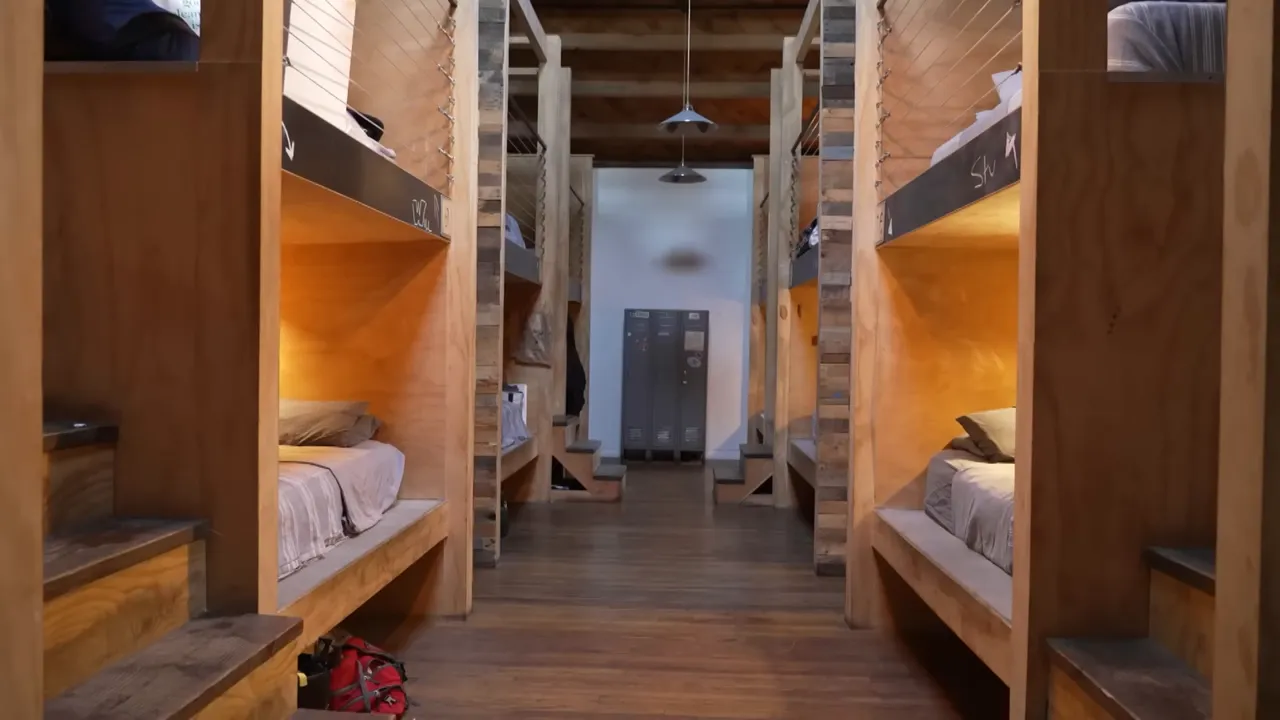
For many residents—shop workers, younger arrivals, or people between housing situations—podshares provide safety, routine and a supportive community. Jeffrey, a long-term occupant, saves $200 a month living there and hopes to eventually move into his own apartment. Others tell a different story: for some the shared model becomes semi-permanent because conventional housing has moved out of reach.
Skid Row and Grassroots Care
Two blocks from downtown’s shiny towers lies Skid Row, where thousands live in makeshift shelters. There I found grassroots efforts keeping people alive and respected. James Curtis, once homeless himself, gives free haircuts every Sunday and organises food distributions for up to 300 people. He explains that small acts—haircuts, shared meals—restore confidence and dignity.
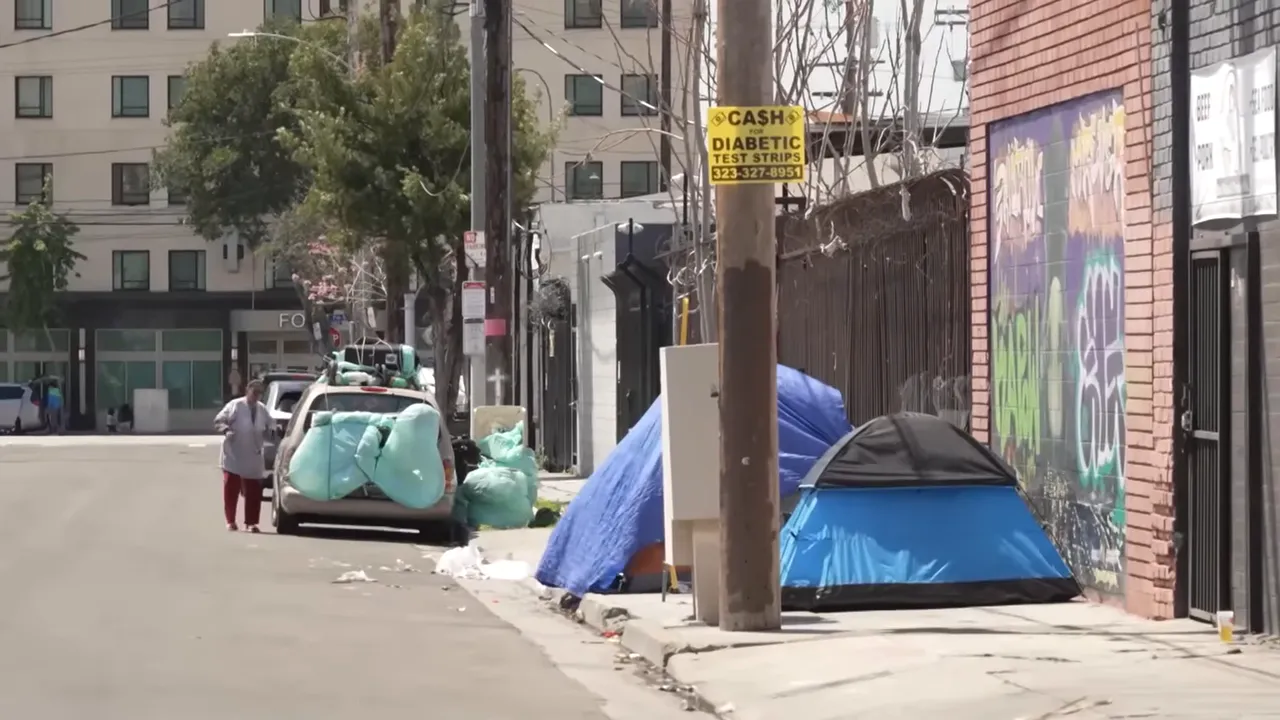
These volunteer-led services plug holes that mainstream systems haven’t filled: free Narcan distribution, mobile medical clinics, antibiotics for open wounds, and regular community check-ins. Those services are vital when medical and housing systems are overwhelmed.
The Charity and Crisis of Drug Addiction
Part of the crisis is medical. Addiction—particularly to fentanyl—has driven numbers of people onto the streets. More recently, the veterinary tranquiliser xylazine (called the “zombie drug” in street parlance) has been mixed with fentanyl, worsening wounds and causing tissue necrosis that sometimes requires amputation.
Daniel, a volunteer street doctor, delivers care where clinics can’t reach. He administers antibiotics, hands out Narcan, and treats wounds while talking patients through options. But medical outreach can only do so much when people are exposed to persistent poverty, trauma and unstable housing.
Gang Violence and the Southside
In the southeast suburbs—Carson and Compton—the story shifts again. Longstanding gang rivalries have turned neighbourhoods into battlegrounds, with high rates of burglaries, carjackings and shootings. I met locals who grew up among violence; many see only migration northwards as a way to keep their families safe. Violence and fear are daily realities for people who have few resources to escape.

These communities are often economically marginalised: lower property values, fewer services and limited access to the opportunities that buoy wealthier areas. That contrast—violence and scarcity on one side of the freeway, luxury and quiet on the other—illustrates LA’s geographic and social divisions.
The Human Stories Behind the Numbers
Across every interview, one theme returned: many Angelenos are a paycheck away from crisis. Roy’s trailer is more than shelter—it’s security after addiction and years of instability. Shelton’s success is a story of reinvention and resilience. Elvina’s podshare is practical, communal and humane. Gregory’s rentals raise questions about ethics and entrepreneurial responses to unmet need—but they also demonstrate how markets adapt to shortage.

Los Angeles is still, to many, a place of opportunity—but that promise is increasingly conditional. When housing costs rise faster than incomes, creative coping strategies proliferate: shared housing, RV living, micro-units and mutual aid. Some are temporary fixes; others may reshape how urban living is organised.
Conclusion
My time across LA County left me with no single answer—only a clearer sense of urgency. The divide between wealth and poverty is not just economic; it’s spatial and social. Policies, health services and housing supply all need coherent, scaleable responses. Until those systems change, more people will find themselves living in vehicles, sharing crowded spaces, or surviving on the margins.
If there’s a thread of hope, it’s the resilience of people I met: neighbours who share food, volunteers who offer medical care and haircuts, and organisers building affordable alternatives. Those grassroots responses show that humane solutions are possible—if the will and resources follow.
FAQ
Q: How many people are homeless in Los Angeles?
A: At the time of reporting, estimates put the homeless population in Los Angeles County at roughly 45,000 people. Skid Row remains one of the most visible concentrations of homeless individuals.
Q: Why are so many people living in RVs on Los Angeles streets?
A: The main drivers are skyrocketing housing costs, stagnant wages for many workers, and tight rental markets. RVs and converted vehicles become a last-resort shelter when apartments are unaffordable or inaccessible due to deposits and income verification requirements.
Q: What are podshares and do they help?
A: Podshares are shared-living models that offer bunk-style or communal housing with inclusive utilities and services. They lower entry barriers (no huge deposits or strict income proofs), provide safety in numbers and can be a stepping-stone for people saving toward private housing. But they’re not a substitute for broader affordable housing development.
Q: How is the drug crisis affecting people on the streets?
A: Many homeless people are addicted to opioids like fentanyl. The addition of xylazine (a veterinary sedative) into street supplies has led to severe skin infections and tissue damage, sometimes requiring amputations. Outreach programs distribute Narcan and provide wound care, but addiction treatment and long-term healthcare remain under-resourced.
Q: What can readers do to help?
A: Support grassroots organisations that provide food, medical outreach and housing-first services. Advocate for policies that expand affordable housing, supports for substance use disorder treatment, and living wages. Local-level engagement—volunteering, donating supplies, or urging elected officials to prioritise homelessness solutions—can make a difference.


