
The Hormuz crisis is deepening as the US escalates its military pressure on Iran and intensifies warnings to secure a deal. At the same time, Iran continues to block the Strait of Hormuz, a chokepoint that carries a large share of global oil shipments. With tensions rising, Australia has joined an international push aimed at keeping shipping moving safely.
In brief: the US has carried out further strikes, warns more attacks are coming, and says a resolution could be near. Meanwhile, about 40 ministers are meeting to discuss diplomatic ways to reopen the strait, without the US participating in the talks.

New US strikes raise the stakes around Iran
Donald Trump has vowed that attacks on Iran will become more aggressive. New footage released online by the US president shows destruction following an airstrike near Tehran, alongside warnings that further strikes could follow.
Explosions and thick smoke have also been reported near a missile base by the Iranian city of Isfahan, underscoring how rapidly the situation is moving beyond diplomacy.
Despite Trump’s claim that the campaign is nearing completion and could wrap up within two to three weeks, Iran remains able to obstruct shipping through the Strait of Hormuz.

US personnel changes signal a heightened campaign posture
The escalation is unfolding alongside internal shifts in Washington’s military leadership. US officials have reported that the US Secretary of the Army, Pete Hegseth, sacked the highest-ranking US Army officer, Randy George.
While the transcript does not connect this personnel change directly to the Iran strategy, it adds to a picture of intensifying urgency and movement within the US command structure as operations broaden.

Australia joins talks to reopen the Strait of Hormuz
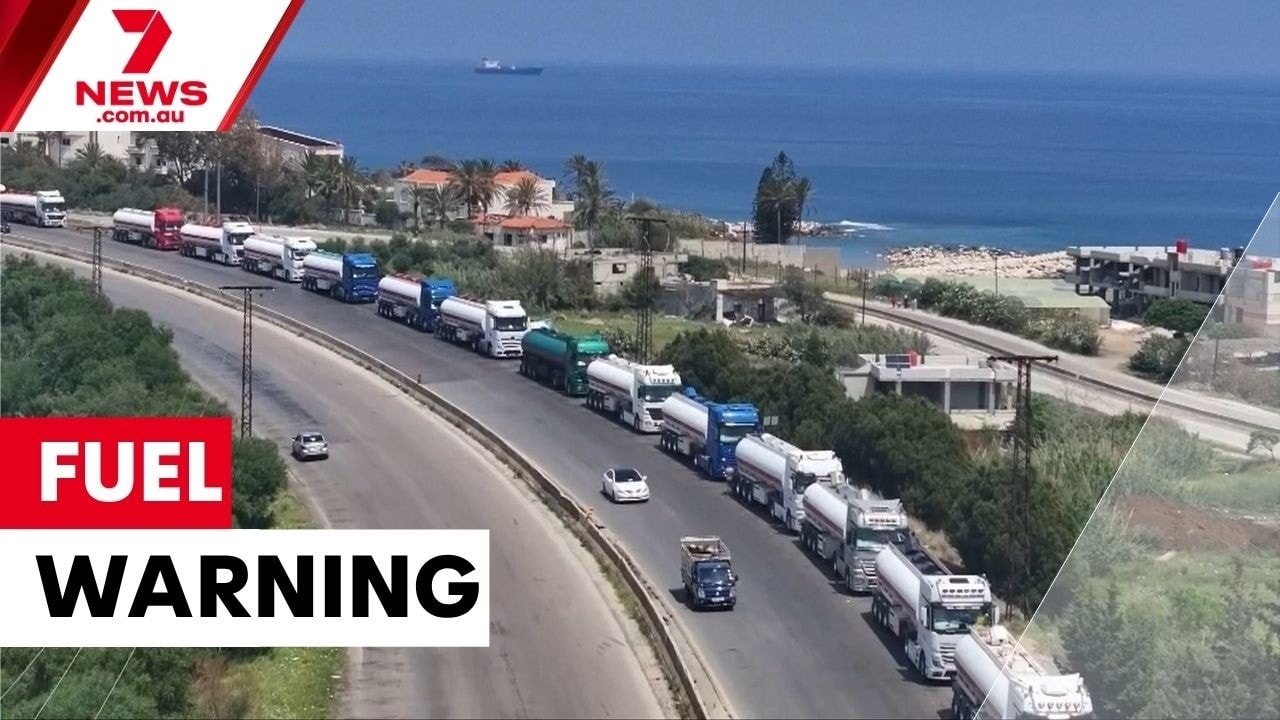
The Strait of Hormuz remains the central flashpoint for global energy security. If it is disrupted for long, oil flows can tighten quickly—raising prices and creating knock-on economic pressure far beyond the region.
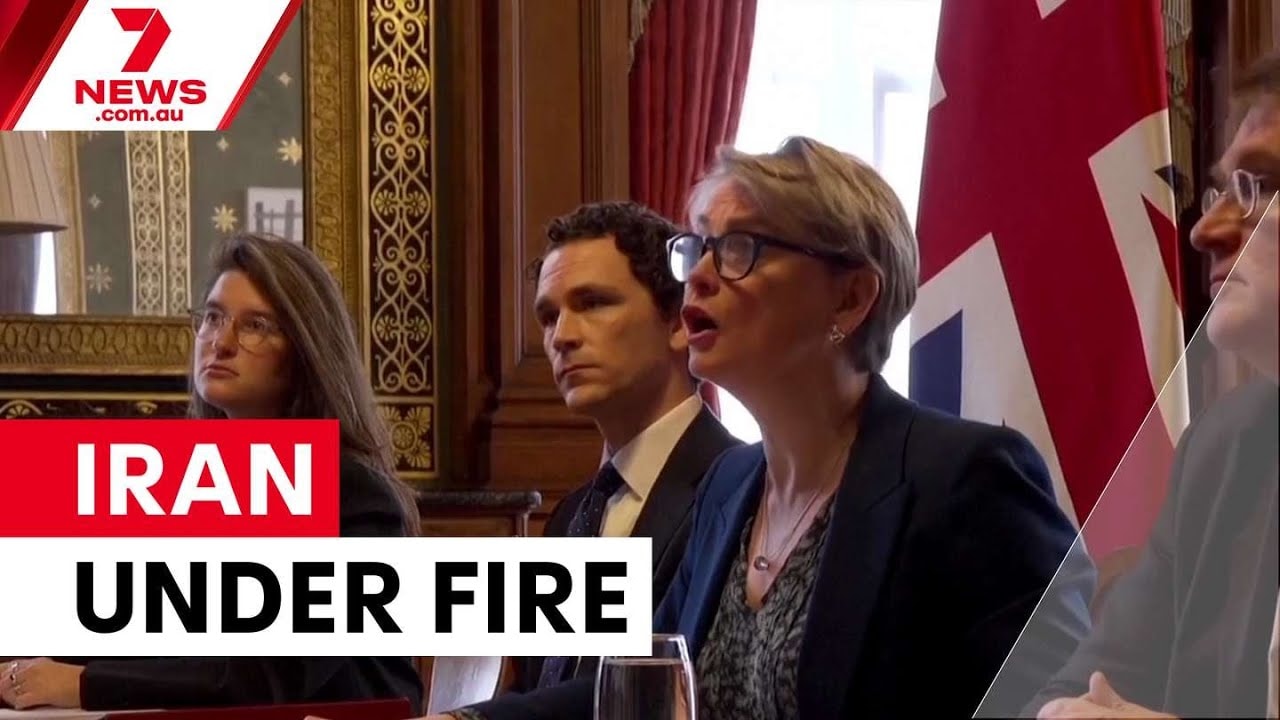
In response, Australia has joined an international meeting of around 40 ministers to explore diplomatic solutions to reopen the crucial waterway. Australia’s Penny Wong is among the ministers involved, reflecting how the crisis has moved from a regional conflict to a direct concern for middle-power partners.
Under the proposed focus of the discussions, ministers are calling for measures to guarantee the safety of trapped ships and seafarers, alongside international coordination required for a safe and sustained reopening of the strait.
Why reopening Hormuz is so difficult right now
The core challenge is that the Strait of Hormuz is not simply an “economic route”—it is a military and political target. Iran’s ability to block the waterway means any reopening depends on both deterrence and credible assurances for shipping.
At present, the transcript suggests a widening gap between public US posture and what diplomacy can achieve quickly. Trump has positioned the crisis as urgent and near-ending, but the practical security problem—keeping ships safe in a hostile environment—remains unresolved.

US stays out of the diplomatic meeting—on purpose
Although the international meeting includes ministers from multiple countries, the US is not involved. The transcript says Trump declared the issue was one for others to resolve, leaving Washington to operate more aggressively on the military track.
This separation matters. Diplomatic tracks typically require shared incentives and unified messaging; excluding a major actor can complicate negotiations, even when the goal is the same—safe shipping through Hormuz.

Frustration with Europe threatens NATO unity
Trump has become increasingly frustrated with European allies, particularly their reluctance to help reopen the strait. He has even threatened to pull out of NATO, raising the possibility that the Hormuz crisis could trigger broader alliance strain.
With the alliance on the line, the head of NATO is set to travel to Washington for talks next week—an attempt to repair relationships at a moment when coordination is already under pressure.
What to watch next: diplomacy versus disruption
In the coming days, developments will likely hinge on whether international coordination can translate into credible, enforceable steps for shipping safety. Without that, even diplomatic agreements may not be enough to reduce risk for oil tankers and cargo vessels.
Meanwhile, further US strikes could alter Iran’s calculus—either hardening resistance or changing how quickly Iranian actions are sustained. If Hormuz remains blocked, global markets could respond to every new escalation, even where immediate disruption is not yet visible.
FAQ
What is the Strait of Hormuz and why does it matter?
It’s a narrow shipping chokepoint connecting key oil routes. Any disruption can quickly affect global energy supply and prices.
It’s a narrow shipping chokepoint connecting key oil routes. Any disruption can quickly affect global energy supply and prices.Is Iran still blocking Hormuz?
Yes. The transcript says Iran continues to successfully block the Strait of Hormuz despite US claims that operations may be nearing an end.
Yes. The transcript says Iran continues to successfully block the Strait of Hormuz despite US claims that operations may be nearing an end.Why is Australia involved in the Hormuz talks?
Australia’s involvement reflects the crisis’s direct impact on global shipping safety and energy markets. The transcript notes that Penny Wong is among the ministers discussing diplomatic solutions.
Australia’s involvement reflects the crisis’s direct impact on global shipping safety and energy markets. The transcript notes that Penny Wong is among the ministers discussing diplomatic solutions.Why isn’t the US part of the ministerial meeting?
The transcript says the US was not involved after Trump stated it was a problem for others to resolve, indicating Washington is pursuing its own track alongside diplomacy led by other countries.
The transcript says the US was not involved after Trump stated it was a problem for others to resolve, indicating Washington is pursuing its own track alongside diplomacy led by other countries.How does this connect to NATO?
Trump’s frustration with European allies over their reluctance to help reopen the strait has included threats to withdraw from NATO. NATO leadership is expected to meet US officials to try to stabilise the relationship.
Trump’s frustration with European allies over their reluctance to help reopen the strait has included threats to withdraw from NATO. NATO leadership is expected to meet US officials to try to stabilise the relationship.The information in this article has been adapted from mainstream news sources and video reports published on official channels. Watch the full video here US escalates Iran strikes as Hormuz crisis deepens | 7NEWS