Israeli president honours Bondi victims
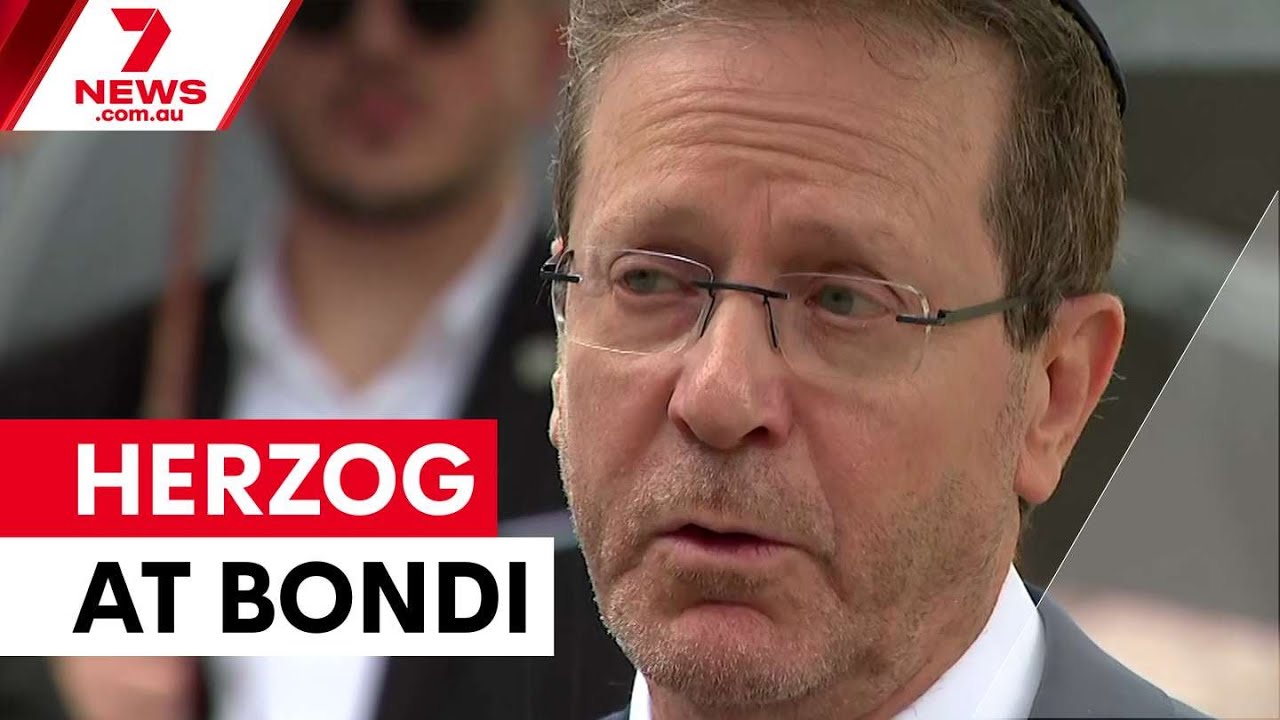
Table of Contents
- President Isaac Herzog visits Bondi Pavilion to pay tribute
- What happened at the memorial
- Messages and controversy
- Next steps and wider context
- Key takeaways
- FAQs
President Isaac Herzog visits Bondi Pavilion to pay tribute
SYDNEY, AUSTRALIA — Israeli president honours Bondi victims as Isaac Herzog travelled to Bondi Beach to honour the 15 people killed in the December 14 terror attack. The visit, held under a grey sky, brought survivors, families and community leaders together for a short but powerful act of remembrance and solidarity.
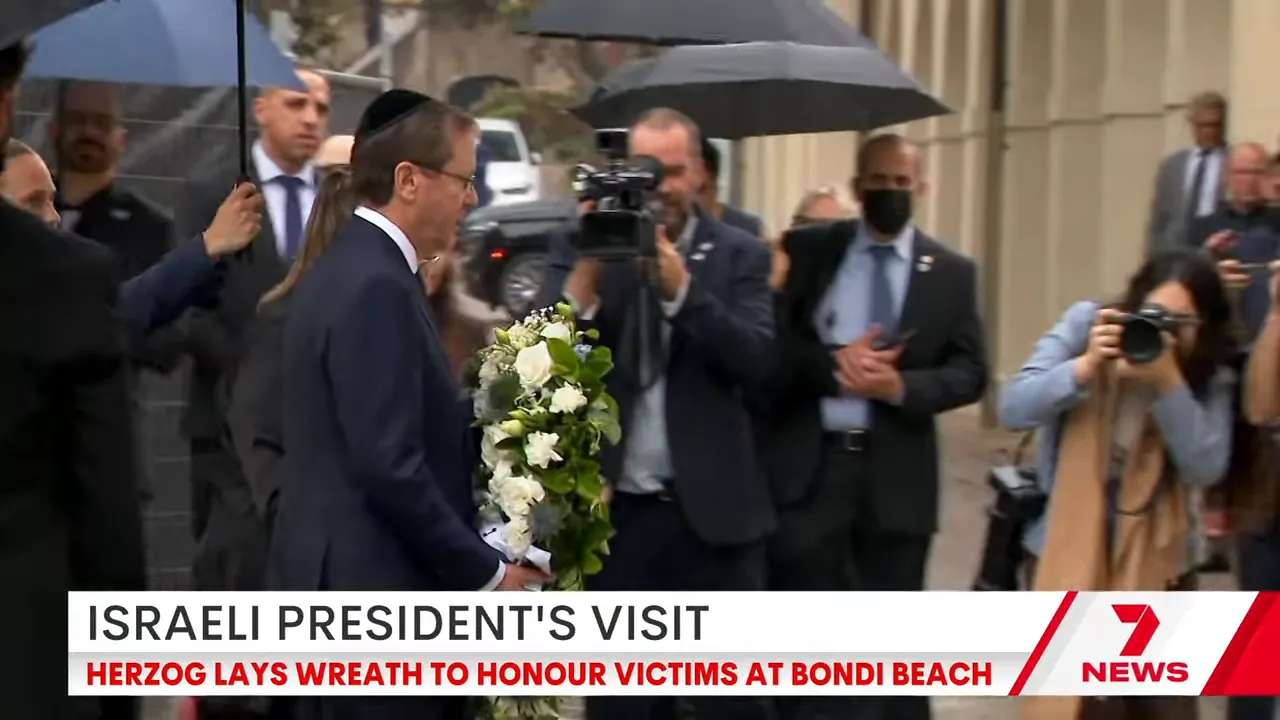
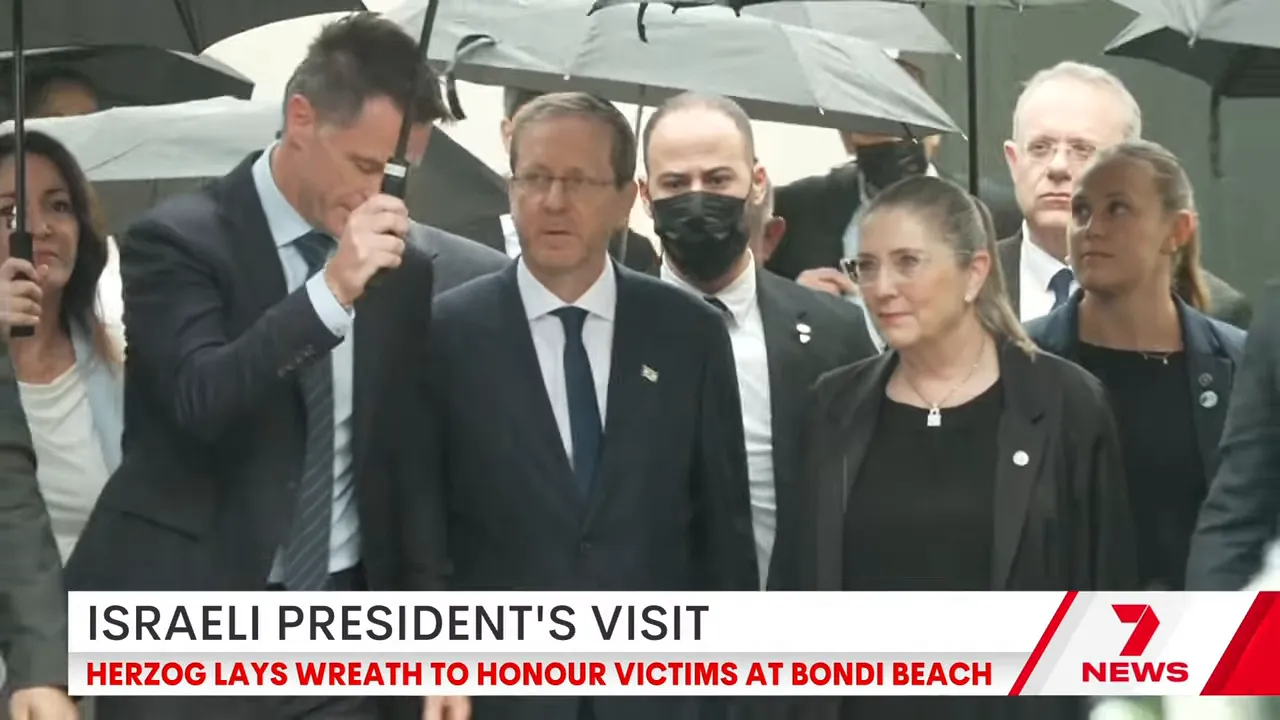
Herzog and the First Lady, Michal Herzog, were greeted by New South Wales Premier Chris Minns and local Jewish community representatives. They laid wreaths at the Bondi Pavilion and met privately with a number of relatives and survivors, offering personal sympathies and comfort.
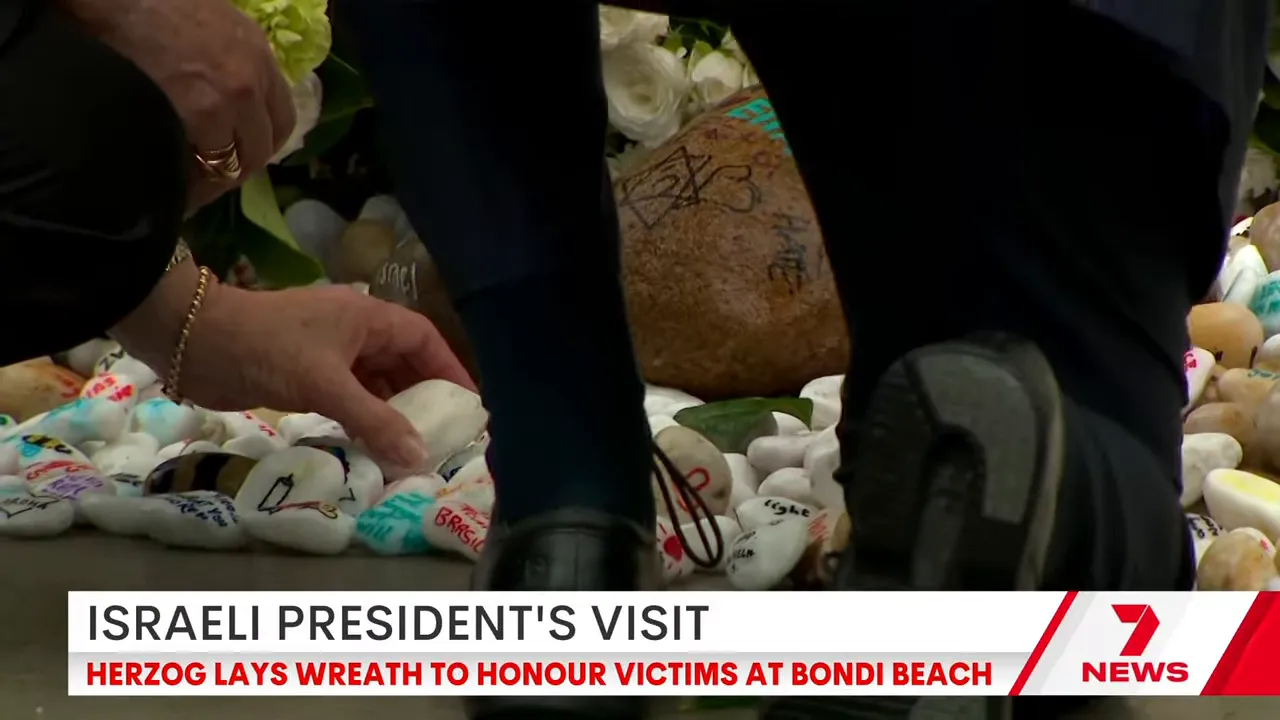
A key moment came when the president placed two stones brought from Jerusalem on the memorial site — a Jewish burial tradition said to represent the unbreakable bond between the living and the lost. The gesture resonated with many attendees and was described as deeply meaningful by those who were there.
What happened at the memorial
The ceremony was brief and solemn. Around the pavilion, umbrellas dotted the crowd as rain fell on a sombre afternoon.
Herzog spoke to reporters, answering four questions from Australian and Israeli journalists. He avoided direct political criticism of Australian policy and publicly welcomed measures taken by the Albanese government to address antisemitism since the Bondi attack.
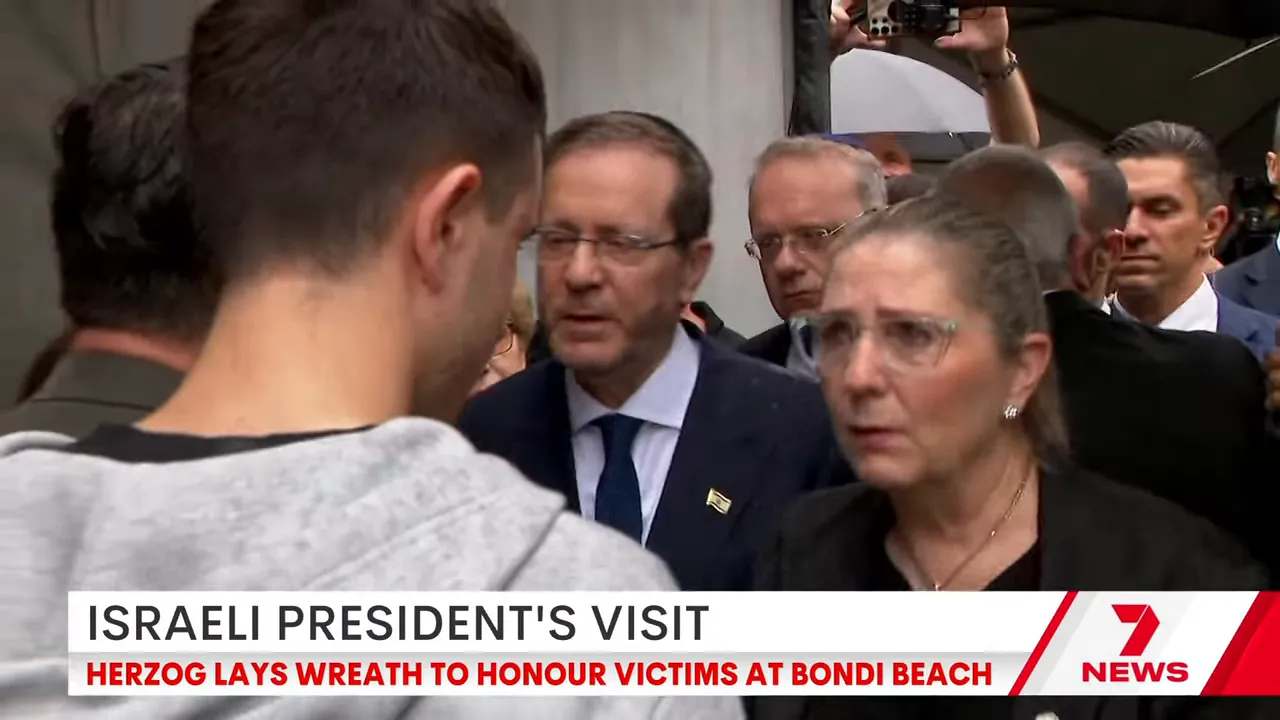
“I welcome the positive steps already taken by the Australian government to tackle anti‑Semitism since the Bondi attack.”
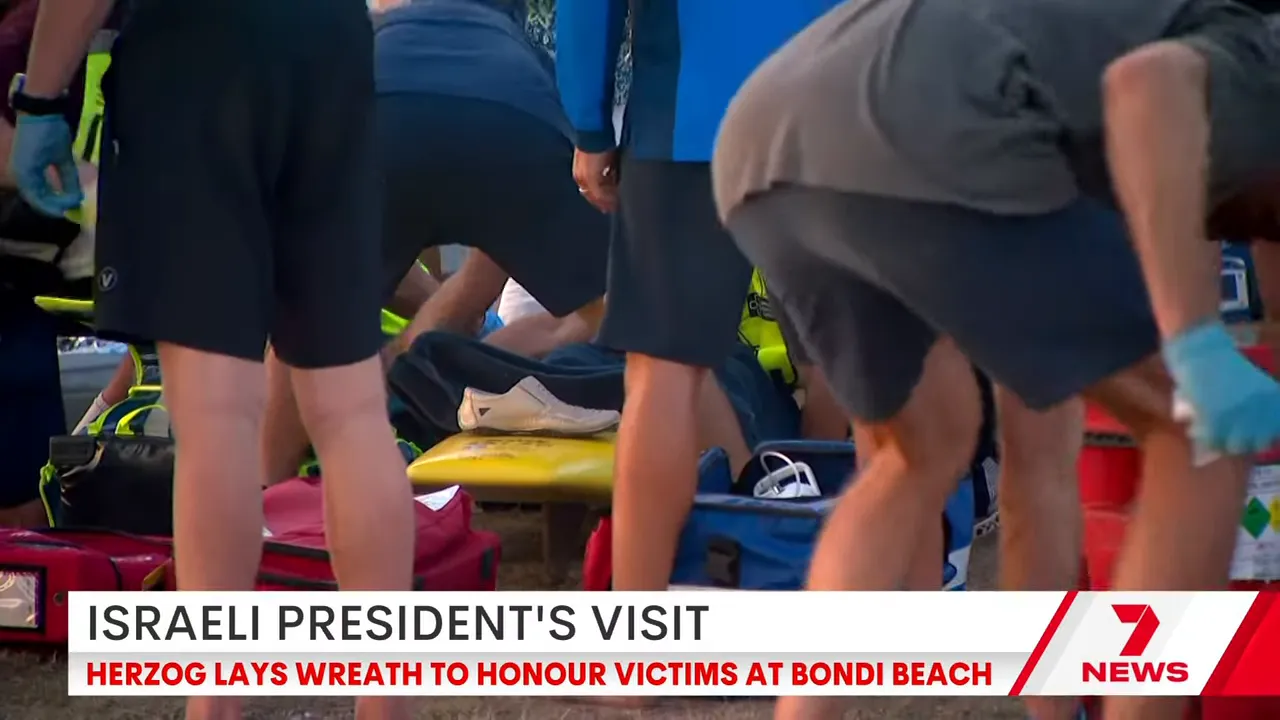
He also praised ordinary Australians who rushed to help on the day of the attack, singling out the use of surfboards as improvised stretchers to carry the wounded.
Messages and controversy
Herzog used part of his media remarks to address planned protests across Sydney and nationwide, warning that some demonstrations risked undermining Israel’s right to exist. He reiterated the trauma Israel suffered on October 7, saying his nation had faced terrible violence.
“We did not seek that war. On October 7th, our nation was attacked terribly, and people were butchered, murdered, raped and burnt and abducted.”
The visit was not without controversy. A United Nations Commission of Inquiry has previously alleged that President Herzog incited genocide, and some activists called for his arrest during the trip. Despite that, families and survivors at Bondi described the president’s visit as meaningful and comforting.
“Going through a very difficult moment right now, obviously, and it warmed my heart.”
Next steps and wider context
Herzog’s program in Australia continues with planned visits to Canberra and Melbourne later in the week. The trip sits against a backdrop of national debate over protest activity, antisemitism, and Australia’s response to international events that have deeply divided communities.
For the families of those lost at Bondi, the visit provided a rare moment of recognition and solace from a visiting head of state. For others, it reopened discussions about accountability and diplomatic engagement when emotions remain high.
Key takeaways
- The Israeli president visited Bondi Beach to honour the 15 victims of the December 14 terror attack.
- He laid wreaths, placed stones from Jerusalem as part of a Jewish burial tradition, and met with survivors and families.
- Herzog praised Australia’s efforts to combat antisemitism and thanked ordinary Australians who assisted during the attack.
- The visit drew criticism from some who referenced a UN inquiry alleging incitement, making the trip politically sensitive.
- Herzog’s visit will also include Canberra and Melbourne engagements later in the week.
FAQs
Why did the Israeli president visit Bondi Beach?
The president visited to pay tribute to the 15 victims of the December 14 terror attack, offer condolences to survivors and families, and show solidarity with the local Jewish community.
What did Herzog do during the memorial?
He laid wreaths, met with families and survivors, placed two stones from Jerusalem in accordance with Jewish tradition, and spoke to the media about antisemitism and the reaction to October 7.
Was the visit controversial?
The visit was welcomed by many families but was controversial because a UN Commission of Inquiry has alleged past incitement by President Herzog, prompting calls from some activists for his arrest.
What is the significance of the stones from Jerusalem?
Placing stones is a Jewish burial tradition symbolising remembrance and the enduring connection between the living and the deceased. The stones brought from Jerusalem carried additional symbolic weight for attendees.
Where is Herzog travelling next in Australia?
His Australian itinerary includes a visit to Canberra followed by engagements in Melbourne later in the week.
The information in this article has been adapted from mainstream news sources and video reports published on official channels. Watch the full video here Israeli president honours Bondi terror attack victims | 7NEWS


