Table of Contents
A $15 million AI prize aims to turbocharge motor neurone disease research
Neale Daniher, Hawking family unite to tackle MND as two unlikely allies combine forces to accelerate research using artificial intelligence. The collaboration brings together the renowned AFL advocate and the legacy of Professor Stephen Hawking in a bold international push to find better treatments — and, one day, a cure.
The initiative is built around a $15 million prize that will fund AI-driven research into motor neurone disease (MND). Daniher’s foundation has pledged a $2 million contribution to the prize, joining funds from Hawking’s charity and other global partners. The goal is clear: use new technology to speed up drug discovery and clinical breakthroughs.
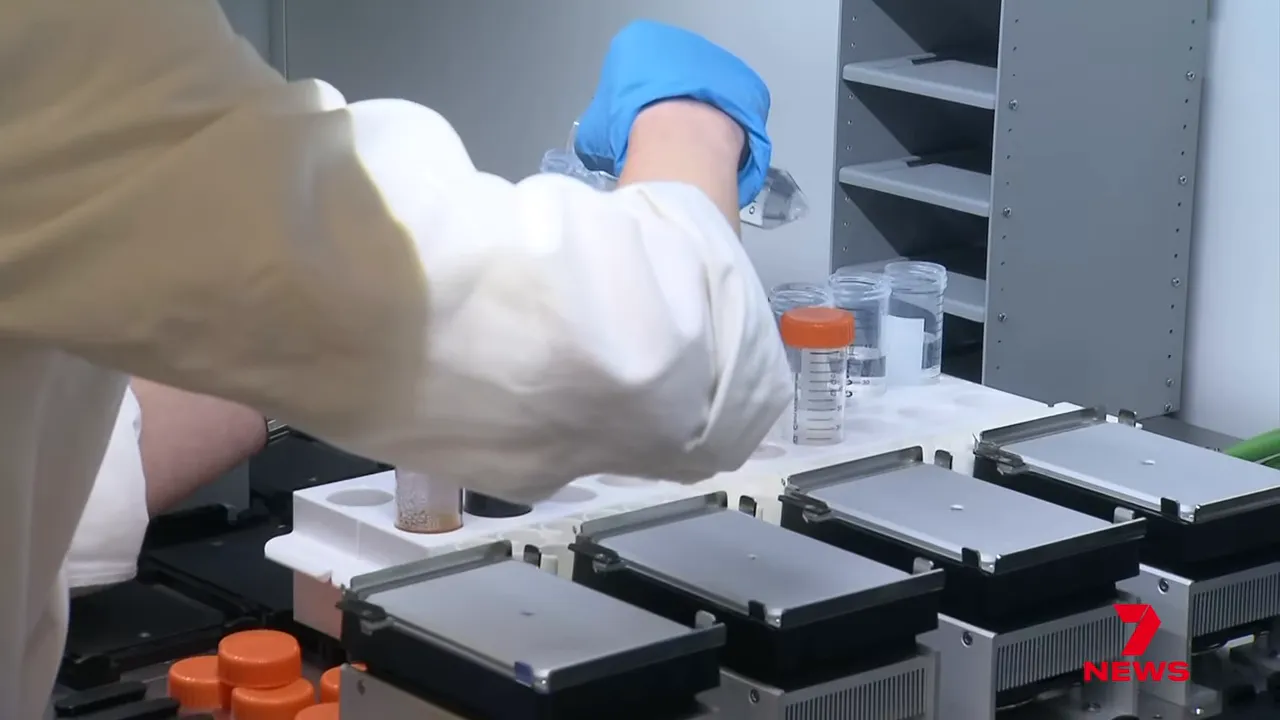
AI is being positioned as a game changer. Supporters say it can trawl vast, complex datasets to propose hypotheses and drug targets in ways no single researcher or small team could. That capability could shorten the time it takes to move from idea to trial-ready treatments.
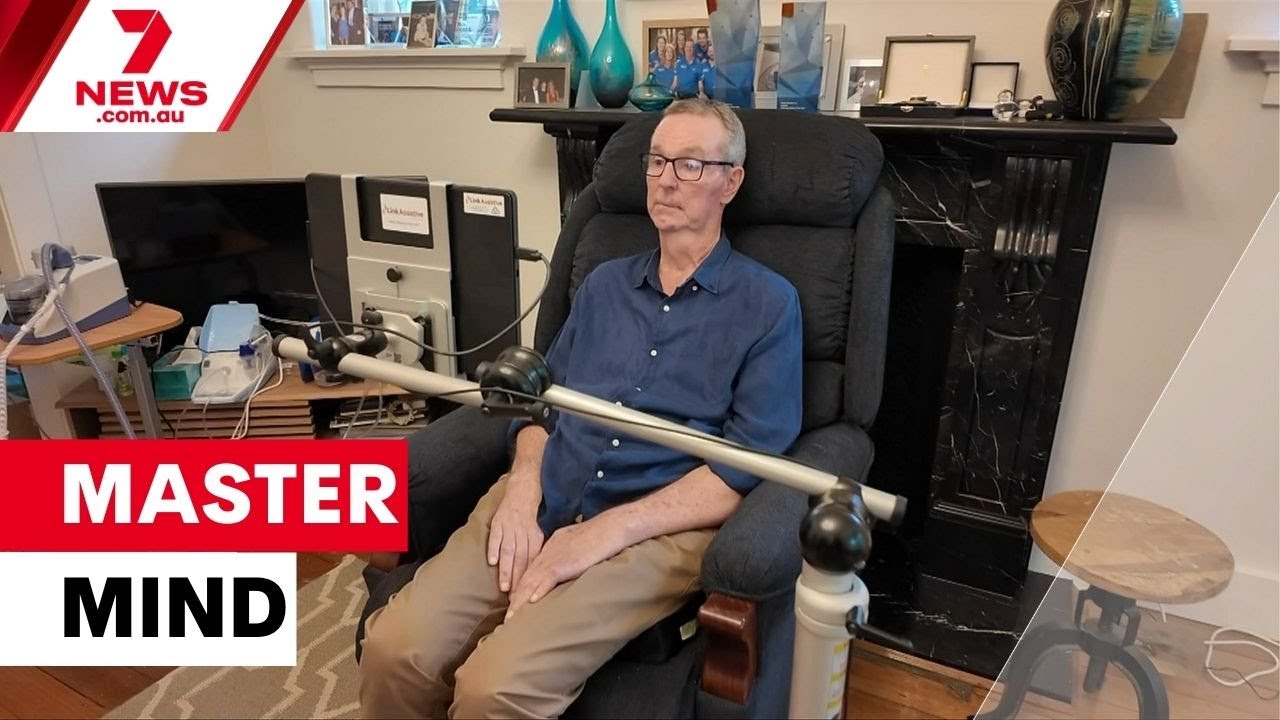
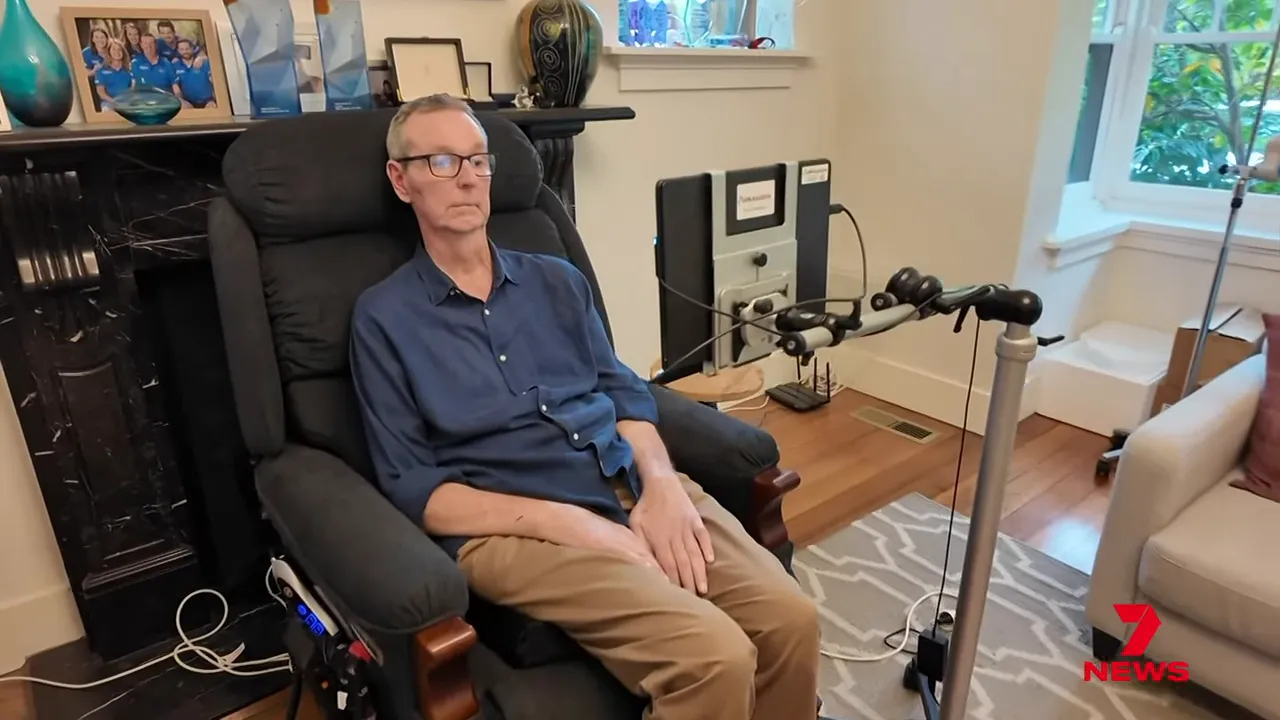
Beyond algorithms, the partnership also highlights human resilience. Daniher, a well-known advocate for people living with MND in Australia, has used eye-gaze technology to speak publicly about the disease and rally support. That personal connection underscores why the prize aims to be practical and fast-moving rather than purely theoretical.
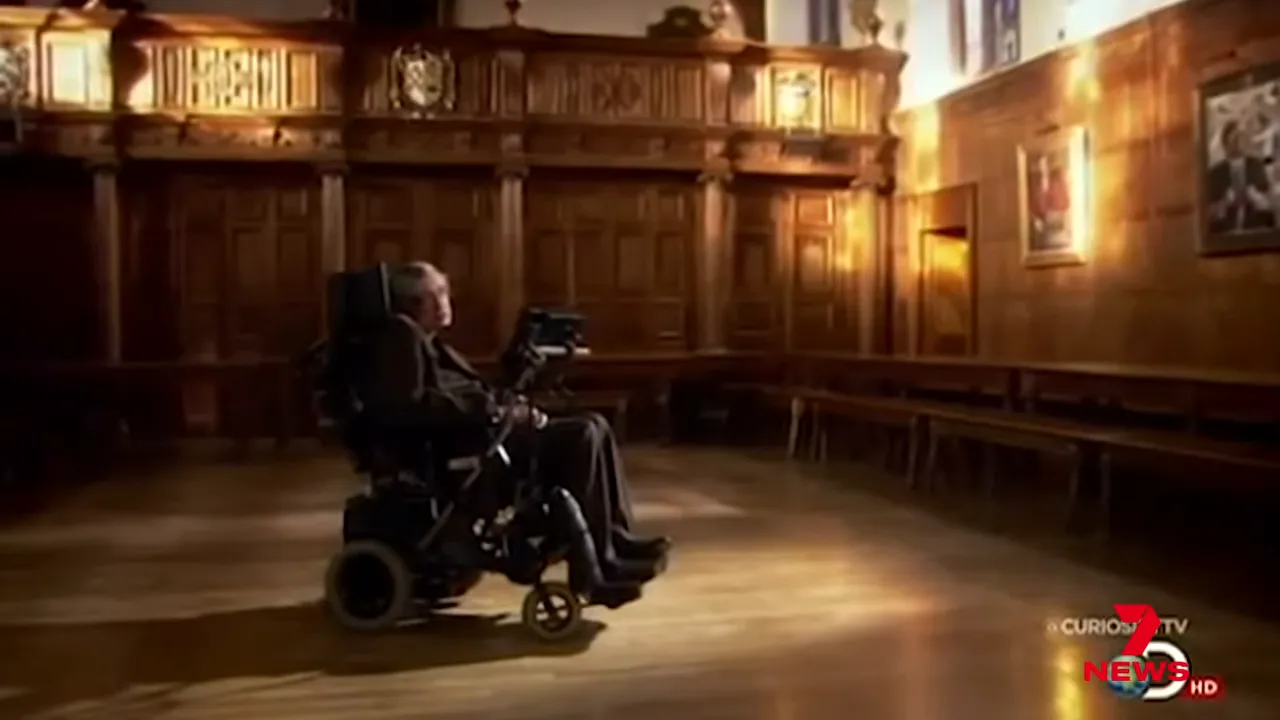
"The mind which explored the origin of the universe combines with the mind behind the big freeze," the announcement reflected — a symbolic pairing of scientific legacy and lived experience.
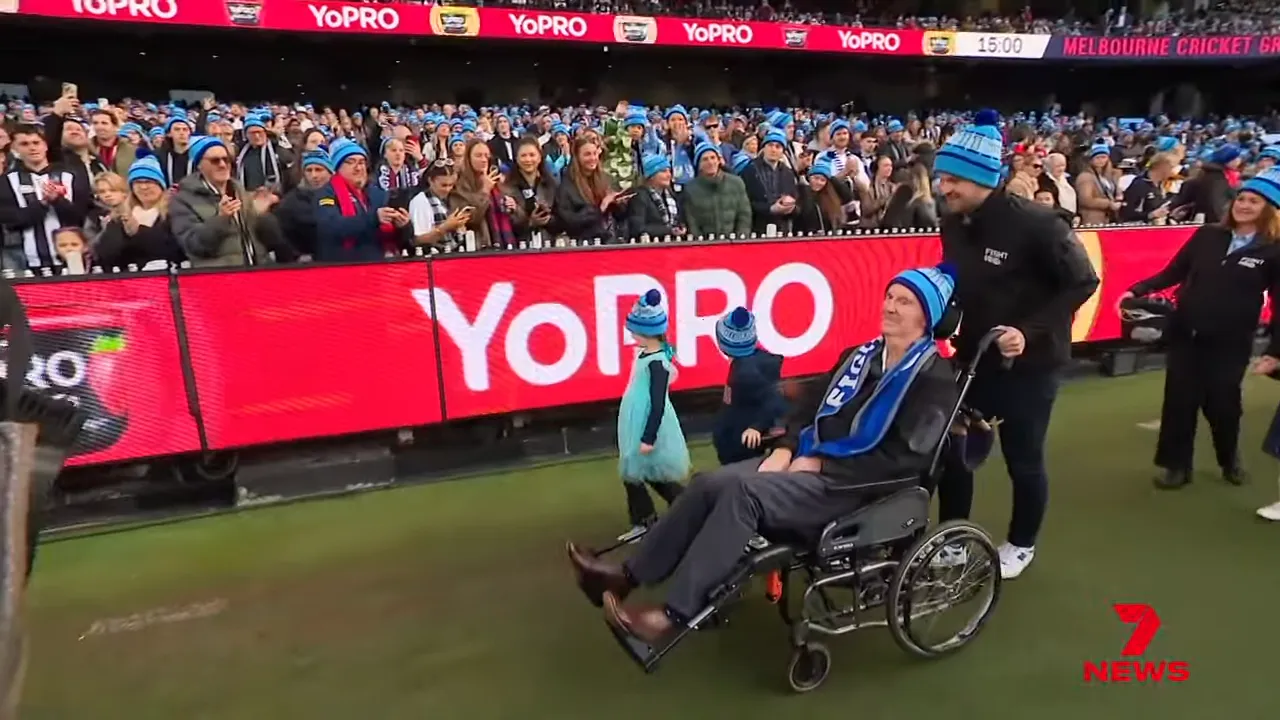
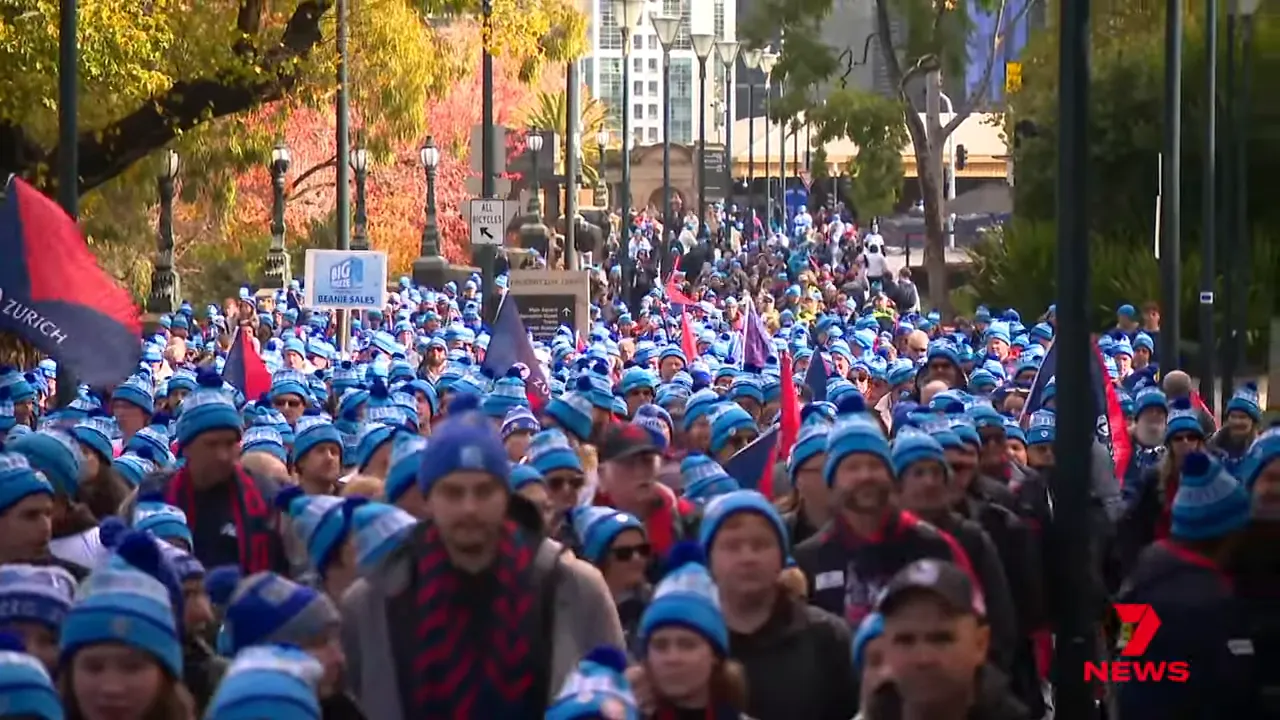
A symbolic touch has also captured public imagination: a humble beanie associated with Professor Hawking has become a reminder that small things can spark big advances. Fundraising and storytelling around that image have helped galvanise interest in the prize and the possibilities AI brings to biomedical research.
How the prize works and who is competing
The prize attracted intense global interest. Around 150 research groups worldwide — including teams from Australia — have applied to compete for funding and support. Entries range from academic labs to private companies, all proposing AI-driven strategies to find new therapeutic leads for MND.
Organisers expect a staged competition: teams submit proposals, advance through rounds, and receive funding and mentorship to develop and validate their approaches. The aim is to turn promising computational findings into real-world drug candidates more quickly than traditional routes allow.
The promise and the caveats
Proponents say AI can generate suggestions and spotlight relationships in data that humans might miss. That could increase the pace of drug discovery and broaden the types of treatments considered.
But experts caution that AI is a tool, not an instant cure. Computational predictions must be validated in laboratories and clinical trials, and success still depends on rigorous science, funding, and regulatory pathways.
Why this matters now
Timing and momentum matter. Stephen Hawking long urged careful attention to AI’s potential, and his family’s backing gives the prize scientific gravitas. Daniher’s leadership keeps the effort rooted in the lived realities of people with MND and their families.
Together, the two names draw attention and resources — a combination organisers hope will translate into faster, more collaborative research that benefits patients sooner.
FAQs
What is the $15 million prize and who funds it?
The prize is an international funding challenge focused on using artificial intelligence to accelerate motor neurone disease research. It is jointly funded by multiple charities and foundations, including the Hawking family’s charity and a $2 million contribution from Neale Daniher’s foundation.
How will AI speed up MND research?
AI can analyse vast, complex datasets to identify patterns, generate hypotheses and suggest potential drug targets much faster than traditional manual methods. Those computational leads then move into laboratory validation and clinical testing.
Who is eligible to apply?
Research teams worldwide are eligible; about 150 groups applied, including teams from Australia. Applicants include academic labs, biotech companies and collaborative consortia proposing AI-driven approaches to MND.
Does this mean a cure is imminent?
The prize increases the likelihood of faster discoveries, but translating computational suggestions into safe, effective treatments still requires laboratory work and clinical trials. The initiative is intended to accelerate progress, not guarantee an immediate cure.
How is Neale Daniher involved?
Neale Daniher’s foundation has pledged $2 million to the prize and advocates publicly for investment and collaboration in MND research. His personal experience and use of eye-gaze technology help keep patient perspectives central to the effort.
The information in this article has been adapted from mainstream news sources and video reports published on official channels. Watch the full video here Neale Daniher joins forces with the late great Stephen Hawking | 7NEWS


