Table of Contents
- CANBERRA — A floater in a fractured alliance
- What Pauline Hanson has proposed
- Where negotiations currently stand
- Why this matters
- What would need to change for reunification
- Implications for voters and the political landscape
- Key takeaways
- FAQs
CANBERRA — A floater in a fractured alliance
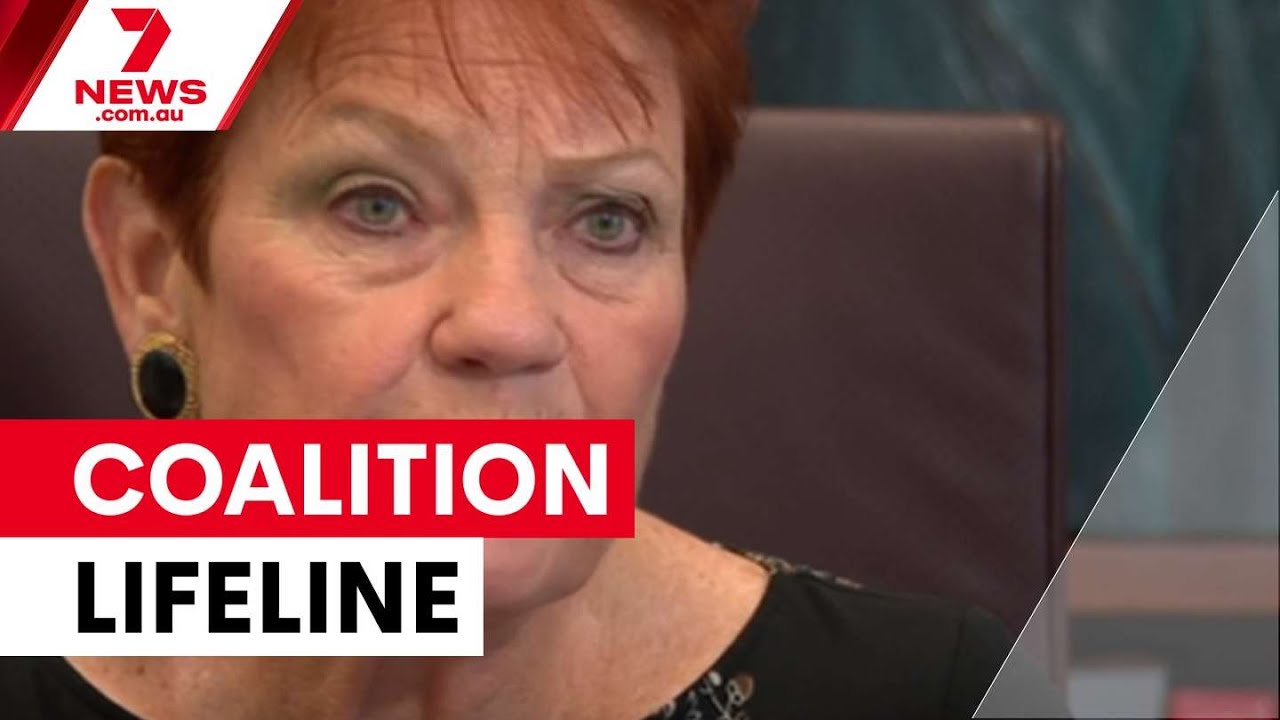
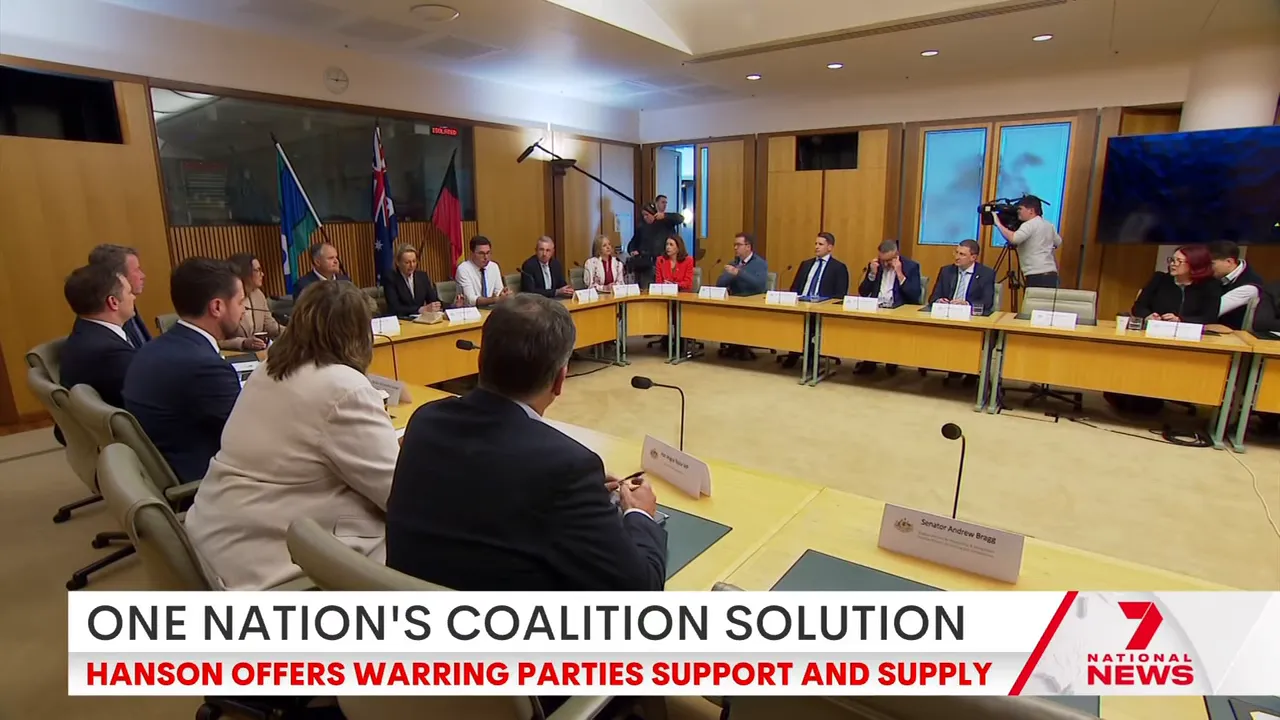
Hanson offers One Nation support to Coalition in the form of numbers and confidence-and-supply, Senator Pauline Hanson told 7NEWS in Canberra — an offer that could change the dynamics between the Liberals and Nationals as they attempt to repair a fractured coalition. The intervention comes amid stalled truce talks and disagreement over shadow ministry appointments.
What Pauline Hanson has proposed
In a live interview with 7NEWS political reporter Isabel Mullen, Hanson said One Nation would supply the votes necessary for a Coalition government without entering a formal coalition or taking ministerial posts. She made clear One Nation would remain independent while offering “the numbers to form government” and “confidence and supply.”
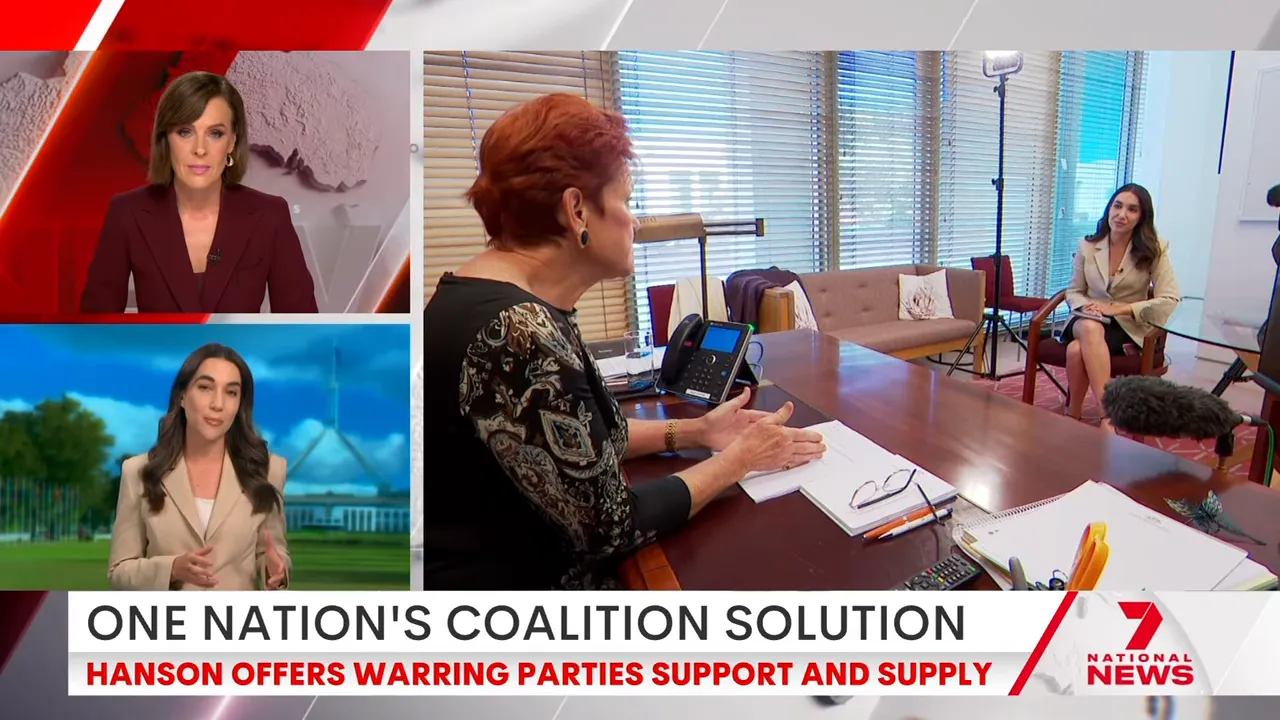
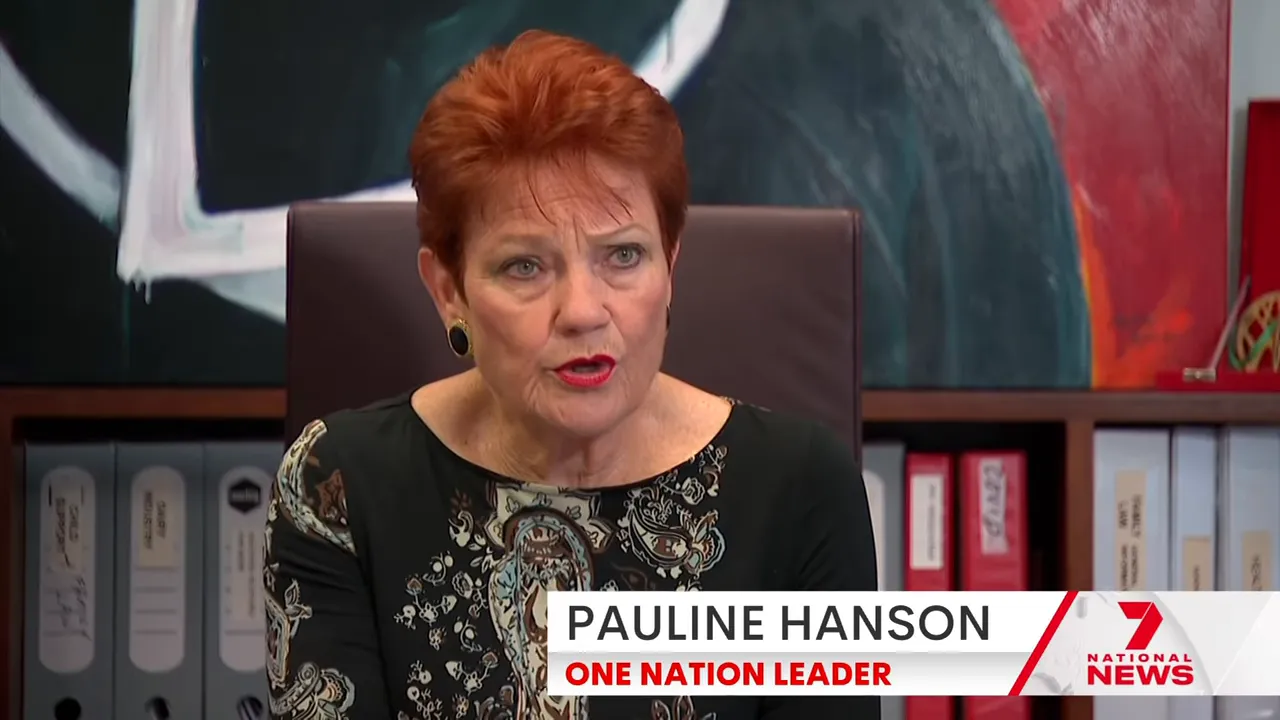
“We will give you the numbers to form government. We will give you confidence and supply… but I will not take on ministerial positions. I want that independence.”
Her offer seeks to unite the Liberals, Nationals and One Nation against a common political opponent: the Labor Party. Hanson framed the proposal as practical rather than transactional — offering parliamentary support without ministerial influence.
Where negotiations currently stand
Talks between Coalition partners are tense. Opposition leader Susan Lee and Nationals leader David Littleproud have yet to meet for a second round of truce discussions. Much of the internal dispute centres on three Nationals senators who were demoted to the backbench after crossing the floor.
David Littleproud has made reinstating those senators to shadow ministry roles a condition for reconciliation. He told reporters he was confident a coalition could be restored before the next election if those positions were returned and the parties could work together.
Why this matters
The Coalition relies on party unity and shadow cabinet solidarity under Westminster conventions. The Liberals are pressing for those conventions to be respected, while the Nationals are pushing for flexibility to retain their team. Hanson’s intervention adds a new variable: a third-party offer of support that sidesteps formal coalition rules.
If accepted, confidence-and-supply backing from One Nation would allow a Coalition government to pass budgets and legislation without One Nation taking ministerial responsibilities — a model that provides parliamentary stability without full integration.
What would need to change for reunification
The stalemate is straightforward: one side must budge. The Liberals insist on shadow cabinet unity; the Nationals want their members reinstated. Restoring the three senators to shadow ministry roles appears to be the immediate sticking point that could unlock a broader agreement.
- Reinstate the three Nationals senators to shadow ministries — likely the quickest path to reconciliation.
- Clarify rules on crossing the floor and consequences to prevent future ruptures.
- Decide whether external support (such as One Nation’s offer) is acceptable without formal coalition terms.
Implications for voters and the political landscape
Hanson’s offer could shift bargaining power in Canberra and reshape how minority support is secured. For voters, this raises questions about stability, accountability and the influence of crossbench parties on major-party agendas.
One Nation providing confidence-and-supply but refusing ministerial roles keeps the party visible and independent, while avoiding direct responsibility for government policy. That balance may appeal to One Nation supporters, but it also creates ambiguity about accountability when controversial bills pass with their backing.
Key takeaways
- Pauline Hanson has offered One Nation’s votes and confidence-and-supply to the Coalition without joining a formal coalition or accepting ministerial posts.
- The immediate barrier to reunification is the dispute over three Nationals senators being returned to shadow ministries.
- Acceptance of Hanson’s offer would provide parliamentary stability but raise questions about accountability and influence.
- Both the Liberals and Nationals face pressure to compromise before the next election.
FAQs
Will One Nation join the Coalition government if the offer is accepted?
No. Hanson explicitly rejected taking ministerial positions. One Nation’s proposal is to provide numbers and confidence-and-supply while remaining independent, rather than entering a formal coalition.
What does confidence-and-supply mean?
Confidence-and-supply is an agreement where a party or MP pledges to support the government on motions of confidence and budget (supply) votes, enabling the government to function without forming a full coalition or sharing ministerial offices.
Who are the key figures involved in the talks?
Key figures include Senator Pauline Hanson (One Nation), Nationals leader David Littleproud, and Liberal leader Susan Lee. Isabel Mullen reported the comments from Canberra for 7NEWS.
What is blocking the Coalition from reforming?
The major block is internal disagreement over whether to reinstate three Nationals senators to shadow ministry roles after they crossed the floor. The Liberals demand shadow cabinet solidarity, while Nationals seek reinstatement of their members.
Could this deal change government before the next election?
Potentially. If the Liberals and Nationals reconcile and accept external support arrangements, a stable government could be formed. But significant political and procedural hurdles remain, and one side would need to concede on key points.
The information in this article has been adapted from mainstream news sources and video reports published on official channels. Watch the full video here Hanson offers One Nation support to fractured Coalition | 7NEWS


