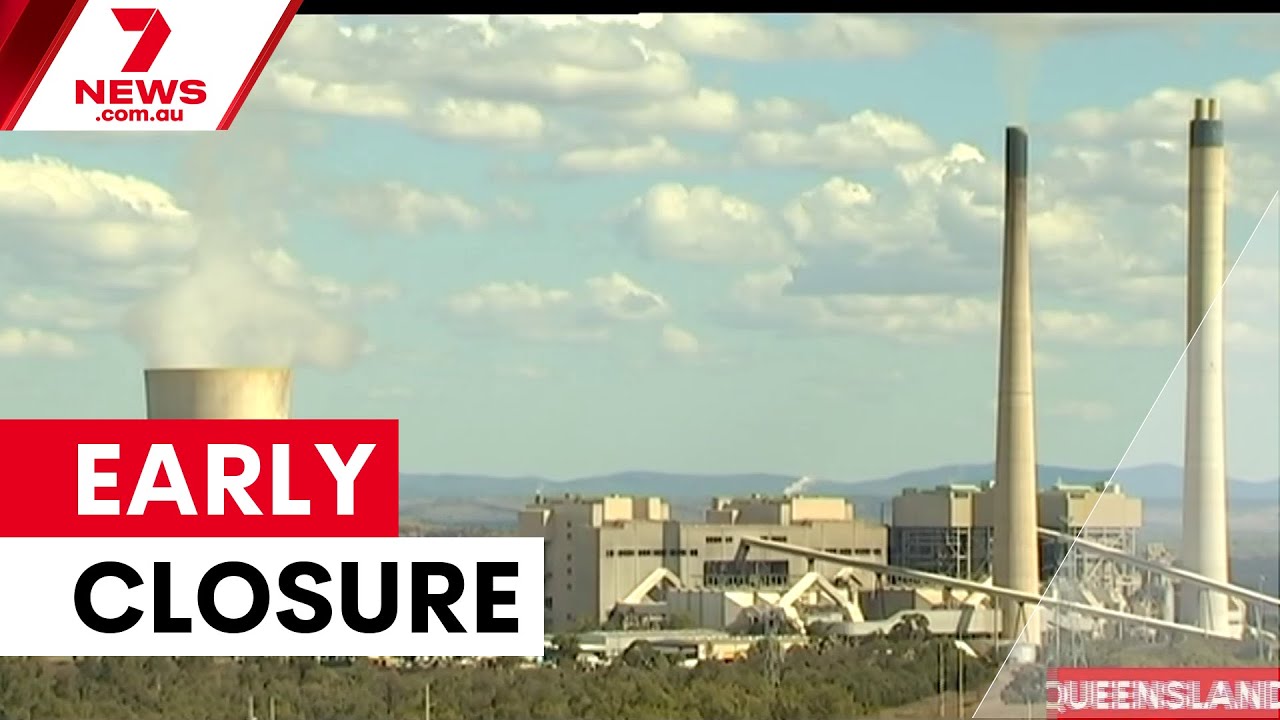
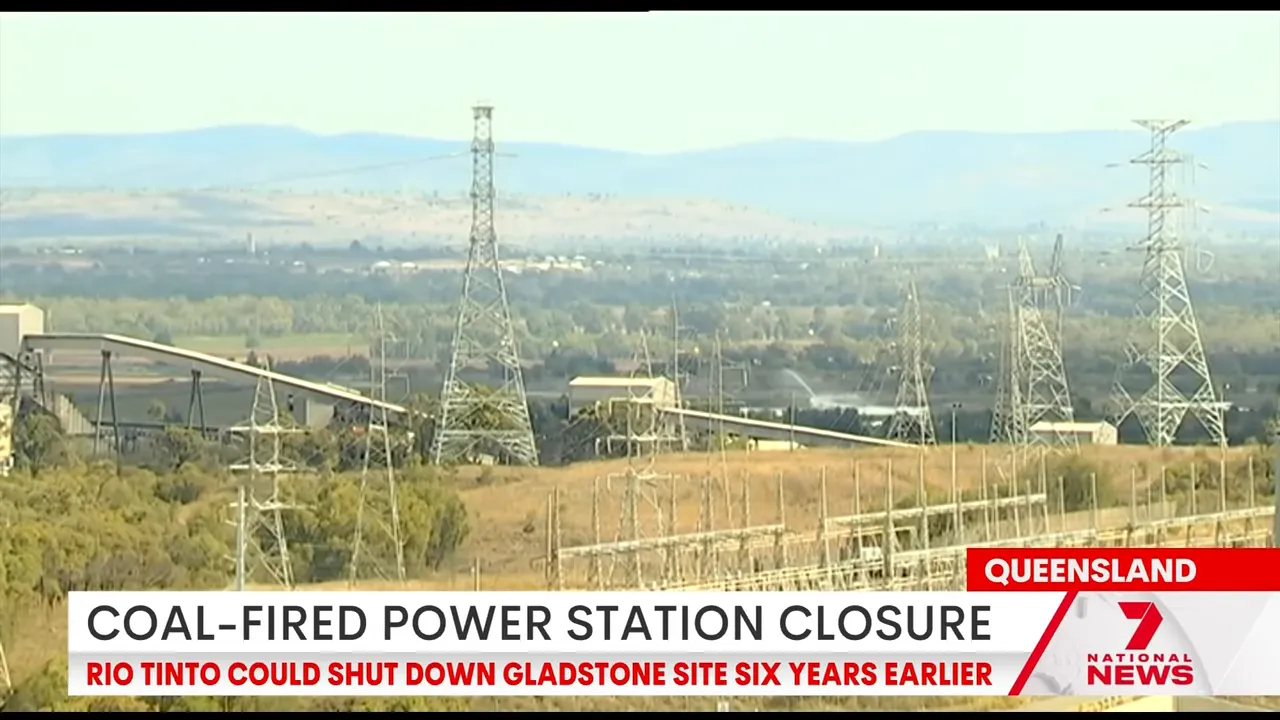
Breaking news from 7NEWS Australia: Rio Tinto has told the energy market operator that Queensland’s largest and oldest coal-fired power station, located in Gladstone, may close up to six years earlier than planned. The plant was scheduled to shut down in 2035, but Rio Tinto has indicated it wants to retire the site as soon as March 2029. Workers have been informed of the potential change, while the company insists no final decision has been made.
Table of Contents
- What happened
- Who is involved
- Timeline and key dates
- Potential impacts
- Why this matters
- What happens next
- FAQ
- Conclusion
What happened
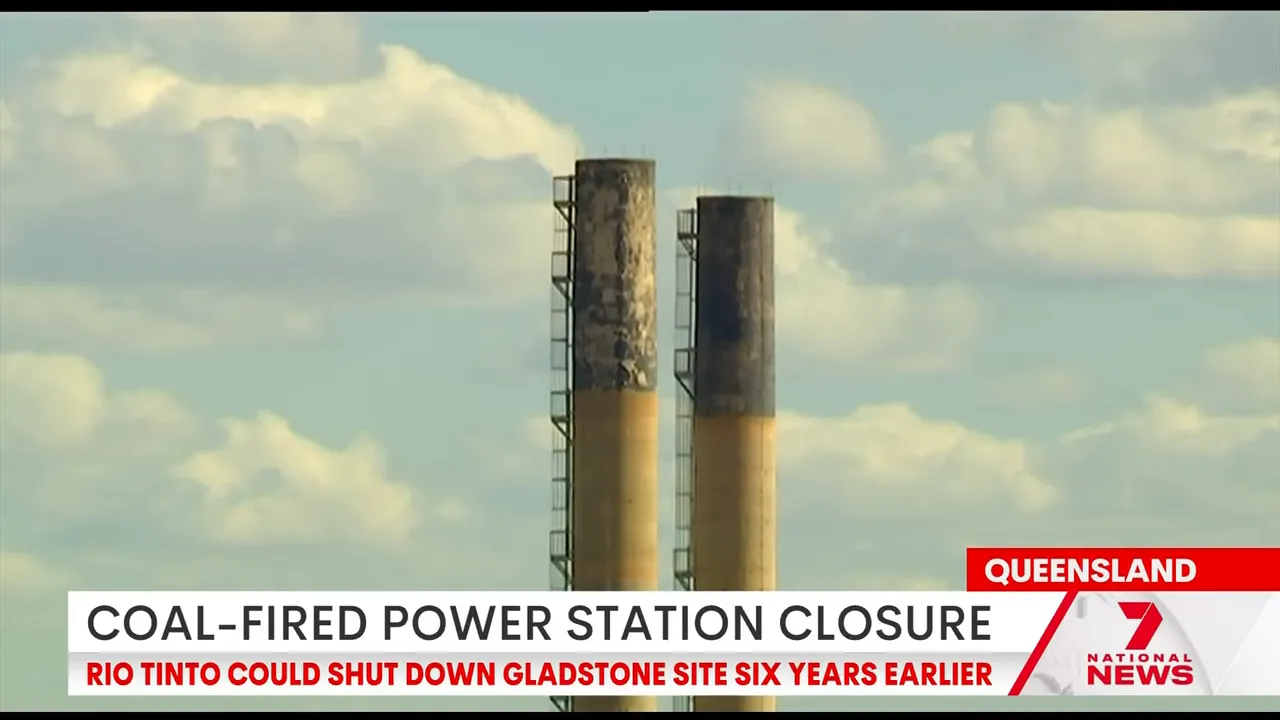
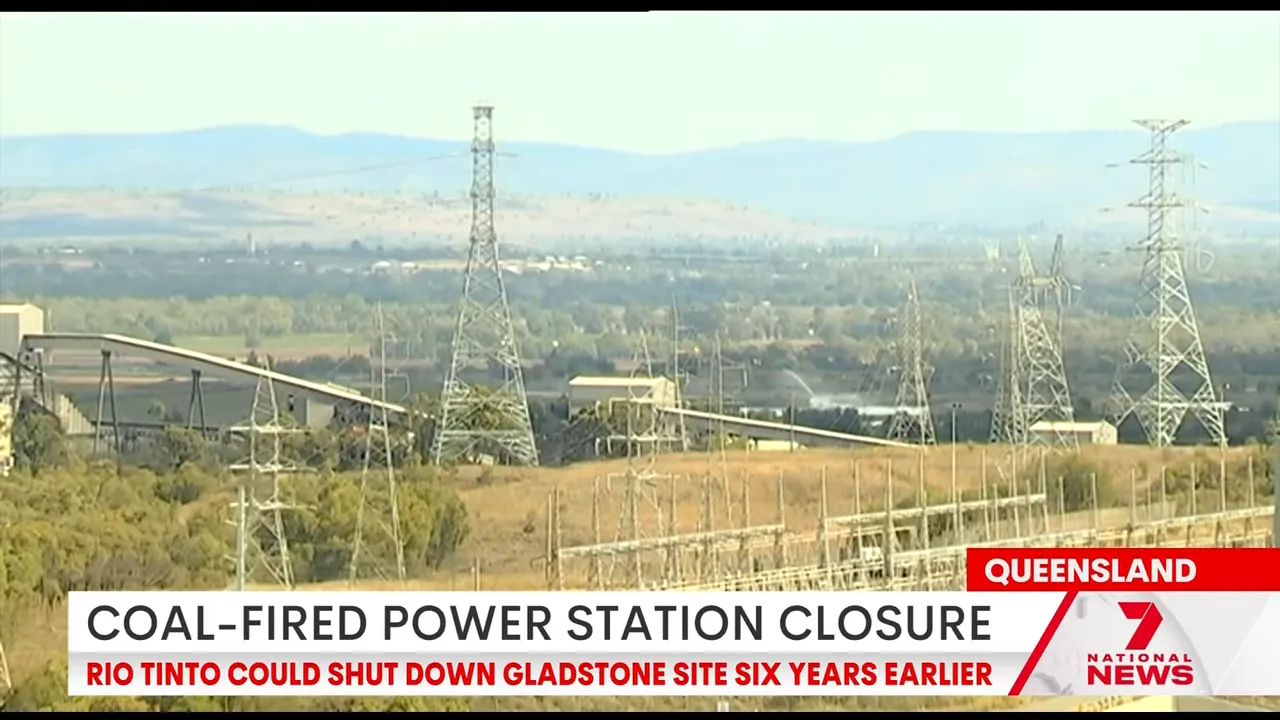
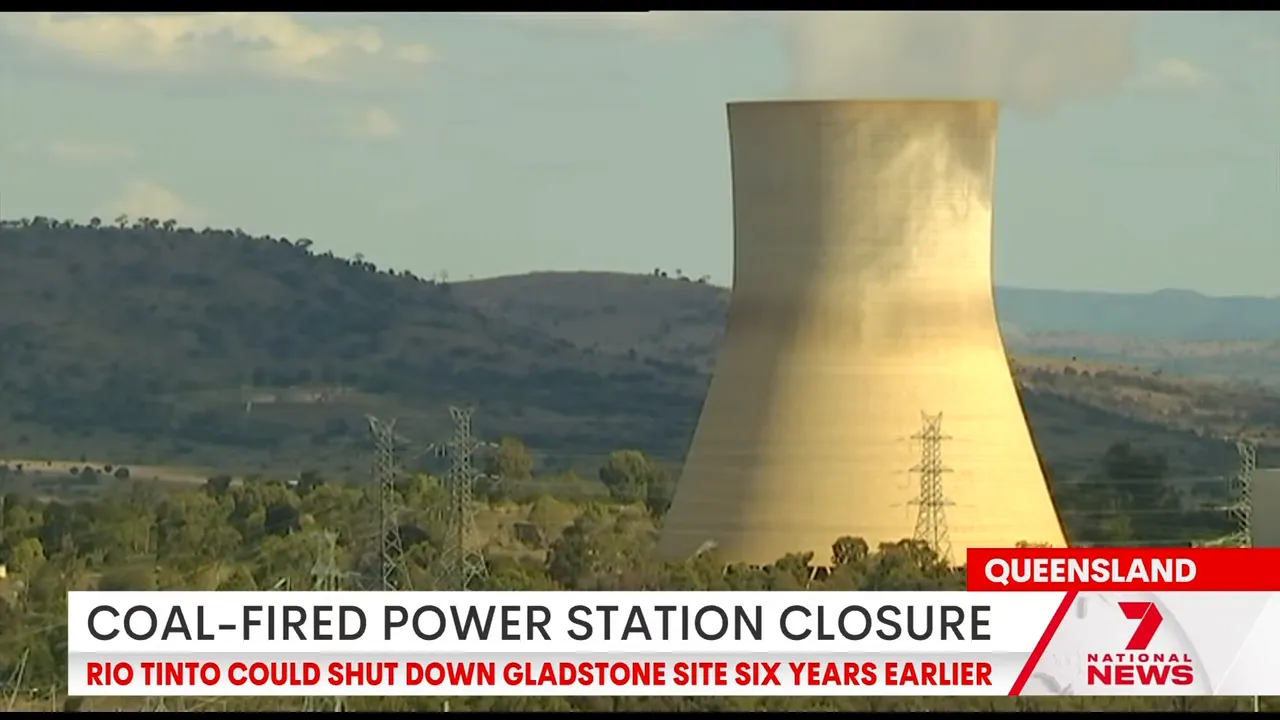
Rio Tinto has notified the energy market operator of its intention to bring forward the retirement of the Gladstone coal-fired power station. The proposal would move the closure from the previously announced date in 2035 to as early as March 2029. Employees at the site have been told about the potential change, although Rio Tinto emphasises that a final decision has not been taken.
Who is involved
- Rio Tinto: Owner/operator that has notified the market operator of the proposed early retirement.
- Energy market operator: The body notified about the intended change to the plant’s retirement date.
- Workers and local community: Staff at the plant have been informed; the broader Gladstone community and energy users could be affected.
Timeline and key dates
- Original planned shutdown: 2035.
- Proposed earlier shutdown: as soon as March 2029.
- Workers: Informed of the possibility, with internal communications reportedly already delivered.
- Company position: Rio Tinto states no definitive decision has been made yet.
Potential impacts
An early closure of Queensland’s largest and oldest coal-fired power station would have several likely effects:
- Energy supply and markets: The removal of a major generation source could tighten supply margins unless replaced by other generation or imports, or unless market operators plan for the change.
- Workers and employment: Staff have been notified, raising concerns about job security, redundancy planning and potential assistance for affected workers.
- Local economy: Gladstone’s economy could feel impacts through reduced onsite activity, contractor work and flow-on services.
- Transition and decarbonisation: Early retirement may be part of broader trends toward lower emissions and changing economics for coal-fired generation, although specific reasons were not detailed in the notification.
Why this matters
Moving a major power station’s retirement forward by six years is significant for energy planners, market operators and communities. It forces faster decisions on replacement capacity, grid reliability and worker transitions. Whether driven by commercial decisions, policy settings, maintenance costs or the evolving energy mix, an earlier shutdown would accelerate change for Queensland’s electricity system.
What happens next
At this stage:
- Rio Tinto and the energy market operator will continue discussions and assessment of the proposed retirement date.
- Stakeholders — including employees, unions, local government and energy planners — are likely to seek more detailed information on timing, redundancy arrangements and replacement capacity plans.
- Any final decision will be communicated publicly; until then, the proposed March 2029 date remains a potential outcome rather than a confirmed closure.
FAQ
When was the Gladstone power station originally due to close?
The plant was originally scheduled to shut down in 2035.
What new date has been proposed?
Rio Tinto has indicated it wants to retire the site as soon as March 2029, which would be six years earlier than planned.
Have workers been told?
Yes — workers have been informed that an early retirement is being proposed. The company, however, says no final decision has been made.
Why would the plant close early?
No detailed reason was provided in the notification cited. Possible drivers can include commercial considerations, maintenance or operating costs, shifting market conditions, and broader trends toward decarbonisation and alternative energy sources.
Will this affect electricity supply?
Potentially. Removing a major coal-fired generator could affect supply margins unless replacement generation or other measures are arranged. Energy market planners will assess system reliability and contingency options.
What support will be available to workers?
Specific support or redundancy arrangements have not been announced. Typically, companies work with unions and government agencies to outline transition assistance, but details would need to be confirmed by Rio Tinto and relevant authorities.
Conclusion
The potential early closure of Gladstone’s coal-fired power station represents a notable shift for Queensland’s energy landscape. While Rio Tinto has formally notified the energy market operator of its intention to retire the site as soon as March 2029, the company maintains no final decision has been made. Stakeholders will be watching closely for further announcements and clarity on timelines, workforce measures and how replacement capacity will be managed.
For ongoing coverage and updates, follow 7NEWS Australia’s reporting on the story.


