Fuel supplies not guaranteed past May has quickly become one of Australia’s biggest energy concerns. With the federal government confirming supplies are secured until May, many motorists are now asking what happens after that—and whether petrol rationing could return. Early signals are already unsettling: in parts of the country, some petrol stations remain sold out, and warnings are mounting about how Australians should respond.
Table of Contents
- What the government says about fuel supplies beyond May
- Why petrol rationing is once again on the table
- Sold-out stations and the immediate impact on drivers
- Why you shouldn’t “make your own” diesel
- What to watch next: timing, supply signals, and escalation risk
- FAQ
What the government says about fuel supplies beyond May
The federal government has stated that fuel supplies are secured into May. However, officials have stopped short of offering guarantees for what comes after that point. In other words, the current position is “covered for now,” but not “safe for later.”
Energy Minister Chris Bowen has also been clear that Australians should not try to solve the problem by making improvised substitutes. In practice, that message reflects a concern that unofficial workarounds can create safety and quality risks, rather than delivering a reliable, large-scale answer.
Even within the short term, conditions are not uniform. Reports indicate that one in 30 petrol stations across Australia has been sold out, underlining how quickly supply constraints can appear at street level.
Why petrol rationing is once again on the table
Fuel supplies not guaranteed past May is closely tied to a broader geopolitical risk: instability in the Middle East. If the conflict affecting global oil flows is not resolved by the end of the week, the consequences could ripple through international supply chains that Australia depends on.
As a result, some commentators are warning that Australia could be in “crisis mode” within weeks. The key issue isn’t just the availability of fuel today—it’s the possibility that demand and supply pressures could collide later, when May is approaching and the certainty provided by current arrangements runs out.
Sold-out stations and the immediate impact on drivers
One in 30 petrol stations still sold out is a practical sign of pressure in the retail system. While that may not describe every suburb and town, it is enough to drive queues, short-term purchasing surges, and frustration for motorists who are simply trying to refuel for everyday needs.
These gaps matter because fuel systems work on tight timing and distribution. When stations run empty, even briefly, customers can overcorrect by buying more than they intended—turning a local shortage into a wider temporary disruption.
Why you shouldn’t “make your own” diesel
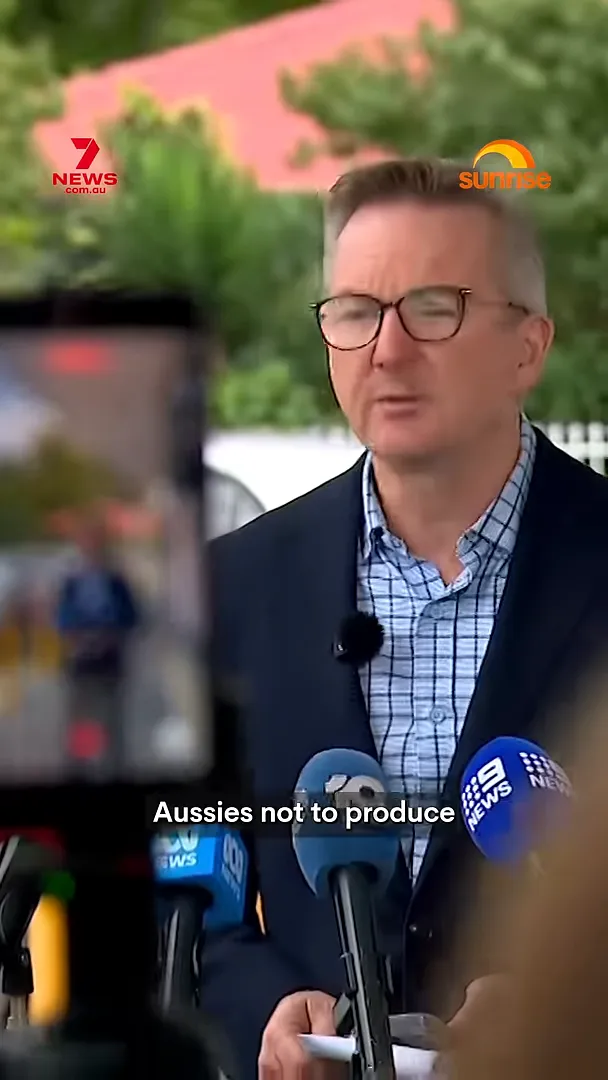
Energy Minister Chris Bowen has urged Australians not to produce makeshift diesel. The warning is significant because it points to a risk that households may try DIY solutions during uncertainty.
Even when people are motivated by practicality, homemade or unofficial fuel substitutions can create hazards, damage engines, or introduce contamination. More broadly, individual actions cannot replace structured supply arrangements—particularly when the concern is national timing, not a single household’s fuel choice.
What to watch next: timing, supply signals, and escalation risk
At the centre of the situation is a simple timeline. Fuel supplies are secured into May, but beyond that there are no guarantees. That creates a window where government and industry will likely focus on whether supply stability holds, whether shipments remain on track, and whether disruptions worsen.
In the meantime, escalation risk is being framed around how quickly conditions could change—potentially within weeks—if international tensions do not ease. The “by the end of the week” reference is important because it suggests the next phase of volatility may be driven by developments outside Australia, rather than domestic policy alone.
FAQ
Does the government guarantee fuel supplies past May?
No. Supplies are confirmed as secured into May, but the government has offered no guarantees beyond that point.
Why is petrol rationing being mentioned again?
Because instability in the Middle East could affect global oil supply flows. If the situation is not resolved by the end of the week, fuel availability pressures could rise later, with rationing considered once again.
Are petrol stations currently running out?
Reports indicate that one in 30 petrol stations across the country has been sold out, showing supply constraints can already be present at a local level.
What did Energy Minister Chris Bowen warn Australians against?
He warned Australians not to produce their own makeshift diesel.
How quickly could conditions worsen?
Officials and commentators have warned Australia could be in crisis mode within weeks, depending on how international conditions develop.
The information in this article has been adapted from mainstream news sources and video reports published on official channels. Watch the full video here Fuel supplies 'not guaranteed' past May


