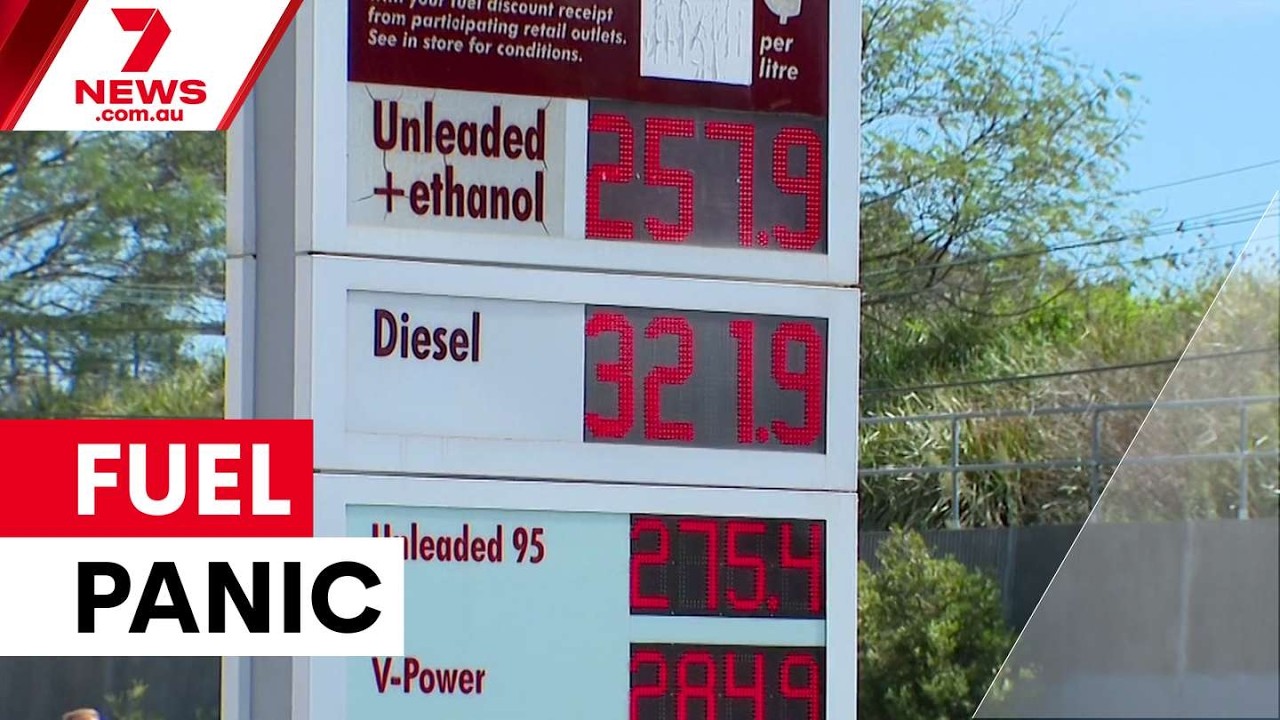
Fuel security became the headline theme of a nationally broadcast moment—yet many Australians walked away feeling the speech lacked the detail they wanted. After hours of speculation and uncertainty, the address arrived later than expected and landed with a muted impact on everyday concerns. Instead of clear steps to protect supply, viewers heard warnings of possible disruption and a promise to “figure it out”.
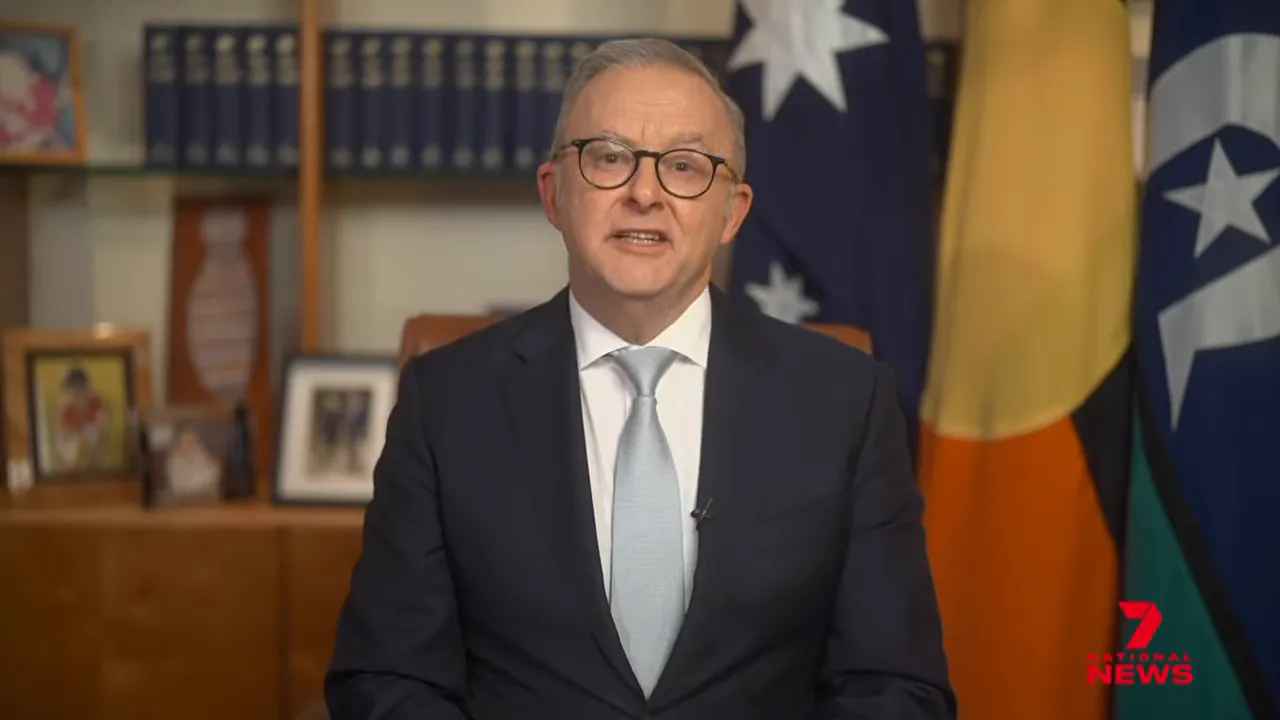
Table of Contents
- A long build-up, a short address, and a demand for specifics
- Timing and tone: why people felt the message was triggering
- Fuel security problem: warning without visible solutions
- Where hope shows up: Artemis II and the bigger perspective
- Key takeaways for Australians
- What happens next depends on communication—and action
- FAQ
A long build-up, a short address, and a demand for specifics
In the lead-up to the Prime Minister’s special address, commentators described a “very long build-up” fuelled by seven or eight hours of hype and uncertainty. As speculation ran, people imagined worst-case scenarios—then compared that imagined urgency with the brevity of what was ultimately delivered.
While the address avoided any “major horrific announcement”, criticism focused on one simple point: it did not match the scale of the attention it generated. Many felt it risked creating heightened anxiety without offering the concrete solutions households were searching for—especially around how Australia’s fuel supply would be secured in the near term.
Timing and tone: why people felt the message was triggering
The speech was announced at 11 o’clock in the morning, but delivered at around 7 o’clock that night. Some viewers argued that, for Australians already carrying memories of COVID-era disruption, the long wait felt particularly destabilising.
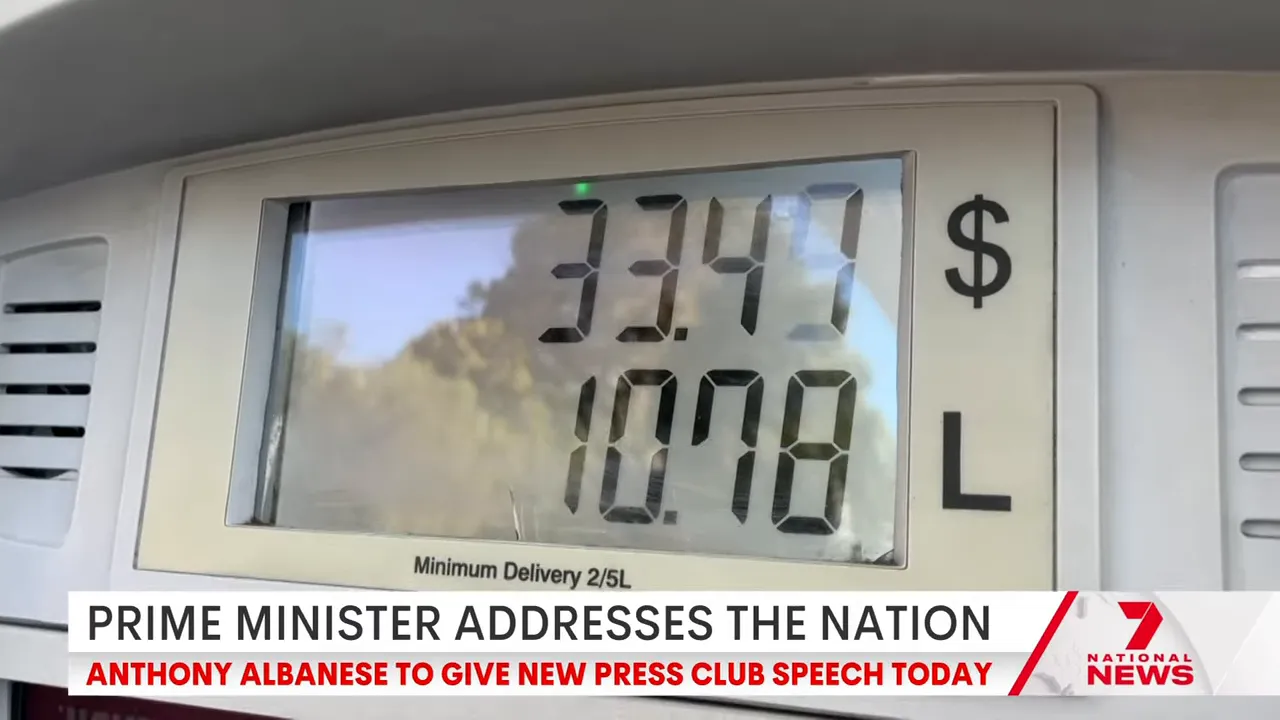
Instead of steadying public nerves, the announcement appears to have intensified them. Panic buying was reported, including in South Australia, after the message suggested Australians might be running short on fuel—prompting people to stock up “just in case”.
Critics also felt the framing was underwhelming. Even the practical advice—continue plans for Easter holidays, but be prepared to rely more on public transport in the following weeks—was seen as obvious rather than helpful. What many wanted were answers to operational questions: how supply chains would be protected, what new measures would be taken, and when improvements could realistically be expected.
Fuel security problem: warning without visible solutions
At the heart of the backlash was a perceived gap between warning and action. Australians were told, in effect, to prepare for possible fuel shortages—but heard limited detail about the “new ways” of securing supply.
One explanation offered in the discussion was that authorities are “on it” and working to address the issue themselves. But for many, that reassurance didn’t address the urgency of the question: what happens next, and what will change? When there is uncertainty about essential services like transport, households tend to demand specifics—particularly around fuel security, distribution, and timing.
That is why commentators described the road ahead as likely “bumpy”. Without clear, measurable steps, people naturally look for solutions elsewhere and adjust behaviour immediately—often in ways that worsen the pressure on the system.
Where hope shows up: Artemis II and the bigger perspective
Alongside the fuel-security debate, the broadcast shifted to “good news”—with NASA’s Artemis II rocket launching from Florida and marking the first lunar mission in half a century. While the mission does not put astronauts on the moon during this flight, it is a major milestone in the broader plan to return to the lunar surface.
Supporters of the Artemis programme point to long-term goals rather than immediate spectacle: the moon is seen as a potential stepping stone, including access to water resources that could help sustain future human presence. Over time, that base could support deeper exploration—potentially even missions directed at Mars.
The message resonated beyond science. It also served as inspiration—especially for children watching at home—and highlighted Australia’s place in the story through its first female astronaut, referenced as a source of motivation for the next generation.
Key takeaways for Australians
- Fuel security was the focus, but many viewers said the address lacked operational detail.
- The long lead-up before the speech was described as hype-driven, raising expectations of more concrete measures.
- Timing appears to have contributed to public anxiety, with reports of panic buying after the announcement.
- People wanted solutions: how supply would be secured and what changes would happen next.
- Even as debate continues on Earth-bound logistics, space exploration served as a reminder of longer-term planning and ambition.
What happens next depends on communication—and action
Fuel shortages are not just economic events; they influence trust. When governments issue warnings, communities respond quickly—sometimes faster than the underlying logistics can stabilise.
For many Australians, the unanswered question is straightforward: if fuel security is at risk, what exact steps are being taken, and when will the public see results? Clearer timelines, transparent measures, and visible progress would do more than reassure—it would reduce the panic that can make a problem worse.
FAQ
Why were Australians critical of the fuel security address?
Many felt the speech lacked detail and did not provide concrete solutions for securing fuel supply, despite building anticipation for more specific announcements.
Did the timing of the speech affect public reaction?
Commentators suggested it did. The announcement at 11am and speech around 7pm left a long period of uncertainty, which some described as triggering and linked to panic buying.
What did people want instead of warnings?
Audiences were looking for actionable steps—how fuel security would be protected, what new approaches were being used, and when supply improvements would take effect.
Was there any “good news” discussed after the fuel-security debate?
Yes. The discussion highlighted NASA’s Artemis II launch, described as a historic moment for space exploration and part of a long-term plan involving lunar resources and future missions.
How does Artemis II relate to long-term planning?
Artemis II is part of a broader programme aimed at returning humans to the moon and using lunar resources—such as water—as a potential base for deeper exploration, including Mars.
The information in this article has been adapted from mainstream news sources and video reports published on official channels. Watch the full video here Albanese criticised over fuel address as Artemis launches | 7NEWS


