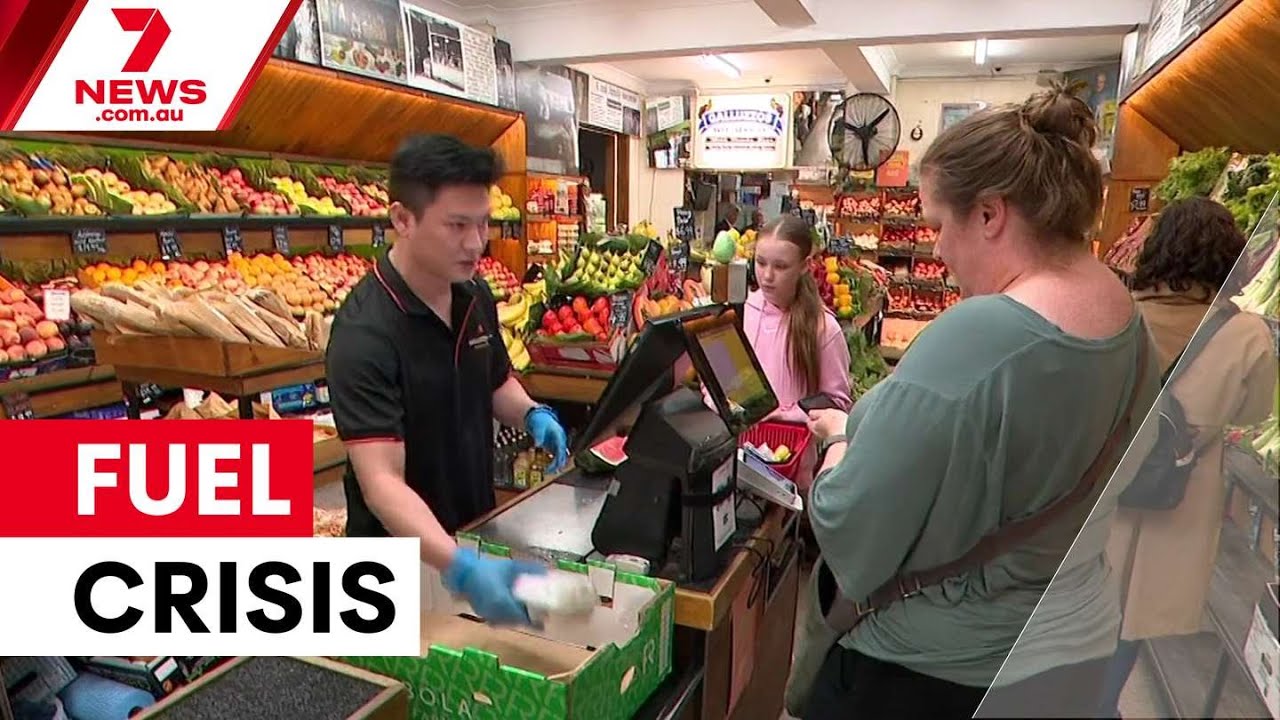
Fuel crisis impacts grocery prices in Australia—and the risk is not just higher bills at the checkout. Farmers warn that the situation could trigger major changes around Anzac Day, with the price of some groceries potentially rising by as much as 20% if fuel supply isn’t stabilised.
For shoppers, it may start with something seemingly small—like onions. But for the food supply chain, it reflects a much larger problem: when fuel gets tight or expensive, transporting fresh produce and producing food becomes harder, slower, and more costly.
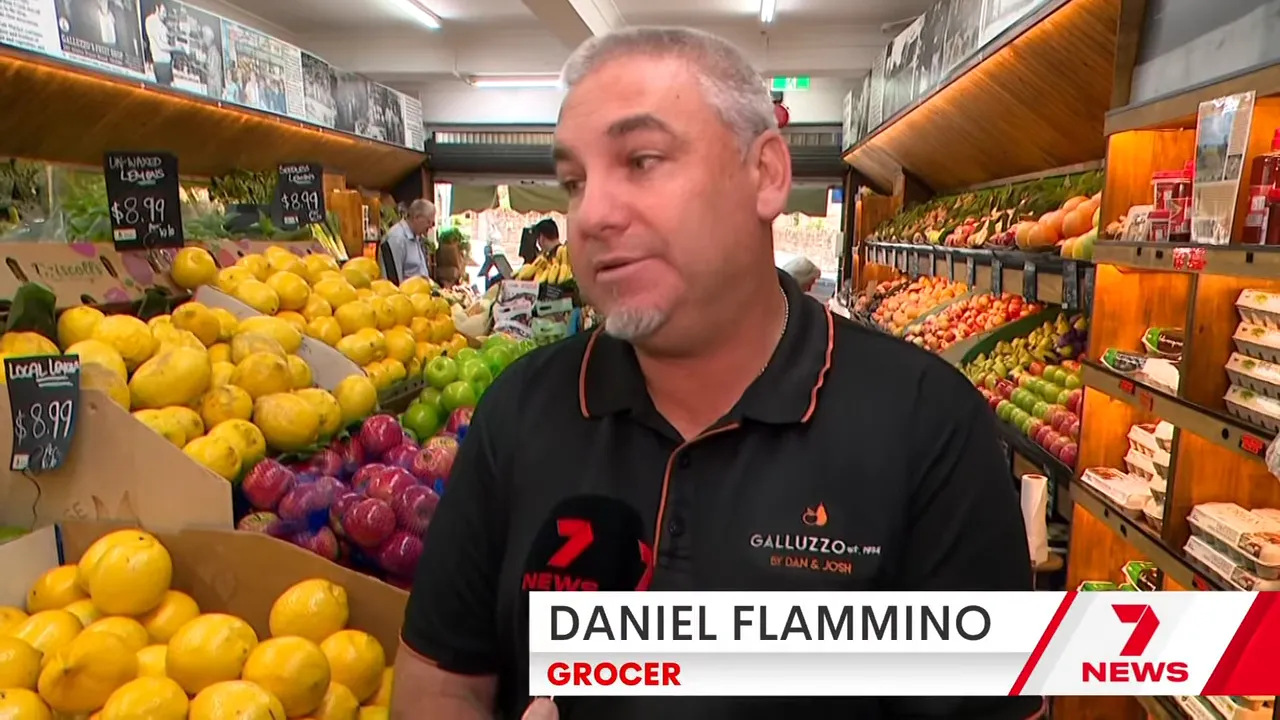
Table of Contents
- Why the fuel crisis is hitting the food basket
- When fuel prices rise, weight and delivery frequency matter
- Up to Anzac Day: a critical timeline for farming plans
- Rationing diesel shows the strain across regional supply chains
- What happens if farmers cut seeding
- What can shoppers and communities do right now?
- Key takeaways
- Video
- FAQs
Why the fuel crisis is hitting the food basket
Farmers and regional suppliers say the pressure is spreading quickly from fuel to freight to retail prices. As fuel costs rise, grocers can only “hold off” passing those costs on for so long—especially for items that are moved frequently and sold fresh.
One key warning is that supply problems may also affect quantity and quality of food. That means shoppers could see not only higher prices, but also changes in what’s available and how fresh it is.
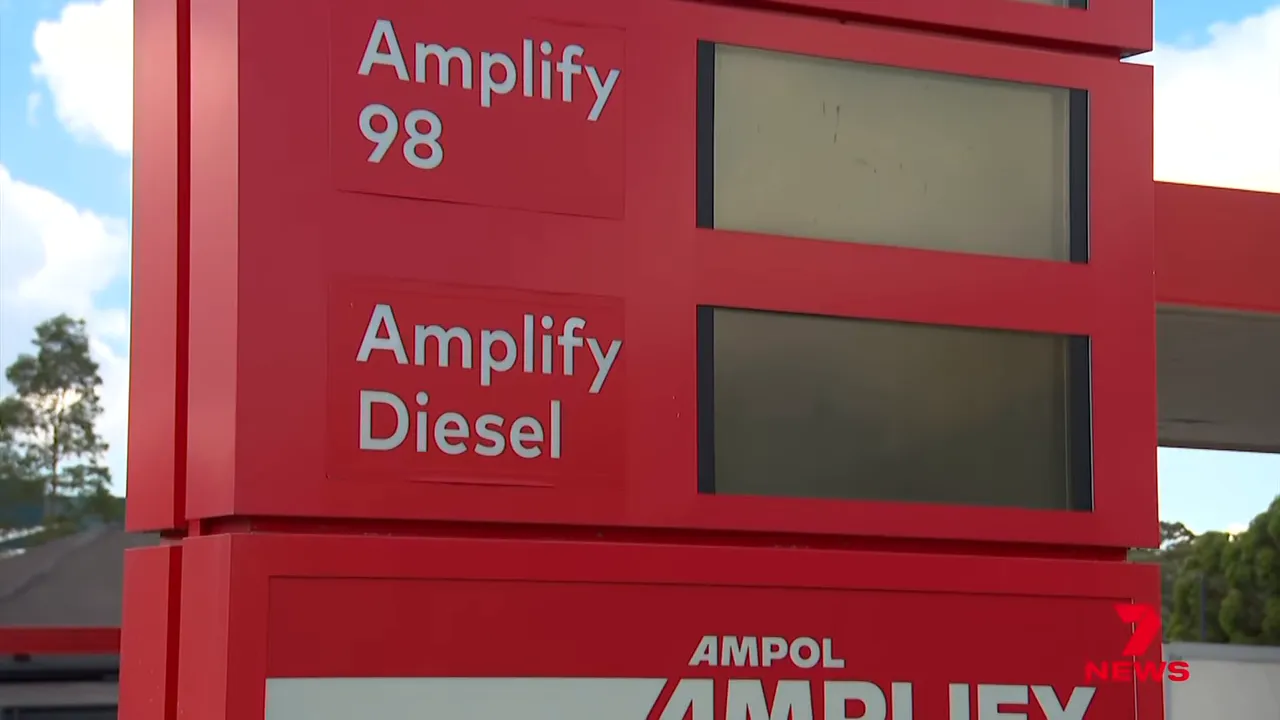
In practical terms, the crisis isn’t evenly felt. Once regional areas start running out of fuel, farmers have to reassess operations as costs spike—leading to significant price changes, reported as 10–20% or more depending on the product.
When fuel prices rise, weight and delivery frequency matter
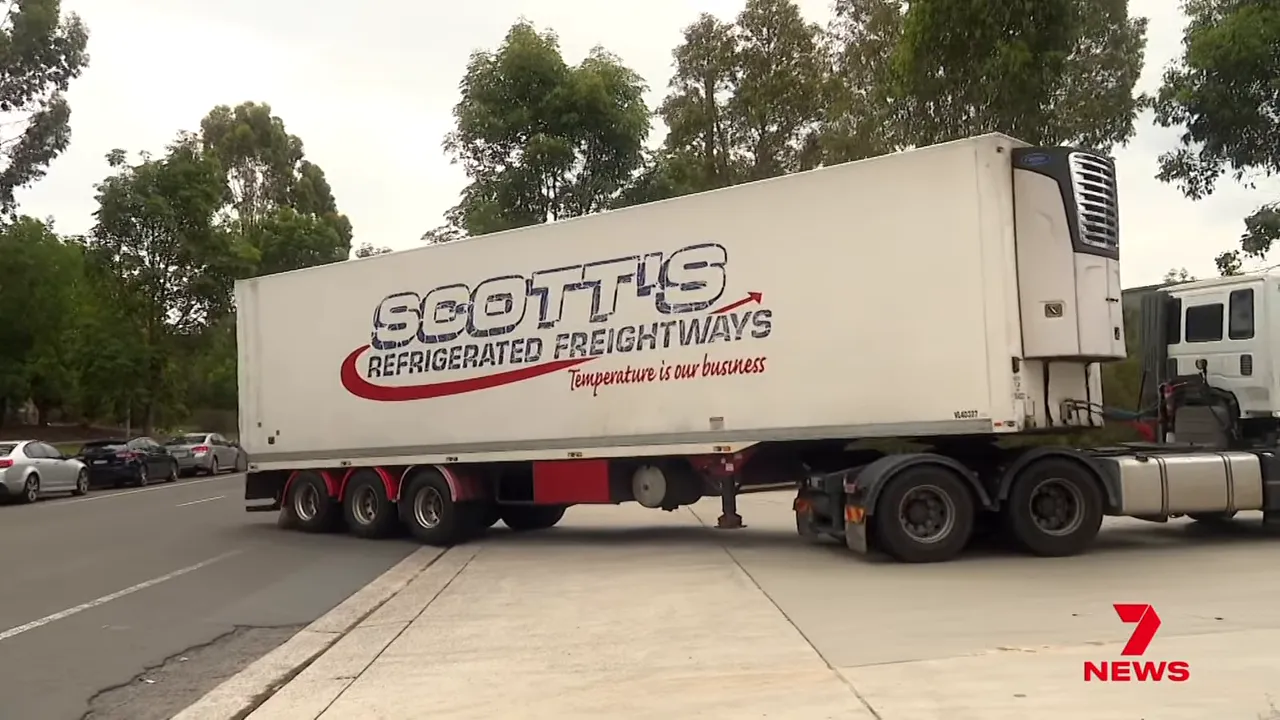
Fresh food and fibre often move on tight schedules—sometimes weekly. That makes logistics central to keeping shelves stocked.
Transport costs don’t scale neatly with food prices. They scale with fuel, time, and load—so “weight is key”. Fruit and vegetables are often heavier in terms of water volume, which can make them more expensive to move when fuel levies rise.
Suppliers are also updating retailers about new fuel charges. The result is a growing chain of cost increases: supplier costs go up, retailers adjust their pricing, and households feel it immediately.
Up to Anzac Day: a critical timeline for farming plans
The warning from farmers is that major decisions may land around Anzac Day—with less than a month (just over 20 days) flagged as a crucial window.
If fuel supply and petrol/diesel costs aren’t resolved, farmers say plans for new crops may be “drastically” wound back. That includes limiting seeding—an action that may protect budgets in the short term, but can undermine production later.
That’s where the risk moves from price to food quality.
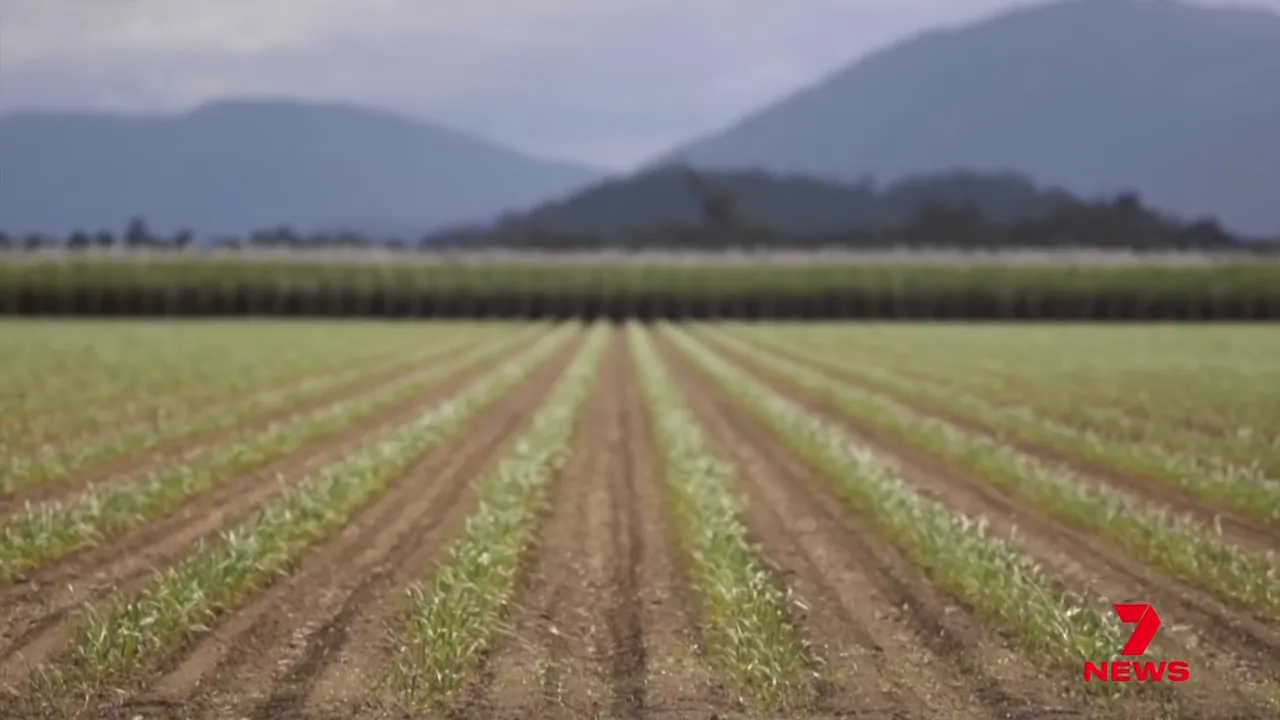
Rationing diesel shows the strain across regional supply chains
In Australia’s outback, the problem is not abstract. Farmers describe rationing diesel—an approach that signals serious operational strain.
It also highlights a key reality: food systems depend on labour and fuel from across a country, not just one farm or one region. As one farmer put it, it “doesn’t matter what country you’re in”—food ultimately comes from farmers somewhere within that country.
That’s why the call is broader than “watch supermarket prices”. Consumers are being asked to look out for farmers whose ability to grow food depends on access to fuel and the affordability of transport.
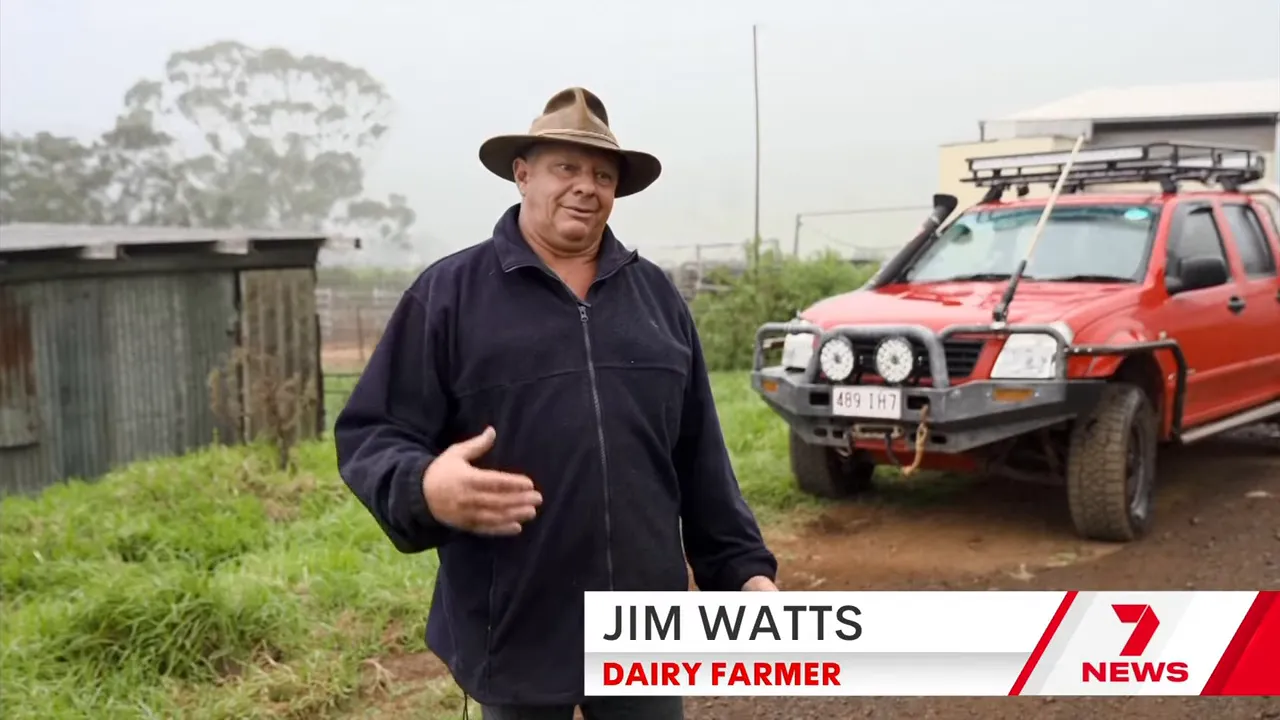
What happens if farmers cut seeding
Limiting seeding can mean fewer crops, different yields, and a reduced supply later in the season. And when supply tightens, prices tend to rise—especially for everyday staples that people rely on weekly.
But the consequences may be wider than shoppers realise. Farmers warn that reduced quality can follow, which then impacts nutrition across the broader community—not just what people pay, but what they can eat.
This is the broader message from the fuel crisis: it’s a chain reaction. Fuel pressures don’t just change budgets—they can change schedules, harvests, and the nutrition that food provides.
What can shoppers and communities do right now?
Fuel shortages and price rises are largely outside an individual’s control, but there are practical actions communities can consider while the situation is still developing.
- Plan grocery purchases around what’s most time-sensitive (fresh produce is often most vulnerable to transport disruptions).
- Be aware of regional impacts: supply shocks are typically felt first—and hardest—in regional areas.
- Support farmers and local supply chains where possible, recognising that food production relies on accessible fuel.
- Stay informed about updates around the Anzac Day timeframe, because that’s when operational decisions may be made.
Key takeaways
- Fuel crisis impacts grocery prices in Australia, with some items feared to rise by up to 20%.
- Farmers warn that major changes could occur around Anzac Day if fuel supply isn’t resolved.
- Rising fuel levies and delivery costs flow through the supply chain—especially for fresh, weighty products like fruit and vegetables.
- If petrol/diesel problems persist, farmers may limit seeding—affecting both food quality and nutrition.
Video
FAQs
How much could grocery prices rise in a fuel crisis?
Farmers fear some groceries could rise by as much as 20%, with reported changes potentially ranging from 10–20% or more depending on the food or fibre.
Why does fuel affect fresh fruit and vegetables so quickly?
Fresh produce is often heavy and moved frequently. When fuel levies and transport costs increase, the cost to deliver these items rises quickly, which then flows through to retailers.
What is the significance of Anzac Day in these warnings?
Farmers say major operational changes could happen around Anzac Day. If the crisis isn’t resolved within that window (just over 20 days), crop plans may be scaled back, including limiting seeding.
Could the fuel crisis affect food quality, not just price?
Yes. Farmers warn that if fuel issues persist, it may reduce both the quantity and quality of food produced and delivered—potentially impacting nutrition as well.
What does “limiting seeding” mean for shoppers?
Limiting seeding can reduce future crop output. That can lead to tighter supply later, contributing to higher prices and possibly affecting what’s available.
The information in this article has been adapted from mainstream news sources and video reports published on official channels. Watch the full video here Fuel crisis threatens 20% grocery price surge | 7NEWS


