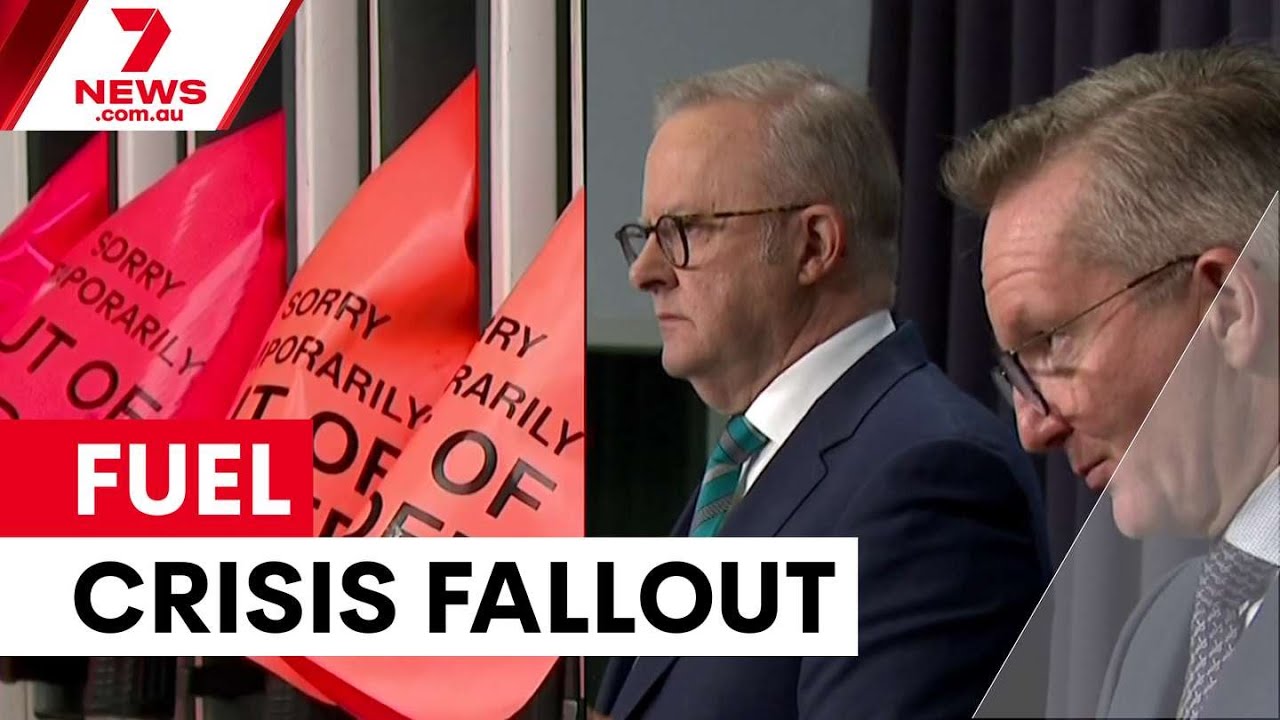
Australia’s fuel crisis has moved from forecourt worries to the centre of federal budget politics, with the government insisting supply has stabilised after the Easter long weekend. But while diesel shortages eased across the country, the broader cost-of-living pressure is forcing policymakers to reconsider how they use taxpayers’ money next month. At the same time, voter dissatisfaction is translating into major momentum for One Nation, which has surged to 25% of the national primary vote in the latest Newspoll analysis.
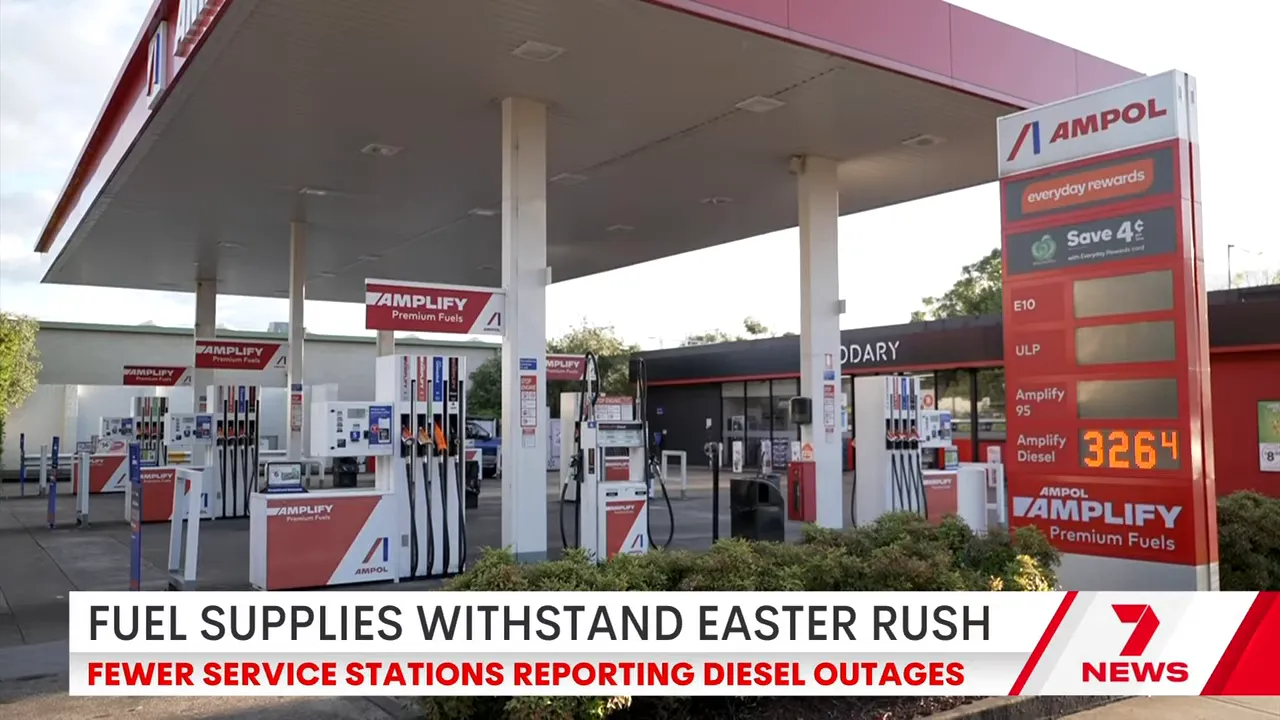
Table of Contents
- Easter long weekend tests Australia’s fuel supply
- Diesel availability improves, but politics turns sharper
- Cost-of-living pressure drives potential budget cuts
- Voter dissatisfaction opens the door for One Nation
- Polling snapshot reflects a turbulent news cycle
- Key takeaways for drivers and policy watchers
- FAQ
Easter long weekend tests Australia’s fuel supply
With holidaymakers travelling across Australia, the Easter long weekend became the biggest real-world test of the nation’s fuel supply since the Middle East conflict began disrupting global markets. The federal government says petrol and diesel stocks held up despite global oil supplies being choked, and that the system has enough resilience to get through the immediate travel period.
Energy Minister Chris Bowen pointed to service-station availability as the clearest indicator of whether the supply chain was under strain. He revealed that 274 service stations nationwide were without diesel—about 3.4% of all stations—down from 312 over the weekend. The improvement matters because it suggests the most severe disruption may be easing as demand settles after peak travel.
Bowen also argued that Australians now have “security of supply” through April and into May—an attempt to reassure drivers that the worst of the shortage risk is passing. Yet even as the immediate situation stabilises, the consequences of the fuel crisis are becoming harder to ignore elsewhere in government decision-making.
Diesel availability improves, but politics turns sharper
The government’s message is that the fuel network has responded well enough to avoid a prolonged shortage. But the same pressures that threaten transport and household budgets are also reshaping the political environment.
Officials frame the change in hardship as a transition—from a short-term supply test to a longer-term fiscal and policy dilemma. In that sense, the fuel crisis has effectively pushed Treasurer Jim Chalmers back to the drawing board, with cost-cutting discussions expected to intensify ahead of next month’s federal budget.
Cost-of-living pressure drives potential budget cuts
While fuel stocks are said to have “stood up” to Easter travel demands, the broader economic backdrop is still under pressure. Global oil disruption is feeding into the cost-of-living debate, and it is influencing how the federal government plans spending priorities.
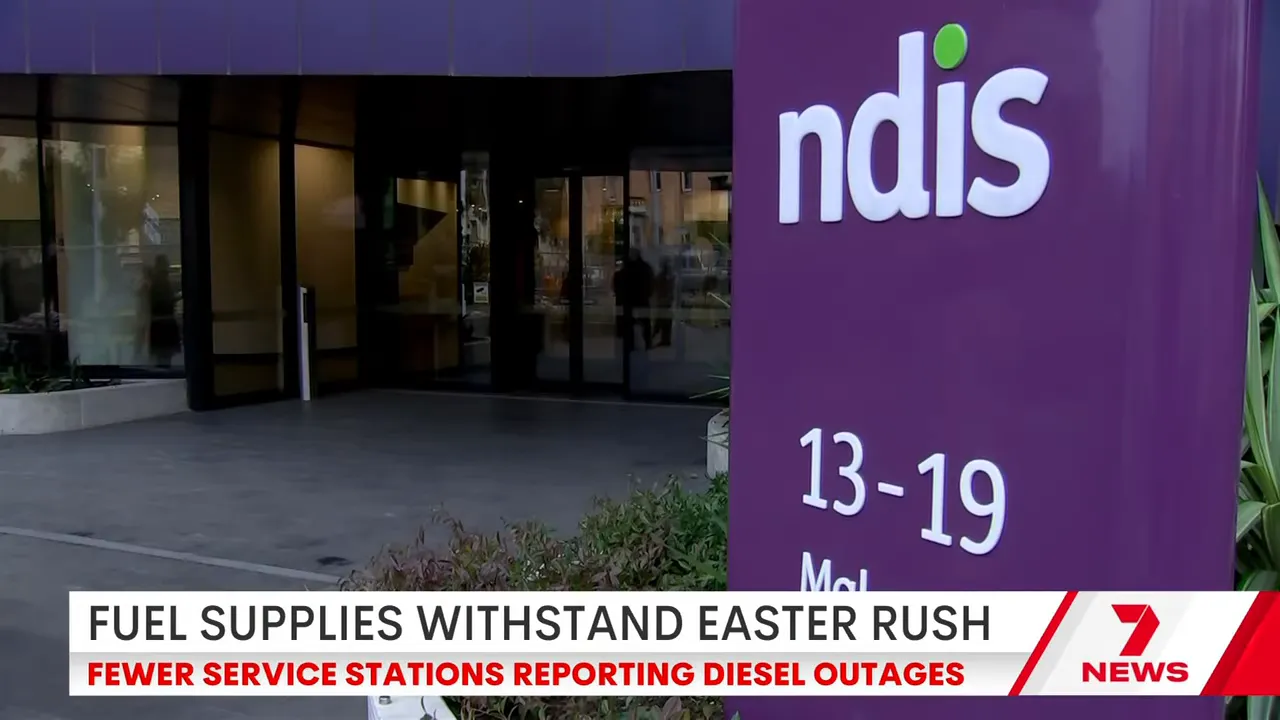
One area reportedly under scrutiny is the NDIS. The government signal is not simply about tightening belts in isolation, but about ensuring spending remains sustainable while the fuel and cost-of-living crisis continues. The underlying framing is that growth may need to be slowed to cope with the additional pressure on household budgets.
Minister Mark Butler is described as having already worked to bring spending growth down, but the fuel crisis is now adding a new layer of urgency to whether those efforts will be enough without further changes.
Voter dissatisfaction opens the door for One Nation
As cost pressures continue, political dissatisfaction is becoming more visible at the ballot box. The fuel crisis is not presented as a single-issue campaign driver on its own, but as part of a larger pattern of anxiety around everyday living costs.
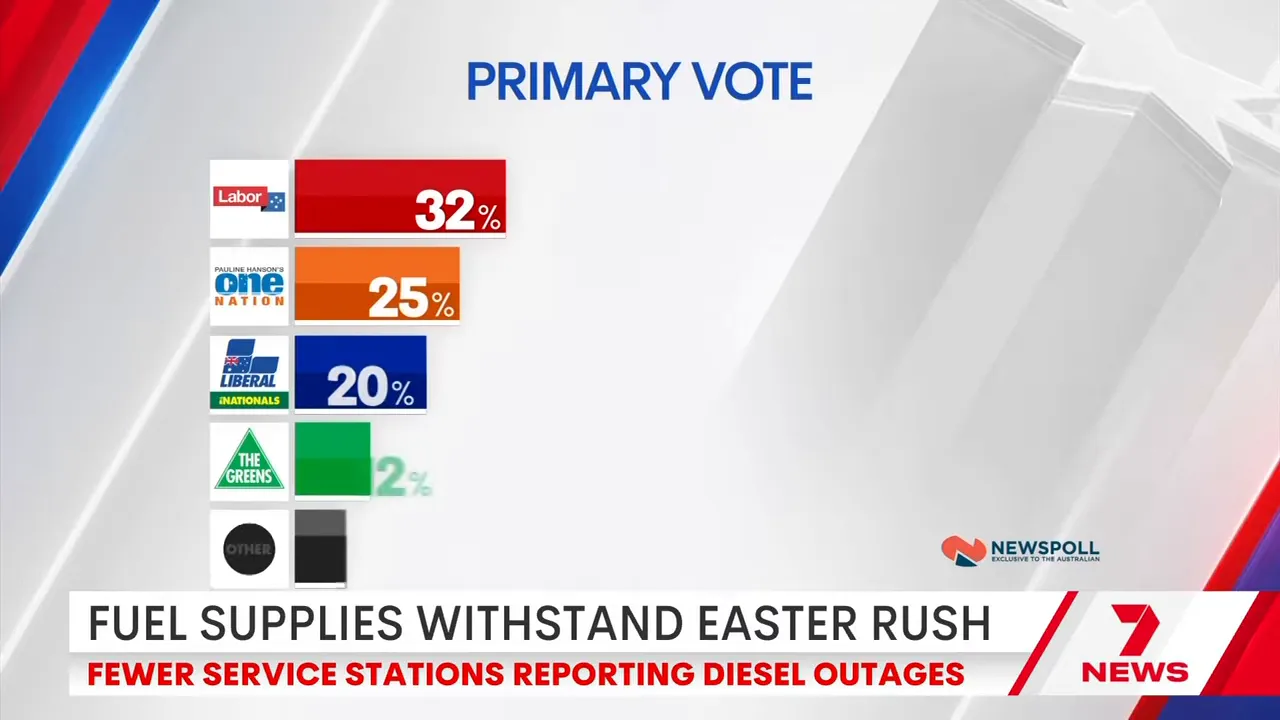
In that environment, One Nation is gaining ground. According to News Poll’s latest quarterly analysis, the party now commands a quarter of the primary vote nationally (25%). The movement is particularly notable in Queensland, where One Nation has reportedly overtaken Labor in primary vote support.
The analysis offered is that One Nation has been effective at taking public fears and amplifying them. But with momentum comes scrutiny: the party is now expected to explain what it would do differently if it gains further influence.
Polling snapshot reflects a turbulent news cycle
The polling snapshot informing the latest numbers was taken over the first few months of the year, a period that included multiple high-salience events. Those influences were described as including fallout from the Bondi terror attack, leadership changes in the Liberal Party—specifically Susan Lee’s axing as Liberal leader—and the start of the Iran war.
In other words, the fuel crisis is unfolding amid a wider, fast-moving political and international backdrop—conditions that can intensify voter frustration and shift attention toward parties perceived as most willing to raise concerns loudly and consistently.
Key takeaways for drivers and policy watchers
- The Easter long weekend tested Australia’s fuel supply, with the government saying stocks held up despite disrupted global oil supply.
- Diesel shortages improved: service stations without diesel fell from 312 to 274, or around 3.4% of all stations.
- Energy Minister Chris Bowen says supply security is expected through April and into May.
- The fuel crisis is feeding into budget discussions, including potential sustainability-focused pressure on NDIS growth.
- One Nation is surging in polling, reaching 25% of the national primary vote and overtaking Labor in Queensland.
FAQ
Why did Australia’s Easter long weekend matter for fuel supply?
It represented peak holiday travel demand at the same time global oil supplies were under disruption due to the Middle East conflict. The government treated it as a major test of whether petrol and diesel stocks could withstand sudden increases in consumption.
How much did diesel shortages improve after the weekend?
The number of service stations without diesel reportedly fell from 312 to 274, which the minister described as about 3.4% of all stations nationwide.
How long does the government say supply will remain secure?
Energy Minister Chris Bowen said there is security of supply through April and into May.
What does the fuel crisis mean for next month’s federal budget?
The crisis is being described as forcing cost-of-living policy and fiscal planning to be revisited, with more cost-cutting considered ahead of the budget.
Is the NDIS likely to be affected?
One area said to be in focus is NDIS spending, with discussion of slowing growth to help make overall spending more sustainable amid ongoing cost pressures.
Why is One Nation benefiting politically?
The analysis presented is that One Nation has been effective at taking public fears about cost of living and amplifying them. In polling, it is now at about 25% of the national primary vote, with particularly strong movement in Queensland.
When was the polling snapshot taken?
It was taken over the first few months of the year, capturing the fallout from several major events, including the Bondi terror attack, Liberal Party leadership changes, and the start of the Iran war.
The information in this article has been adapted from mainstream news sources and video reports published on official channels. Watch the full video here Fuel crisis forces budget rethink as One Nation surges | 7NEWS


