Table of Contents
- October figures show shifting demand across Australia's electrified vehicle market
- Why Tesla’s monthly numbers slipped
- How the broader electrified market is evolving
- Where Polestar fits in
- BYD’s rapid rise in Australia
- What this means for buyers and the market
October figures show shifting demand across Australia's electrified vehicle market
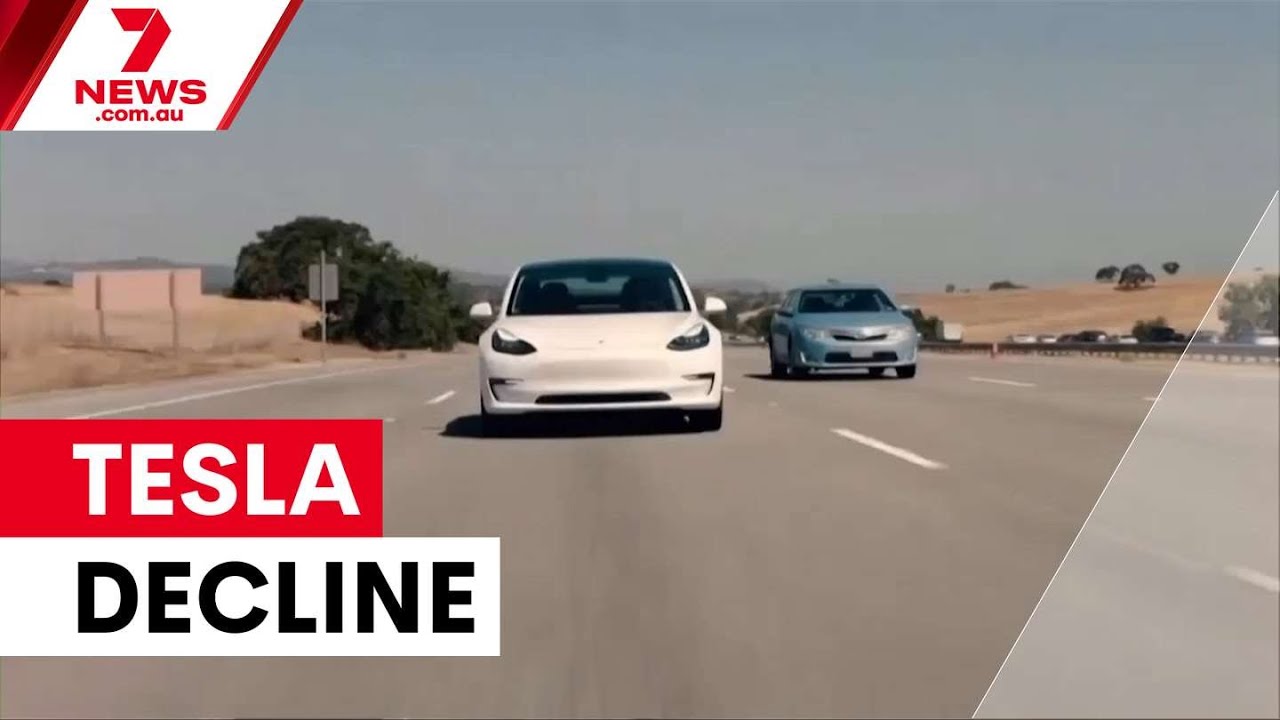
Tesla sales drop again in October as the Australian market begins to stabilise and new competitors gain traction. Industry analyst James Wong told 7NEWS that a mix of inventory timing and rising competition — especially from Chinese marques — helped push Tesla’s monthly volumes lower.
The shift is not just about one brand. Sales of hybrids, plug‑in hybrids and full EVs are changing the landscape, with consumers choosing a wider range of electrified options. That means mainstream EV rivals and premium newcomers are both finding buyers.
Why Tesla’s monthly numbers slipped
James Wong said there are a couple of clear reasons behind the slowdown. One is simple timing: Tesla sometimes does quarterly “dumps” of stock that boost figures in certain months and leave other months quieter.

The other factor is market evolution. New brands from China and growing consumer interest in hybrids and plug‑in hybrids mean market share is being redistributed rather than simply expanding for existing leaders.
How the broader electrified market is evolving
Recent data shows changing penetration across vehicle types. Plug‑in hybrid sales have risen to about 5%, full EVs sit near 8%, and conventional hybrids are at just over 17% of new‑car sales.
That mix indicates buyers are exploring different electrified technologies rather than solely opting for battery‑electric vehicles. The result is a more competitive market for Tesla and others.
Where Polestar fits in
Polestar occupies a different lane to Tesla, pitching itself as a design and engineering‑led premium brand. Its models come with distinct styling and upscale appointments, targeting buyers who want a more luxurious experience.

Polestar’s vehicles are often more expensive and emphasise premium finishes such as name‑brand sound systems and optional Napa leather. As part of the Volvo group lineage, Polestar appeals to buyers who favour Scandinavian design and a premium feel.
BYD’s rapid rise in Australia
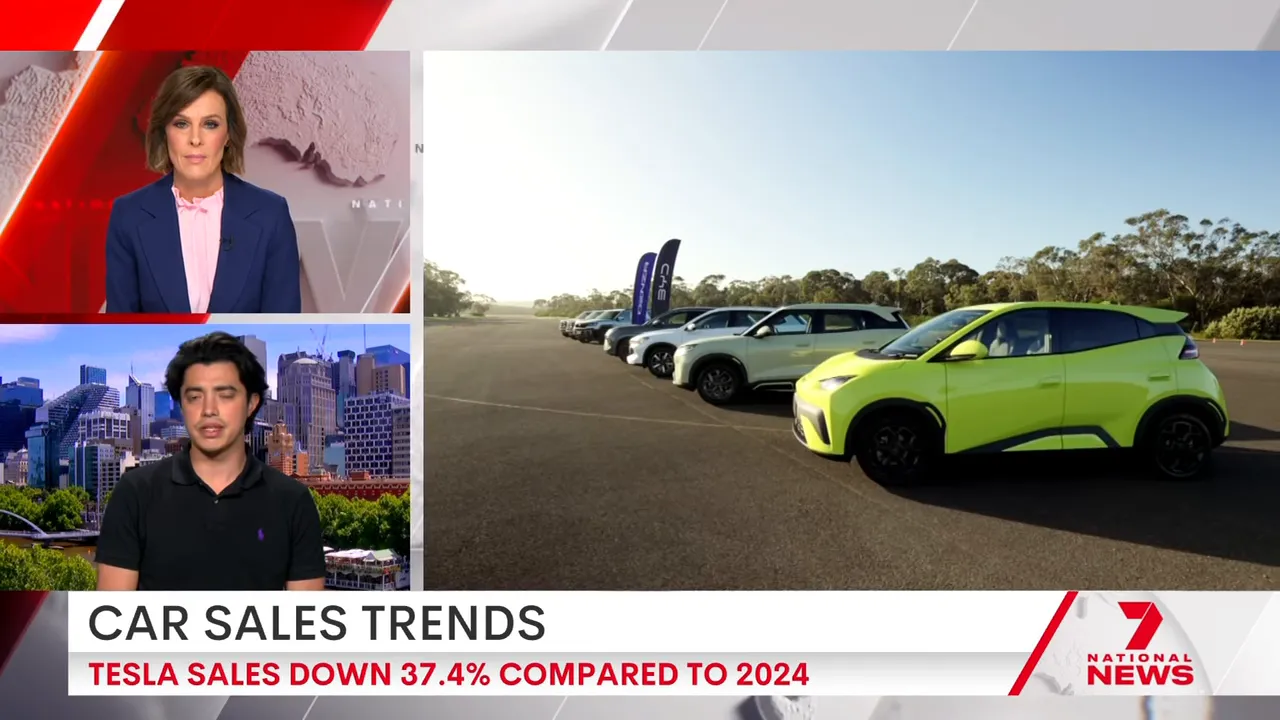
BYD is moving quickly up the sales charts and is now in the top 10 sellers in Australia, heading towards the top five. Wong described BYD as “the Chinese Toyota” in terms of scale, offering a wide range of hybrids and electric models aimed at mainstream buyers.
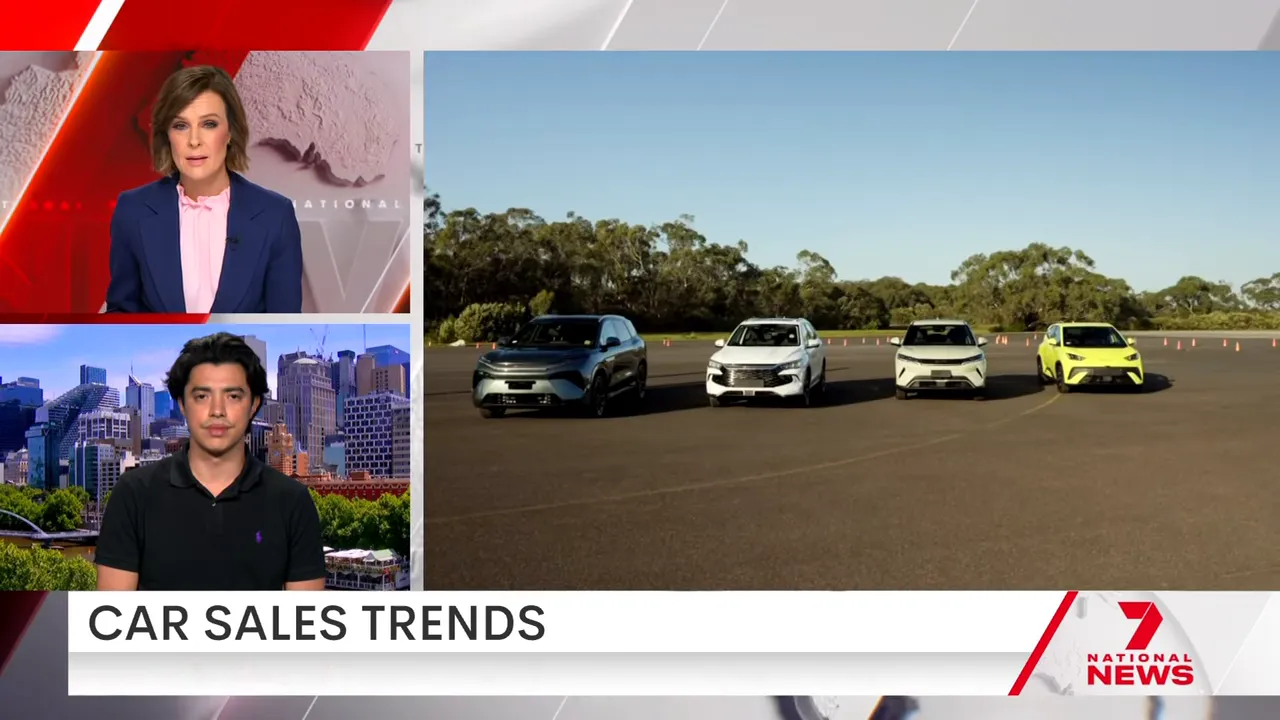
BYD’s strategy mixes competitive pricing with expanding model variety. While it currently trails Tesla in pure EV sales, BYD leads when plug‑in hybrid volumes are included, and a raft of new products due in the next 12 months could accelerate its rise.
What this means for buyers and the market
The market is becoming more segmented. Premium EV buyers may gravitate to brands like Polestar, mainstream buyers will have more BYD‑style options, and hybrids remain popular for those easing into electrification.
For Tesla, the challenge is twofold: manage the effects of inventory timing and respond to increasingly fierce competition on price, product range and local availability.
Key takeaways
- Monthly Tesla volumes fell in October, partly due to stock timing and rising competition.
- Plug‑in hybrids (≈ 5%), EVs (≈ 8%) and hybrids (≈ 17%) are reshaping market shares.
- Polestar targets premium buyers with design and luxury appointments.
- BYD is rapidly climbing the sales ladder with a broad, mainstream product strategy.
Frequently asked questions
Why did Tesla sales drop in October?
Tesla’s October decline was driven by timing effects — occasional quarterly stock deliveries that concentrate sales in some months — and stronger competition from other brands, particularly recent entrants from China.
What makes Polestar different to Tesla?
Polestar positions itself as a premium, design‑focused brand with distinctive styling and upscale interiors. It targets buyers seeking a luxury experience rather than purely mainstream EV buyers.
Where does BYD sit in the Australian market?
BYD is quickly rising through the ranks, already in the top 10 and moving toward the top five. It offers a broad mix of hybrids and EVs at mainstream prices, making it a strong competitor to Tesla in many segments.
How are electrified vehicle market shares changing?
Market shares are stabilising across electrified types: hybrids are the largest at just over 17%, plug‑in hybrids around 5%, and full EVs about 8%, reflecting diversified consumer preferences.
Will BYD overtake Tesla in Australia?
BYD is closing the gap with aggressive product launches and strong hybrid sales. It may overtake Tesla in overall electrified volumes if its ramp of new models and local demand continue, but Tesla still leads in many pure EV segments.
The information in this article has been adapted from mainstream news sources and video reports published on official channels. Watch the full video here Tesla sales drop as Polestar and BYD gain ground | 7NEWS


