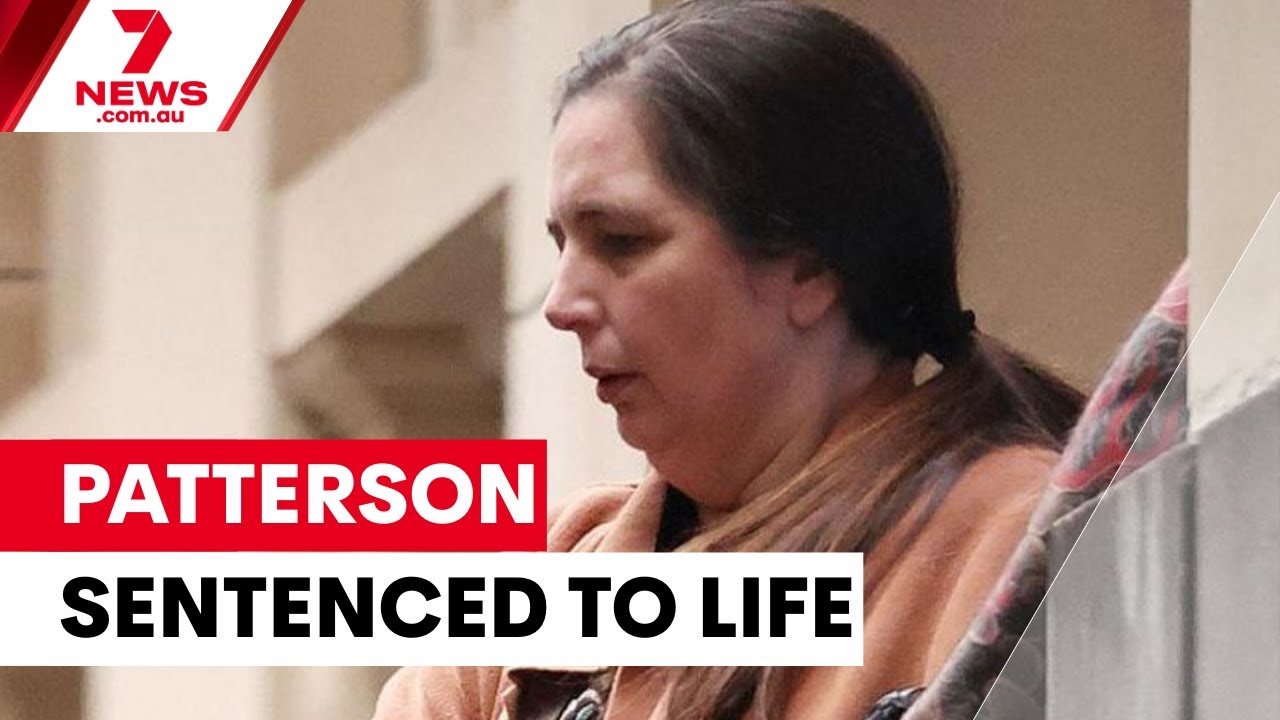
In a report from 7NEWS Australia, Justice Beale has handed down sentencing in the case of Erin Patterson — the so-called "mushroom cook" — who has been found guilty of multiple offences including the murders of three family members. Patterson received three life sentences and a non-parole period of 33 years, with an additional 25-year sentence for an attempted murder. The judge delivered a detailed reasoning that ranged from the impact on victims to Patterson’s conditions in custody.
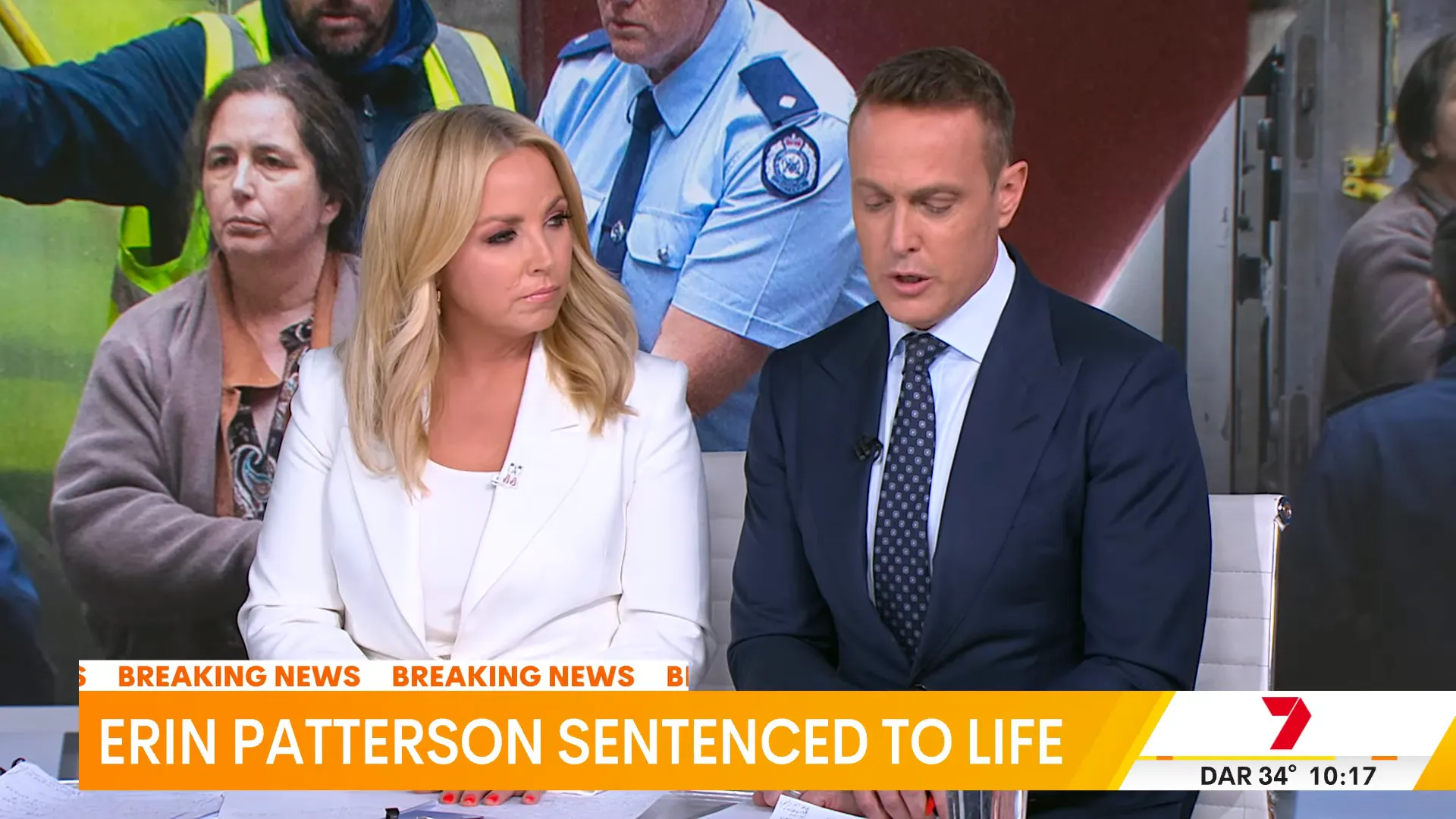
Table of Contents
- Sentence at a glance
- Justice Beale’s reasoning: evidence, impact and remorse
- Victim impact statements
- Conditions in custody and mitigating considerations
- Defense choices: psychological reports and background
- Public reaction and the debate over parole
- Conclusion
- Frequently asked questions
Sentence at a glance
- Life imprisonment for the murder of Don Patterson.
- Life imprisonment for the murder of Gail Patterson.
- Life imprisonment for the murder of Heather Wilson Wilkinson.
- Attempted murder of Ian Wilkinson — 25 years.
- Non-parole period set at 33 years.
Patterson is 50 years old. Under the sentence handed down, she will first be eligible to apply for parole when she is approximately 83 — a point at which eligibility does not guarantee release.
Justice Beale’s reasoning: evidence, impact and remorse
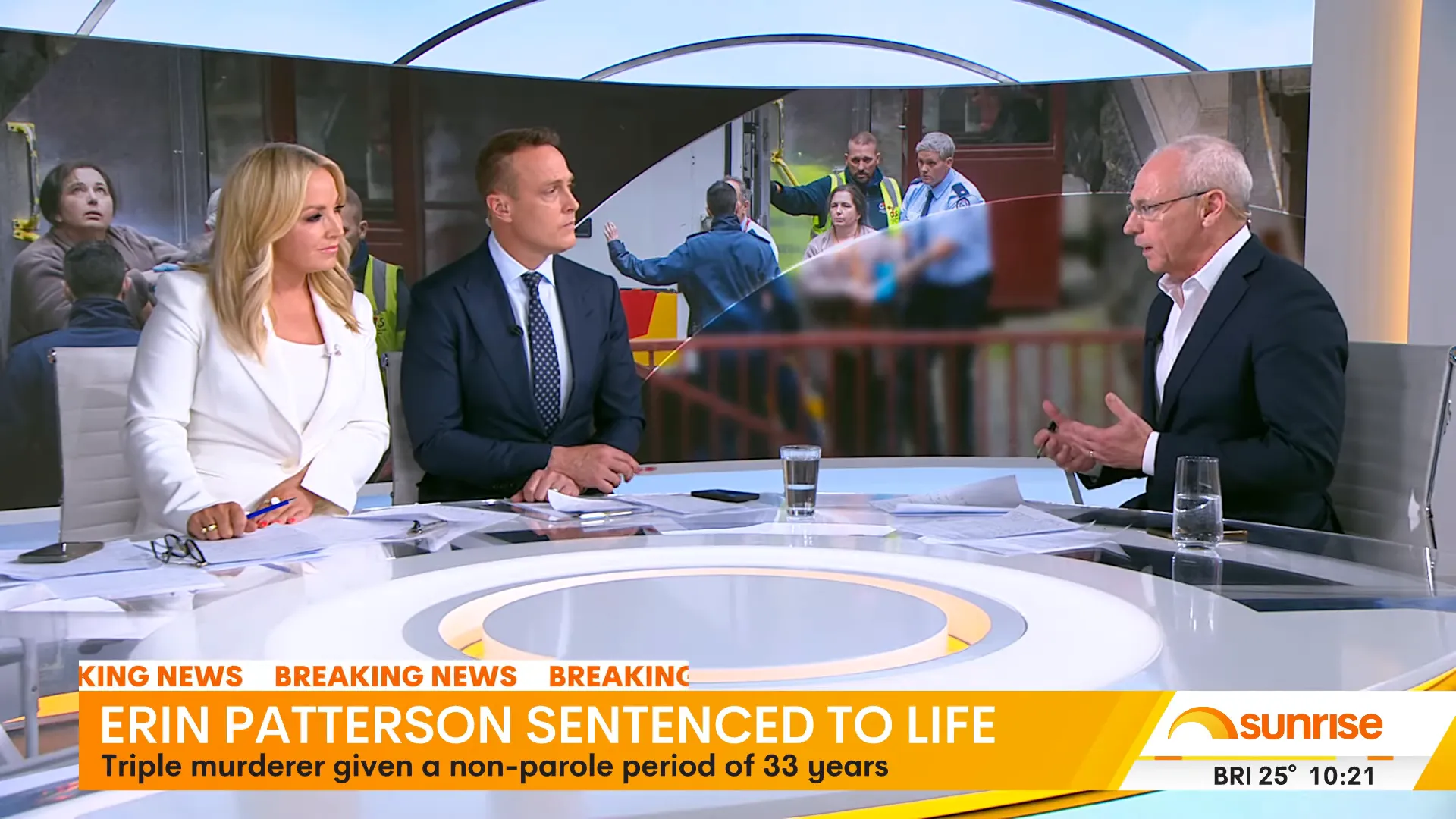
Justice Beale carefully walked through the evidence presented at trial and the far-reaching impact of the offences on victims, families and the broader community. He described the offending as among the most “egregious and grievous” possible and emphasised how Patterson repeatedly lied throughout the events and the proceedings.
The judge highlighted the ripple effect of Patterson’s conduct — not only the deaths themselves but the emotional and social fallout for surviving family members. He singled out the absence of remorse and cooperation from Patterson, noting that she did not reveal what was in the meal she prepared, information that, if disclosed at the time, “might have saved their lives.”
Victim impact statements
Victim impact statements played a central role in sentencing. Justice Beale reviewed numerous statements and absorbed their weight in explaining harm caused.
- Seven statements were read during a hearing two weeks earlier, out of 28 provided in total.
- These came from close family members, extended family and community members who described profound and lasting damage.
- Ian Wilkinson’s statement — delivered from the dock — was singled out by the judge during sentencing.
Justice Beale also emphasised that Patterson had been offered the opportunity to accept forgiveness. In court he said to her, “I suggest you embrace that opportunity,” underlining the judge’s awareness of the human dimension of the case as well as its legal consequences.
Conditions in custody and mitigating considerations
The judge devoted substantial time to describing Patterson’s current conditions in custody. For approximately fifteen months Patterson has been held in the Gordon Wing in conditions the court described as effectively solitary confinement. While the court found that Patterson did not pose a risk to other prisoners, it accepted that she could be at risk from them — a factor that influenced the sentencing decision.
Importantly, the prosecution agreed in its submissions that Patterson’s current isolation and risk in custody should be a consideration for the court. Justice Beale noted the situation did not appear likely to change soon and that it was therefore relevant to mitigation.
Defense choices: psychological reports and background
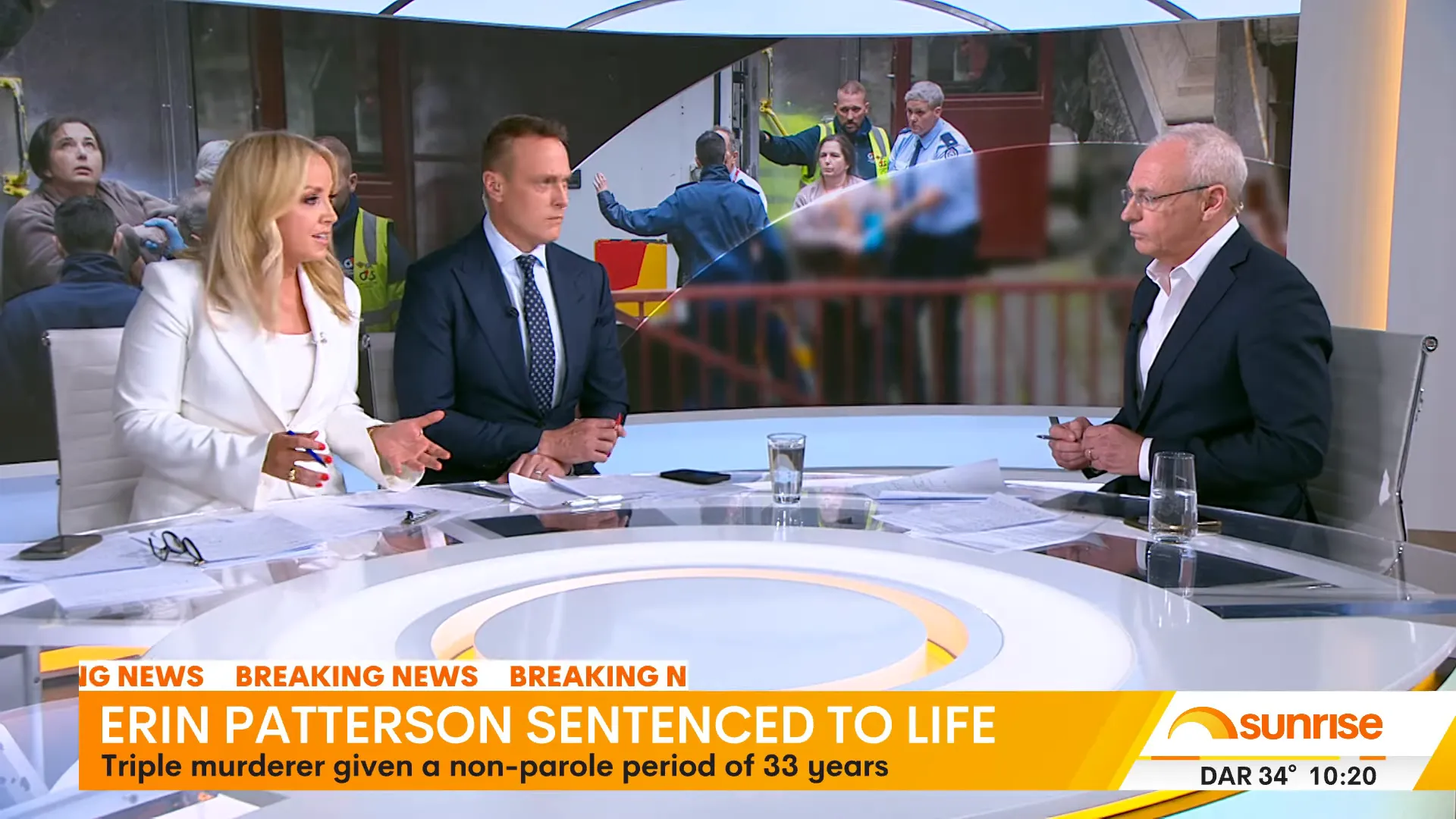
Another notable aspect of the sentencing was the absence of any psychological reports about Patterson. Justice Beale said plainly, “I didn't have any psychological reports on Erin.” The defence chose not to put forward psychological or detailed background evidence, and the court therefore had limited material about her childhood or personal history.
The court mostly heard evidence from other family members. The absence of psychological material meant potential avenues for mitigation — such as mental illness or traumatic upbringing — were not canvassed before the judge.
Public reaction and the debate over parole
The 33-year non-parole period will trigger public discussion. Some commentators had called for life without parole, while others argued 33 years was appropriate given the totality of the circumstances. Expect debate online and in the media over whether the sentence “passes the pub test.”
It is essential to note: eligibility for parole does not equal release. The sentence ensures a lengthy custodial period and makes any eventual release contingent on the parole board’s assessment at that future date.
Conclusion
Justice Beale’s sentencing of Erin Patterson combined a rigorous review of evidence with careful attention to victim impact and the practical realities of custody. The court’s decision reflects both the seriousness of the crimes and the particular circumstances surrounding Patterson’s treatment in prison. As the community digests the outcome, the case will continue to prompt questions about sentencing, public safety and how courts balance punishment with mitigation.
Frequently asked questions
What sentence did Erin Patterson receive?
She received three life sentences for the murders, a 25-year sentence for the attempted murder, and a non-parole period of 33 years.
When will she be eligible for parole?
Patterson will be eligible to apply for parole after serving 33 years; at that point she will be about 83 years old. Eligibility does not guarantee release.
Why wasn’t she sentenced to life without parole?
Justice Beale considered multiple factors including the severity of the offending, victim impact and mitigation. The court also took into account Patterson’s current custodial conditions and the prosecution’s submissions which acknowledged those conditions. The judge opted for life sentences with a fixed non-parole period rather than life without parole.
Were there psychological reports presented?
No. The judge stated he did not have any psychological reports on Patterson; the defence chose not to put forward such material.
What is the Gordon Wing and why was it mentioned?
The Gordon Wing is the facility where Patterson has been held in effectively isolated conditions for about fifteen months. The court noted that while she was not considered a risk to other prisoners, she could be at risk from them — a factor relevant to sentencing mitigation.
How many victim impact statements were submitted?
Twenty-eight victim impact statements were submitted in total. Seven were read aloud at a hearing two weeks prior to sentencing.


