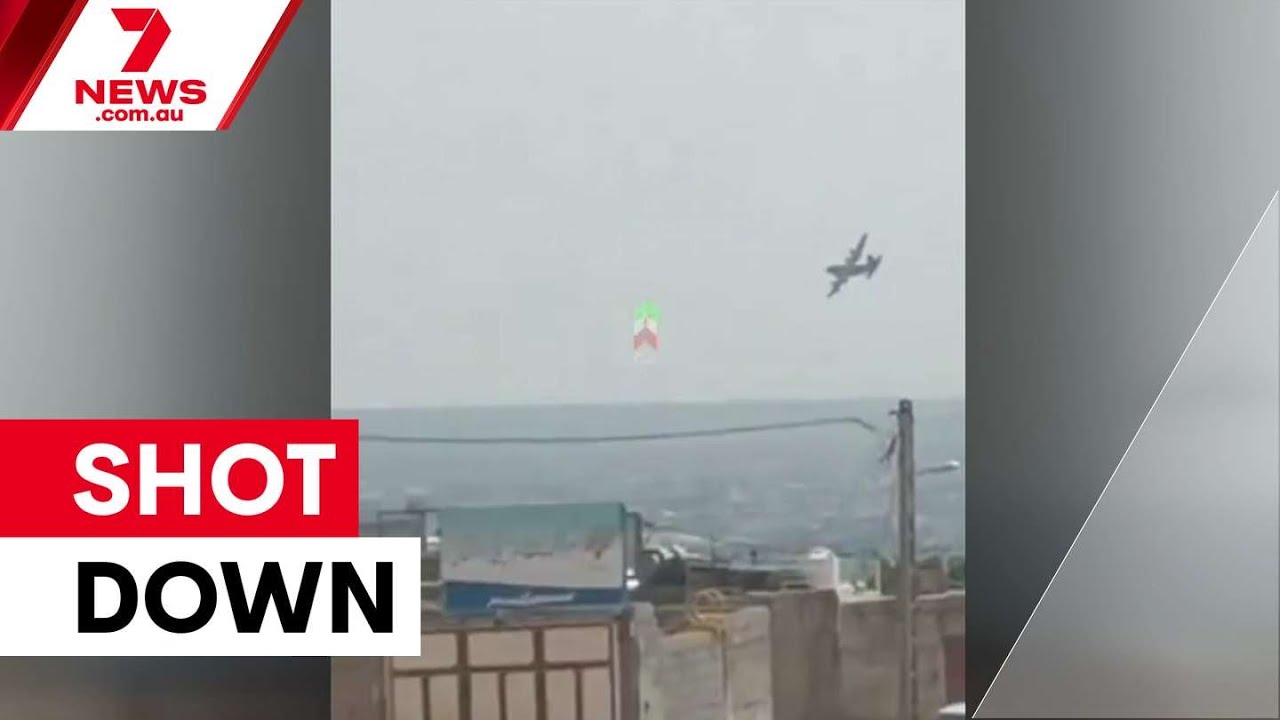
The search for a US serviceman missing after a jet shot down behind enemy lines has focused not only on diplomacy and military pressure, but also on a critical question: what happens to a pilot after an ejection.
In the hours and days following the incident, US and allied teams have been working to locate a crewmember who may be hiding, injured, or—less hopefully—deceased. Meanwhile, Iran has reportedly issued a bounty, adding urgency and complexity for anyone trying to find and recover the downed aircrew member.
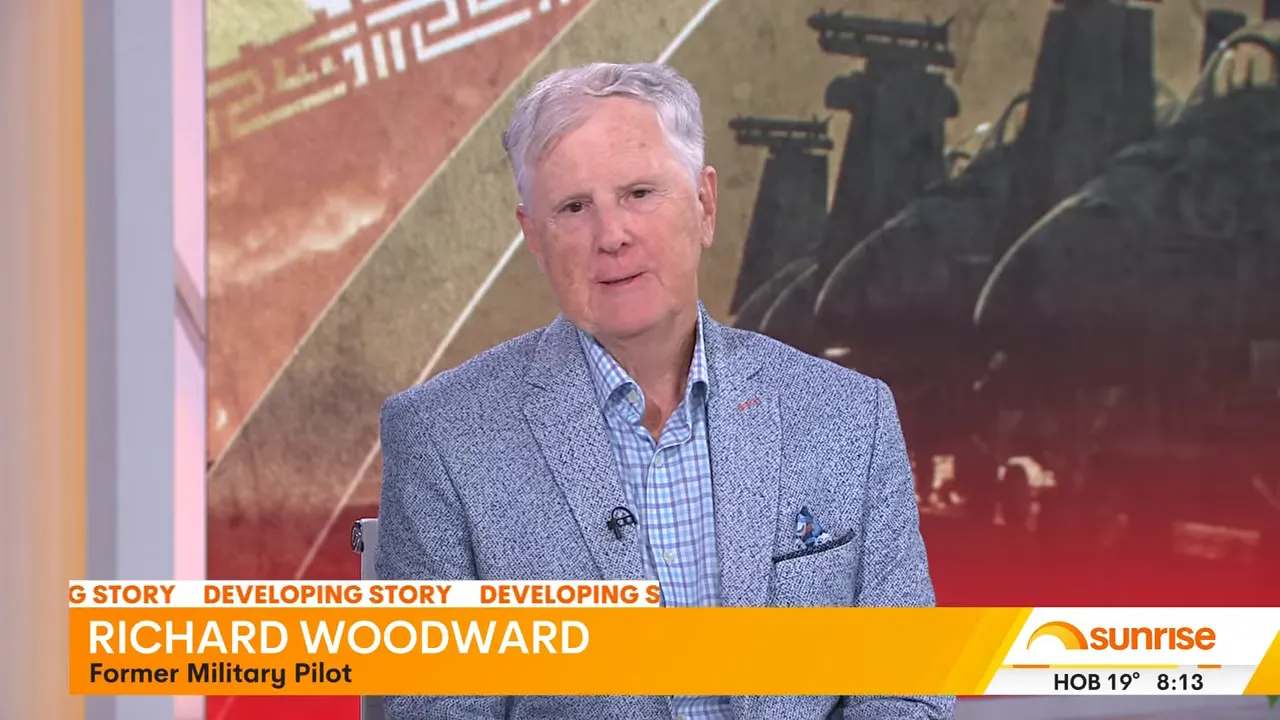
Table of Contents
- The immediate reality after ejection: survival mode begins
- What the pilot carries: beacon radio, side armour and a pistol
- Why the rescue search can be fast: combat air rescue systems
- Could the US have kept it secret? Why the world knew quickly
- 24–36 hours later: hiding versus injury versus capture
- Where a pilot might hide: mountainous border country and limited options
- Survival constraints: water is limited, and identity is visible
- What the search depends on: signals, movement, and timing
- Where the pressure is coming from: political deadlines and bounties
- Video-embedded context
- FAQ
- Key takeaways for understanding the search
The immediate reality after ejection: survival mode begins
When a fighter jet is shot down and the crew ejection system is triggered, the situation for the pilot changes rapidly. Former military pilot Richard Woodward explained that there are essentially two outcomes for a survivor in the moments after ejection: they are either able to move and hide, or they are injured and unable to help themselves.
Ejection itself provides an important cue. When the seat leaves the aircraft, a signal indicates the pilot has gone down in a particular area. That allows rescue planning to begin, but it does not guarantee the person can be found quickly.
If the survivor has not called on the radio, Woodward said the reasons could include death, injury, or hiding. He also noted a grim strategic reality: if the pilot were captured, he expected they would likely be displayed on television as a propaganda tool.
What the pilot carries: beacon radio, side armour and a pistol
Survival gear is designed for the gap between ejection and rescue—when help is not yet on the ground. According to Woodward, a modern aircrew package includes a combination of equipment such as a beacon-capable radio, side armour, and a pistol.
The beacon matters because it is intended to be heard by other aircraft in the area and to help pinpoint location. It also enables communication attempts for rescue teams to get assistance, even if the pilot cannot actively broadcast instructions in a conventional way.
There is a trade-off. The pilot has to decide how and when to use communications, especially when the region is controlled by opposing forces. If Iranian forces are monitoring for signals, every transmission could reveal the survivor’s position.
Woodward said that the frequencies used for the beacon and radio are common, meaning they can be detected if the survivor activates or broadcasts.
Why the rescue search can be fast: combat air rescue systems
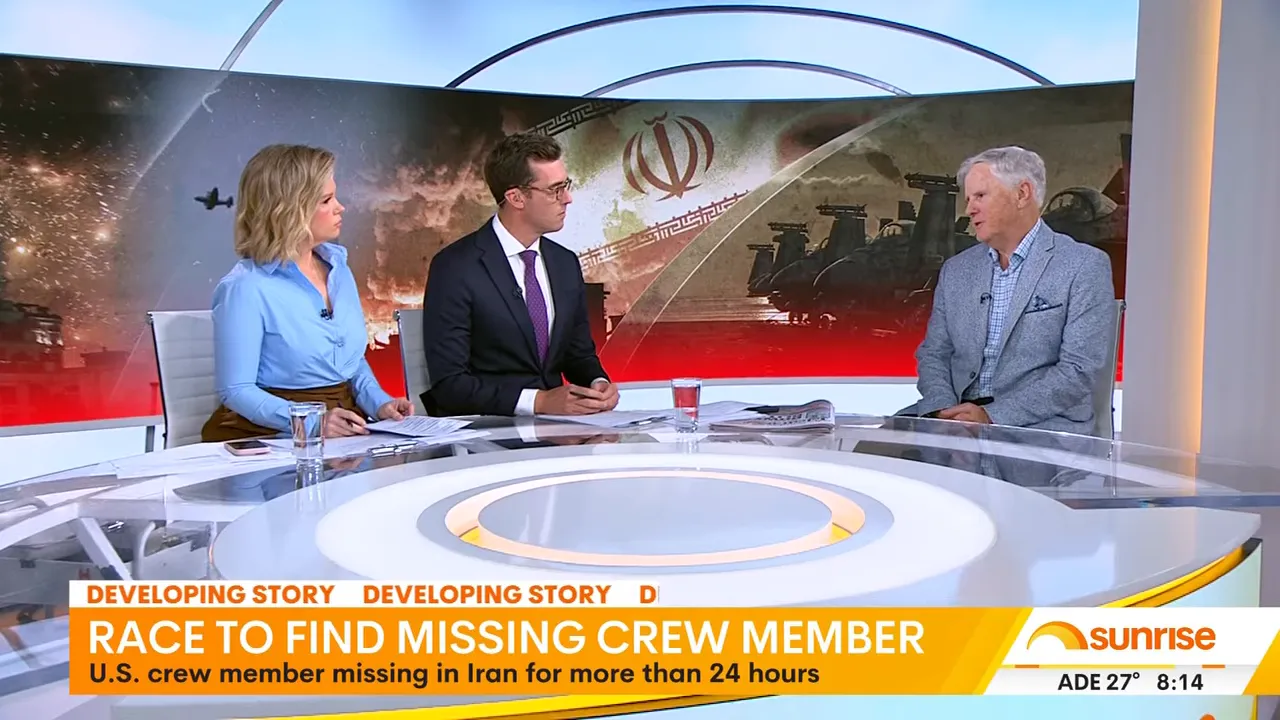
Even when the survivor is not able to speak, the rescue system is built to respond quickly. Woodward described how combat air rescue can be triggered by what happens when the seat separates from the aircraft.
In the event of an ejection, he said a “big chaff of aluminium foil” may deploy, or a beacon may go off—both of which help cue the rescue operation. A control aircraft in the air can then dispatch combat air rescue units designed to search and cover the area.
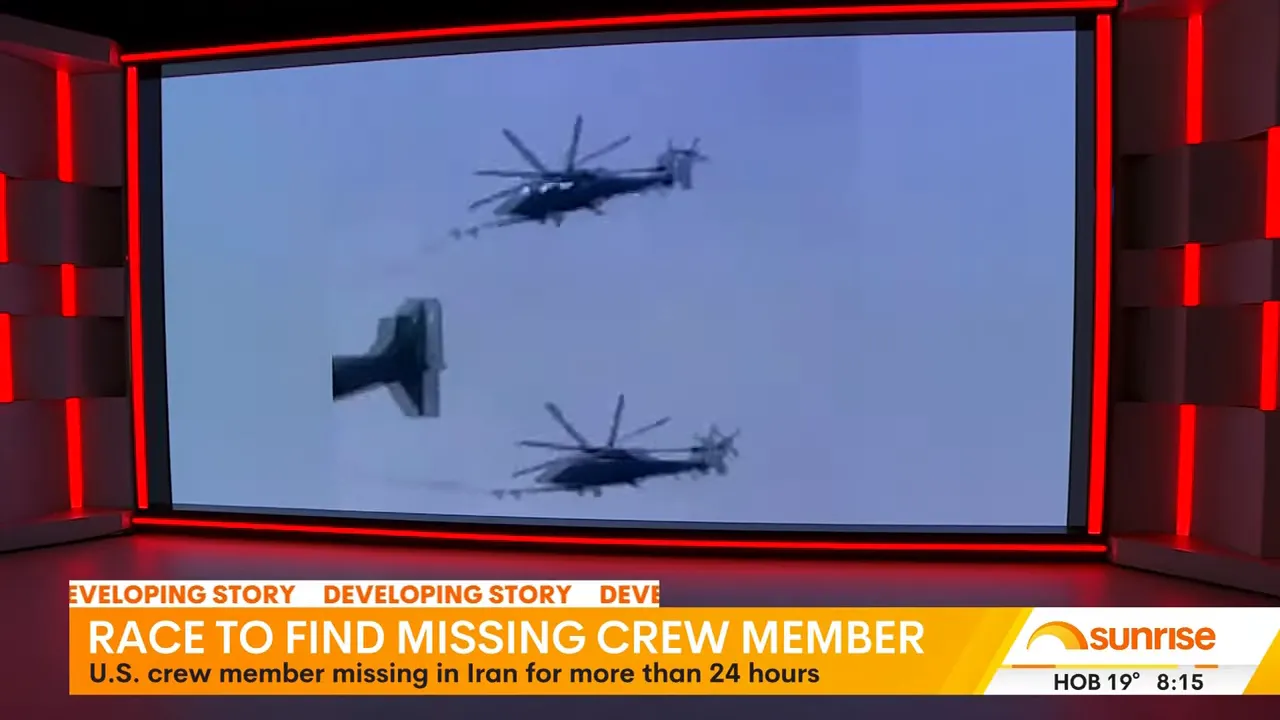
That typically involves fighters covering the search region and the possible use of ground-attack helicopters. Then, if the pilot is located—or if the area is narrowed sufficiently—a rescue helicopter with troops onboard can move in to extract the survivor.
Woodward also said that this system is capable of searching immediately, which is why the beacon signal—whether it triggers or not—can heavily influence how the search progresses.
Could the US have kept it secret? Why the world knew quickly
One question raised in the coverage is whether the US should keep the situation quiet until a recovery attempt is more certain. Woodward argued that this would be unrealistic.
He said it is widely observable when ejection occurs because the seat separation event is known to everyone watching for such incidents. In practical terms, the rescue timeline depends on being ready immediately; the key is not secrecy, but speed and coordination.
He also pointed out that combat air rescue teams are prepared to deploy quickly once an ejection is detected and understood, with control aircraft coordinating the response at pace.
24–36 hours later: hiding versus injury versus capture
As time passes—around 24 to 36 hours—the uncertainty increases. Woodward said it remains possible the survivor is dead, but it is equally plausible they may still be hiding nearby.
He stressed that hiding becomes more feasible if the survivor avoids radio use, because speaking or activating beacons could be picked up by forces in the area. If the pilot is actively avoiding detection, they might remain out of contact even though they are alive.
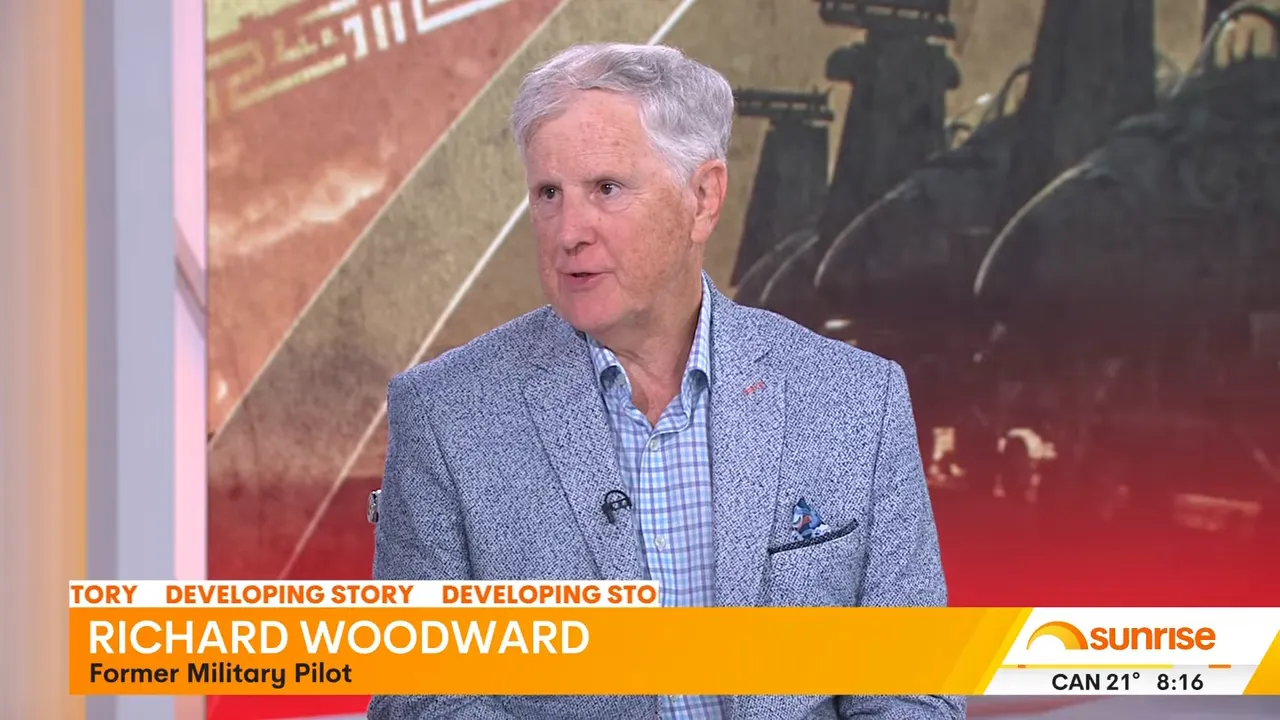
Woodward also addressed the expected outcome if capture had already occurred. If the pilot had been taken by the Iranian side, he suggested it would be likely the survivor would be used as a propaganda asset by this stage, rather than remaining unaccounted for.
Where a pilot might hide: mountainous border country and limited options
The geography of the incident region becomes central to thinking about survival chances. The coverage described the downed-aircraft area as mountainous border terrain with Iraq—an environment that is rugged, rocky, and difficult to traverse quickly.
After ejection, the seat separates and lands separately from the pilot. That means the aircrew member must deal not only with their own landing and parachute, but also with the fact that people on the ground can see a parachute descend.
Woodward explained that the survivor faces a practical problem: they have to conceal or manage the parachute and then leave the area. Since the parachute can be visible, staying near it would increase the risk of detection by searchers or hostile forces.
In a barren, rocky region, the immediate answer is usually to get behind rocks and trees, moving quickly enough to reduce exposure but carefully enough to preserve whatever survival resources remain.
Survival constraints: water is limited, and identity is visible
Even with a survival pack, resources are limited. Woodward said there is only a small amount of water carried, which makes getting help sooner rather than later a defining factor.
There is another challenge: looking the part. While modern gear can be camouflaged to blend with desert tones, he noted that the survivor is still recognisably American and cannot simply “mix in” as if they were part of the local environment.
In other words, the pilot’s uniform and equipment—despite camouflage elements—can make hiding in plain sight difficult. If search forces are “throwing absolutely everything at it”, the survivor’s window for remaining undetected may be narrowing.
What the search depends on: signals, movement, and timing
Recovery efforts hinge on several variables that interact. Beacon activation and radio communication can speed up localisation, but the same signals can also expose the survivor to monitoring forces.
If the beacon is not activating, the search may still proceed using rescue doctrine triggered by ejection events and associated cues. But it becomes more dependent on locating the person within the terrain—especially if they are avoiding contact.
At the same time, the combat air rescue approach is not only about finding a location; it’s about holding the area secure enough to attempt extraction if the survivor is located or suspected in a specific zone.
Where the pressure is coming from: political deadlines and bounties
Alongside the on-the-ground search, the situation is being shaped by heightened political pressure. The coverage referenced a US deadline for Iran and a warning that further action could follow if demands were not met.
It also noted that Iranian authorities have issued a bounty on the missing aircrew member. That detail matters in practical terms because it increases incentives for local actors to assist in locating the survivor—whether the survivor is injured, hiding, or still able to move.
For rescue teams, that means the search is happening under time pressure and in an environment where the risk profile for a survivor can change quickly.
Video-embedded context
FAQ
What does a pilot carry after ejecting from a fighter jet?
Survival gear can include a beacon-capable radio, side armour, and a pistol, along with other survival equipment designed to support hiding and communication attempts until rescue arrives.
Why might a missing pilot not use the radio or beacon?
A survivor may be injured, may be dead, or may be hiding to avoid detection. Woodward explained that commonly used frequencies and beacon signals can be heard by hostile forces.
How does combat air rescue locate an ejection when the pilot isn’t communicating?
Rescue systems can use cues from the ejection event—such as deployment of chaff or a beacon—while control aircraft coordinate dispatch of covering units and search elements.
What conditions make hiding harder for a downed pilot?
Terrain matters, but visibility matters too. Even with camouflage-style modern gear, the survivor remains identifiable, and the parachute landing can be observed, forcing the survivor to move away quickly.
How quickly does rescue typically ramp up after an ejection?
Woodward described rescue readiness as immediate, with control aircraft and rescue units prepared to respond at any second once the ejection is confirmed.
Key takeaways for understanding the search
- US serviceman missing after a jet shot down situations turn on rapid survival decisions after ejection.
- The rescue response can begin quickly using ejection-linked cues like beacons and chaff deployment.
- Survival communication involves risk—radio and beacon signals can potentially be detected by opposing forces.
- In rugged mountainous border terrain, hiding requires movement away from visible parachute landing points.
- Limited water and identifiable presence make time and detection risk central to the outcome.
The information in this article has been adapted from mainstream news sources and video reports published on official channels. Watch the full video here US serviceman missing after jet shot down over Iran | 7NEWS


