Diesel price surge alerts are back for Australian drivers, but there is also a note of stability on petrol. Next week, diesel is expected to jump to new highs, while unleaded is forecast to remain steadier as supply chains are supported through diplomacy and contingency planning.
Fuel markets are described as “so volatile” that changes are occurring hour by hour—meaning households and businesses may need to react quickly rather than assume tomorrow’s price will look like today’s.
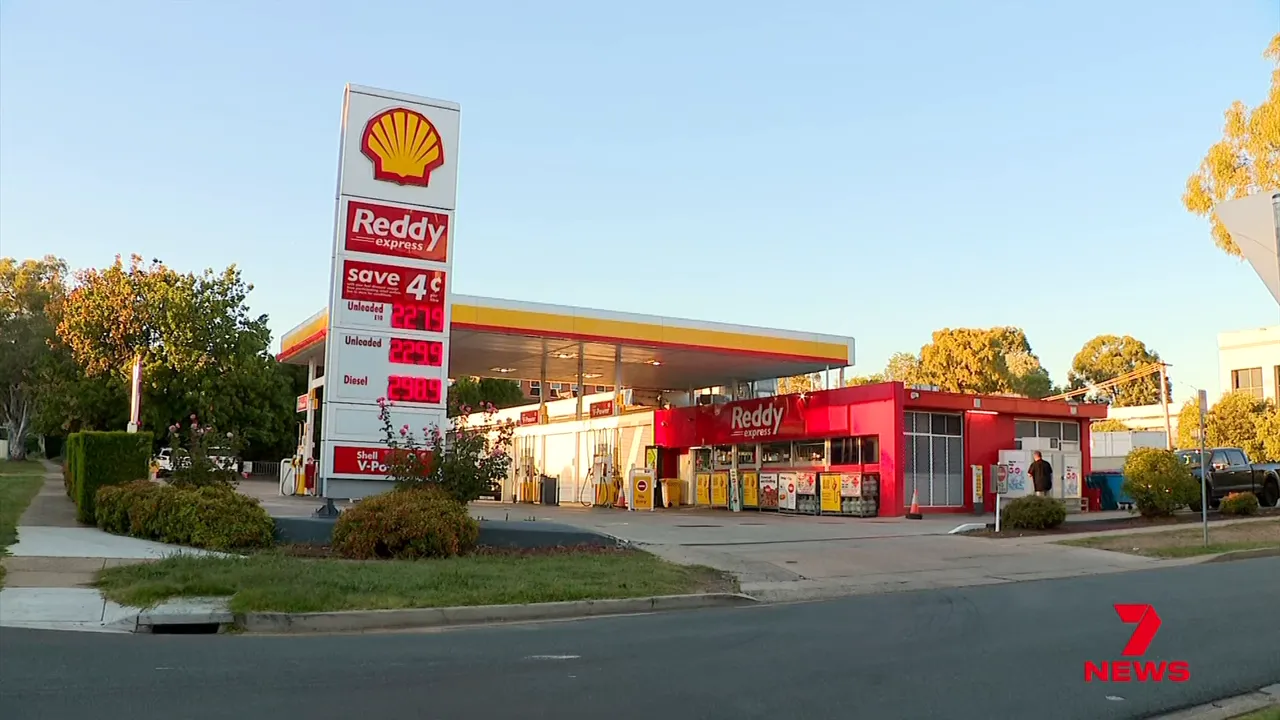
Table of Contents
- What’s changing for Australian motorists—diesel versus petrol
- Why diesel prices are expected to soar next week
- Petrol stabilisation: supply efforts and stock coverage
- Are Australians already rushing to buy fuel?
- Diversifying supply: new markets and locked-in orders
- Diesel stockpile debate: why opponents want more
- What about international partnerships—Japan in the spotlight
- Key takeaways for households and businesses
- FAQ
What’s changing for Australian motorists—diesel versus petrol
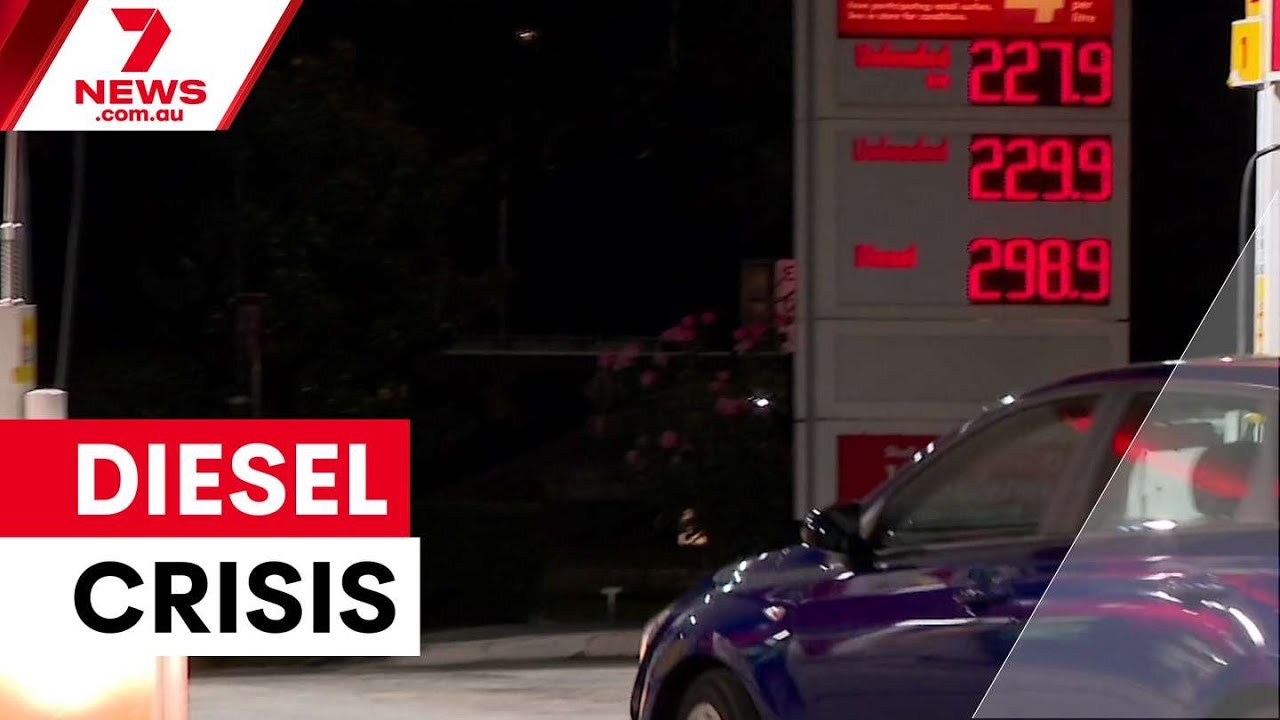
According to the report, unleaded is averaging around $2.28 per litre tonight, while diesel sits at about $3.08 per litre. The key distinction is timing: diesel is set to rise next week, whereas petrol is expected to stabilise.
That split matters for different vehicle types. Diesel has the more immediate risk of a sharper cost increase, particularly for commuters who drive diesel cars and for fleets that run on diesel throughout the week.
Why diesel prices are expected to soar next week
The pressure on diesel is linked to international developments. Escalation in Iran and Donald Trump’s commentary have pushed global benchmark diesel prices sharply higher.
In the reported snapshot, the international benchmark rose by $46 a barrel overnight—a volatility jump that is expected to flow through to Australian consumers next week. With global pricing moving quickly, local pump prices can follow with a lag, especially when supply is already tight.
Petrol stabilisation: supply efforts and stock coverage
While diesel faces the steepest lift, petrol is holding up. The report notes that petrol prices remain stable despite strong demand signals, including Viva Energy reporting around a 30% increase in sales compared with last Easter.
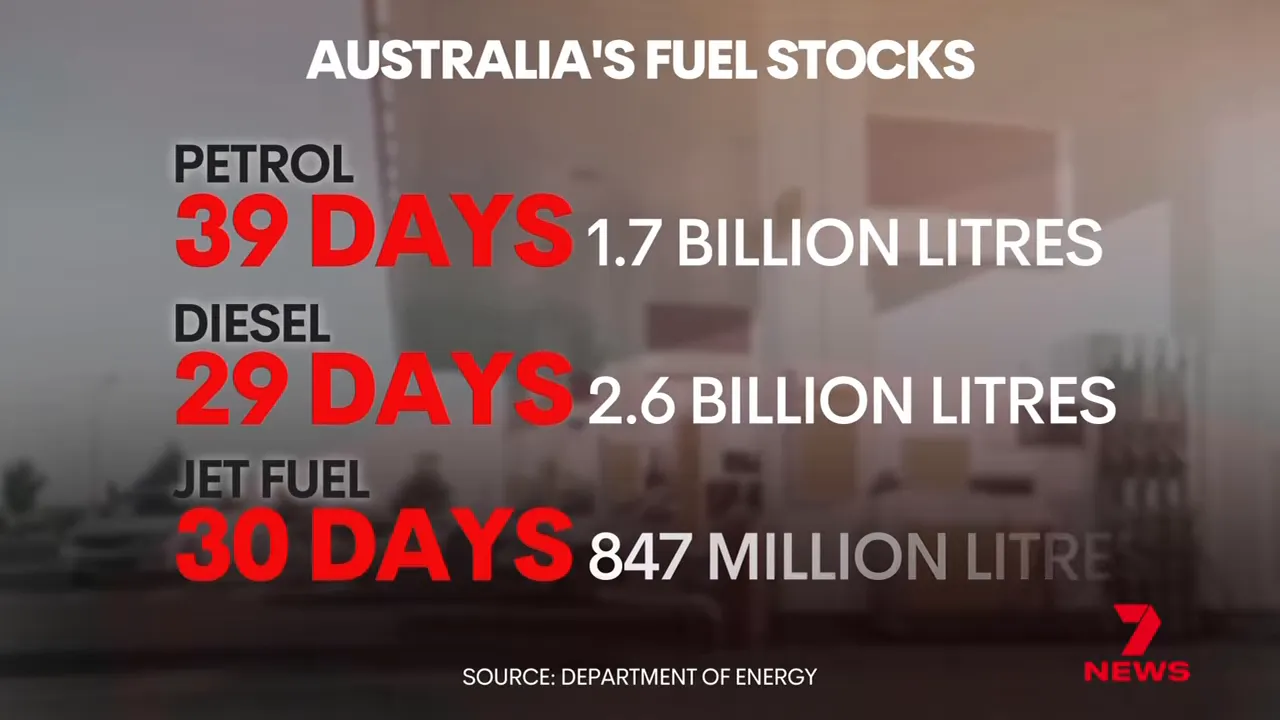
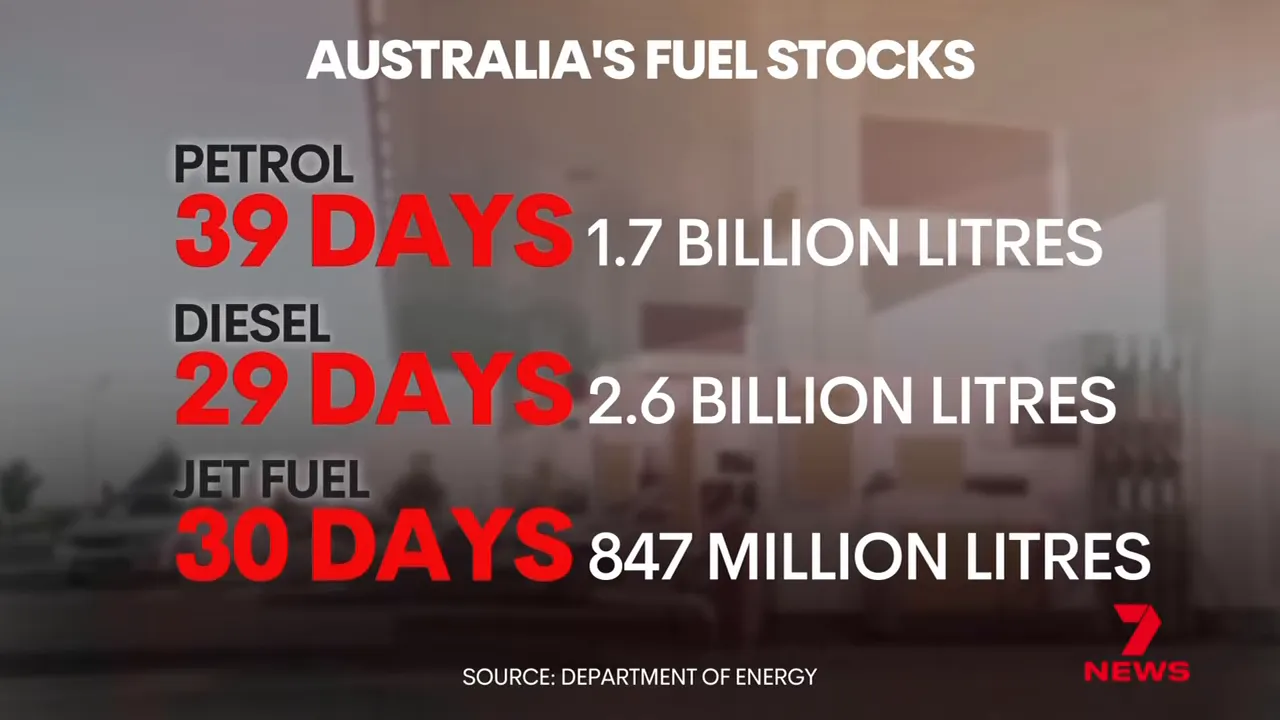
On top of that, the country’s on-hand coverage looks comparatively healthy. Australia is described as having about 39 days of petrol and 29 days of diesel (down one week on week), alongside roughly 30 days of jet fuel.
Those figures help explain why unleaded can stabilise even as diesel moves toward higher pricing. The headline takeaway: Australia’s petrol position is stronger right now, but diesel levels are being watched closely.
Are Australians already rushing to buy fuel?
When supplies feel uncertain, panic buying can appear—empty bowsers, shorter queues, and service stations running dry. The report suggests that behaviour may be easing.
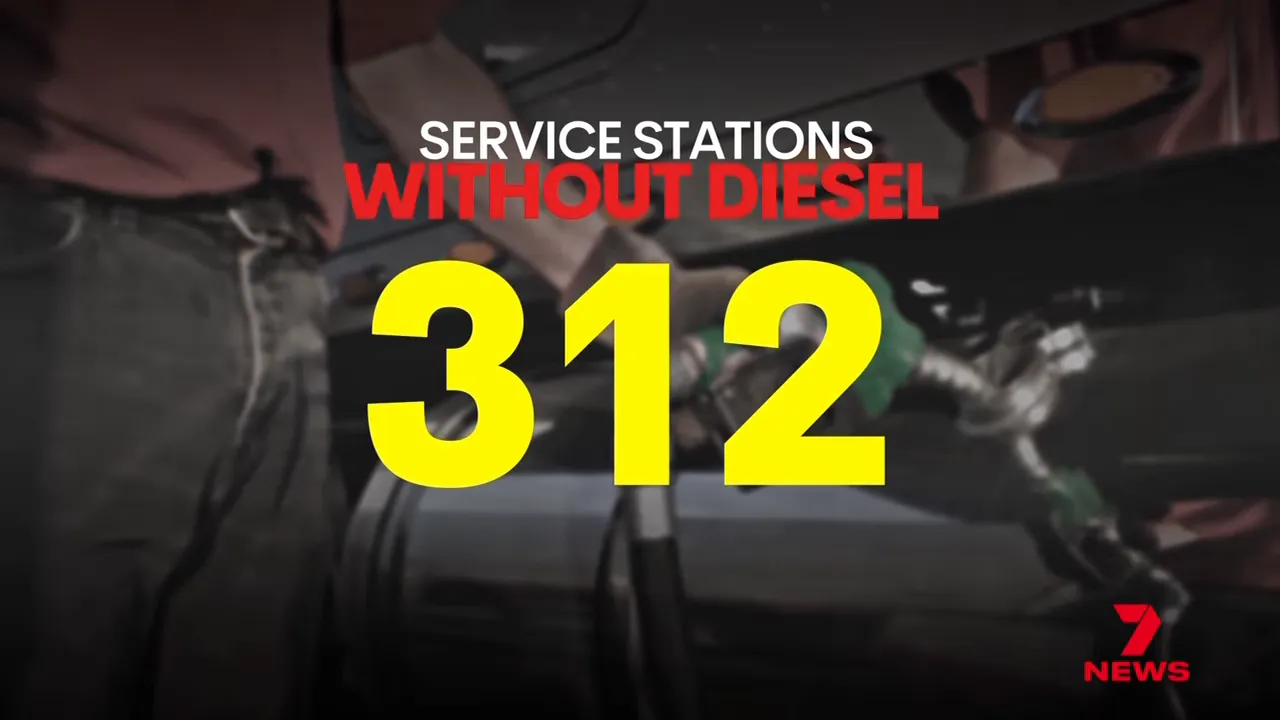
The number of service stations without diesel fell from 410 yesterday to 312 today. That drop is presented as a sign that “panic buying is easing”, which can reduce the risk of further disruptions.
Diversifying supply: new markets and locked-in orders
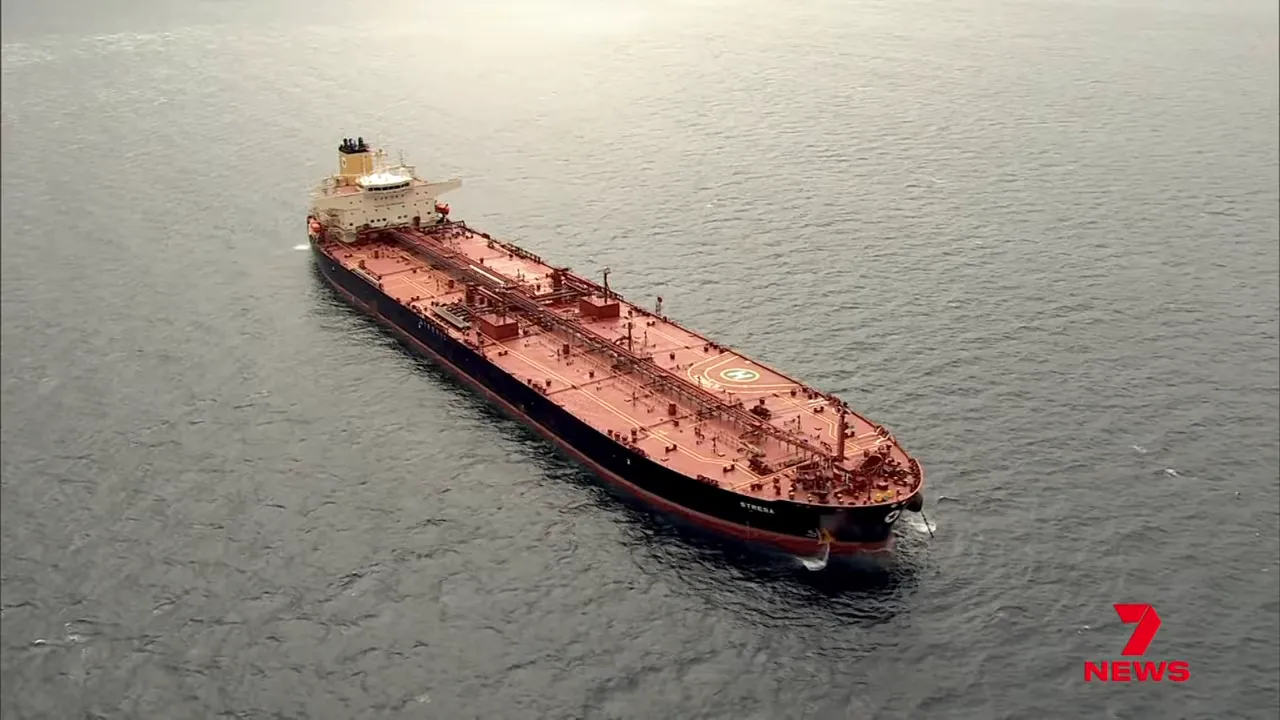
One of the practical responses outlined is sourcing fuel from new markets. Oil companies are reportedly taking orders from additional supply regions, including the United States and Mexico.
The report frames these orders as “locked in”, which is important because it reduces the chance of sudden shortages. Diversifying supply can also help protect against shocks when one region is hit harder than others.
Diesel stockpile debate: why opponents want more
The political takeaway is that diesel readiness is the most sensitive part of the fuel story. The opposition argues diesel stockpiles need to be doubled, describing it as “the area of great concern”.
The underlying question is straightforward: if diesel demand remains steady while global prices surge, where will the additional diesel come from? With reported days-of-stock for diesel slightly lower than a week ago, that concern is more than theoretical.
What about international partnerships—Japan in the spotlight
Beyond immediate market purchasing, diplomacy may also play a role in long-term supply assurance. The report mentions planning for a visit by Japan’s Prime Minister to Australia that is “yet to be locked in”, with fuel and supply chains reportedly on the agenda.
Japan is described as a “very important partner and friend”, and discussions of logistics and fuel security can matter when global conditions become unstable.
Key takeaways for households and businesses
- Diesel price surge: Diesel is expected to rise to new highs next week as global benchmark prices jumped.
- Petrol stability: Unleaded is expected to remain steadier for now, supported by supply positioning.
- Watch the days-of-stock: Petrol coverage is stronger than diesel coverage, which is why diesel is the main concern.
- Panic buying may be easing: Fewer stations reported as out of diesel suggests demand is settling.
- Diversified sourcing helps: Orders from new markets such as the United States and Mexico may reduce disruption risk.
FAQ
Will diesel or petrol rise first in Australia?
Diesel is expected to rise next week, while petrol is expected to stabilise.
What caused the diesel benchmark price to jump?
The report links the jump to escalation in Iran and Donald Trump’s commentary, pushing the international benchmark price higher overnight.
How volatile are fuel prices right now?
The report describes the market as highly volatile, with changes occurring “by the hour”.
Are fuel supplies in Australia currently strong?
The report says Australia has about 39 days of petrol, 29 days of diesel, and 30 days of jet fuel—petrol is comparatively stronger, while diesel is under more scrutiny.
What can drivers do if prices feel unpredictable?
The report advises motorists to avoid buying more than needed and to stay mindful as supply conditions shift.
Why are diesel stockpiles a political issue?
Opposition voices argue diesel stockpiles should be doubled, focusing on the key question of where additional diesel would come from if prices and demand rise together.
The information in this article has been adapted from mainstream news sources and video reports published on official channels. Watch the full video here Diesel prices set to soar as petrol stabilises | 7NEWS


