Table of Contents
Emergency response at a Derrimut meat-processing facility
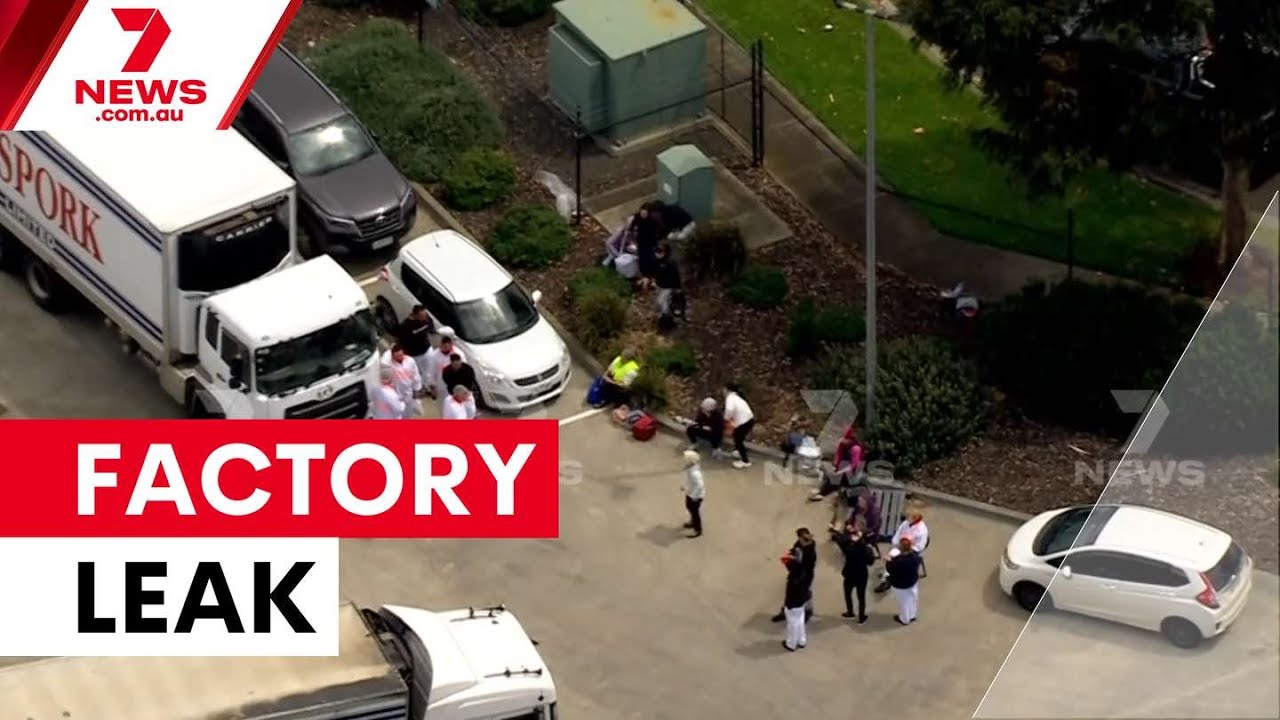
Carbon monoxide leak hospitalises 21 workers after an alarm triggered an evacuation at a factory in Melbourne’s west. Emergency services treated dozens of staff on site and transported 21 people to hospital; all are reported to be in a stable condition.
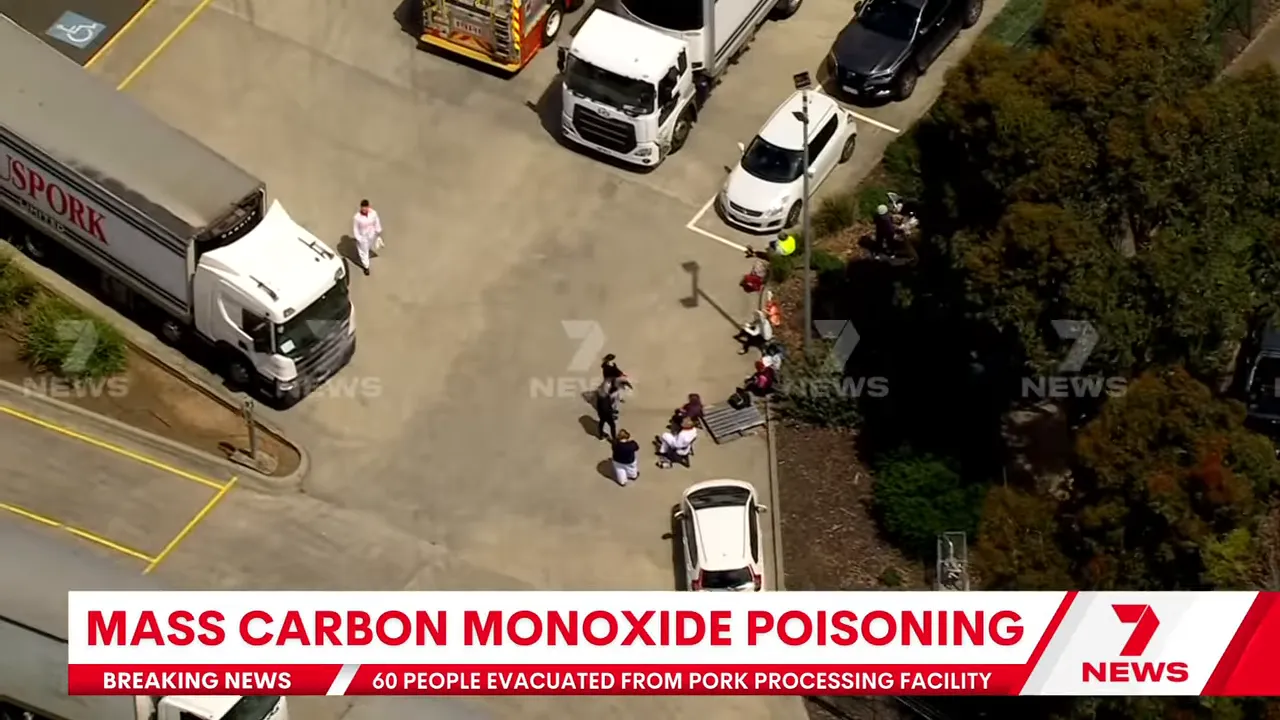
Shortly after 12:45pm, an internal alarm signalled elevated carbon monoxide levels at the Aus‑Pork Limited facility in Derrimut. Fire Rescue Victoria arrived on scene and found about 60 workers gathered outside the building. Paramedics and FRV officers moved quickly to assess and treat symptoms reported by staff.
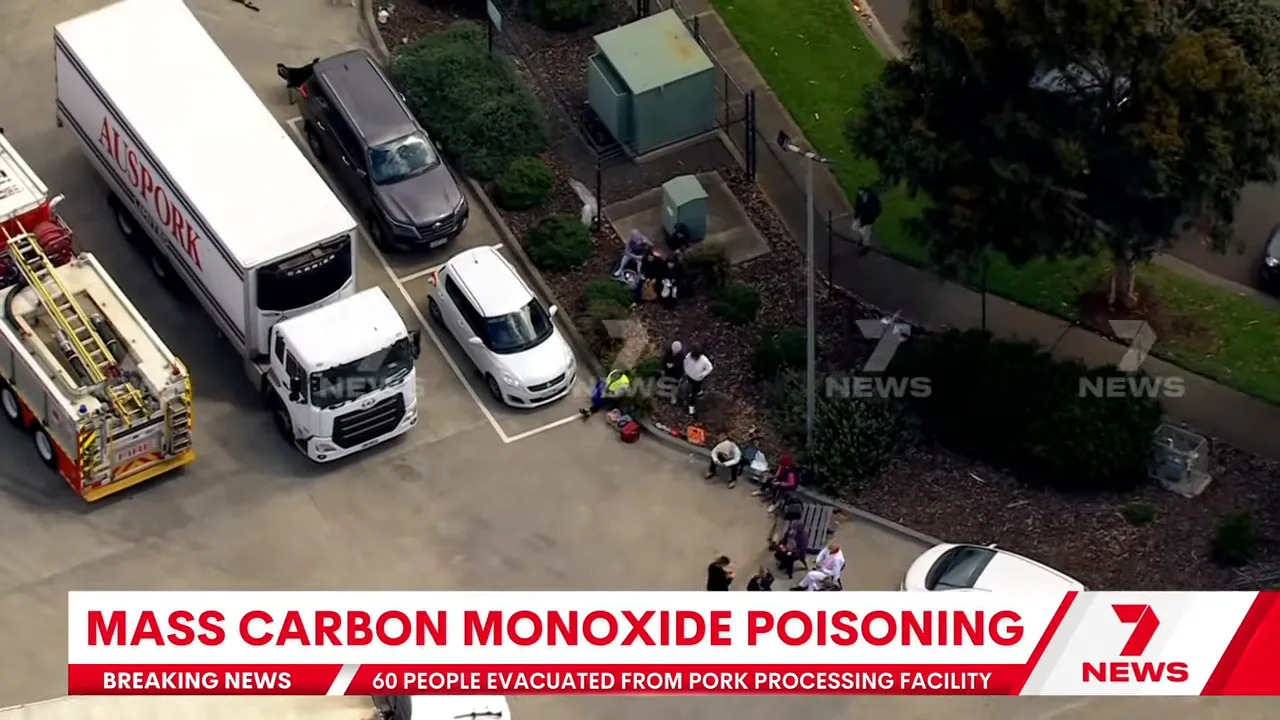
Many people on site received oxygen therapy from rescuers when they complained of dizziness, light‑headedness and vomiting. Ambulance Victoria then transported 21 workers to four nearby hospitals for further assessment and care. Officials later confirmed the patients were in a stable condition.
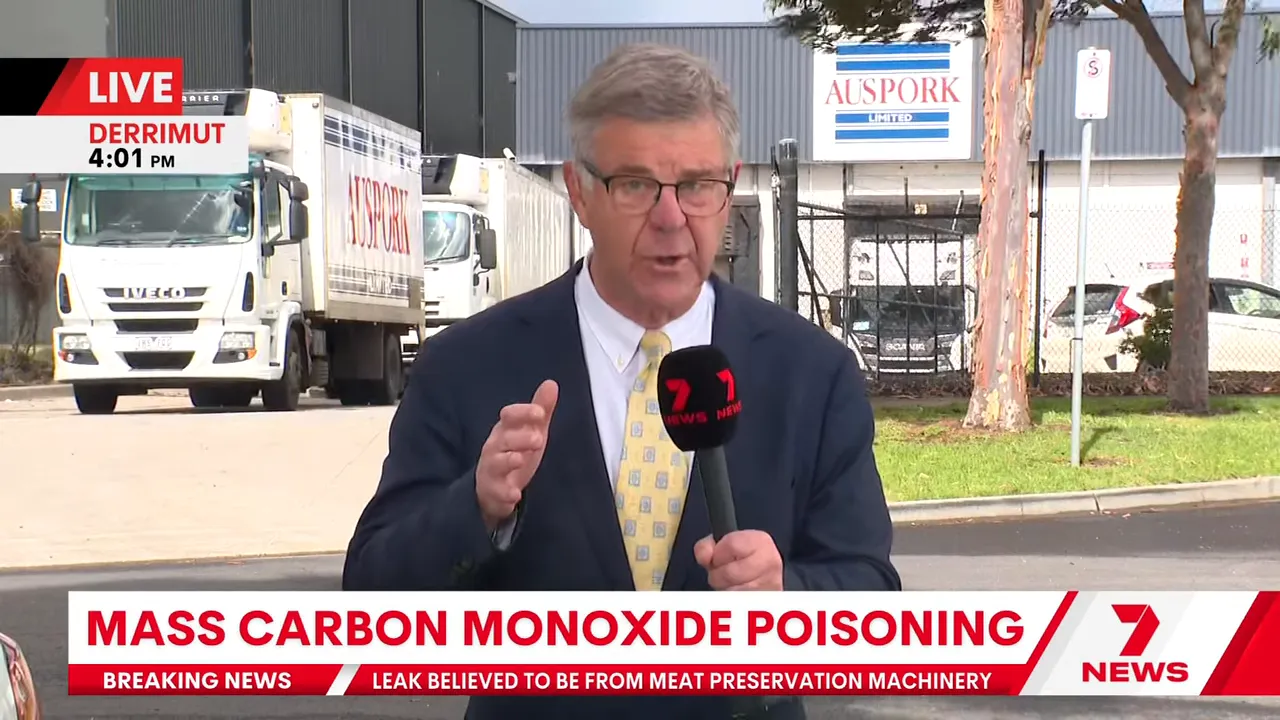
Fire Rescue Victoria conducted air quality testing inside the plant and detected what it described as dangerous levels of carbon monoxide. Crews ventilated affected areas until gas concentrations fell to safe levels, before declaring the site secure and returning control to the facility’s owners.
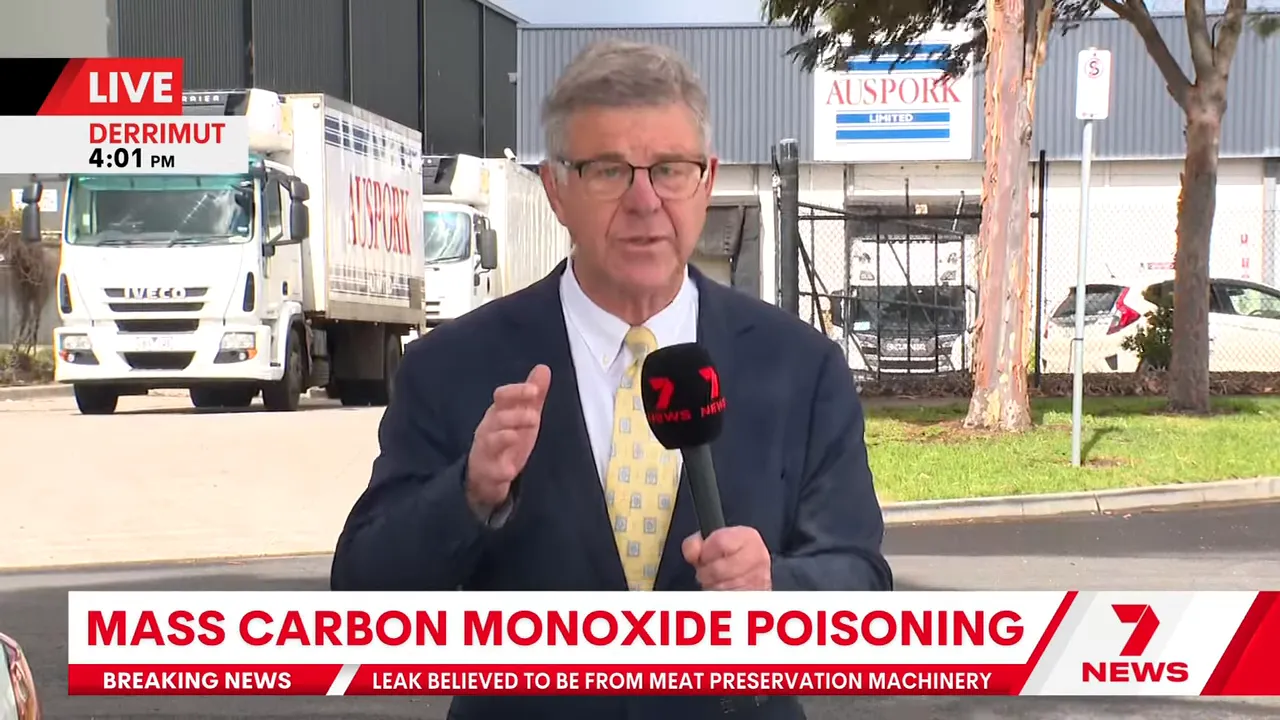
Investigations so far point to a meat preservation unit as the likely source of the leak. Authorities said they would continue inquiries and Ambulance Victoria planned a media briefing to provide further details about patient conditions and the incident response.
What carbon monoxide exposure looks like and why workplaces must act
Carbon monoxide is an odourless, colourless gas that can cause headaches, nausea, dizziness and, at high levels, loss of consciousness. In industrial settings—especially where fuel‑burning equipment or preservation units are used—regular maintenance and gas detection systems are essential to protect staff.
- Detection: Install and maintain carbon monoxide detectors in line with workplace safety standards.
- Emergency plans: Ensure clear evacuation procedures and regular drills for staff.
- Training: Educate workers to recognise early symptoms and report alarms immediately.
- Maintenance: Service refrigeration and fuel‑burning equipment regularly to prevent leaks.
Response timeline
Within minutes of the alarm, emergency services were on site. On‑scene treatment included oxygen therapy for symptomatic workers followed by hospital transfers for more serious cases. FRV’s testing and ventilation measures removed the immediate hazard and allowed the site to be declared safe later that afternoon.
Key takeaways
- Rapid detection and prompt evacuation limited the scale of harm in this incident.
- Having functioning detectors and trained staff can substantially reduce risk from invisible gases like carbon monoxide.
- Even when many people are exposed, quick clinical assessment and oxygen therapy can stabilise patients before hospital transfer.
FAQs
How many people were affected and what were their conditions?
Sixty workers were evacuated from the Derrimut factory; 21 were taken to four nearby hospitals after receiving on‑site oxygen therapy. Officials reported the hospitalised workers were in a stable condition.
What caused the carbon monoxide leak?
Preliminary investigations indicate the leak came from a meat preservation unit, though authorities will continue inquiries to confirm the exact cause.
How did emergency services respond?
Fire Rescue Victoria and Ambulance Victoria attended the scene, administered oxygen to symptomatic workers, tested air quality, ventilated the building, and declared the area safe once levels returned to acceptable limits.
What should employers do to prevent similar incidents?
Employers should install and maintain carbon monoxide detectors, conduct routine equipment servicing, provide staff training on recognising CO symptoms, and maintain clear emergency evacuation plans and drills.
The information in this article has been adapted from mainstream news sources and video reports published on official channels. Watch the full video here Carbon monoxide leak hospitalises 21 workers | 7NEWS


