
Table of Contents
- Defence reform, AUKUS and political discipline set the scene for a volatile 2026
- From party insider to reform minister
- Why defence procurement is changing now
- AUKUS: the long, expensive bet
- Shipbuilding, workforce and industry risks
- Drones, counter‑drone tech and the changing face of warfare
- Allies, sovereignty and being “close but honest”
- Pacific priorities and inventive recruitment
- Politics: why 94 seats isn’t a guarantee
- What to watch in 2026
- How will the defence delivery agency change procurement?
- Final thought
Defence reform, AUKUS and political discipline set the scene for a volatile 2026
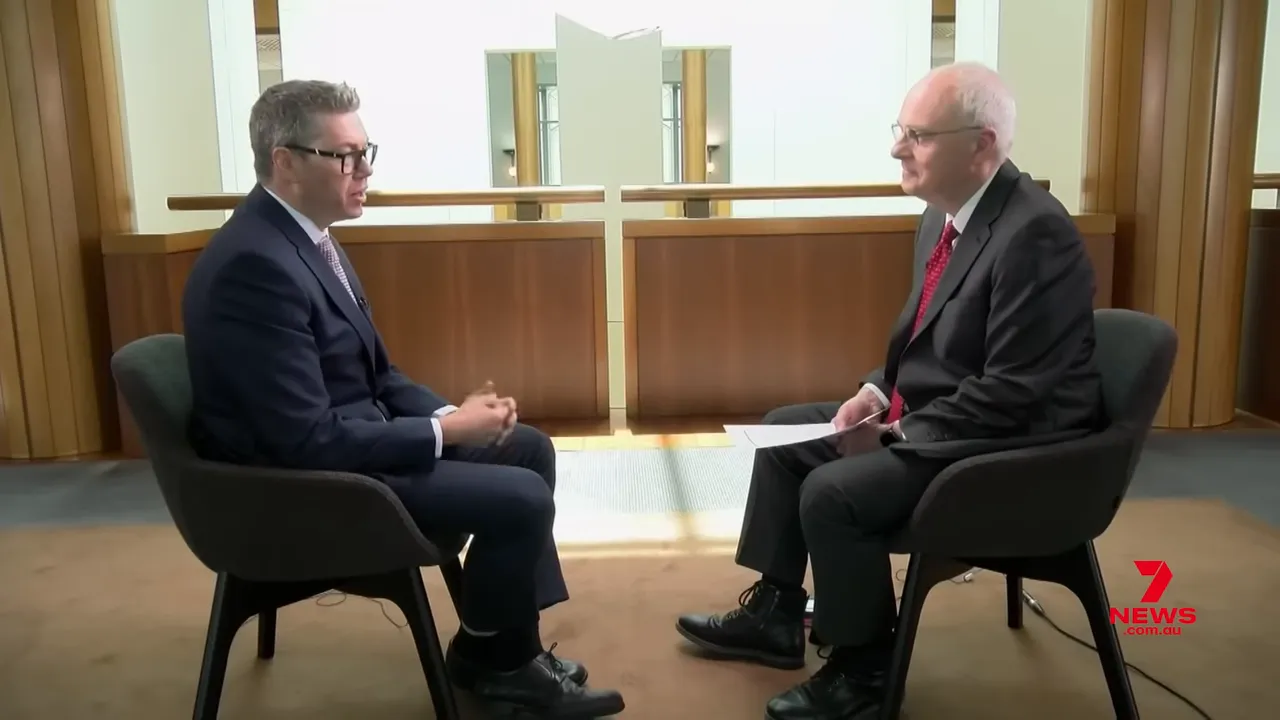
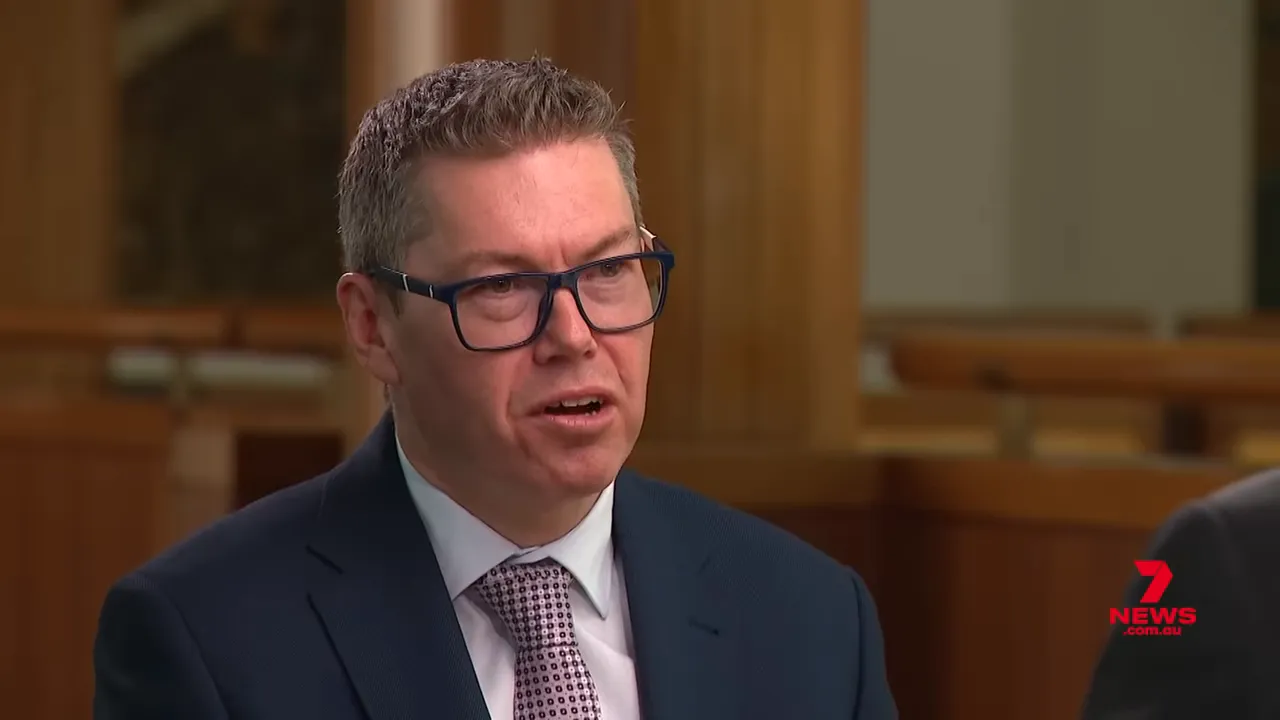
Labor’s 94‑seat majority sits at the heart of national conversation as 2026 begins. In an interview with Defence Industry and Pacific Affairs Minister Pat Conroy, key themes emerged: sweeping defence reforms, the enormous complexity of AUKUS, a push to revitalise Australian shipbuilding and missile capability, and the political risks that come with complacency. These issues aren't just policy lines — they will shape whether that 94‑seat buffer holds or slips away.
From party insider to reform minister
Pat Conroy’s path — an early joiner of the Labour Party and long‑time political staffer turned Cabinet minister — colours his approach. He speaks like someone who values institutional memory and steady delivery, arguing that longevity in office matters when driving complex reforms. That perspective underpins the government’s current push to make defence procurement faster and more accountable.
Why defence procurement is changing now
The Albanese government has announced the creation of a defence delivery agency to take the heavy lifting of major purchases out of the Department of Defence and give it a dedicated budget and reporting lines. Conroy describes the move as the most significant organisational shift in defence in half a century.

His case is practical: defence projects are enormous and technically demanding, and mistakes cost billions. A delivery agency focused solely on getting complex equipment to the Australian Defence Force (ADF) on time and on budget is designed to reduce waste, accelerate timelines and improve value for taxpayers.
AUKUS: the long, expensive bet
AUKUS sits at the top of the risk list. The program — forecast to cost hundreds of billions over decades — aims to put nuclear‑powered submarines and advanced capability into Australian yards and naval fleets. Conroy is confident it will be viewed as necessary in 20 years, arguing the program provides deterrence and helps avoid conflict by strengthening maritime capability.
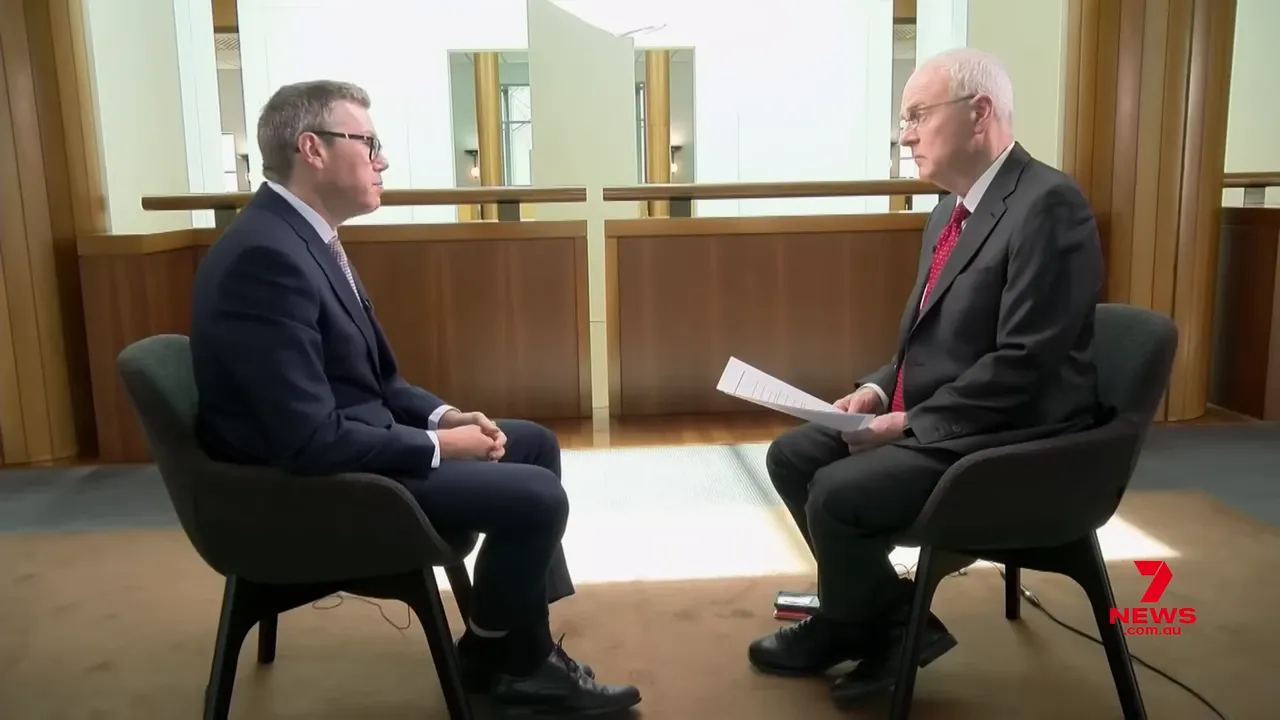
Yet he also warns that the plan’s success depends on partners keeping pace — particularly US shipbuilding capacity — and on the steady delivery of milestones such as submarine maintenance and training of Australian nuclear‑qualified submariners.
Shipbuilding, workforce and industry risks
Beyond submarines, establishing continuous naval shipbuilding in Western Australia and South Australia is a priority. The aim is to avoid boom‑and‑bust runs that hollow out skilled workforces. Conroy highlights the real competition for labour — mining firms offering six‑figure sign‑on bonuses can lure workers from shipyards — and stresses training and retention as immediate challenges.
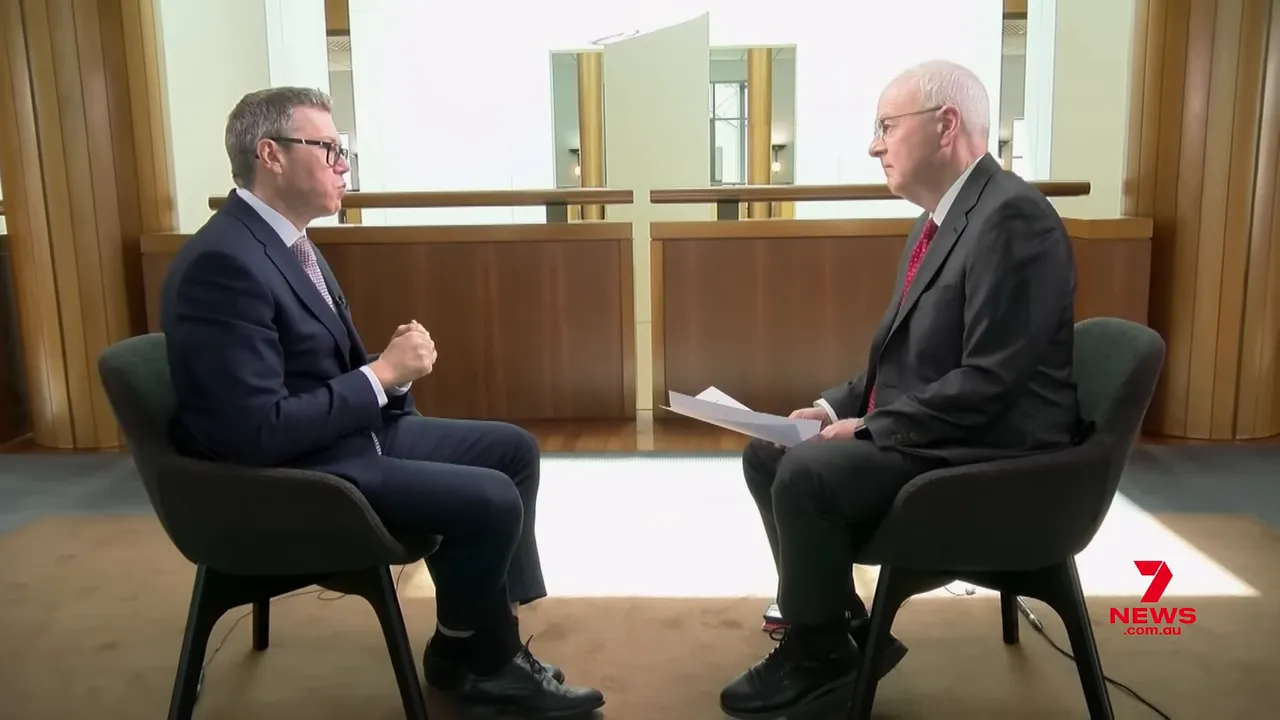
Similarly, building an Australian missile industry and maturing sovereign sustainment for complex systems will require steady funding, skilled trades and patience.
Drones, counter‑drone tech and the changing face of warfare
Conroy frames drones as a defining feature of modern conflict. The Ukraine war, he says, demonstrates the lethality and operational advantage of autonomous systems. Australia is investing heavily: billions for autonomous systems and over a billion specifically for counter‑drone capability.
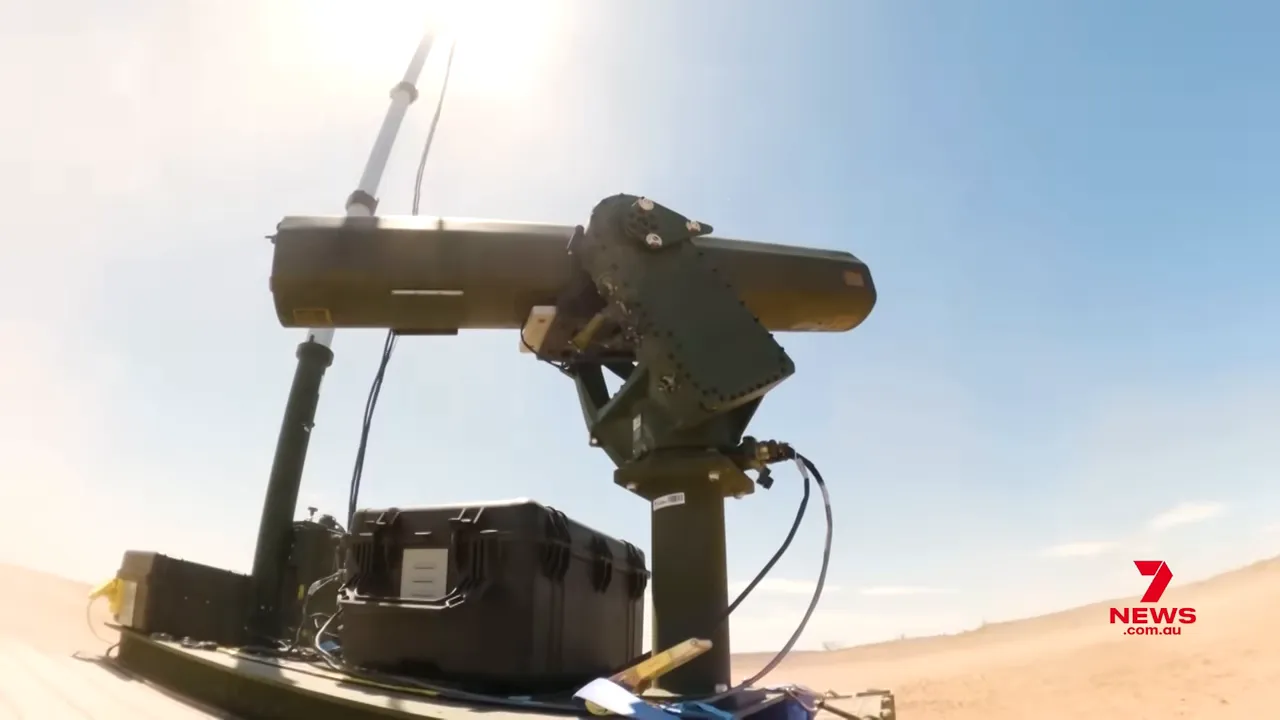
That dual focus — on acquiring offensive autonomous systems and robust countermeasures — signals a shift to layered, technology‑driven defence where speed of acquisition matters as much as capability.
Allies, sovereignty and being “close but honest”
Australia remains deeply partnered with the United States for equipment and training, but Conroy insists on preserving sovereign decision‑making. Close alliances allow for frank conversations about capability and strategy, he argues, and Australia must retain the freedom to commit forces independently.
Pacific priorities and inventive recruitment
The Pacific is central to Australia’s security outlook. Since the shock of the Solomon Islands security pact in 2022, Canberra has ramped up regional diplomacy and treaty work. A recently announced pathway to recruit Papua New Guineans into the ADF exemplifies a pragmatic approach to workforce shortfalls and regional partnership.

Conroy says recruitment from Pacific neighbours will be part of a broader effort to expand ADF numbers while improving retention domestically.
Politics: why 94 seats isn’t a guarantee
On politics, Conroy offers a blunt political lesson: large majorities can vanish if a government loses sight of everyday concerns. “Otherwise that 94 seats will evaporate very quickly,” he warns.
Otherwise that 94 seats will evaporate very quickly.
He points to voters caring most about cost of living, healthcare and national security — not culture wars. Labour’s standing, he stresses, depends on demonstrable delivery rather than comfort with past success. The opposition’s internal divisions may help in the short term, but the real test is sustained policy implementation and discipline.

What to watch in 2026
- Progress and governance of the defence delivery agency and whether it reduces cost and delay.
- AUKUS milestones: training outputs, maintenance operations and tangible submarine deliveries.
- Shipbuilding workforce numbers and whether industry can resist mining‑sector pull.
- Rollout of autonomous systems and counter‑drone technologies into frontline units.
- Political focus on voters’ daily concerns — cost of living and healthcare delivery — and whether Labor sustains discipline.
How will the defence delivery agency change procurement?
The agency will separate large project delivery from the broader Department of Defence, give that work its own budget and reporting lines, and focus staff on delivering complex capability on time and on budget. The goal is faster acquisitions, better value and clearer accountability.
Is AUKUS likely to deliver submarines to Australia by the early 2030s?
Minister Conroy says milestones are being met — including overseas maintenance and nuclear training for Australian submariners — but acknowledges US shipbuilding capacity is a constraint. Progress depends on continued partner commitment and industrial momentum.
Will recruiting from Pacific nations solve ADF shortages?
Recruiting from Pacific neighbours like PNG is part of a broader approach. It complements improved domestic retention and targeted domestic recruitment, but is not a sole solution to workforce shortfalls.
Could Labour’s majority really evaporate?
Yes. A large majority is not a permanent guarantee. Conroy warns that without constant delivery on core voter concerns — cost of living, healthcare and security — seats can be lost quickly. Political discipline and tangible outcomes are essential.
Final thought
2026 will be a year where technical defence decisions and political discipline intersect. The scale of investment in AUKUS, shipbuilding and autonomous systems is vast, and so too are the political risks if expectations aren’t met. For now, the government’s strategy is clear: deliver capability, shore up industry and stay relentlessly focused on voters’ everyday priorities.
The information in this article has been adapted from mainstream news sources and video reports published on official channels. Watch the full video here How Labor’s 94-seat majority could “evaporate very quickly” | THE ISSUE


