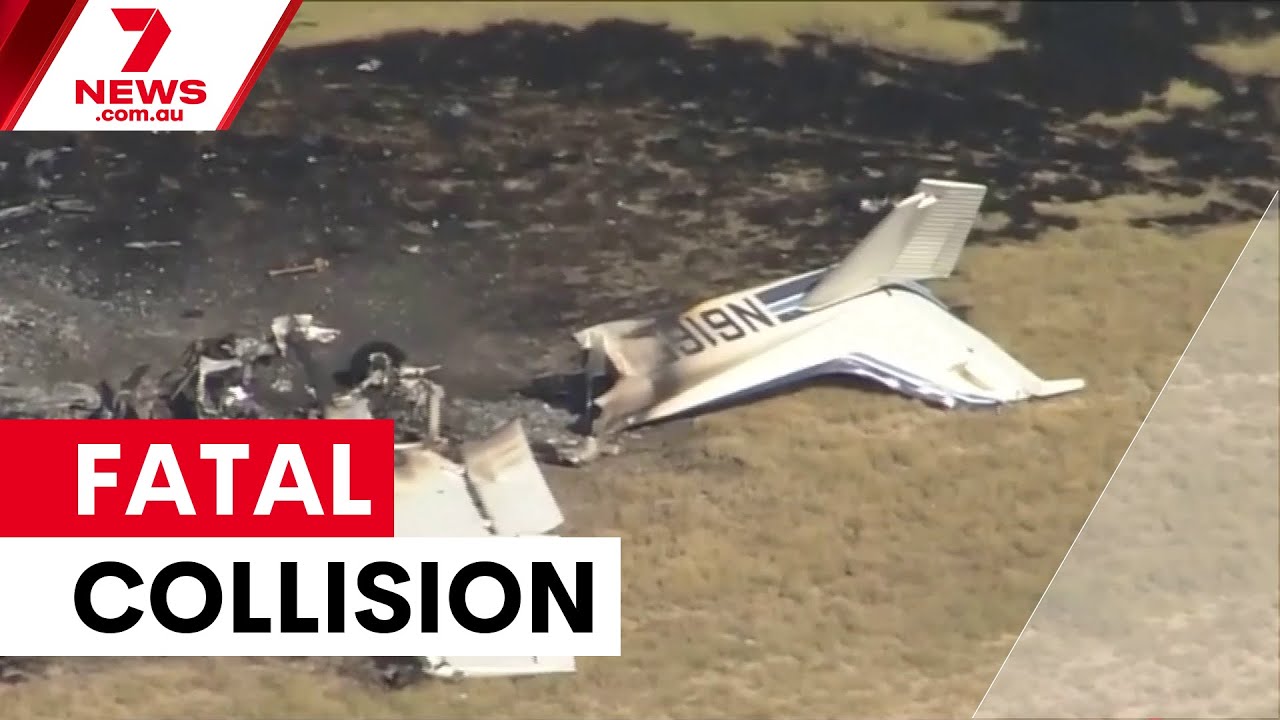
This report, produced by 7NEWS Australia, summarises a tragic aviation incident in the United States where two small aircraft collided while attempting to land. The collision tore both fuselages apart and resulted in one fatality and one person being taken to hospital for treatment.
Table of Contents
- What happened
- Location and timing
- Casualties and emergency response
- Investigation and aviation safety context
- What we know and what remains unknown
- FAQ
- Conclusion
What happened
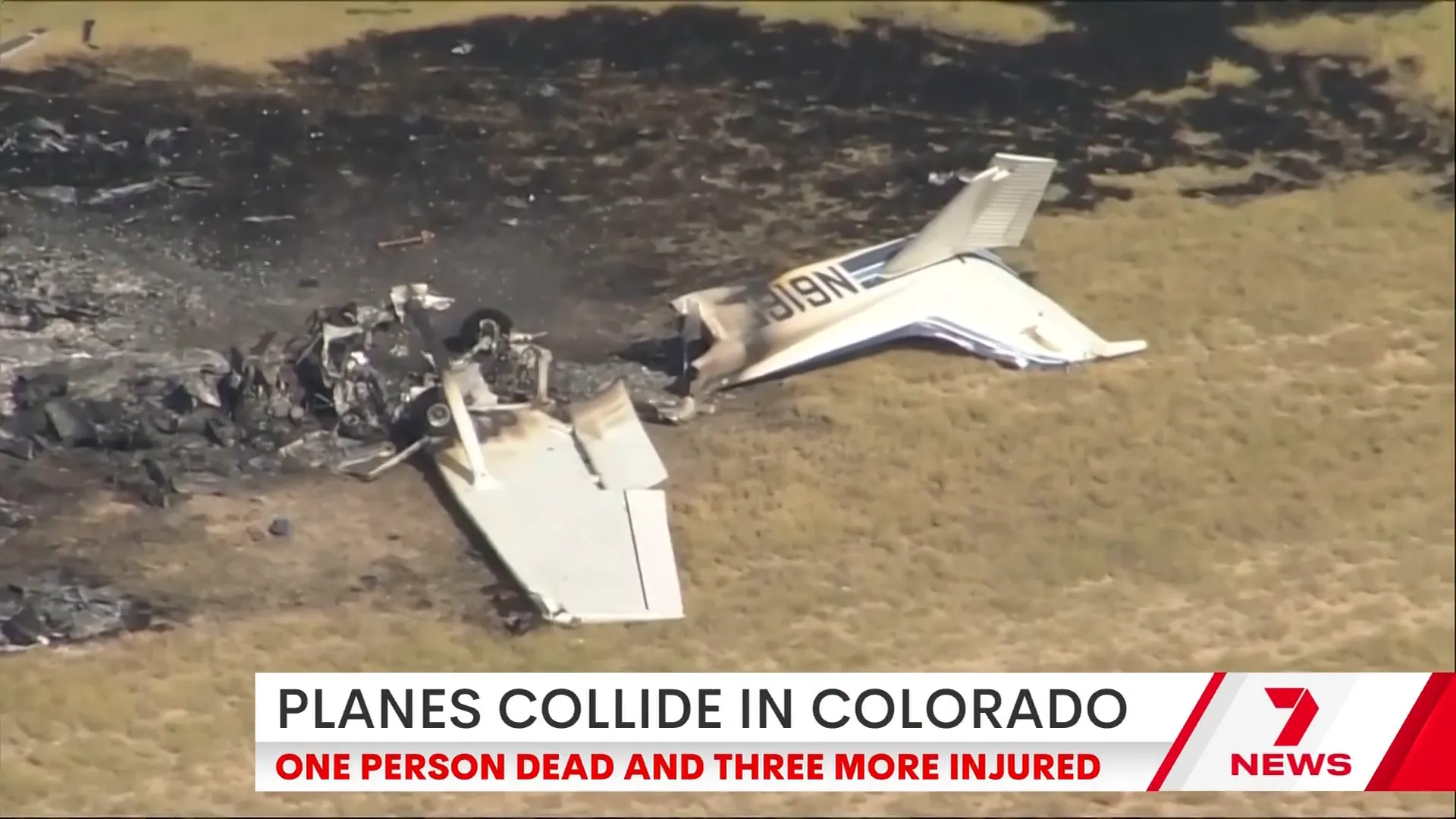
Two light aircraft were on approach to an airport in Colorado when they struck each other during landing. Eyewitness accounts and initial reports describe a violent impact that ripped the fuselages apart on contact.
"Two small planes collided mid air while attempting to land in the US this morning claiming the life of one man."
The collision occurred as both aircraft were manoeuvring to land, a phase of flight where traffic, positioning and communication are particularly critical. According to on-scene reporting, the impact was severe enough to visibly damage both aircraft bodies.
Location and timing
The incident took place at an airport in Colorado. Local emergency services responded promptly to the scene. Exact timing and identifying details about the aircraft and pilots have not been confirmed in the initial reports released to the media.
Casualties and emergency response
One person was pronounced dead at the scene. Another individual was treated by emergency services and transported to hospital for further care.
"One person was pronounced dead at the scene and another was taken to hospital for treatment."
Local authorities secured the area and emergency crews attended to survivors and debris. Families and witnesses were notified as part of the response protocol.
Investigation and aviation safety context
Investigations into mid-air collisions typically involve multiple agencies. In the United States, the National Transportation Safety Board (NTSB) and the Federal Aviation Administration (FAA) are usually responsible for determining probable cause, examining flight paths, communications, pilot records and aircraft maintenance history.
Investigators will analyse air traffic control audio (if available), radar tracks, witness statements and wreckage distribution to reconstruct the sequence of events. The goal is not only to determine what happened but also to identify measures that could prevent similar tragedies in the future.
Common factors examined after collisions
- Aircraft separation and sequencing while on approach
- Pilot communication with air traffic control and other aircraft
- Visibility, weather conditions and possible mechanical failures
- Compliance with established landing procedures and traffic advisories
What we know and what remains unknown
Confirmed facts from initial reporting:
- Two small planes collided while attempting to land in Colorado.
- The impact tore apart both fuselages.
- One person died at the scene; another was hospitalised.
Information still pending from authorities:
- Identities of the pilots and any passengers.
- Exact time and precise location/airport name.
- Official findings on cause and contributing factors.
FAQ
Who is investigating the collision?
Federal and local aviation authorities are expected to lead the investigation. In the US, the NTSB typically conducts the technical investigation with support from the FAA and local law enforcement.
How common are mid-air collisions?
Mid-air collisions are rare compared with other types of aviation accidents, but they remain among the most serious due to the limited time crews have to react during close-quarters flight. They most often occur in busy terminal areas or uncontrolled airspace where communication or situational awareness breaks down.
Will there be a public report?
Yes. After a full investigation, the NTSB (or equivalent agency) usually publishes an accident report outlining findings and safety recommendations. That process can take months or longer depending on the complexity of the case.
What immediate actions do authorities take after such an accident?
Emergency medical response, scene preservation for investigators, notification of next of kin, and initial data collection (records, radar, communications, wreckage) are standard immediate actions.
Conclusion
This collision in Colorado is a stark reminder of how dangerous the landing and approach phases of flight can be when aircraft operate in close proximity. As investigations proceed, authorities will work to clarify the causes and recommend safety improvements. Our thoughts are with those affected by this tragic event.
For ongoing updates, follow releases from local authorities and official aviation investigators. This report was produced by 7NEWS Australia.


