Table of Contents
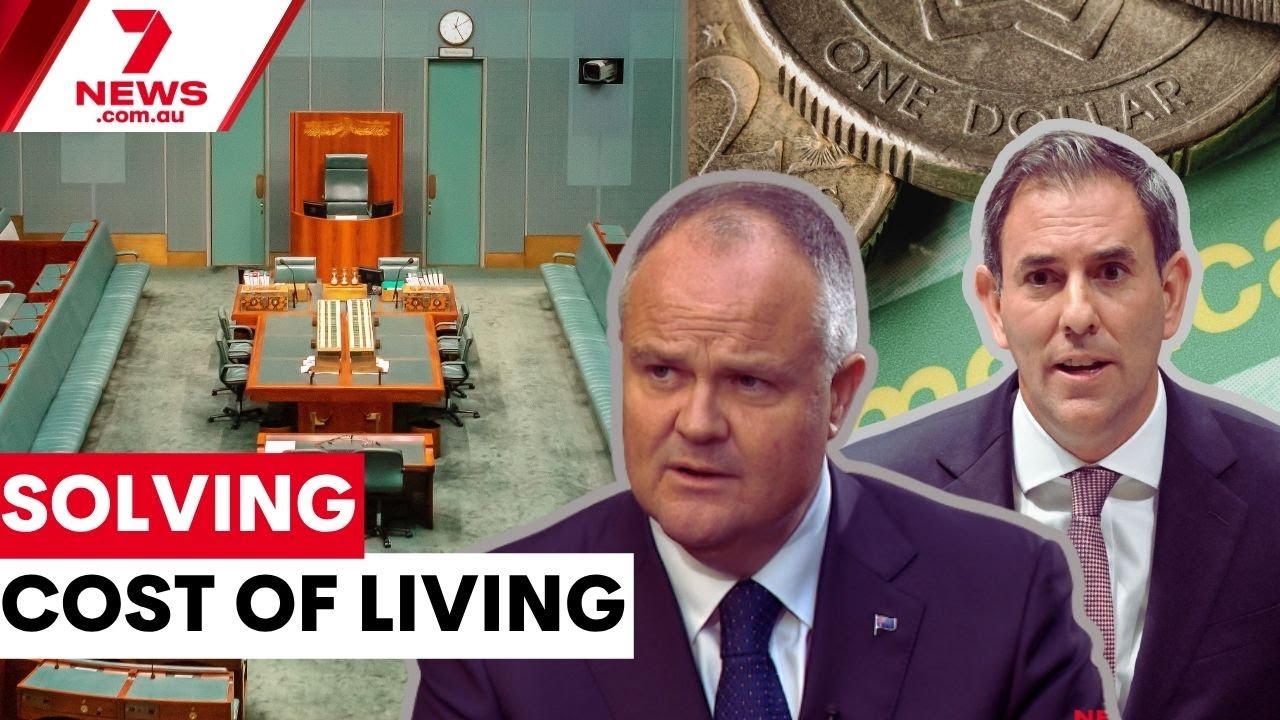
- Shadow Treasurer Ted O’Brien outlines the Coalition’s response to rising inflation, electricity pain and government spending
- Why the economy is front and centre
- Inflation, electricity bills and rebates
- Energy policy: balanced mix, more gas and nuclear on the table
- Technology, data centres and AI need reliable energy
- Spending cuts, efficiency and tax relief
- Party dynamics and leadership
- What to expect next
Shadow Treasurer Ted O’Brien outlines the Coalition’s response to rising inflation, electricity pain and government spending
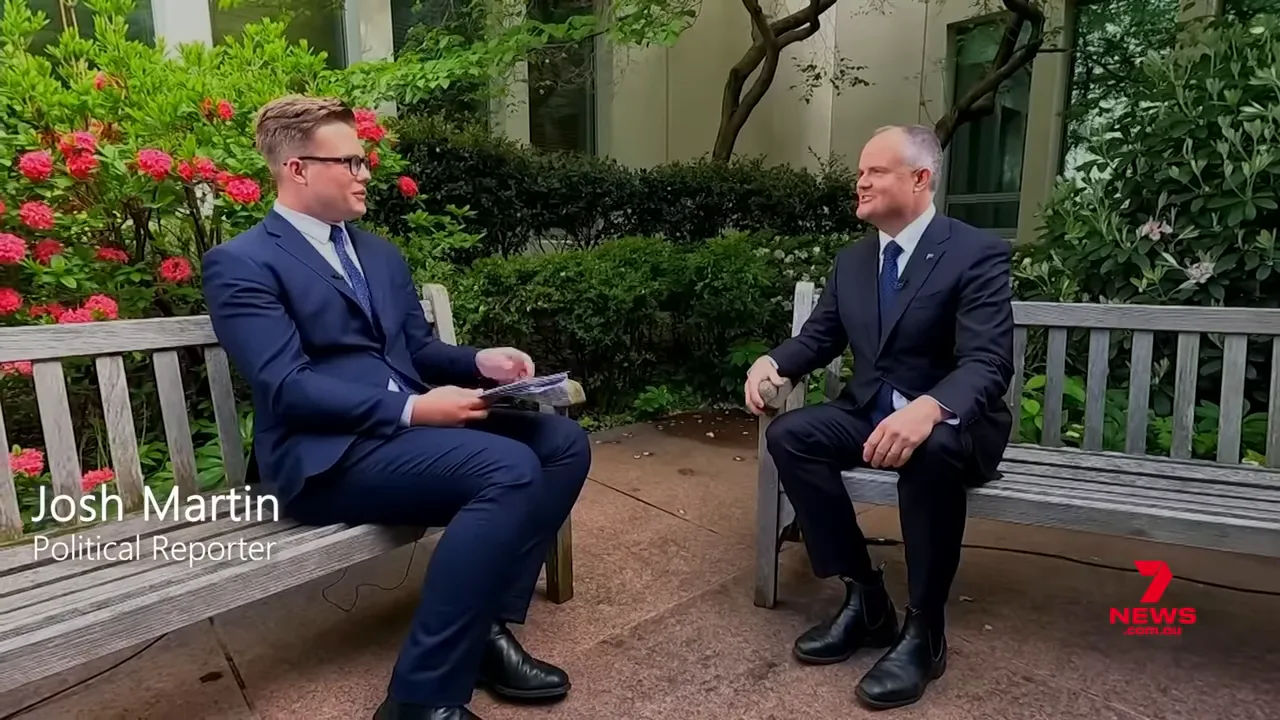
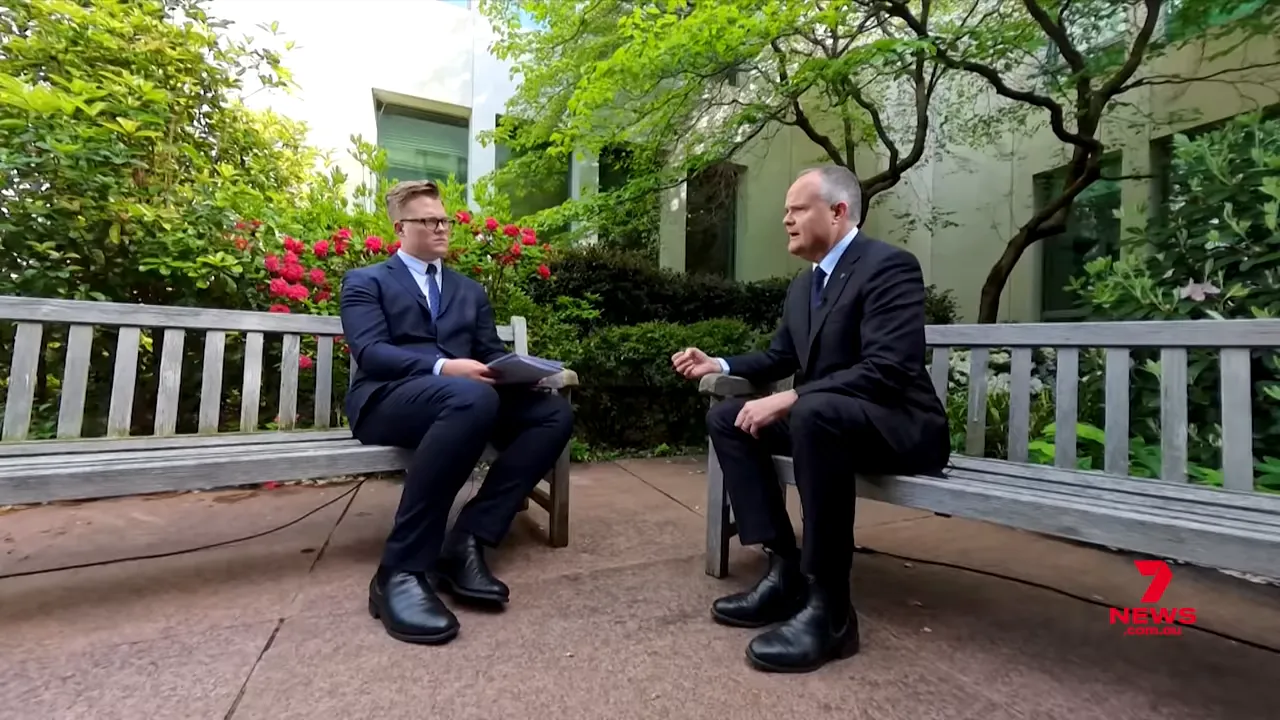
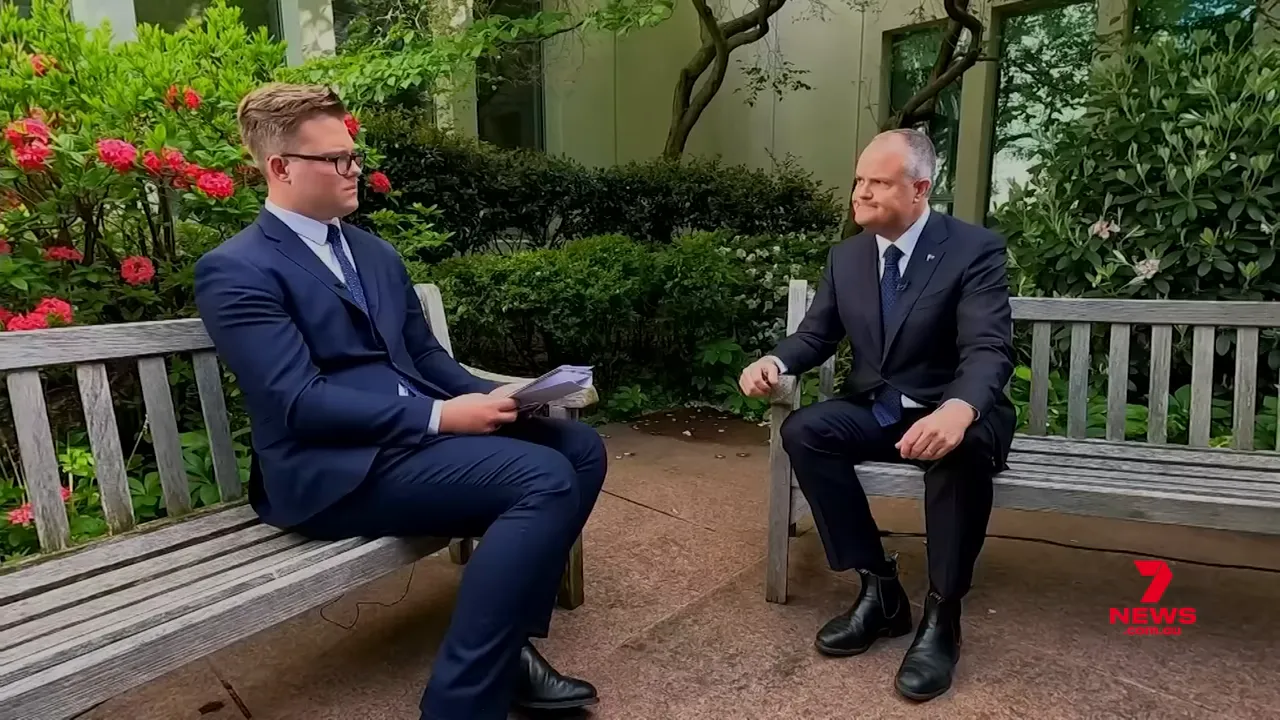
Cost of living crisis is back on the agenda as inflation and unemployment surprise forecasters. In a wide-ranging interview with 7NEWS, Shadow Treasurer Ted O’Brien set out how the Coalition plans to tackle higher prices, rising electricity bills and what he calls excessive government spending.
Why the economy is front and centre
Headline inflation has climbed into the low 3 per cent range and unemployment sits near 4.5 per cent, figures that have dashed hopes of interest rate relief for many mortgage holders. O’Brien warned that the Reserve Bank may not cut rates in 2025 and some analysts are even flagging the possibility of another rise.
O’Brien pointed to government spending as a key driver, calling this “the highest spending government in 40 years outside of recession” and saying spending is running about four times faster than the economy. He told viewers many Australians are already paying an extra $1,800 a month in interest since the Albanese government took office.

Inflation, electricity bills and rebates
Underlying inflation was reported around 3 per cent for the September quarter, with electricity singled out as a major contributor. O’Brien cited a 23.6 per cent rise in electricity costs after state rebates in Queensland, Western Australia and Tasmania ended and warned federal rebates due to finish after Christmas could push prices higher.
He disputed the government’s reliance on ongoing rebates, arguing the focus should be fixing the energy system rather than continuously spending to mask the symptom. The Coalition says the government’s energy approach is a “train wreck” and that households are paying among the highest electricity prices globally.
Energy policy: balanced mix, more gas and nuclear on the table
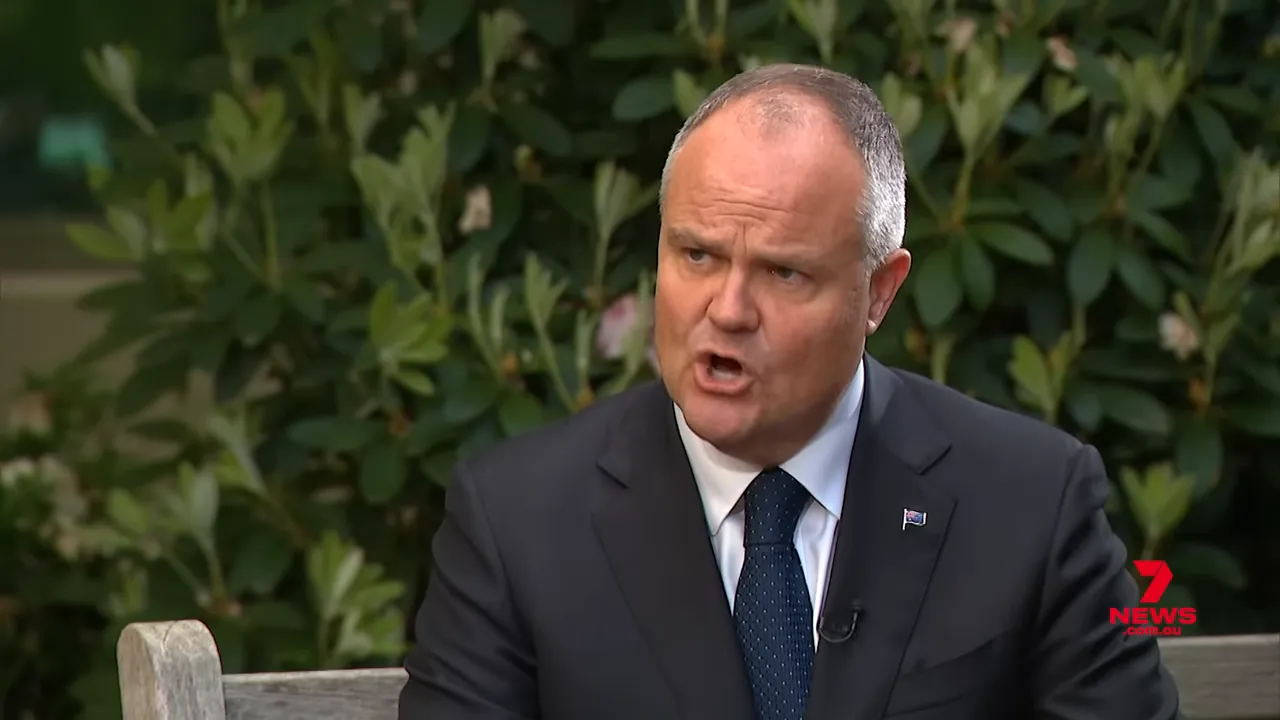
O’Brien urged an “all of the above” energy strategy based on engineering and economics rather than ideology. He argued for more gas, sensible renewables rollout, delaying premature coal closures and considering nuclear as coal exits the grid.
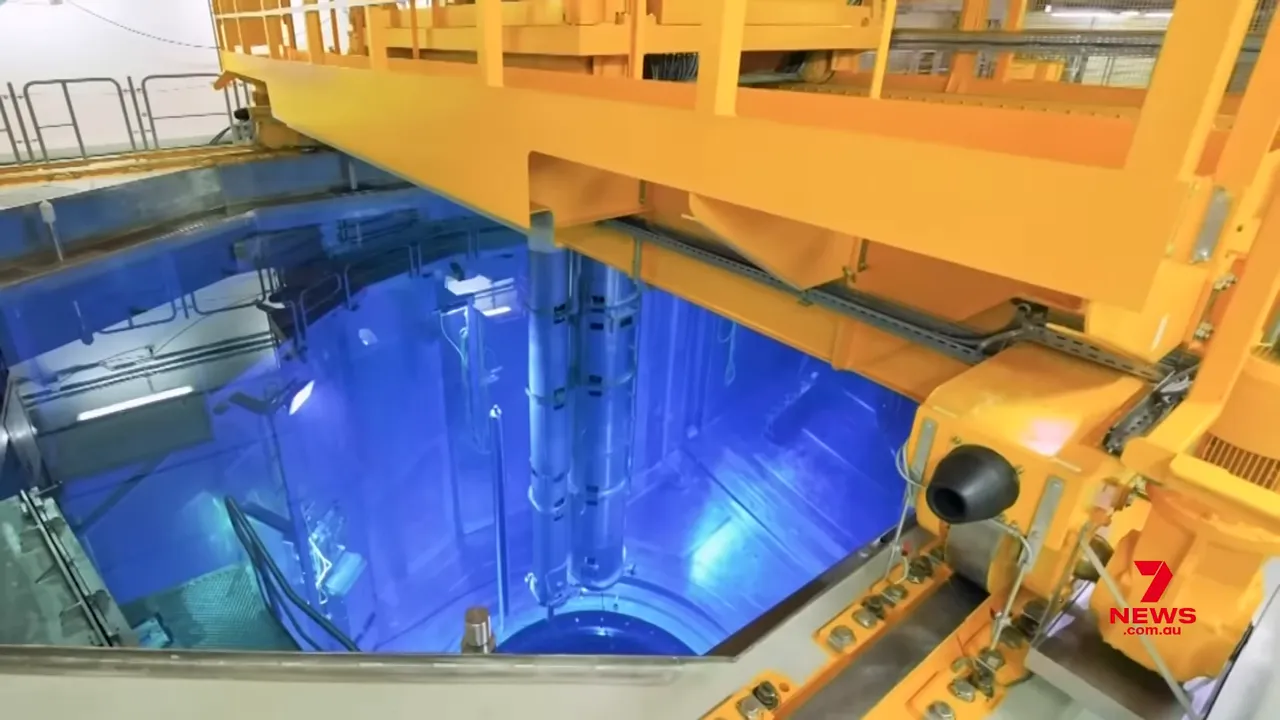
The Coalition is open to lifting the nuclear moratorium, he confirmed, and wants new-generation reactors rather than older designs. O’Brien emphasised that small modular reactors and other modern designs should be options, while also noting the party is listening to feedback on whether reactors would be taxpayer‑funded.
Technology, data centres and AI need reliable energy
Rapid uptake of AI and data‑heavy industries will require large amounts of reliable energy, O’Brien warned. He said Australia’s prospects in cloud, data centres and AI are strong but are threatened by an energy system he describes as “ideologically trapped” and unprepared for rising demand.
He urged faster government action on AI adoption, data policy and energy supply to ensure Australia can host the next wave of technology investment.
Spending cuts, efficiency and tax relief
The Coalition plans to take spending cuts and efficiency measures to the next election, O’Brien said, pledging fiscal rules to rein in what he calls out-of-control spending. He criticised several Labor measures as poor value for money, highlighting EV fringe benefits tax carve‑outs as an inequitable subsidy that should be reviewed.
Tax relief for individuals is a declared priority. O’Brien said the Coalition will pursue “lower, simpler, fairer” personal income tax changes — from bracket adjustments to rate cuts — but warned detail depends on the fiscal position left by the government.
Party dynamics and leadership
On internal tensions, O’Brien struck a conciliatory tone about frontbench departures and debate within the Liberal Party. He described recent resignations as policy-driven, not personal, and said the party benefits from open debate and a “battle of ideas”.
Asked whether Sussan Ley can win the 2028 election, O’Brien said yes — and framed the Coalition’s task as restoring household budgets and national prosperity.
What to expect next
Key items to watch: the Reserve Bank’s upcoming decisions, the federal response to ending electricity rebates, the Coalition’s finalised energy blueprint (including its stance on nuclear), and how spending and tax reform proposals are shaped ahead of the next election.
O’Brien’s message was consistent: tackle root causes, not just short-term relief, and prioritise balanced energy policy and fiscal discipline to ease the cost of living over the medium term.
FAQs
Why has inflation risen recently?
Inflation rose in part because electricity costs jumped after state energy bill rebates ended; underlying inflation was around 3 per cent for the September quarter and headline figures near 3.2 per cent. Broader government spending and global economic factors also contribute.
Will mortgage rates be cut soon?
The interview suggested expectations for a rate cut in 2025 were dashed; many economists now point to the earliest relief possibly in early 2026, while some warn the next move by the RBA could even be a rate rise depending on inflation data.
What energy changes does the Coalition want?
The Coalition favours a balanced energy mix: more gas, a cautious renewables rollout, delaying premature coal closures and lifting the nuclear moratorium to allow modern reactors as options. The party argues decisions should be guided by engineering and economics, not ideology.
Will the Coalition cut government spending?
Yes. The Coalition plans fiscal rules to rein in spending, pursue efficiency measures across government and remove perceived waste such as inequitable EV subsidies, while avoiding indiscriminate mass public service cuts.
How do party tensions affect policy?
Ted O’Brien said active debate and occasional frontbench changes reflect policy refinement rather than personal division. He framed internal discussion as part of developing stronger policies ahead of the next election.
Key takeaways
- Inflation and electricity bills are driving renewed cost-of-living pressure across Australia.
- The Coalition wants fiscal rules, spending efficiency and targeted tax relief for individuals.
- Energy policy is central — the party argues for an all‑technology approach including gas and modern nuclear.
- AI and data centre growth will need reliable, affordable energy to succeed.
The information in this article has been adapted from mainstream news sources and video reports published on official channels. Watch the full video here Dealing with the cost of living crisis: Shadow Treasurer reveals Coalition policy plans | THE ISSUE


