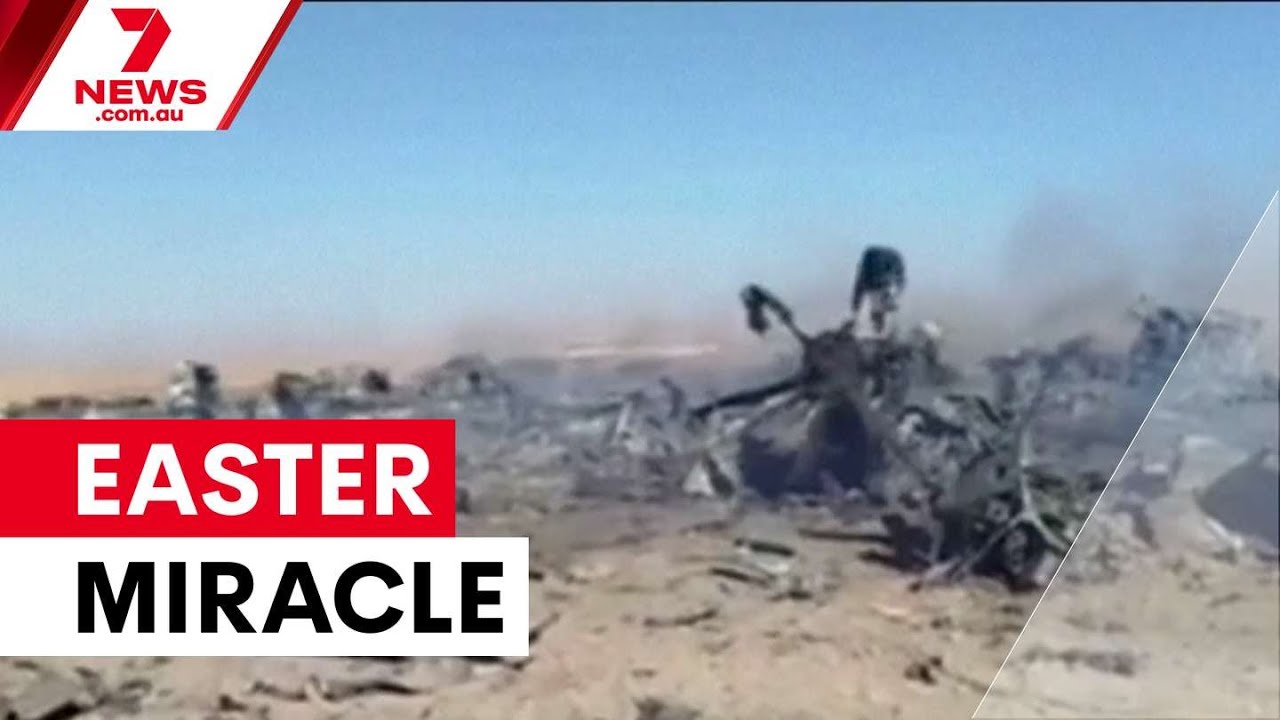
US Special Forces rescue airman from Iran in a high-stakes operation that combined CIA planning, military coordination and elite Navy SEAL expertise—an outcome now being described in dramatic terms as an “Eastern Miracle”. The mission comes as the United States and Iran reportedly consider a potential 45-day ceasefire, and as President Donald Trump escalates public threats with a new deadline.
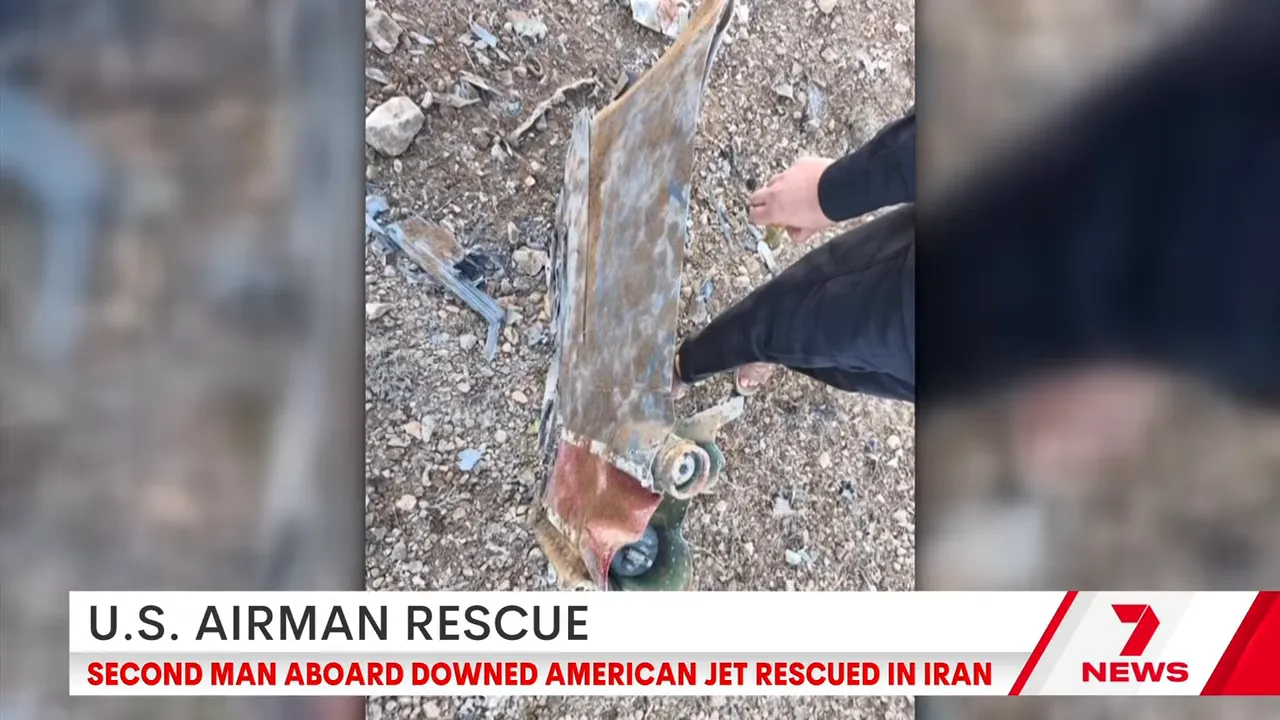
With tensions in the Middle East rising, the rescue unfolded after an American fighter jet was shot down and the pilot was believed to be behind enemy lines.
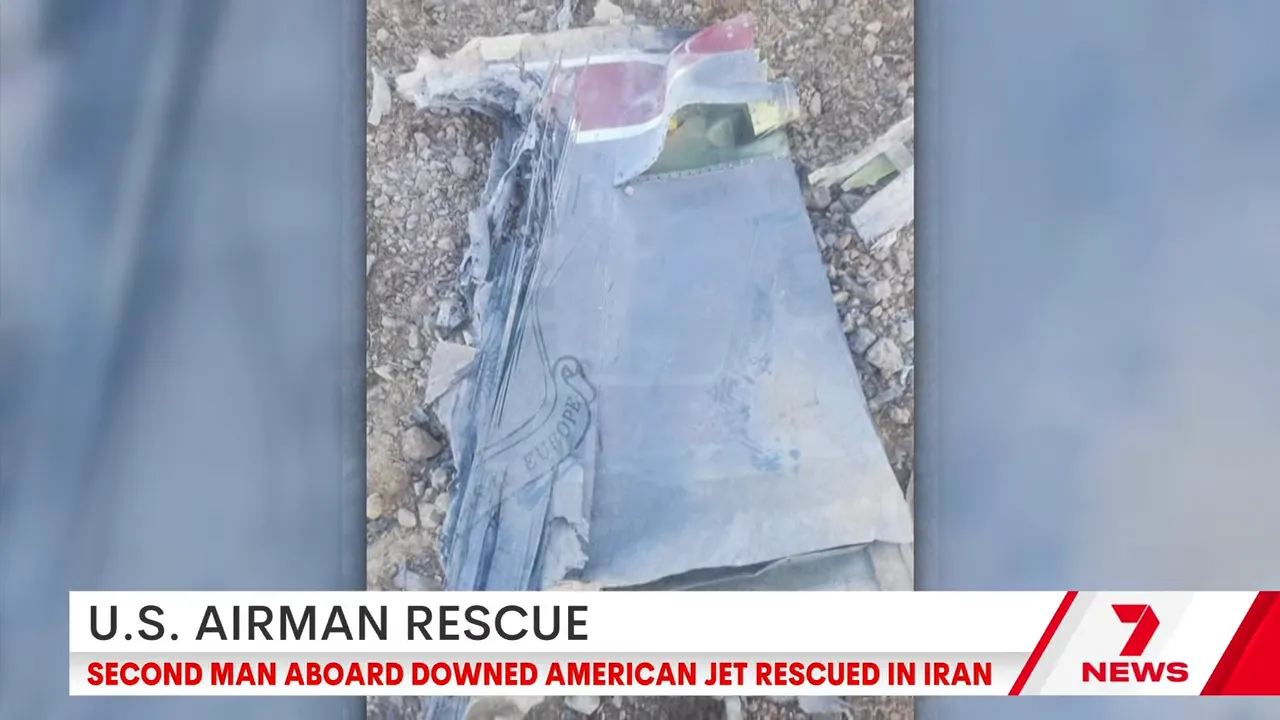
Table of Contents
- Complex rescue operation: CIA deception, aircraft and SEAL Team 6
- Shot down on Friday: the race to locate the missing pilot
- The “Eastern Miracle”: communications, survival and extraction
- Trump escalates threats after the rescue
- Ceasefire talk in the background: 45-day proposal amid rising tensions
- Key takeaways
- FAQs
Complex rescue operation: CIA deception, aircraft and SEAL Team 6
The operation was described as “incredibly complex” and “risky”, carried out by the CIA together with the US military. It relied on US special forces, dozens of warplanes, and an elite team of commandos from Navy SEAL Team 6.
According to reporting, the CIA spread false reports inside Iran—claiming that the second pilot had already been rescued. In reality, the rescue plan was still being developed and the operation was not yet complete.
The airman was eventually extracted after going behind enemy lines as part of the final stage of the mission. While officials have not detailed every step publicly, the broad outline emphasises the need for deception, coordination, and timing under hostile conditions.
Shot down on Friday: the race to locate the missing pilot
The fighter jet was shot down on Friday, and the pilot was located shortly after. Even so, the situation remained urgent—because the US had to coordinate the return of aircraft and ensure the airman could be found and recovered before Iranian forces closed in.
US media reporting said the airman successfully hiked around two kilometres up a ridgeline and then hid in a mountain crevice. He was described as carrying a pistol, a beacon, and a secure communications device.
Crucially, the pilot was making intermittent contact, suggesting he was carefully balancing the need to communicate with the risk of detection while help was racing to reach him.
The “Eastern Miracle”: communications, survival and extraction
After the rescue, commentary and media framing in the United States turned the operation into what’s being called the “Eastern Miracle”. The term reflects the perceived odds-defying nature of the outcome—an airman surviving long enough to be located and recovered despite being hidden in difficult terrain.
It’s understood the airman is injured, but is said to be recovering well. The rescue therefore marks not just a tactical win, but also a successful retrieval in conditions where survival could have been uncertain.
Trump escalates threats after the rescue
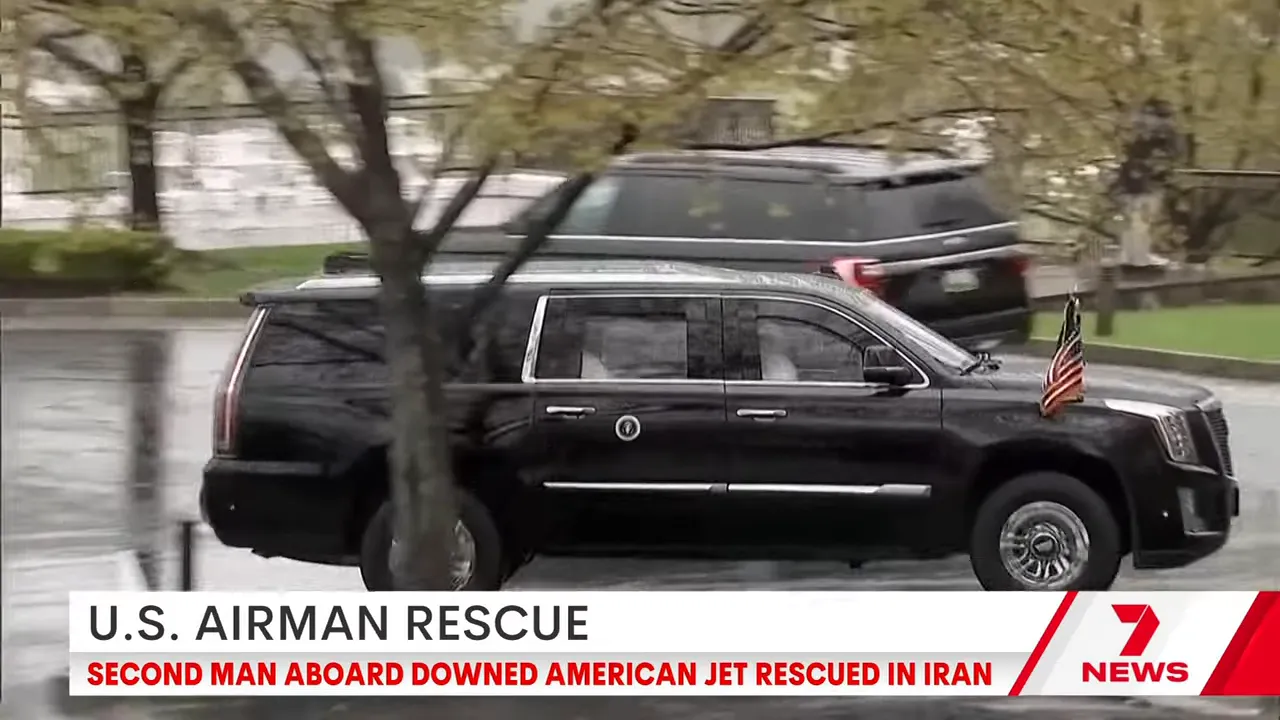
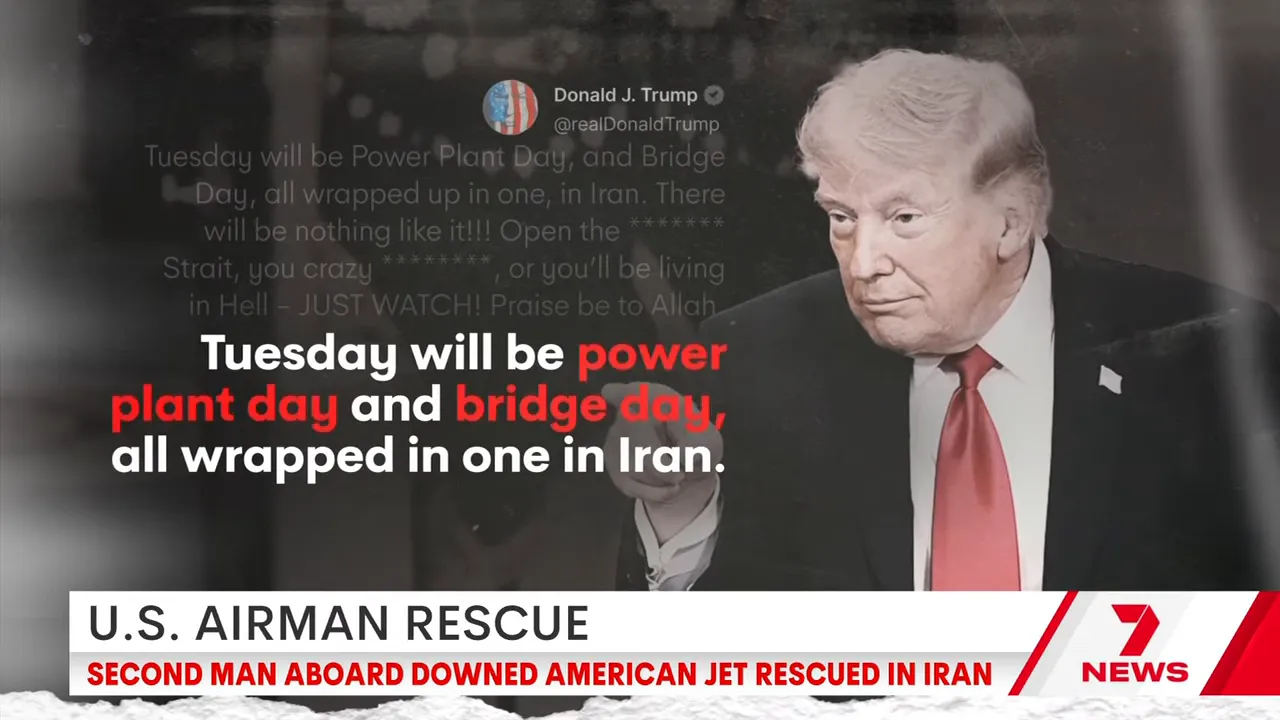
Following the successful rescue, President Trump moved to heighten pressure on Iran with a renewed round of public threats. The language used in a social media post was described as “fiery” and directed at Iran, following the American operation.
He then linked the pressure campaign to a specific schedule. In the lead-up to his next statement, Trump outlined that Tuesday would involve “power plant day and bridge day”, framed as a single package of action.
In the remarks, Trump also issued a direct warning to Iran, describing consequences for opposition to US pressure.
In a further escalation, he followed the threat with a new deadline—set to expire at 10 a.m. Wednesday (Australian Eastern Standard Time).
Ceasefire talk in the background: 45-day proposal amid rising tensions
Even as the rescue played out, the wider strategic picture remained tense. Reports said the US and Iran were considering a 45-day ceasefire while developments in the Middle East continued to escalate.
That matters because the rescue and the accompanying political messaging do not occur in isolation. Threats, deadlines and operational decisions can all influence negotiations, military readiness and the likelihood of broader de-escalation—or further confrontation.
How the rescue fits into the moment
From the public reporting available, the mission underscores several practical realities of high-risk recovery operations: the need to disrupt enemy assumptions with deception, the importance of rapid localisation after a downing, and the role of secure beacons and intermittent communications during concealment.
At the same time, the public threats and time-bound deadline highlight a political dimension, where messaging is used to pressure decision-makers while military activity continues in parallel.
Key takeaways
- US Special Forces rescue airman from Iran after a fighter jet was shot down and the pilot was located behind enemy lines.
- The CIA and US military worked together, including special forces and Navy SEAL Team 6.
- Deception was reportedly used inside Iran, with false reports that a pilot had already been rescued.
- The airman survived by hiking up a ridgeline, hiding in a mountain crevice, and using a beacon and secure communications with intermittent contact.
- After the rescue, President Trump escalated threats and set a deadline for 10 a.m. Wednesday (AEST).
- In the background, reports suggest US and Iran are considering a 45-day ceasefire.
FAQs
What makes the rescue operation “complex”?
Reporting described it as complex because it combined CIA deception inside Iran, US special forces, dozens of warplanes, and a SEAL Team 6 commando extraction stage—requiring precise coordination while operating under hostile conditions.
What did the airman reportedly do after his jet was shot down?
US media reports said he hiked about two kilometres up a ridgeline, hid in a mountain crevice, carried a pistol, a beacon and a secure communications device, and maintained intermittent contact until he was rescued.
Why is it being called the “Eastern Miracle”?
The phrase is being used to reflect the perceived improbability of the outcome—an injured pilot surviving concealment and communications long enough for a coordinated extraction, despite the high risk of detection and delay.
What did President Trump announce after the rescue?
He issued escalated threats on social media, described “power plant day and bridge day” as Tuesday’s actions, and set a new deadline expiring at 10 a.m. Wednesday (AEST).
Is there still talk of a ceasefire?
Reports said the US and Iran are considering a 45-day ceasefire even as tensions rise and public threats intensify.
The information in this article has been adapted from mainstream news sources and video reports published on official channels. Watch the full video here US Special Forces rescue airman from Iran | 7NEWS


