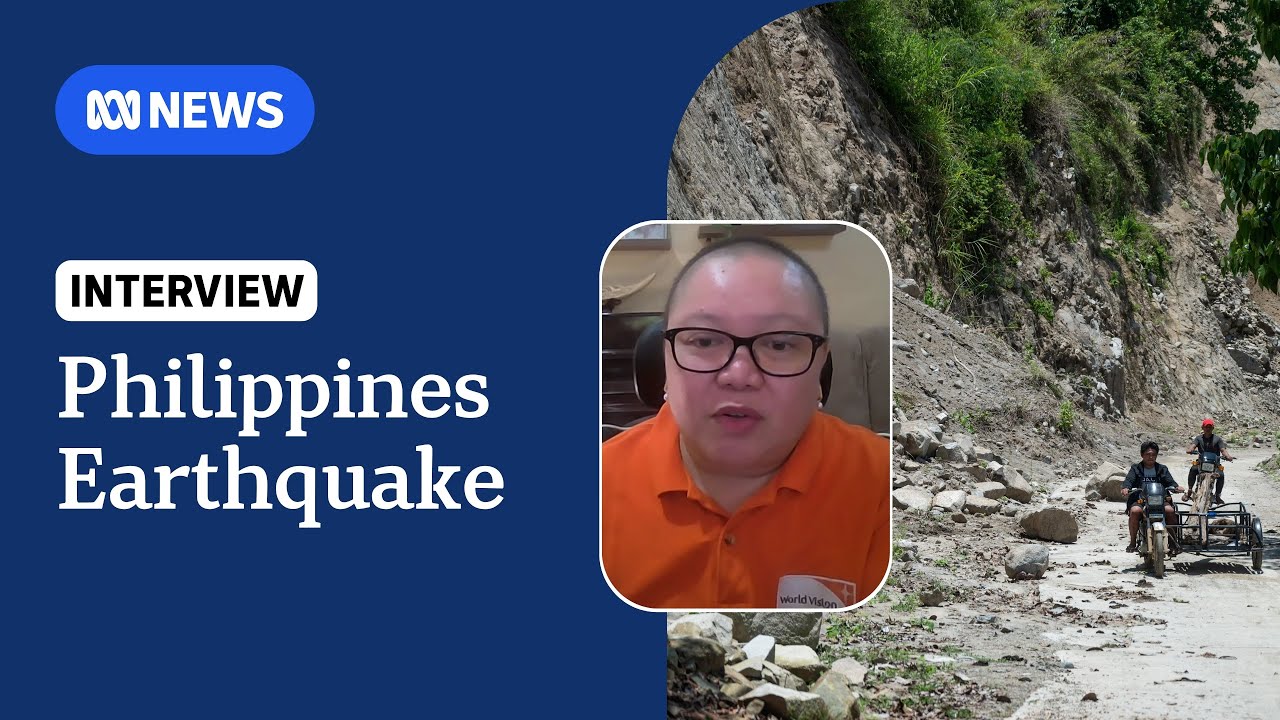
This report was produced for ABC News (Australia). A powerful magnitude 6.9 earthquake struck off the coast of central Philippines near Bogo city in Cebu province overnight, leaving dozens dead, widespread damage and multiple towns declaring a state of calamity. Below I summarise the events, share a firsthand account from World Vision Philippines, and outline what communities and responders are facing in the days after the quake.
Table of Contents
- What happened
- A firsthand account from World Vision Philippines
- Immediate impact and response
- Ongoing risks: aftershocks, landslides and disrupted access
- What responders are doing
- How people are coping
- Conclusion
- FAQ
What happened
Shortly after the quake struck about 17 kilometres northeast of Bogo city, communities in northern Cebu reported collapsed structures, broken roads and widespread power outages. Local authorities declared states of calamity in several towns and municipalities as emergency teams started assessing damage and searching for survivors.
A firsthand account from World Vision Philippines
I spoke with Lucille Latonio from World Vision Philippines, who was in Mandaue — about three hours from the epicentre — when the quake hit. Lucille described the immediate panic and the many unknowns families faced that night.
"When it happened, I was having dinner with my husband at a convenience store and the place just started to shake and items on the shelf just started falling down."
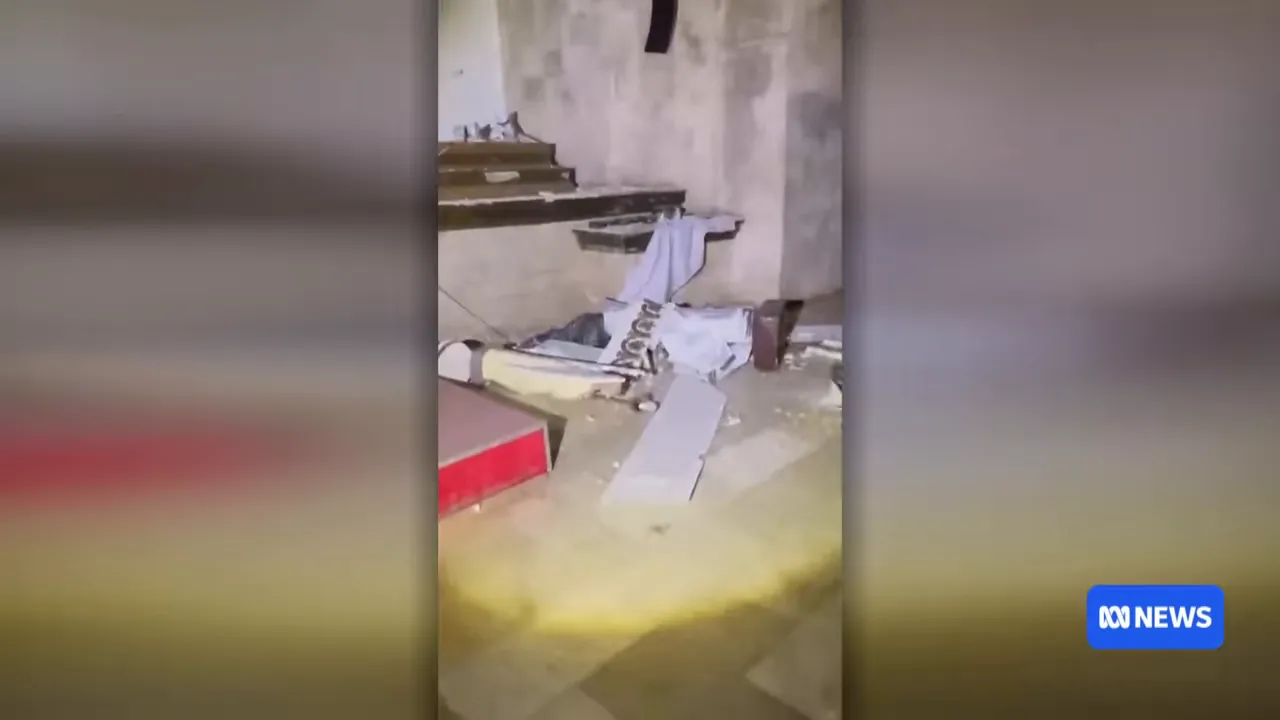
"And the post, the electric post opposite from where we were staying, it just engulfed into flames... people were panicking, people were shouting and we were trying to reach my kids."
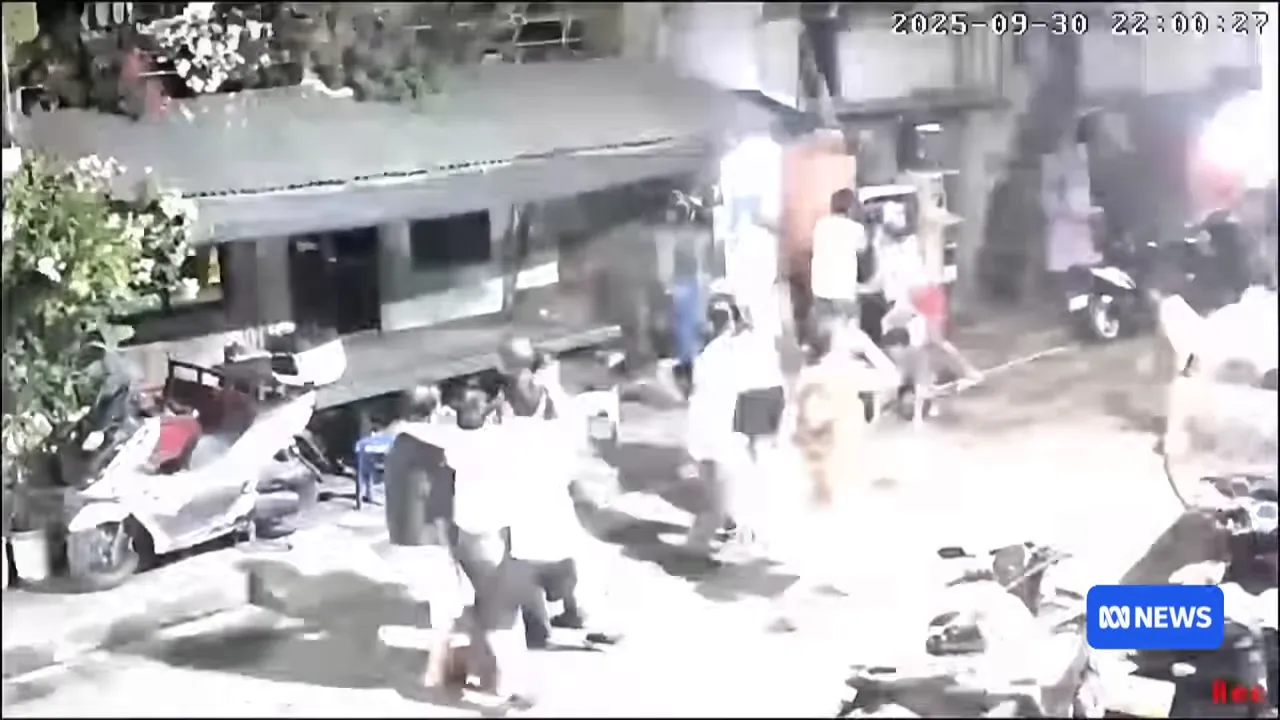
Telephone lines were cut in some areas, making it difficult to reach family. A tsunami alert raised additional fears, particularly for relatives on nearby islands. Many people chose to sleep outside despite heavy rain, worried about aftershocks and landslides following weeks of typhoons.
Immediate impact and response
Authorities warned that the death toll was still fluid as more reports came in from emergency responders. As rescue and assessment teams moved into affected areas they faced challenges: broken roads, landslides blocking access and damaged bridges slowed relief efforts. Power outages remained widespread, complicating communication and coordination.

World Vision reported that all staff in the immediate area were accounted for and had begun checking on registered families, particularly in Sogod and Tabogon where the epicentre was closest to their programmes. Staff and community members continued to contend with aftershocks and the ongoing risk of landslides in mountainous areas.
Ongoing risks: aftershocks, landslides and disrupted access
Aftershocks kept people awake and on edge. The combination of recent typhoons and the quake increased landslide risk, especially for those living on or near slopes. Road damage and bridge failures meant some northern Cebu communities remained difficult to reach, prolonging the time it takes for aid to arrive and for local officials to confirm the full scale of damage and casualties.
What responders are doing
- Local authorities have declared states of calamity to allow faster deployment of relief and emergency funding.
- Search and rescue teams are prioritising areas with collapsed buildings and reports of people missing.
- Humanitarian groups are checking on registered households and identifying immediate needs: shelter, food, clean water and medical care.
- Clearing of roads and temporary restoration of power and communications are underway where possible to support relief operations.
How people are coping
People described sleepless nights, waiting outside their homes in the rain, and the psychological toll of repeated aftershocks. Communities relied on neighbours, local organisations and relief workers for information and support, while many families remained cut off until roads and power were restored.
Conclusion
The magnitude 6.9 quake near Bogo city has left communities across Cebu grieving and grappling with immediate needs as emergency teams continue assessments and rescue operations. The situation remains fluid: casualties and damage estimates are likely to change as access improves and more reports come in. Support from local and international aid agencies will be critical in the coming days and weeks as communities recover.
FAQ
What was the magnitude and where was the epicentre?
The quake measured magnitude 6.9 and struck roughly 17 kilometres northeast of Bogo city in Cebu province.
How many people were killed?
Initial reports put the death toll in the dozens and authorities warned numbers were fluid as emergency teams continued to report from affected areas.
Was there a tsunami?
A tsunami alert was issued for some areas following the quake. The alert heightened fear and prompted many people, especially those on islands, to evacuate to higher ground or stay outside until the risk subsided.
What are the main hazards after the quake?
Aftershocks, landslides — especially after recent typhoons — damaged roads and bridges, and widespread power outages. These hazards complicate rescue and relief efforts.
How are relief agencies responding?
Local authorities have declared states of calamity in several towns. Humanitarian groups and agencies such as World Vision Philippines are accounting for staff, checking on registered families and assessing urgent needs like shelter, food and medical care.
How can people help?
If you want to help, consider supporting reputable humanitarian organisations working in the Philippines and follow official guidance from local authorities and the agencies coordinating relief. Avoid donating through unverified channels and look for organisations with established programmes on the ground.
Where can I get reliable updates?
Follow official statements from the Philippines civil defence agencies, local government units, and trusted news organisations for the latest verified information and guidance for affected communities.


