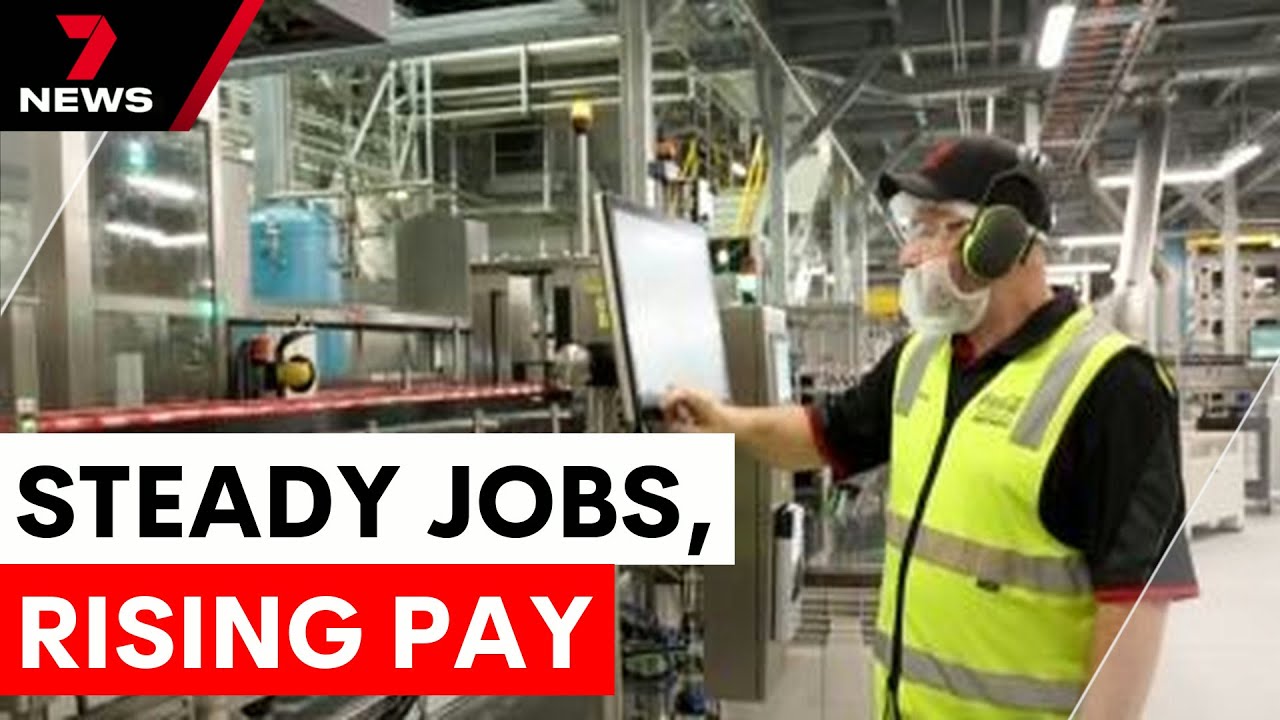
Australia's labour market continues to show resilience despite recent economic challenges, with the unemployment rate holding steady at 4.1% in May. While the economy experienced a slight dip in total employment, the overall outlook for workers remains positive, supported by a rise in full-time jobs and increasing wages. This article dives into the latest employment data, wage trends, and what this means for interest rates and Australian households moving forward.
Table of Contents
- Unemployment Rate Holds Steady Amid Mixed Job Data
- Wages on the Rise: A Positive Sign for Workers
- Implications for Interest Rates and Economic Policy
- What This Means for Australian Workers and Households
- Frequently Asked Questions
Unemployment Rate Holds Steady Amid Mixed Job Data
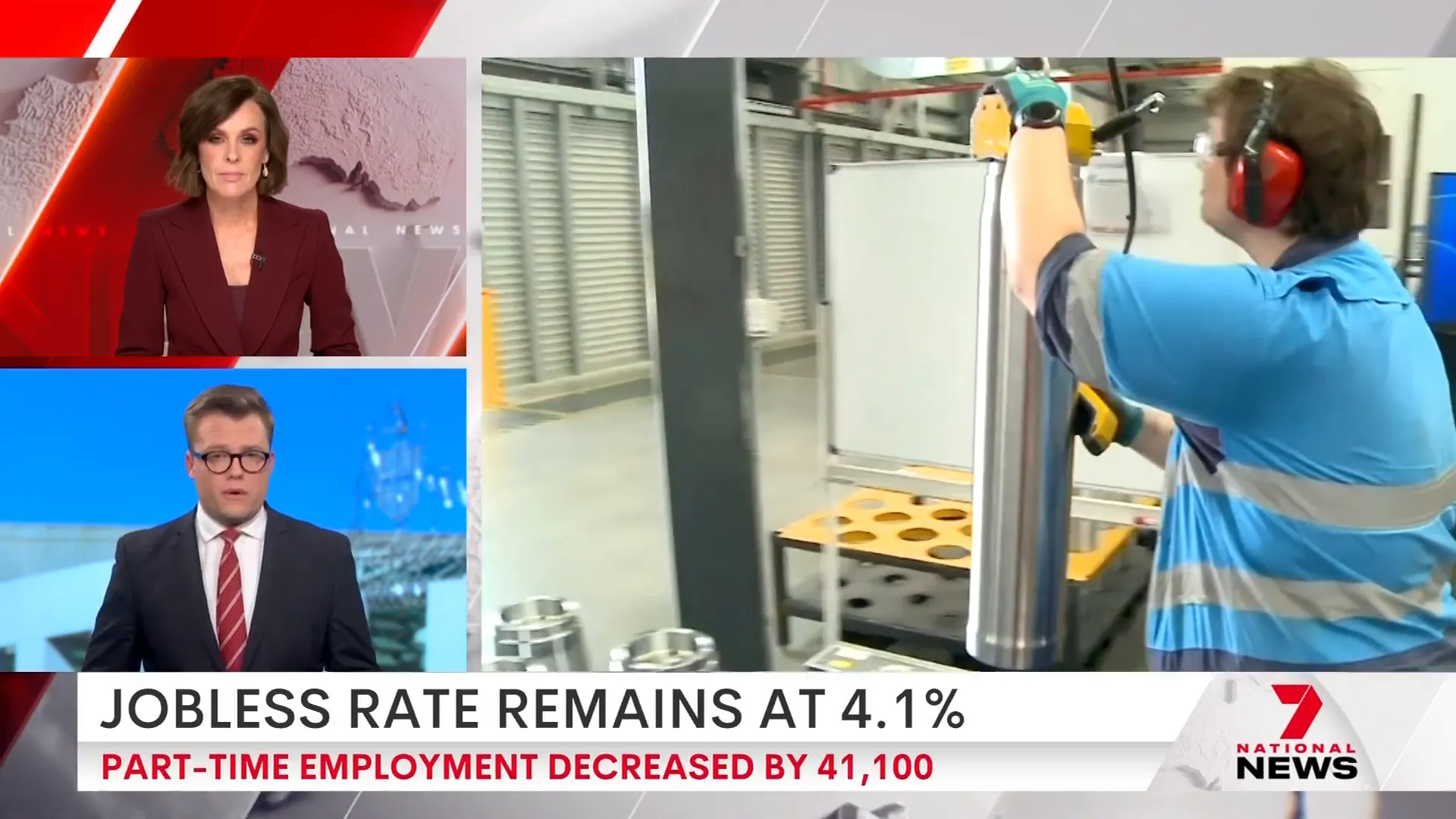
According to the Australian Bureau of Statistics, the unemployment rate remained unchanged at 4.1% for the month of May. This figure reflects a stable labour market, even though the economy lost 2,500 jobs overall during the period.
Digging deeper into the numbers, there was a significant shift between full-time and part-time employment. The economy added 38,000 new full-time roles, indicating strong demand for permanent work. However, this growth was offset by a reduction of 41,000 part-time jobs, which caused the slight overall decline in total employment.
Wages on the Rise: A Positive Sign for Workers
Not only are Australians securing more full-time positions, but wages are also increasing. Employment website Seek reported a 3.6% rise in advertised salaries over the past 12 months, reflecting growing competition among employers to attract and retain talent.
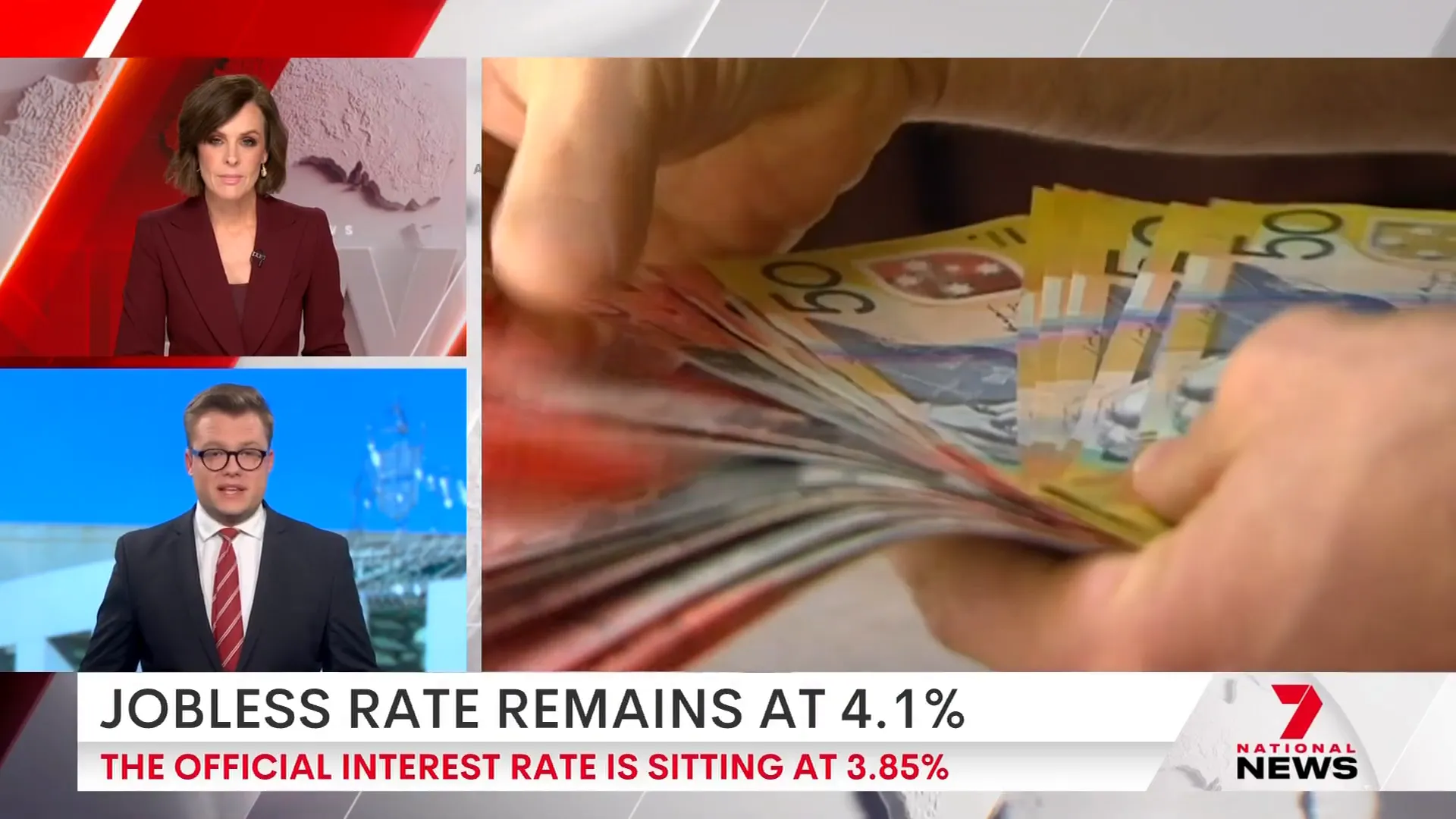
This wage growth is an encouraging indicator for Australian workers, suggesting that despite inflationary pressures and economic uncertainties, employers are willing to offer better pay to skilled employees.
Implications for Interest Rates and Economic Policy
Reserve Bank Governor Michelle Bullock is closely monitoring these employment and wage trends as part of the broader economic picture ahead of next month’s rate-setting meeting. Key inflation data is also due next Wednesday, which will further influence decisions on monetary policy.
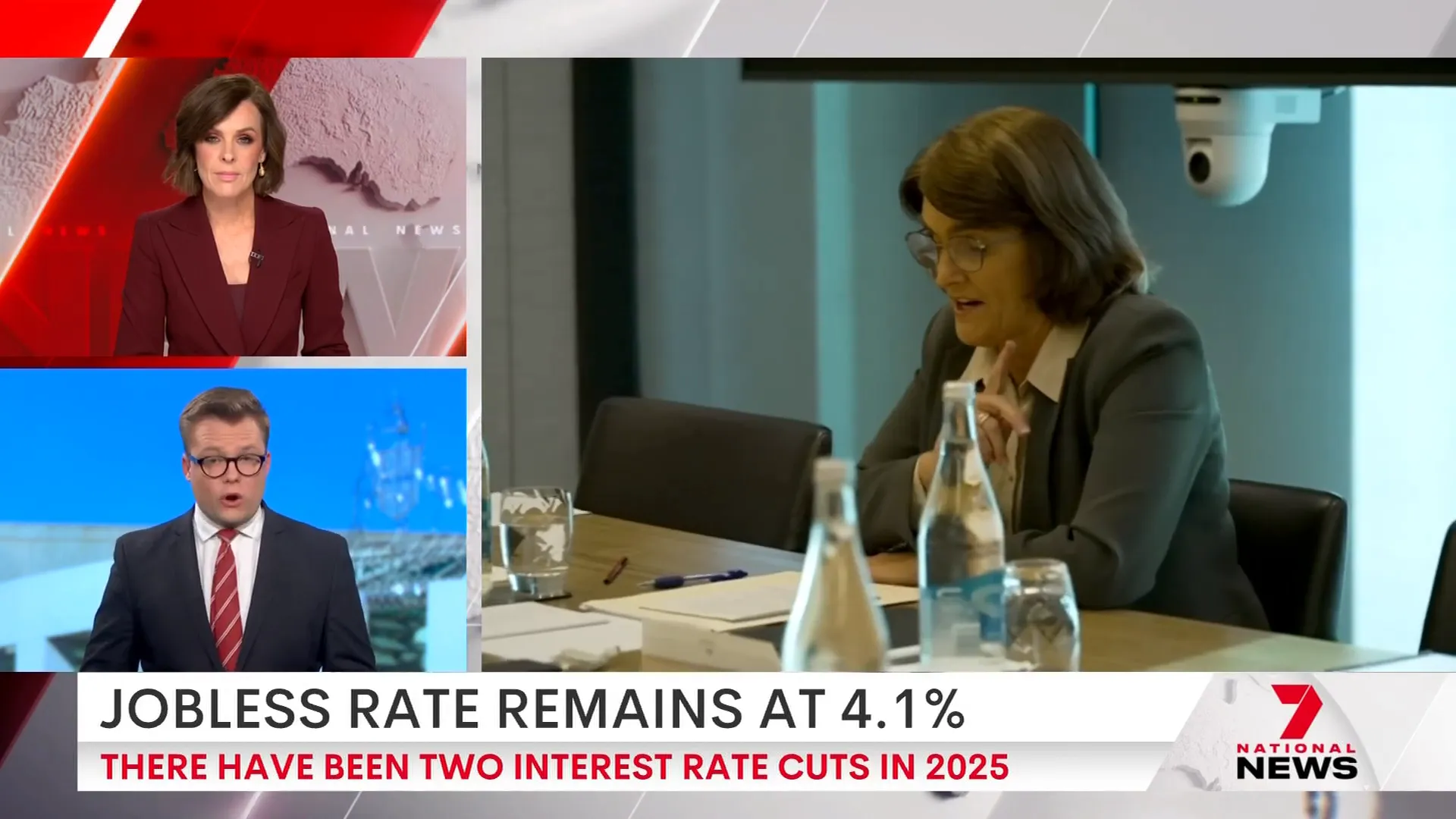
Market expectations currently point to a 0.25% cut in the official interest rate in July, with an 86% probability of this occurring. If implemented, this would mark the third rate cut in 2025, lowering the cash rate to 3.6%.
Such a reduction could provide tangible relief for Australian households. For example, a family with a mortgage of $500,000 could see their monthly repayments drop by approximately $80 in real terms, easing financial pressure amid rising living costs.
What This Means for Australian Workers and Households
- Employment Stability: Despite a small net loss in jobs, the creation of full-time positions signals a healthier job market for workers seeking permanent employment.
- Wage Growth: A 3.6% increase in advertised salaries reflects positive momentum in earnings, helping to offset inflation.
- Interest Rate Outlook: The likely rate cut in July could reduce borrowing costs and support household budgets.
- Inflation Data Watch: Upcoming inflation figures will be critical in shaping the Reserve Bank’s next moves.
Frequently Asked Questions
What is the current unemployment rate in Australia?
The unemployment rate has remained steady at 4.1% as of May, according to the Australian Bureau of Statistics.
Why did total employment decrease if full-time jobs increased?
While 38,000 full-time jobs were created, there was a larger decrease of 41,000 part-time jobs, resulting in a slight overall decline of 2,500 jobs.
Are wages increasing in Australia?
Yes, advertised salaries have risen by 3.6% over the last 12 months, indicating stronger wage growth.
How might the Reserve Bank’s interest rate decision affect Australian households?
If the Reserve Bank cuts rates by 0.25% in July, mortgage repayments for a family with a $500,000 loan could decrease by around $80 per month, providing some financial relief.
When will the Reserve Bank make its next rate decision?
The next rate decision is expected in July, following key inflation data releases next Wednesday.


