
As tensions escalate in the Middle East, more than 3,200 Australians have registered with the federal government to leave Israel and Iran. This significant movement comes amid growing concerns for the safety of Australians in the region, prompting the Department of Foreign Affairs and Trade (DFAT) to deploy support, including Defence Force personnel and aircraft, to assist in evacuation and crisis management.
Table of Contents
- Government Response and Support Deployment
- Diplomatic Efforts at the Forefront
- Security Concerns Prompt Embassy Suspension
- Looking Ahead: The Path to Peace
- Frequently Asked Questions
Government Response and Support Deployment
The Australian government has taken swift actions to ensure the safety and security of its citizens caught in the unfolding crisis. The Department of Foreign Affairs is actively deploying resources, including Defence Force personnel and aircraft, to the region to support evacuation efforts and provide assistance on the ground.
This deployment aims to facilitate a safe and orderly departure for Australians wishing to leave Israel and Iran amid the deteriorating security environment.
Diplomatic Efforts at the Forefront
Foreign Minister Penny Wong has been actively engaged in diplomatic discussions to address the crisis. Speaking with the US Secretary of State, Minister Wong emphasized the importance of dialogue and diplomacy as a means to de-escalate tensions.
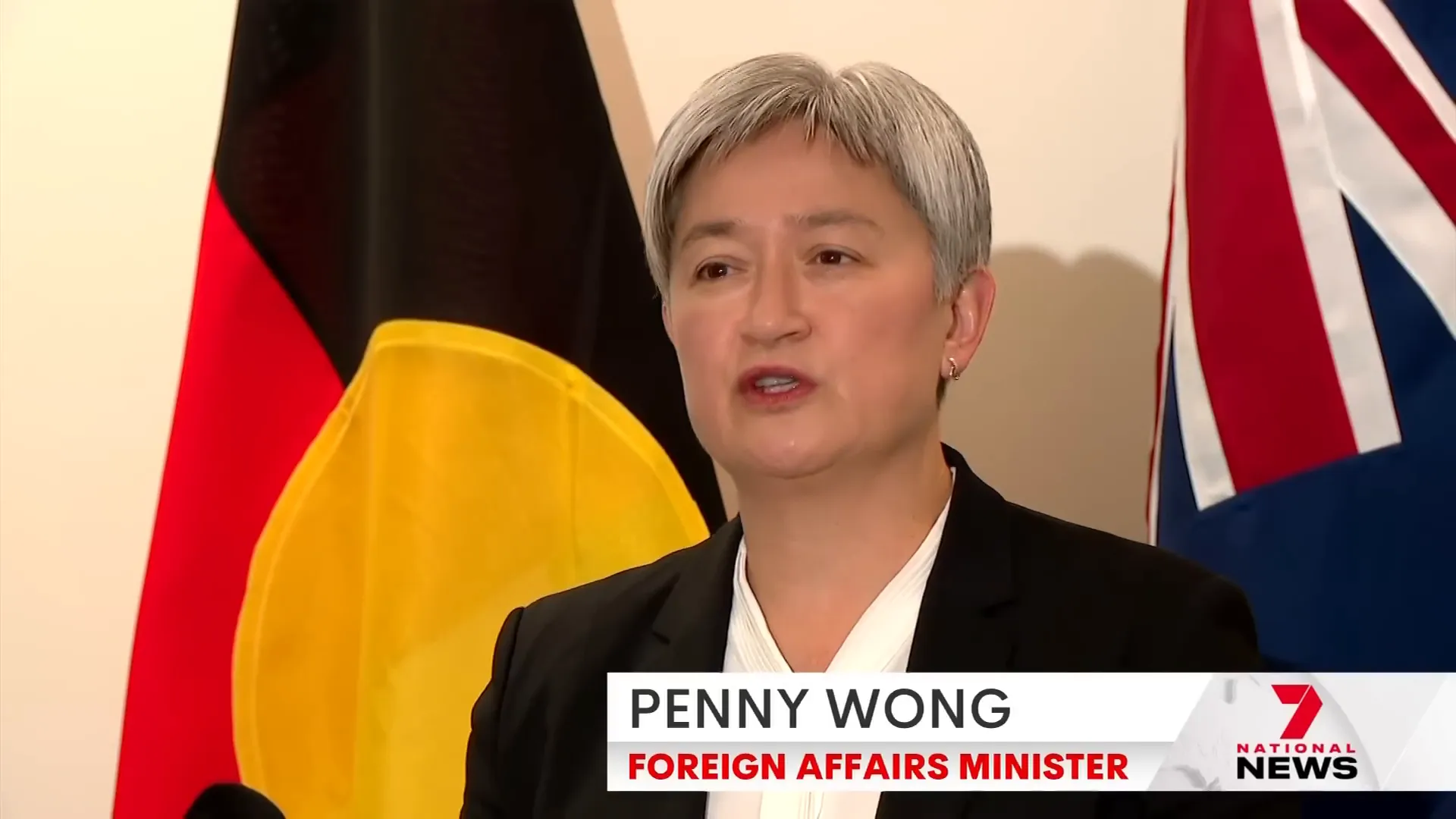
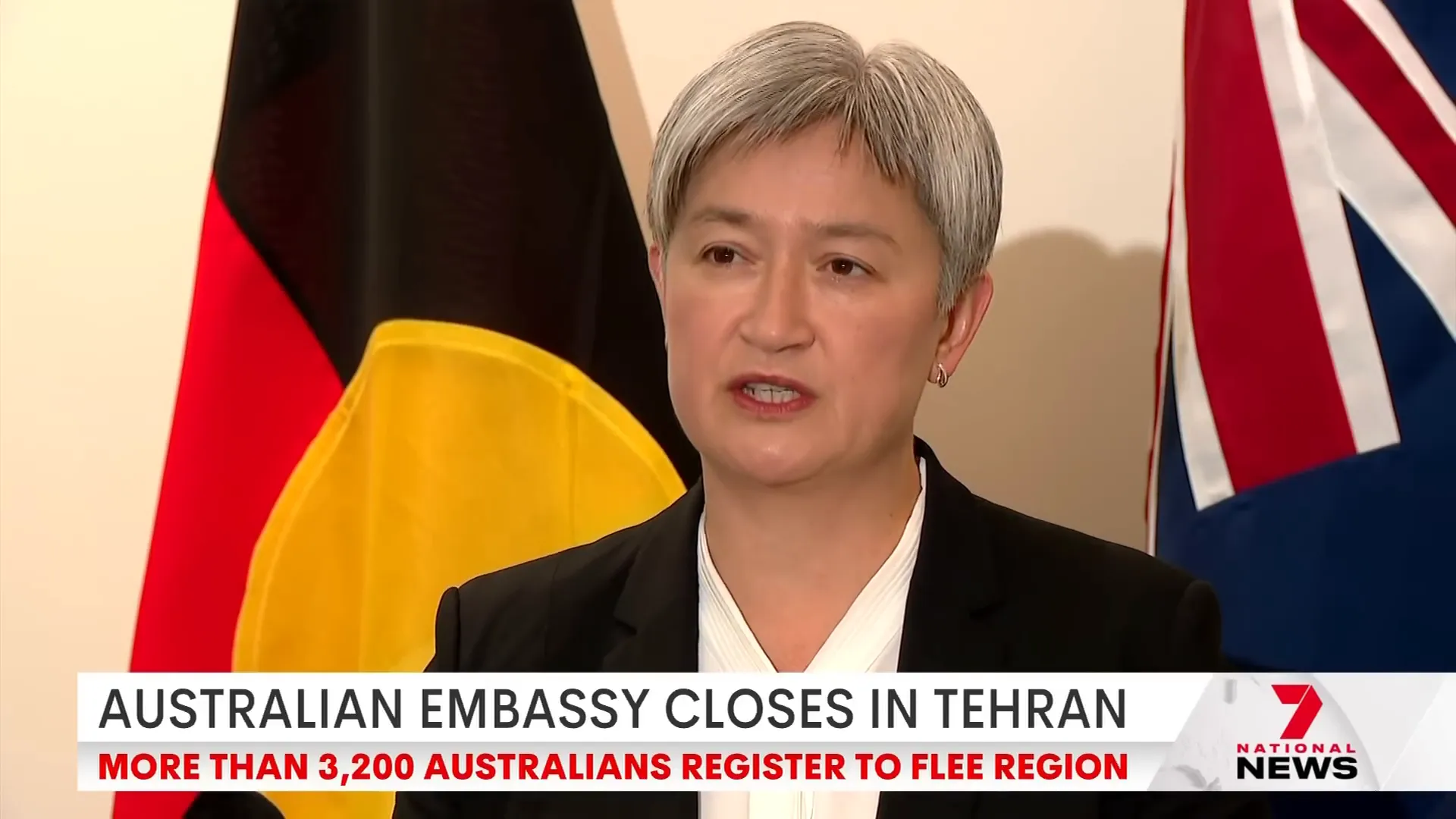
"We had a good discussion about the way through this conflict," said Minister Wong. "There is an opportunity over the next two weeks for de-escalation, dialogue, and diplomacy."
She highlighted the call for Iran to return to the negotiation table and halt any nuclear weapons program, a stance supported not only by Australia but by many countries worldwide.
"Iran has the opportunity. The president's actually given them the opportunity to engage in diplomacy, and they should take it," Minister Wong added.
Security Concerns Prompt Embassy Suspension
Due to the escalating instability, Australia's embassy in Tehran has suspended its operations. While embassy officials and their families have been ordered to leave, the ambassador remains in the region to oversee ongoing diplomatic efforts and maintain a presence.
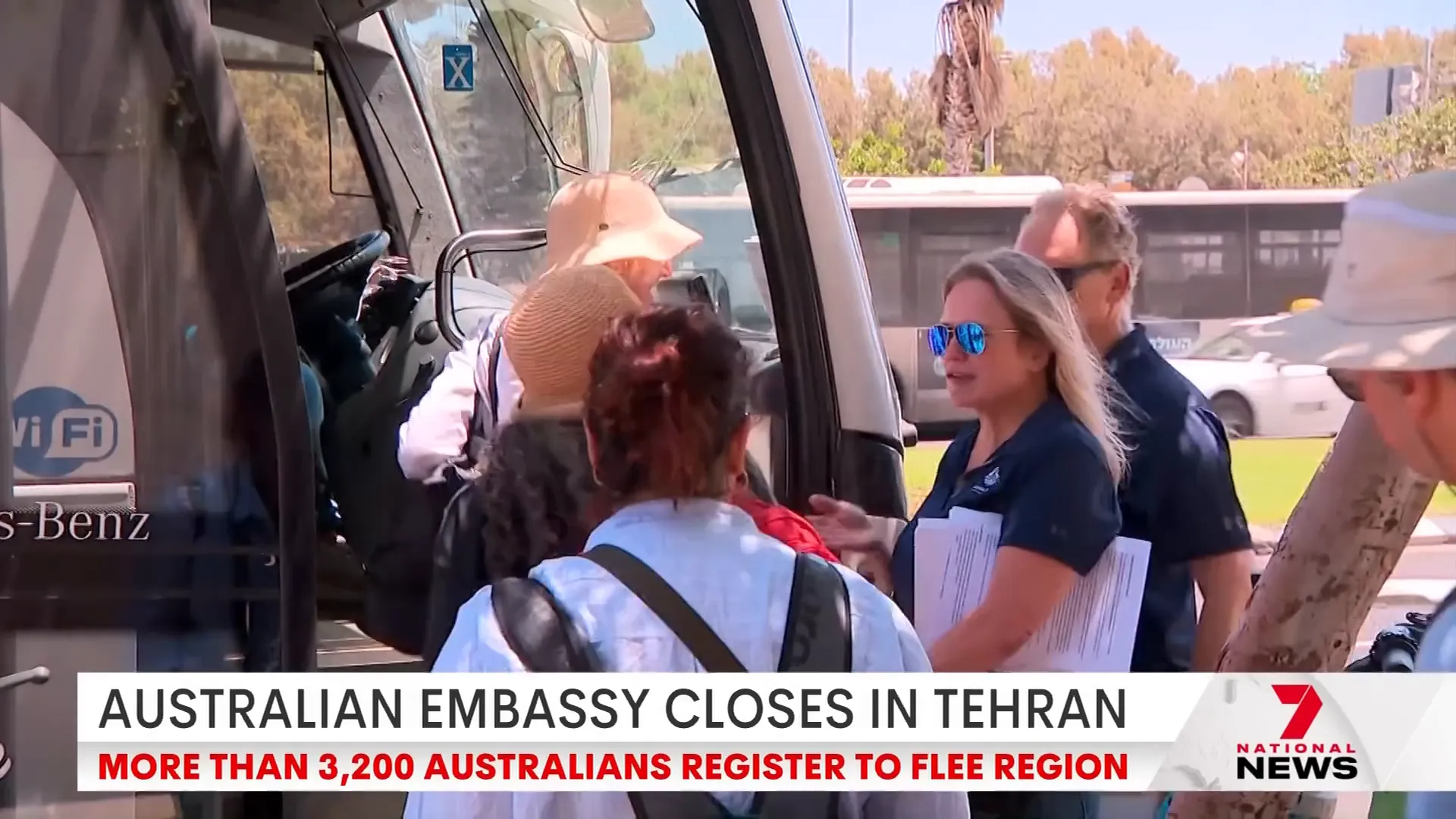
This move underscores the seriousness of the security situation and Australia's commitment to protecting its diplomatic staff while continuing to engage with regional partners.
Looking Ahead: The Path to Peace
The coming weeks are critical as the international community watches closely for signs of de-escalation. The opportunity for dialogue and diplomacy, as emphasized by Foreign Minister Penny Wong, offers a potential pathway to reduce tensions and avoid further conflict.
Australia remains committed to supporting its citizens abroad and advocating for peaceful resolutions through diplomatic channels.
Frequently Asked Questions
Why are Australians fleeing Israel and Iran?
Due to escalating conflict and deteriorating security conditions in Israel and Iran, many Australians are seeking to leave the region for their safety.
How is the Australian government assisting those affected?
The Department of Foreign Affairs is deploying Defence Force personnel and aircraft to the region to support the evacuation and provide assistance to Australians wishing to leave.
What diplomatic efforts are underway to resolve the conflict?
Foreign Minister Penny Wong has engaged in talks with the US Secretary of State, emphasizing the opportunity for de-escalation through dialogue and diplomacy, particularly encouraging Iran to return to negotiations and halt its nuclear weapons program.
Has the Australian embassy in Iran been affected?
Yes, the Australian embassy in Tehran has suspended operations due to security concerns. While most officials and their families have left, the ambassador remains in the region.
What is the outlook for peace in the region?
The next two weeks are seen as a crucial period for potential de-escalation and diplomatic engagement, offering hope for a peaceful resolution if all parties commit to dialogue.


