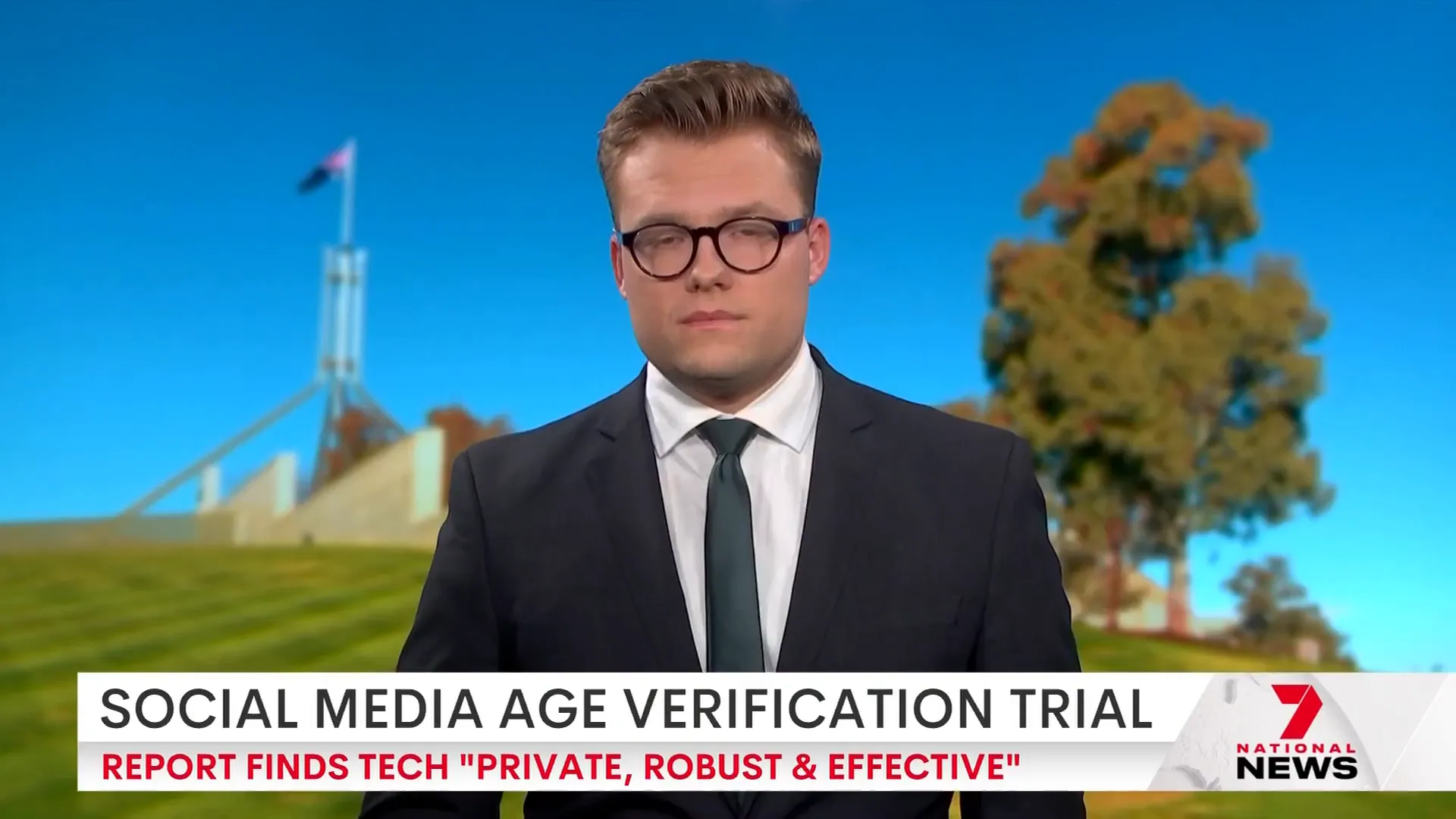
The Australian federal government is pioneering a new approach to online safety by trialing age verification technology aimed at implementing a social media ban for users under the age of sixteen. This groundbreaking move, covered by 7NEWS Australia, seeks to protect young Australians from potential harms on social media platforms by restricting access based on verified age.
Table of Contents
- Introduction to the Age Verification Trial
- How Effective Is the Age Verification Technology?
- Challenges and Future Developments
- The Road Ahead: Government Plans and Global Implications
- Frequently Asked Questions (FAQ)
- Conclusion
Introduction to the Age Verification Trial
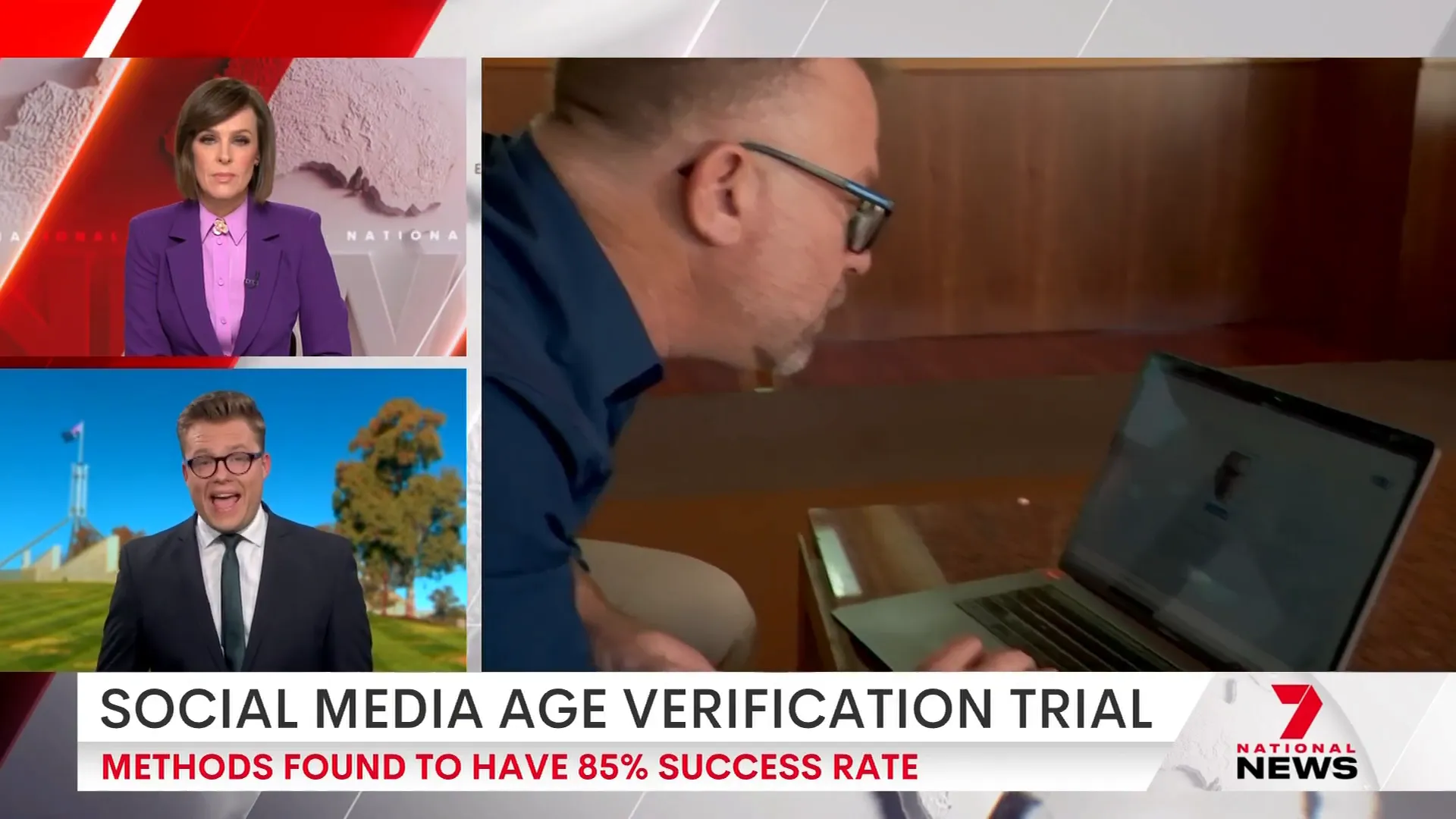
In an effort to curb the exposure of children to inappropriate content and interactions on social media, the federal government has been testing various age verification technologies. The trial involved students from John Paul College in Canberra, who participated as test subjects to evaluate how accurately the software could determine their ages. The preliminary report from this trial indicates promising results but also highlights some challenges that need to be addressed before full implementation.
How Effective Is the Age Verification Technology?
The trial revealed that the software had an 85% success rate in estimating users' ages within an eighteen-month margin. This means that the technology can correctly identify whether a user is likely to be under or over sixteen in most cases. However, some teens were mistakenly identified as being significantly older, which shows there are still flaws in the system.
Multiple verification methods were explored during the trial, including:
- Camera-based age estimation using artificial intelligence (AI)
- Verification through official ID documents such as passports and bank cards
Feedback from Students
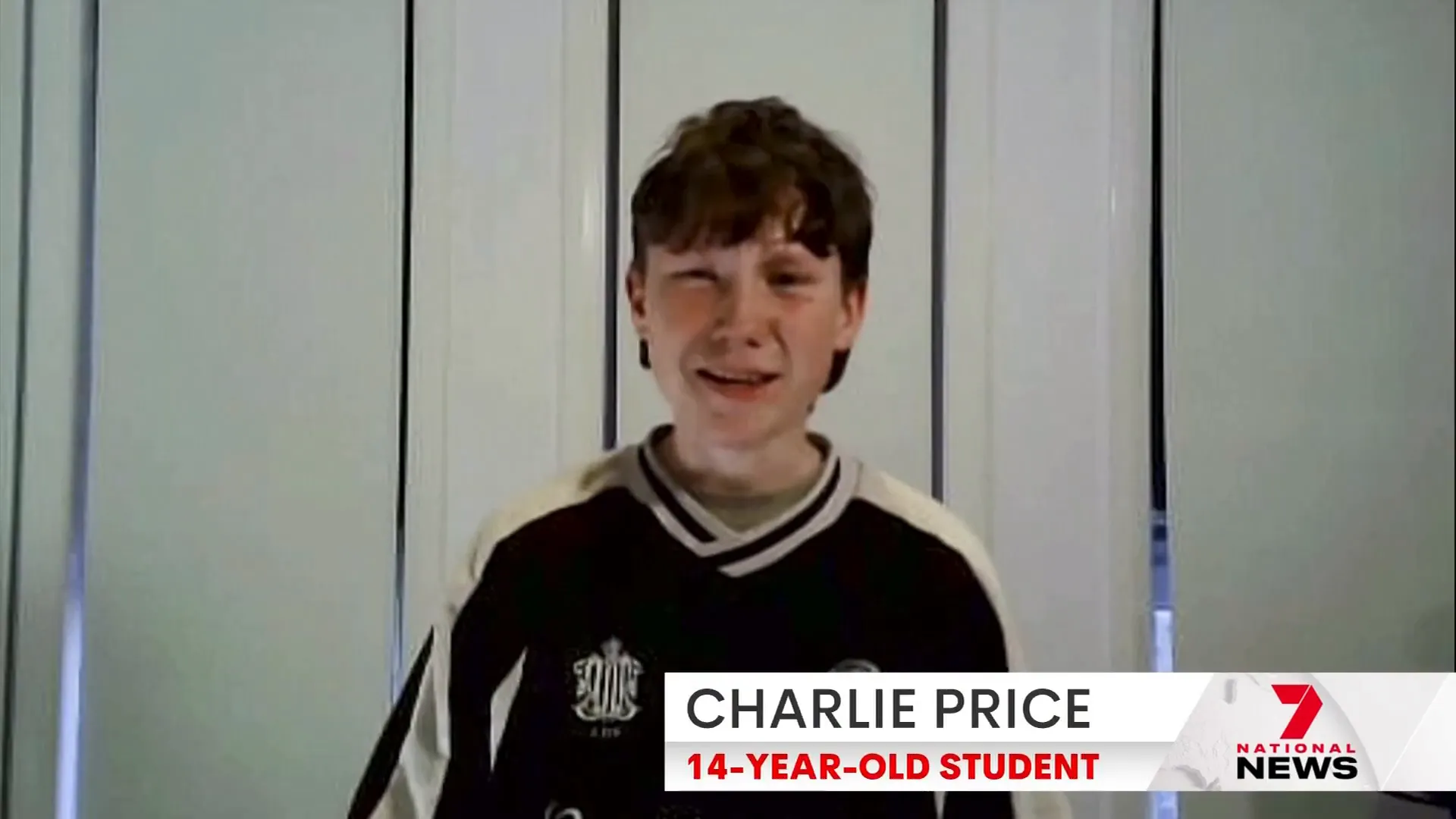
Some Australian schoolchildren who took part in the trial shared their experiences with the technology. One student mentioned that most of their age checks were accurate, though a few friends were incorrectly identified as being in their twenties. This variability points to the current limitations, but also suggests that the technology is generally reliable.
Challenges and Future Developments
While the trial shows promise, experts have raised concerns about the potential for false positives and negatives — cases where users might be wrongly blocked or incorrectly allowed access. These inaccuracies could complicate the enforcement of the social media ban and create frustration among users.
Technology is rapidly evolving, and there is an ongoing need to continuously assess both the effectiveness of age verification tools and the broader impacts on young users. The government plans to keep monitoring advancements to ensure the system remains robust and fair.
The Road Ahead: Government Plans and Global Implications
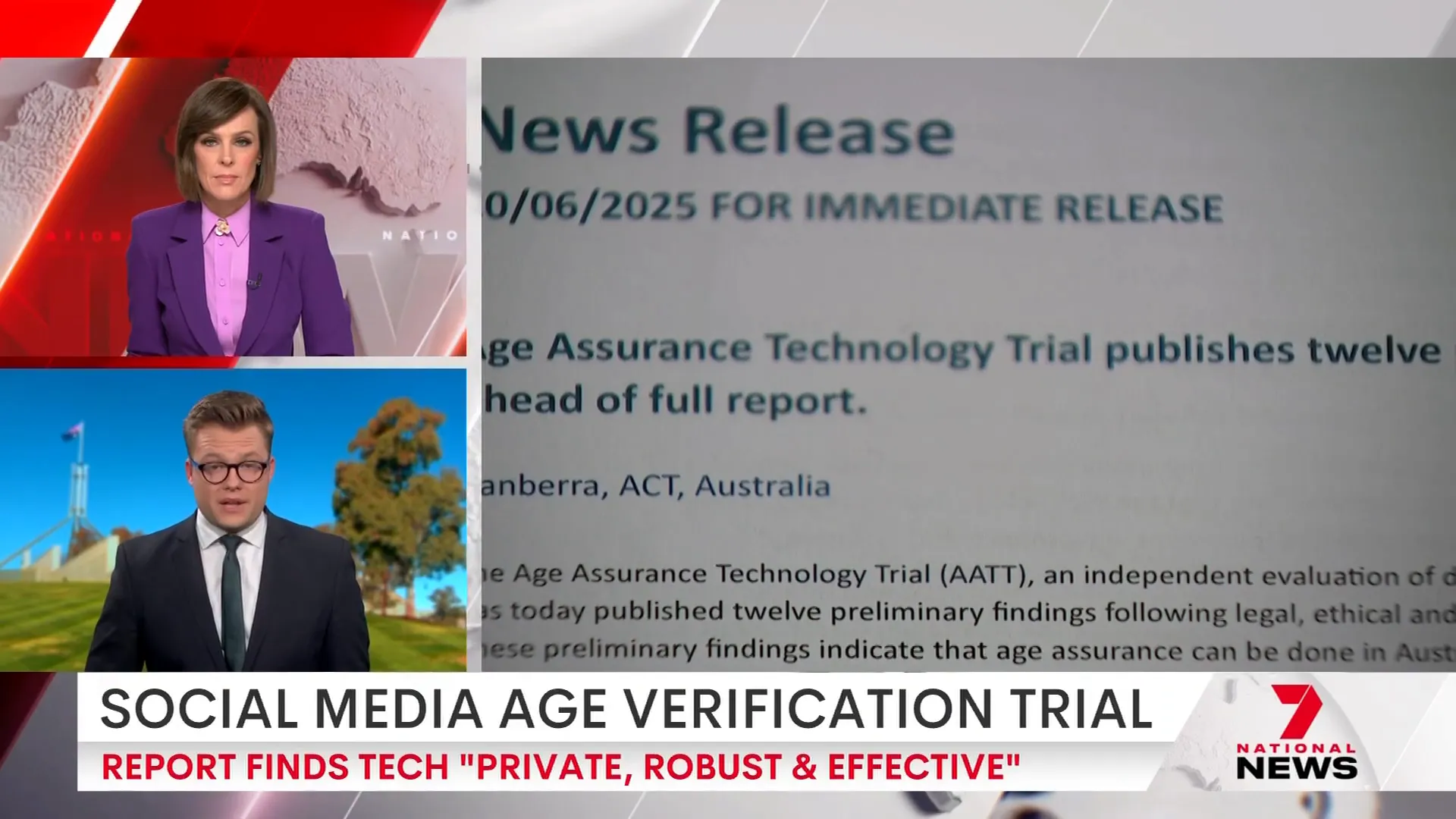
The federal government expects to receive the final report on the trial by July, with intentions to implement the social media age ban by December. This initiative is particularly significant as Australia becomes one of the first countries to introduce such laws, effectively making the nation a global “guinea pig” in this regulatory space.
The results of the trial will be handed over to the eSafety Commissioner, who will provide further guidance on the path forward.
"This is a really important commitment that we have made to really clean up the safety of social media for, particularly young people." — Government Representative
Frequently Asked Questions (FAQ)
What is the purpose of the age verification technology trial?
The trial aims to test the effectiveness of tools that can verify users’ ages to enforce a social media ban for individuals under sixteen, enhancing online safety for young Australians.
How accurate is the current technology?
The technology currently achieves an 85% success rate of estimating ages within an eighteen-month range, although some errors occur, such as misidentifying teenagers as much older.
What methods are being used for age verification?
Various methods are being trialed, including AI-powered camera assessments and verification through official identification like passports and bank cards.
When will the social media age ban be implemented?
The government plans to implement the ban by December, following the receipt of the final report in July and further review by the eSafety Commissioner.
Are there concerns about the technology?
Yes, experts worry about false positives and negatives, which could lead to users being wrongly blocked or granted access, complicating enforcement.
Is Australia the first country to trial this kind of legislation?
Yes, Australia is among the first countries to trial and potentially implement laws requiring age verification for social media access, making it a global pioneer in this field.
Conclusion
The trial of social media age verification technology in Australia marks a significant step toward safeguarding young people online. While the technology is not yet perfect, the government’s commitment to ongoing evaluation and improvement highlights the importance of protecting children from potential harms in the digital space. As the world watches, Australia is setting a precedent that may influence how other countries address online safety in the future.


