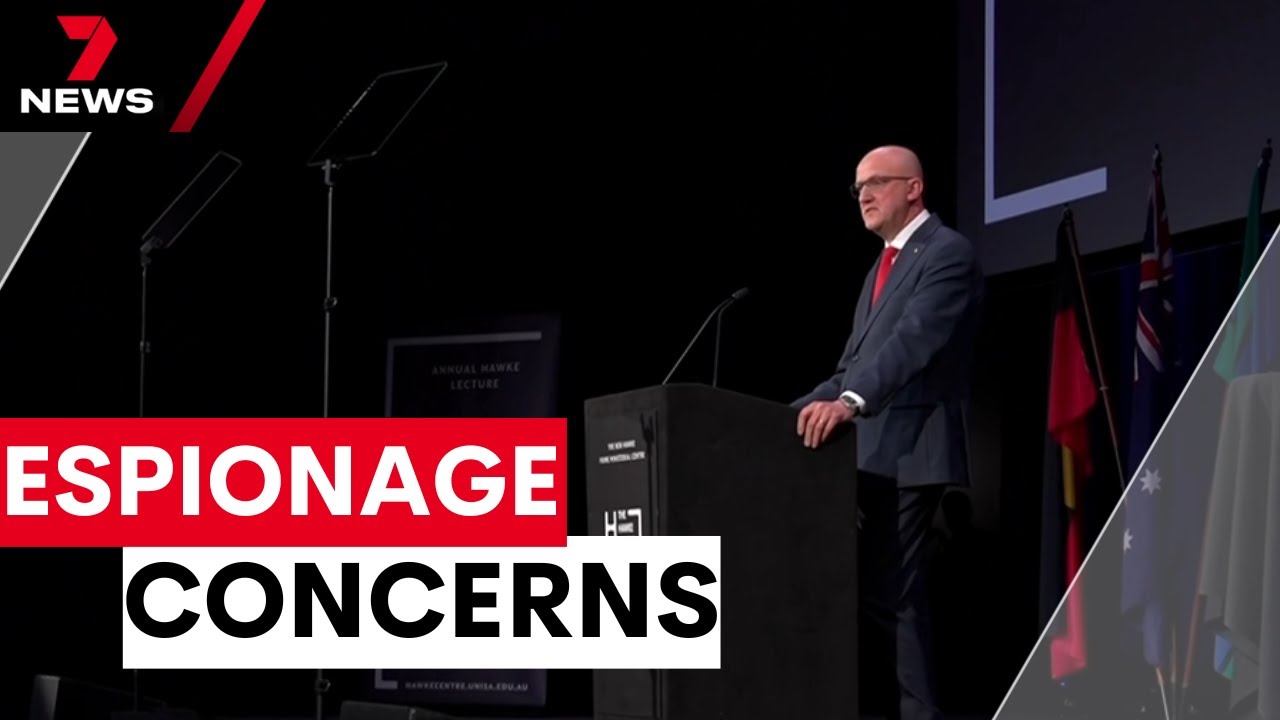
Australia’s top intelligence officials have sounded a stark warning about the escalating espionage threats targeting the nation. With foreign intelligence agencies intensifying their efforts to steal sensitive defence information, particularly around high-profile deals like AUKUS, Australians are being urged to exercise extreme caution with the information they share online.
This urgent message comes from Mike Burgess, the Director-General of the Australian Security Intelligence Organisation (ASIO), who revealed that foreign spies are now aggressively targeting Australians, especially on professional networking platforms such as LinkedIn. The scale and sophistication of these operations are unprecedented, surpassing espionage activities seen during the Cold War era.
Table of Contents
- Australians Oversharing: A Gateway for Foreign Spies
- The AUKUS Deal: A Prime Espionage Target
- Expert Insight: The Broader Implications of Espionage Threats
- The Cost of Countering Espionage
- How Australians Can Protect Themselves and Their Country
- Conclusion
- Frequently Asked Questions
Australians Oversharing: A Gateway for Foreign Spies
One of the key reasons for this growing threat is the amount of sensitive information Australians are inadvertently revealing on social media and professional networking sites. Burgess highlighted that spies are “trolling through” these platforms, making contact with individuals who may have access to classified or sensitive data.
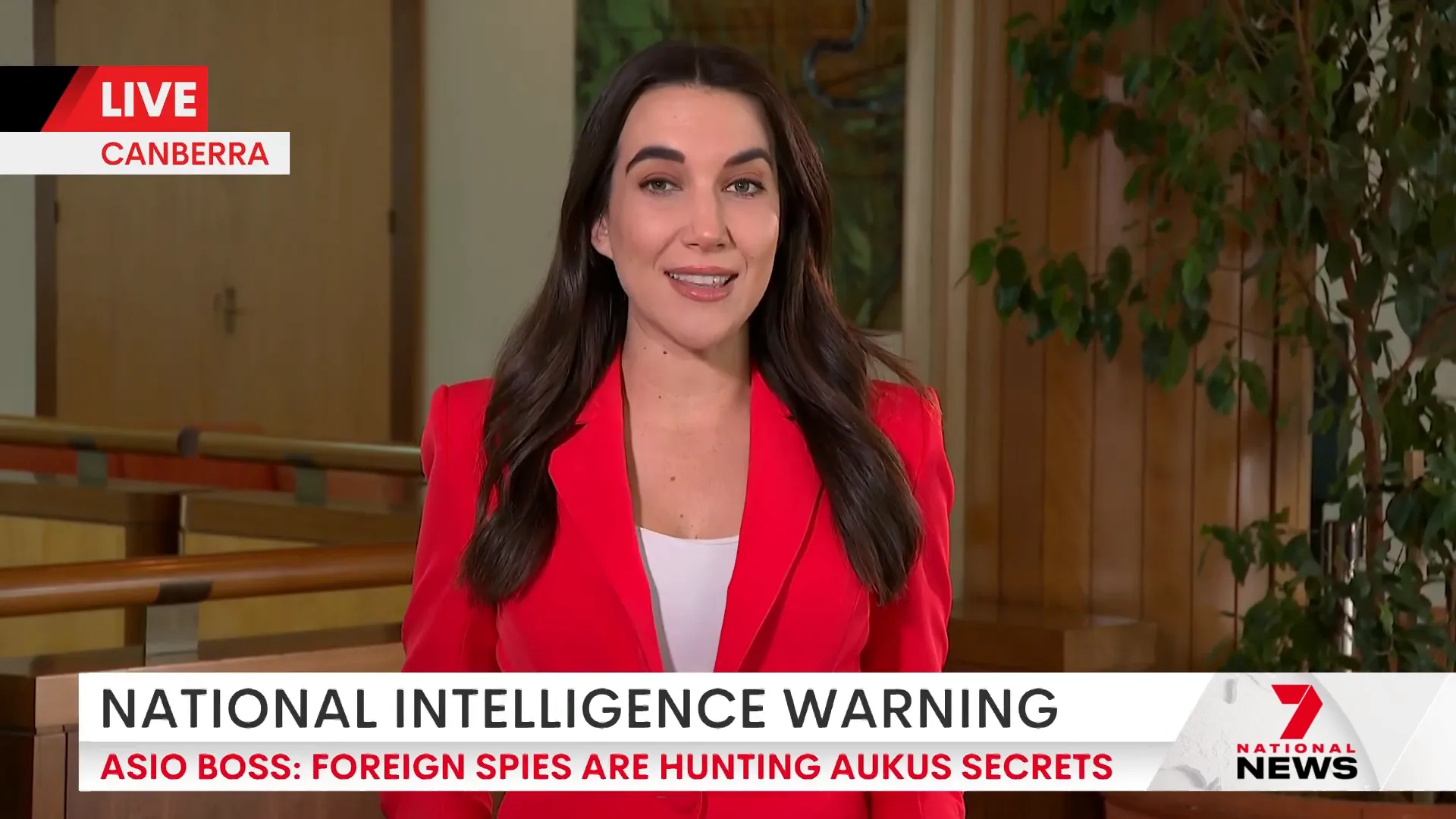
It’s a concerning paradox that those who work in or around national security sometimes boast about their roles online, unwittingly exposing themselves to foreign intelligence recruitment or exploitation. Burgess stressed that anyone with access to significant secrets should refrain from listing such details on social media profiles. Instead, they should demonstrate discretion and prove themselves trustworthy by keeping these secrets offline.
Over the past three years, ASIO has successfully foiled 24 major espionage plots, underscoring the seriousness of the threat. Yet, the risk continues to grow because Australians, both consciously and unknowingly, provide a rich source of information for foreign intelligence operatives.
The AUKUS Deal: A Prime Espionage Target
Among the most sensitive targets for foreign spies is the AUKUS nuclear submarine deal, a pivotal defence partnership between Australia, the United Kingdom, and the United States. Burgess named usual suspects like China, Russia, and Iran as countries showing keen interest in this deal. However, he also warned that smaller nations are increasingly taking what he described as an “unhealthy interest” in the project.
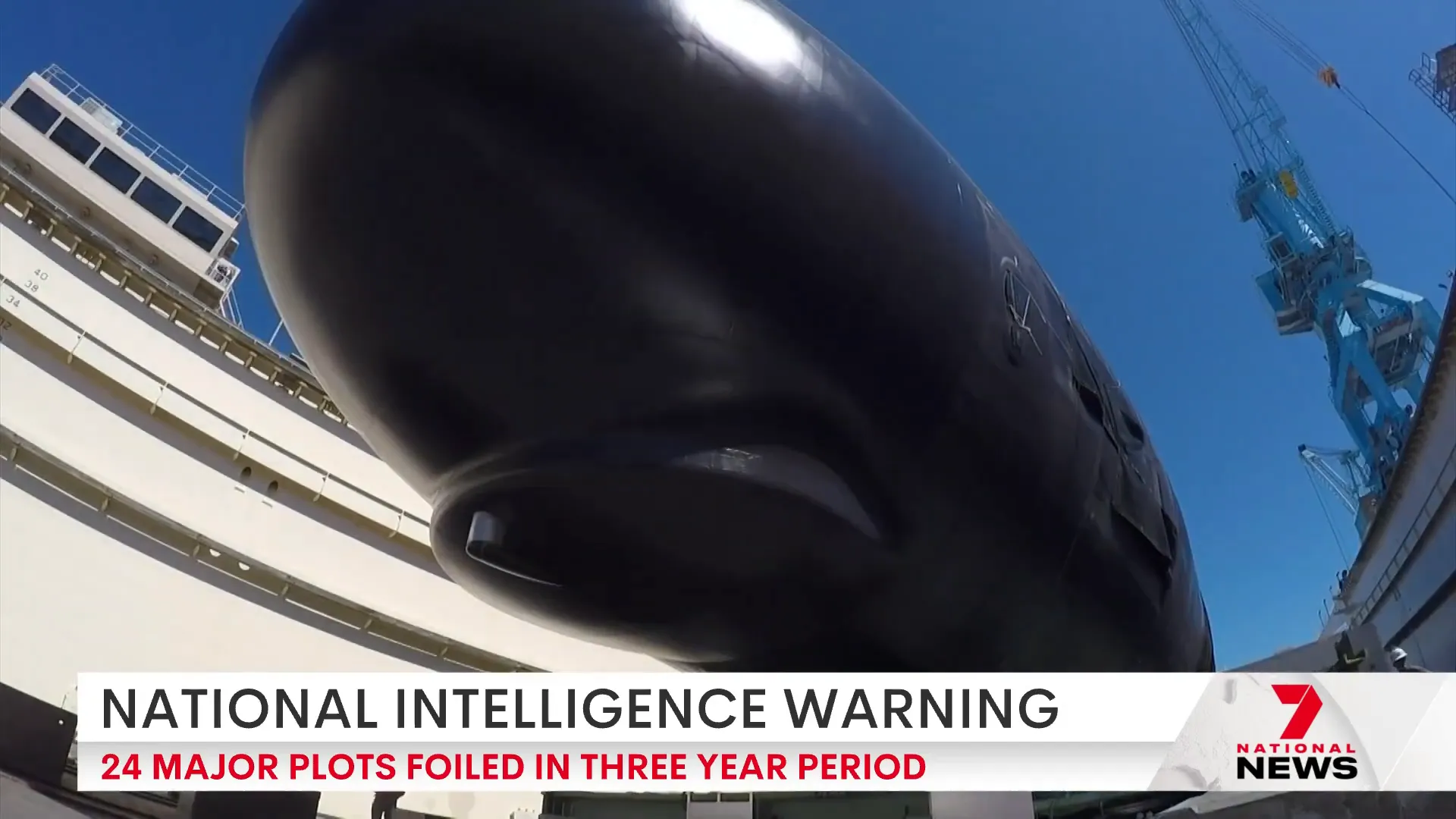
Given the strategic importance of AUKUS in the Indo-Pacific region, it is no surprise that Australia sits at the centre of intense international espionage activity. Protecting this information is vital for national security and maintaining Australia’s strategic advantage.
Expert Insight: The Broader Implications of Espionage Threats
Chris Taylor, head of intelligence at the Australian Strategic Policy Institute, provided further analysis on the threats facing Australia. He emphasised that the espionage threat is pervasive and persistent, with foreign intelligence agencies employing unprecedented sophistication in their targeting strategies.
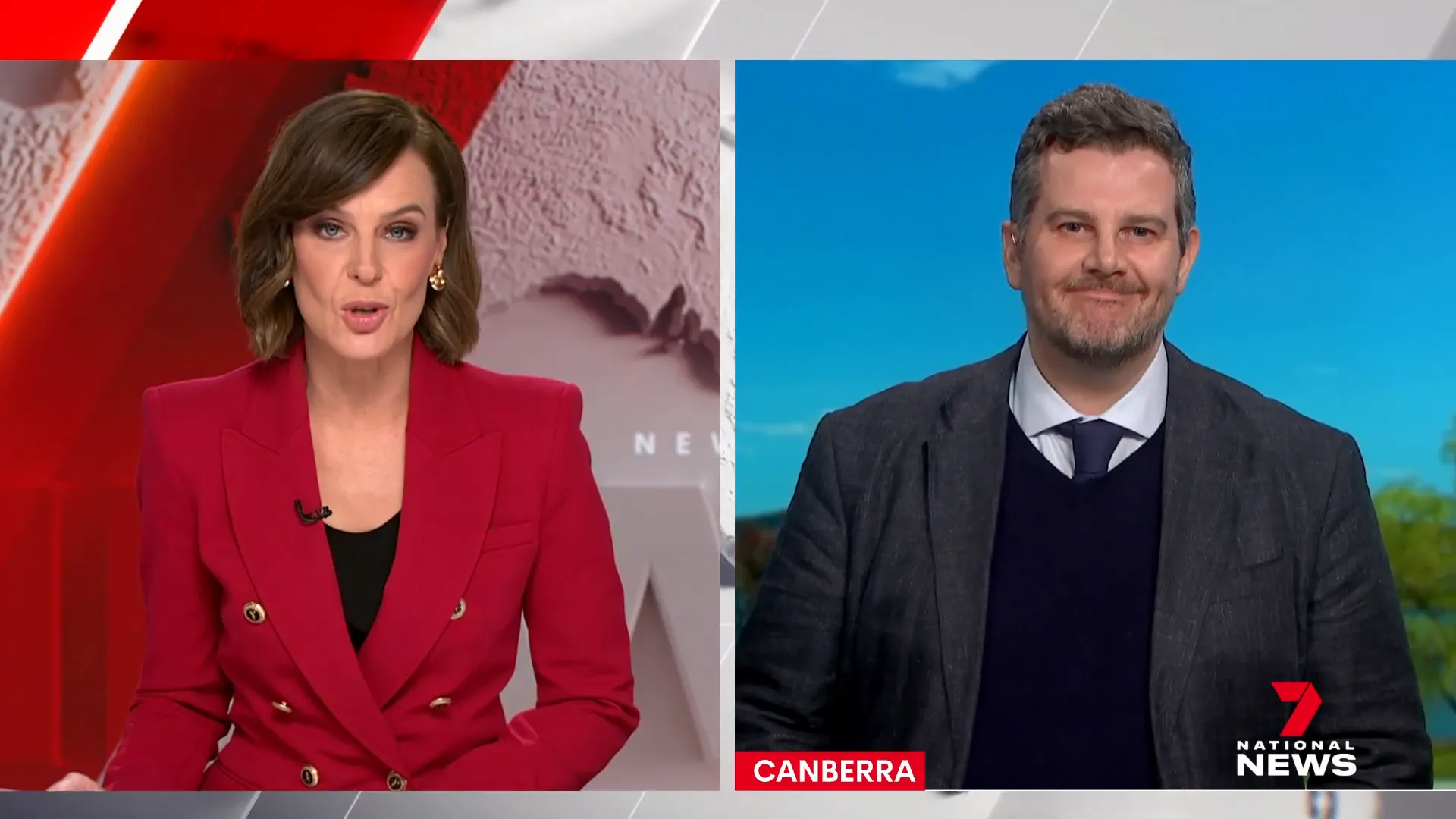
Taylor reinforced that protecting sensitive information is a responsibility shared by all Australians — not just public servants. Even information that isn’t classified or locked away in secure facilities can be valuable to foreign intelligence services seeking strategic advantages. This means everyone must be prudent about what they post online and how much personal or professional information they disclose publicly.
Where Are The Threats Coming From?
While Russia, China, and Iran remain the primary espionage threats, Taylor pointed out that all nations engage in spying to some extent, including friendly countries. Historical examples include intelligence activities by Israel and South Korea in Australia. The reality is that espionage is a common feature of international relations.
Australia’s increasingly prominent role in the Indo-Pacific and its involvement in strategic alliances like AUKUS make it a particularly attractive target. Unlike during the Cold War, Australia is now at the forefront of geopolitical competition, making the stakes higher than ever.
The Cost of Countering Espionage
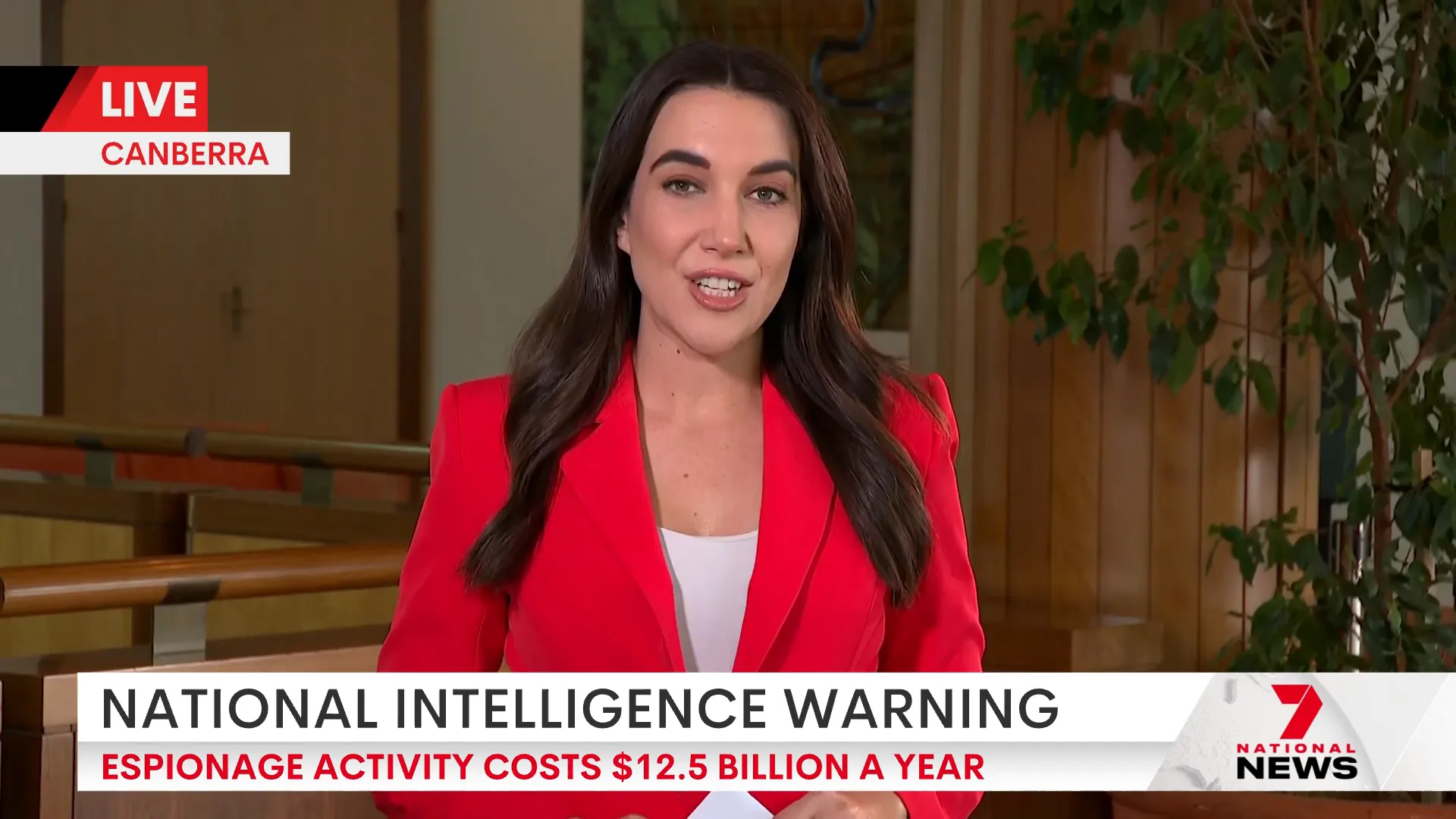
Combating these threats is expensive. The Australian government spends an estimated $12.5 billion annually to protect national security and counter foreign intelligence operations. This investment reflects the high priority placed on safeguarding Australia’s secrets and strategic interests.
How Australians Can Protect Themselves and Their Country
- Be cautious about sharing work-related information on social media, especially details related to national security or defence.
- Avoid publicly listing sensitive job roles or projects that could attract foreign intelligence attention.
- Understand that espionage threats extend beyond classified documents to include seemingly innocuous personal or professional data.
- Recognise that everyone has a role in protecting Australia’s strategic interests, not just intelligence agencies or government employees.
Conclusion
The landscape of espionage targeting Australia has evolved dramatically, with foreign intelligence services employing sophisticated methods to infiltrate networks and gather sensitive information. As the AUKUS deal and broader Indo-Pacific strategic interests come under increasing scrutiny, Australians must become more vigilant about the information they share online.
Mike Burgess’ warning serves as a timely reminder that in today’s interconnected world, protecting national secrets is a collective effort. By exercising discretion and understanding the risks, Australians can help safeguard the country’s security and strategic future.
Frequently Asked Questions
Why are foreign intelligence services targeting Australians on LinkedIn?
Foreign spies use LinkedIn and similar platforms to identify and contact individuals who may have access to sensitive or classified information, exploiting publicly available data to gather intelligence.
Which countries are considered the biggest espionage threats to Australia?
China, Russia, and Iran are named as the primary espionage threats, though smaller countries and even some friendly nations have been involved in spying activities in the past.
What is the significance of the AUKUS deal in espionage threats?
The AUKUS nuclear submarine deal is a major strategic defence initiative that attracts intense interest from foreign intelligence agencies aiming to gain a competitive advantage in the Indo-Pacific region.
How much does Australia spend annually on countering espionage?
The government allocates approximately $12.5 billion each year to combat foreign intelligence threats and protect national security.
What can individuals do to help protect Australia’s secrets?
Individuals should avoid sharing sensitive work-related information on social media, be mindful of their online presence, and understand that protecting national security is a shared responsibility.


