Table of Contents
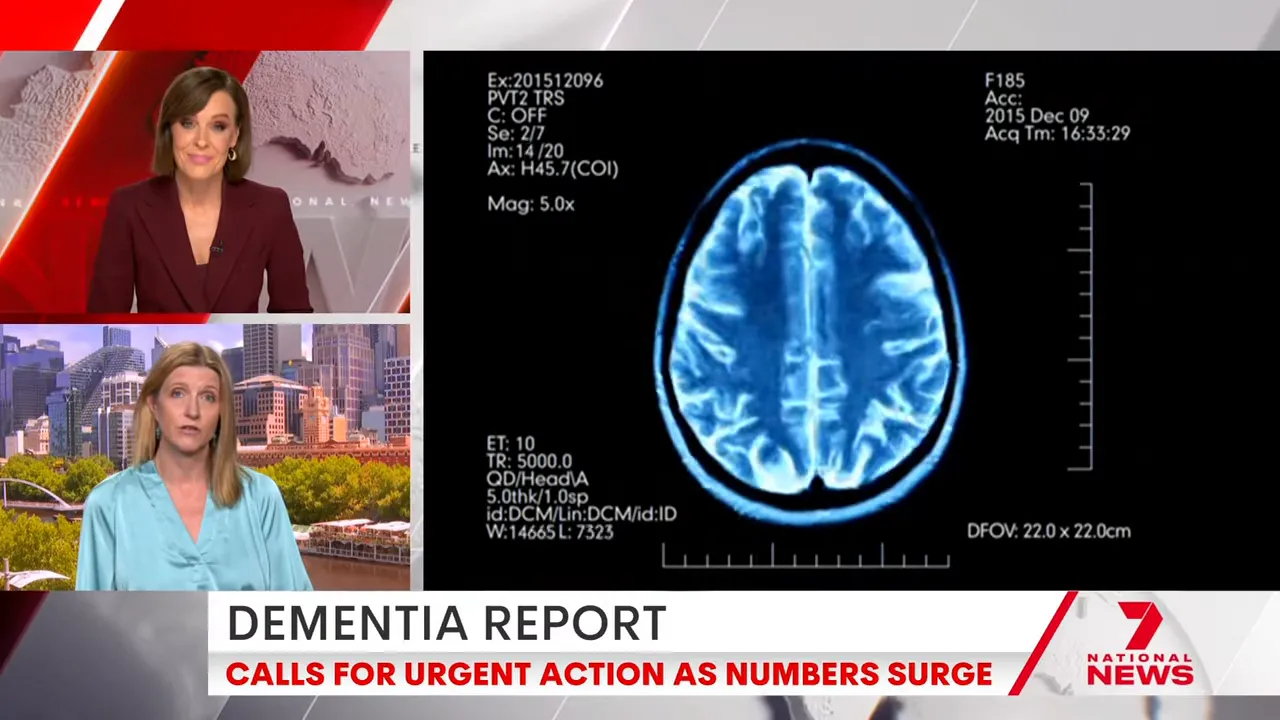
New report shows almost 447,000 Australians living with dementia; experts urge immediate action
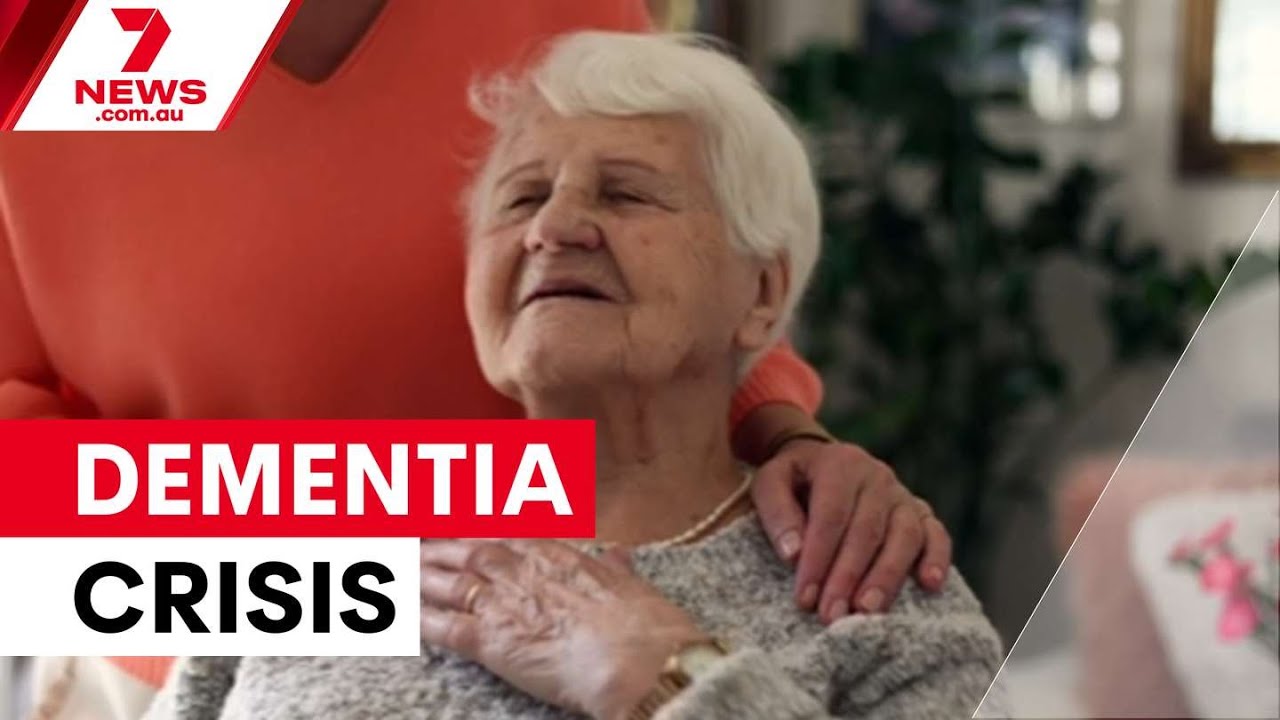
Dementia cases in Australia are rising sharply. More than 447,000 people are currently living with the condition, and that figure is expected to double over the next 40 years.
The surge is driven in part by demographic change: Australians are generally living longer, and the risk of developing dementia increases with age. That success in longevity has, sadly, contributed to dementia becoming the nation's leading cause of death.

But dementia is not only an issue for older Australians. The condition can affect people at any age, including children and people under 65. These less-visible groups make clear this is a whole-of-community issue, not simply an ageing-population problem.
Who is affected and how many?
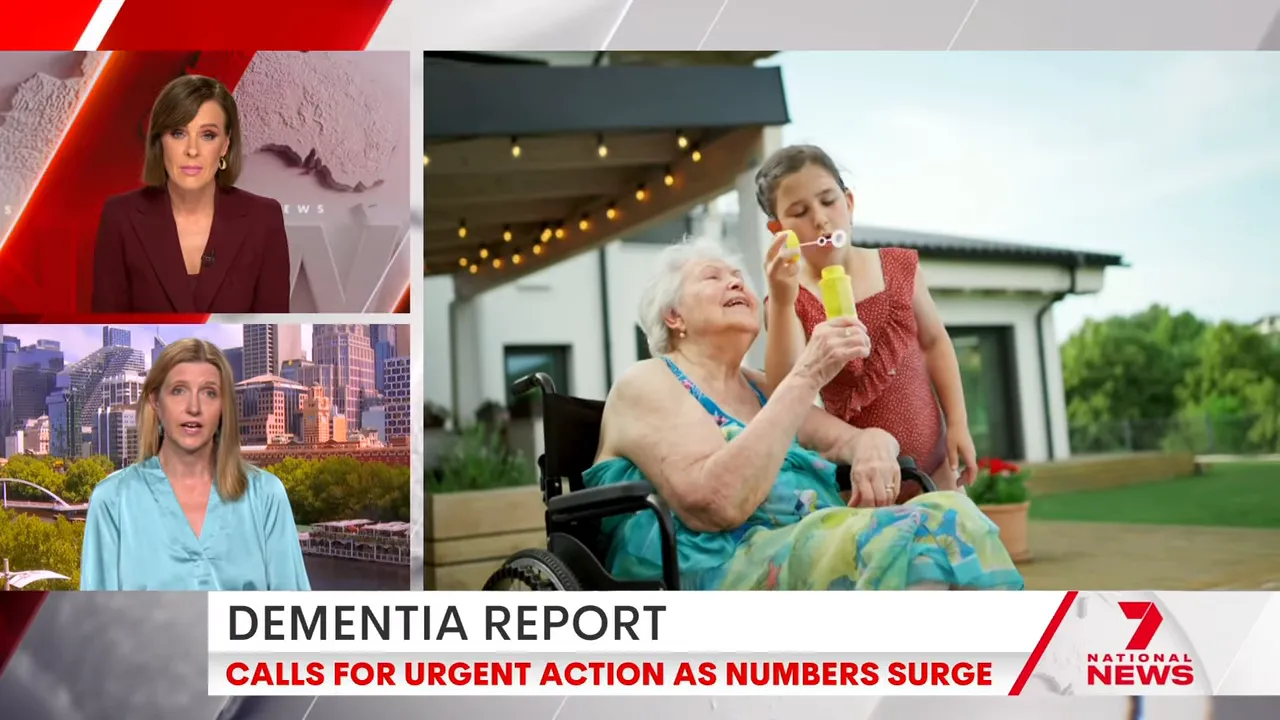
Current estimates put the number of Australians living with dementia at more than 447,000. That includes more than 1,000 children with childhood forms of dementia and around 29,000 people with young-onset dementia (diagnosed under 65).
Because prevalence rises with age, projected population growth and longevity mean case numbers are expected to climb substantially without new interventions.
Why cases are rising
The main driver is simple demographic change: as people live longer, the number at risk increases. However, experts stress dementia isn’t an inevitable part of ageing. Many factors — lifestyle, cardiovascular health, education and social engagement — influence risk and may be amenable to prevention efforts.
What leaders are calling for
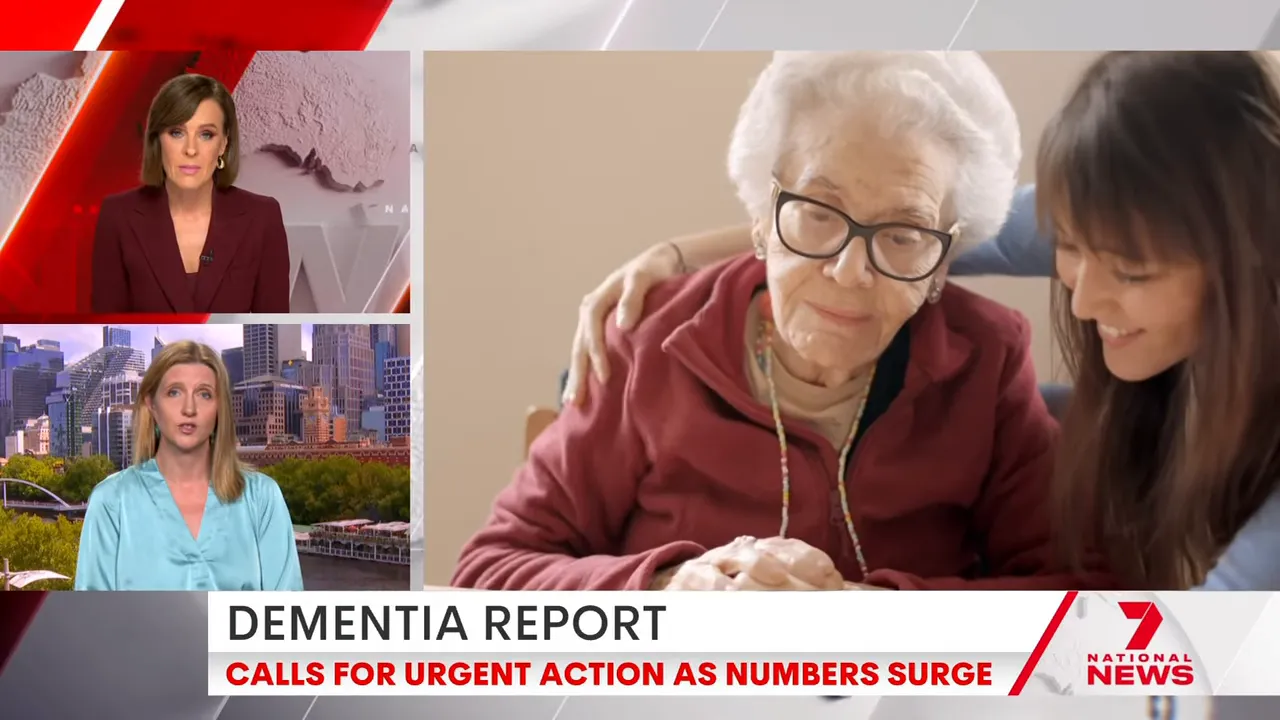
Health advocates and Dementia Australia are calling for rapid implementation of a national dementia action plan that was developed with federal, state and territory governments. The plan is intended to coordinate efforts across health, disability and aged-care sectors and to make clear what can be achieved over the coming years.
Negotiations between governments have delayed the roll-out, but stakeholders say action cannot wait. Frontline workers in aged care are under growing pressure and require better support, training and resources to meet rising demand.
Prevention and brain health
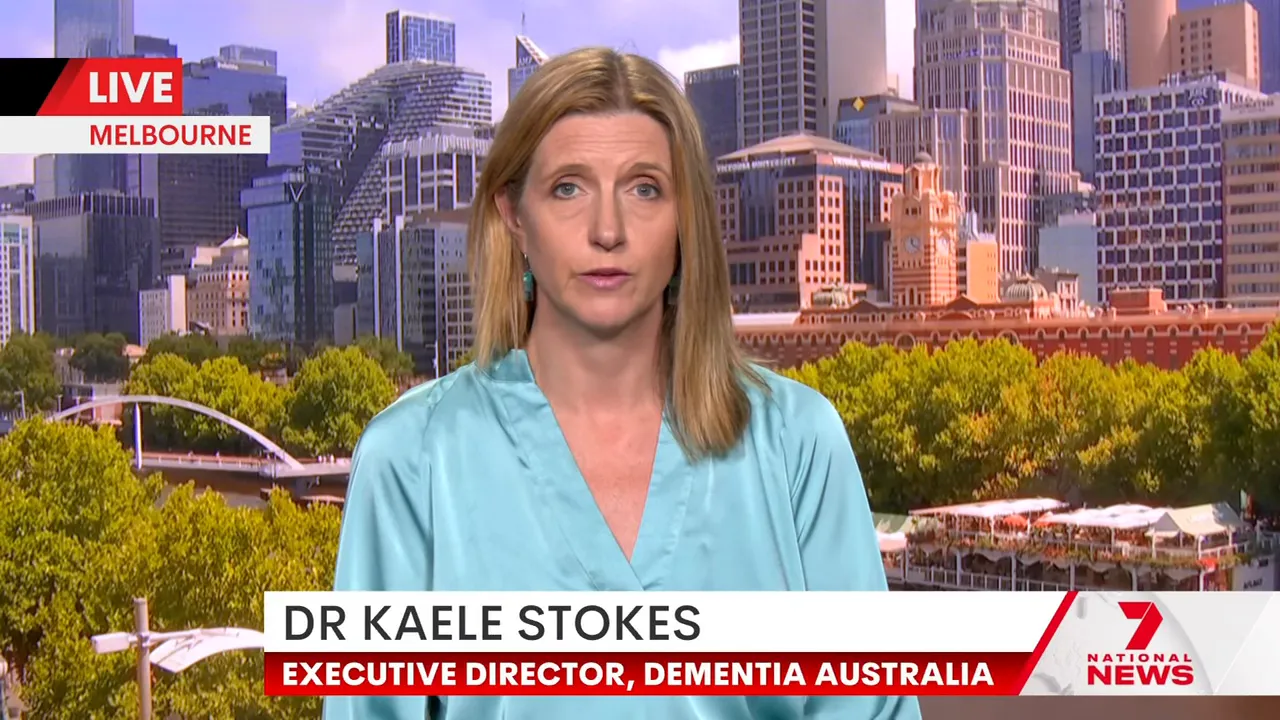
Prevention is a central theme of the proposed national approach. Clear public messaging about brain health and the steps people can take to reduce their risk — such as managing blood pressure, staying active, quitting smoking and maintaining social connections — is a priority.
“Lots of people don't understand that there's things that they can do to modify their risk of developing dementia in the first place.”
Practical priorities going forward
- Implement the national dementia action plan as a matter of urgency to coordinate services and funding.
- Focus on prevention and public education about brain health across the lifespan.
- Increase support, training and resources for frontline aged‑care and disability workers.
- Ensure specialised services for children and people with young-onset dementia are accessible.
- Monitor outcomes and publish clear timelines for staged implementation.
What this means for families and communities
Families caring for someone with dementia will face growing demand for support services, respite and clinical care. Communities will need better local access to diagnosis, post-diagnostic support and coordinated care pathways to reduce pressure on hospitals and residential aged care.
Policymakers, clinicians and advocacy groups say that combining prevention, improved care and the timely implementation of nationally coordinated plans offers the strongest path to limit the projected rise in cases.
FAQs
Why are dementia cases rising in Australia?
The primary reason is demographic: as the population ages and people live longer, more individuals enter age groups with higher dementia risk. Other factors such as lifestyle and chronic disease management also influence long-term rates.
Who can develop dementia?
Dementia can affect anyone. While prevalence increases with age, there are childhood forms of dementia and around 29,000 Australians living with young-onset dementia (under 65).
What is the national dementia action plan?
The plan is a consolidated strategy agreed by federal, state and territory governments to coordinate prevention, diagnosis, care and support across health, disability and aged-care systems. Stakeholders are awaiting staged implementation details.
Can individuals reduce their risk of dementia?
Yes. Evidence suggests managing cardiovascular risk factors, staying physically and socially active, maintaining a healthy diet, and not smoking can help reduce risk. Public education on brain health is a key part of prevention efforts.
How will this affect aged-care services?
Demand for aged-care services, specialist support and trained staff is expected to increase. Advocates say improved workforce support, funding and integrated care pathways will be essential to manage rising need.
Key takeaways
- Dementia cases in Australia exceed 447,000 and are projected to double in 40 years.
- The increase is largely driven by an ageing population, but dementia affects all ages.
- Experts urge swift implementation of a national action plan and stronger focus on prevention and workforce support.
The information in this article has been adapted from mainstream news sources and video reports published on official channels. Watch the full video here Dementia cases set to double in Australia | 7NEWS


