Trump’s Iran ultimatum has triggered fresh international pushback, with Australia and other allies in the Pacific suddenly at the centre of a tense, high-stakes exchange over who is (and isn’t) willing to back US action.
As US President Donald Trump spoke at length about his approach to Iran, he mixed threats, conditional openness to diplomacy, and pointed criticism of allies—including NATO and countries in the wider region.
The message, delivered with urgency, raised a blunt question for global observers: is the US leaning toward escalation, or attempting to keep negotiations alive long enough to reach a deal?
What Trump demanded from Iran—and what he threatened if talks fail
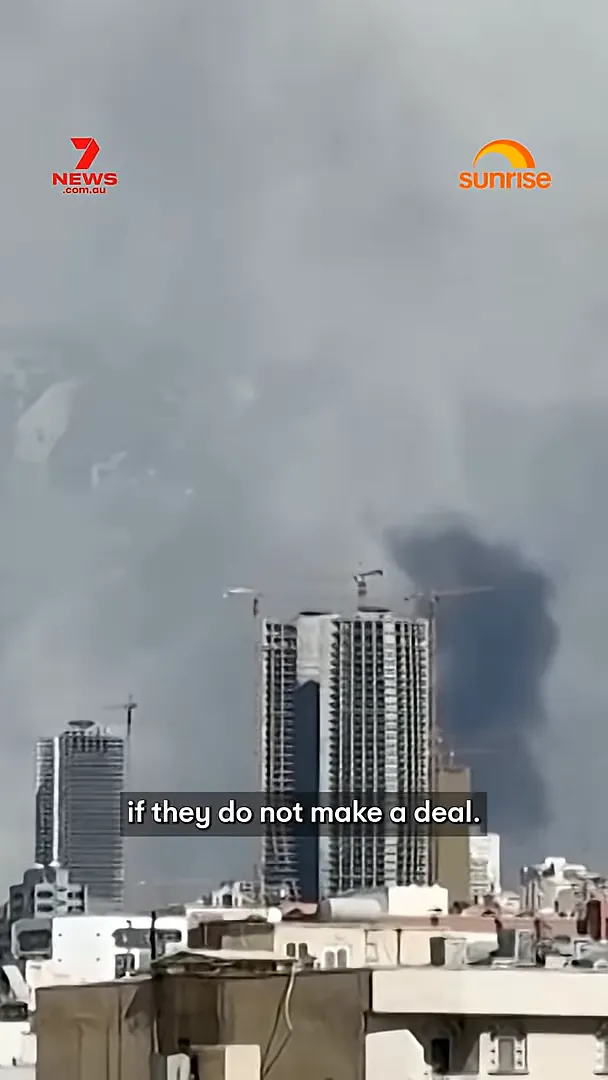
At the heart of Trump’s Iran ultimatum was a direct demand to strike a deal. Trump reiterated his threat that, if Iran did not agree, the United States would target critical infrastructure inside Iran.
In his remarks, he suggested the US had an extensive set of potential targets, framing them as broad and consequential rather than limited. He said very few targets would be off limits if Iran refused to negotiate.
Trump went further by describing what that pressure could look like in practical terms—claiming the US had plans to target major national assets such as bridges and power plants.
Diplomacy was not ruled out—so why the harsh tone?
Despite the severity of the threat, Trump also appeared to leave room for a diplomatic outcome. Even while delivering warnings about potential attacks, he suggested that negotiations could still produce an end to the conflict.
Mediators were described as actively engaging with both sides—talking to the United States and Iran—implying that the diplomatic track was, at least at that moment, moving alongside the pressure campaign.
Trump also indicated that negotiations were taking place, adding to the uncertainty over the US direction: the threat was immediate and aggressive, yet the door to a negotiated settlement was not closed.
That tension—between escalation language and diplomatic possibility—was reflected in an underlying challenge asked in the coverage: are you winding this down, or escalating it?
“It depends what they do”: a deadline without clarity
Trump was also reported as setting a narrow window for developments, saying the other side had until the following day. The message was clear in timing, but less clear in what exact outcome he expected by then.
Rather than offering certainty, Trump framed the next steps as conditional. The implication was that future action would hinge on whether negotiations progressed.
In other words, the threat was not presented as automatic—but as contingent. The strategic logic seemed to be: pressure now, negotiate now, and decide later based on the response.
Trump turns to allies: NATO, South Korea, Australia, and Japan
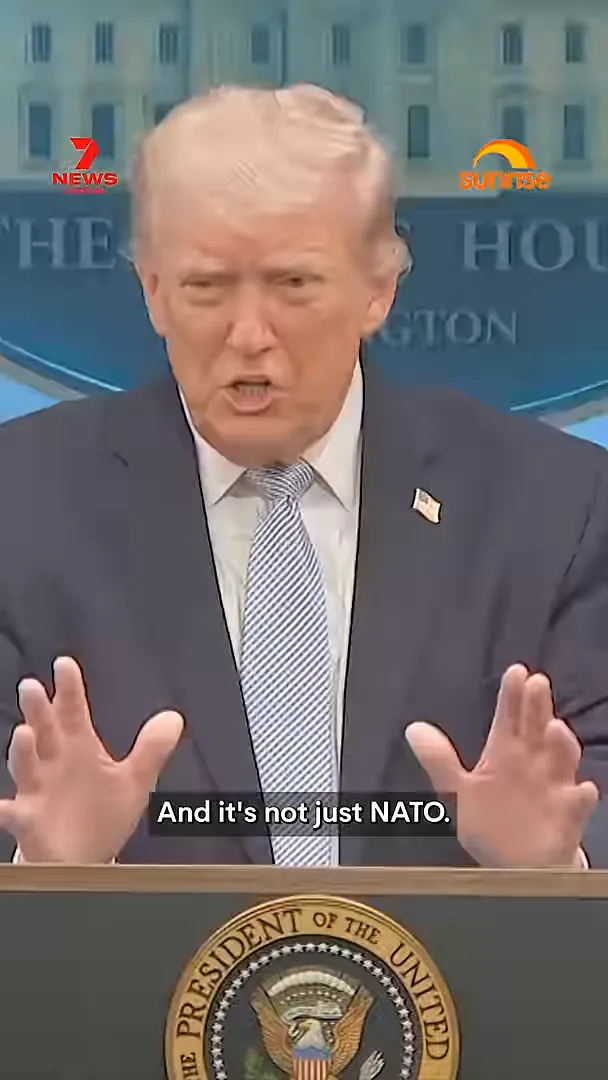
As the remarks unfolded, Trump’s Iran ultimatum became inseparable from criticism of allies. He took swipes at NATO and other American partners, accusing them of not taking up arms against Iran.
The criticism did not stop with Europe. Trump also referenced other countries in the wider region—stating that South Korea, Australia, and Japan also “didn’t help” in the way he believed they should.
In the framing described, Trump’s frustration appears to be tied to expectations that allies would participate more directly rather than remain on the sidelines.
Why allies became the focus: Trump’s growing frustration
The coverage suggested that Trump’s grievances were not just momentary. It described him as increasingly frustrated with NATO and other allies for their reluctance to support US action regarding Iran.
Within that broader complaint, Trump’s language reportedly targeted allied commitment itself—portraying reluctance as a failure to stand behind the US position.
This is the key political thread running through the statements: the Iran crisis is not only a negotiation with Iran, but also a test of alliance cohesion from Trump’s perspective.
The only deal Trump would accept: opening the Strait of Hormuz
Trump’s position also included a specific condition for any acceptable agreement. He said that the only deal he would accept from Iran would involve Iran opening the Strait of Hormuz.
That demand matters because it links diplomacy directly to a major regional chokepoint—tying negotiations to access, security, and the flow of maritime trade.
By setting such a clear condition, Trump appeared to define what “success” in negotiations would mean, even while claiming he was open to talks happening in good faith.
What this means for Australia and other partners
For Australia, the most striking aspect of Trump’s Iran ultimatum is how quickly the spotlight shifted from Iran to allied support. Australia was named among countries alleged to have failed to assist the US in confronting Iran.
That kind of public criticism can complicate diplomatic calibration, because allies must balance their own strategic interests, alliance commitments, and their appetite for direct involvement.
The wider implication is that, during moments of crisis, alliance relationships can become a parallel battleground—one shaped not only by what is happening internationally, but by how leaders publicly assign responsibility.
Video
FAQ
What was the core of Trump’s Iran ultimatum?
Trump reiterated that the US would seek a deal, and threatened to target critical infrastructure in Iran if one was not reached.
Did Trump leave room for diplomacy?
Yes. He appeared open to a diplomatic solution and said negotiations were taking place, with mediators engaging both the US and Iran.
Which allies did Trump criticise in connection with Iran?
The remarks included criticism of NATO and also named South Korea, Australia, and Japan as countries that did not help.
What deadline did Trump mention?
He said the other side had until the following day, implying the next steps would depend on developments in negotiations.
What deal condition did Trump say he would accept?
He said the only deal he would accept would include Iran opening the Strait of Hormuz.
Why did the Strait of Hormuz matter in the remarks?
The demand ties agreement to control and access to a major regional maritime chokepoint, making it a highly consequential diplomatic objective.


